Marketing Strategy Tips for Food Service Managers

Marketing Strategy Tips for Food Service Managers

Foodservice managers have a lot on their plate, from food safety training to scheduling to ensuring that they have enough inventory to meet their guests’ needs without waste. That leaves very little time for Minnesota food service managers to create marketing strategies to bring in new business. This week, we have three quick and easy tips that may help boost your food service marketing strategy.
Marketing Strategy Tips for Food Service Managers

Marketing Tips for the Busy Food Service Manager

These three steps can help you begin to develop a marketing strategy:

  • Identify your Niche
  • Define and Outline Your Strategy
  • Utilize Social Media to Create Sharable Content

Before you can create a plan to draw in new customers, you first need to know what you do well and what type of clientele you wish to market to. If you’re an upscale or fine-dining facility, creating a marketing plan directed at families with young children may not be appropriate, and dedicating marketing time to romantic evenings if you operate a lively bar could be a waste of your valuable resources. Knowing, or even creating, your restaurant’s identity is vitally important.

Once you’ve defined your identity, it’s time to outline a strategy. We know food service managers have very little free time, but creating a mission statement and outlining a strategy in writing will help you keep your efforts focused. Are you looking for ways to get current guests to return? Are you looking to increase your customer base by bringing in new guests? Your strategies will be different for each goal. Make sure you put a plan in writing. If you’re looking to increase return trips, you’ll need to reach your guests while they’re in your establishments. You can create incentives for return visits, make guests aware of events or simply make their experience as pleasurable as possible so they’ll want to come back.

Marketing via social media is easy and often free. Here’s where you get a chance to reach guests who have never been to your restaurant and remind guests who follow you that you offer amazing experiences. When creating social media posts, don’t just tell guests why they should give you a try, show them and create content they’ll want to share with their friends. Inject your establishment’s unique flavor and personality into your efforts rather than simply posting weekly specials and photos of your cuisine.

As a food service manager, do you have any marketing strategies that our readers should know about?
Keeping_Food_Protection_Equipment_Operational

Keeping Food Protection Equipment Operational in the Heat

The hot summer months can be taxing on food safety managers and their employees, but we often ignore the fact that excess heat impacts your equipment as well. As we all know, equipment failure causes a loss of revenue and poses a risk to the safety of the food you serve. This week we’ll take a look at a few things you can do to keep your food protection equipment operational and does not succumb to extreme temperatures.

Keeping Food Protection Equipment Operational

Food Protection Equipment Inspection and Maintenance for the Summer Heat

We’ve identified three valuable pieces of equipment that get taxed in the summertime:

  • Refrigerators and freezers
  • Air ventilation and swamp coolers
  • Air curtains

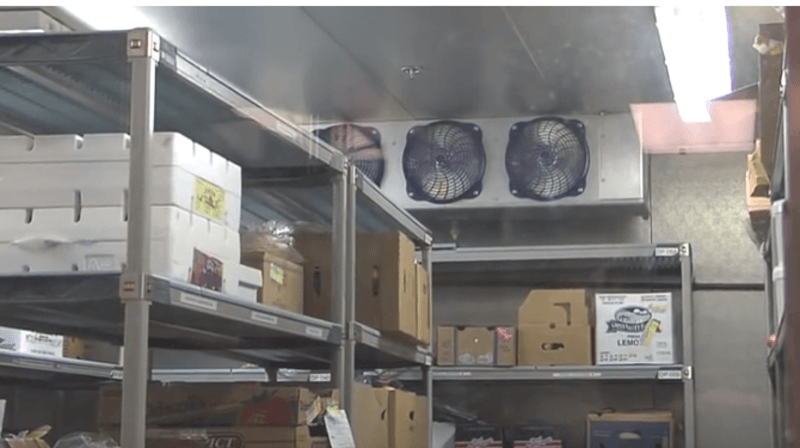
Your refrigeration is vital to your operation. During the summer, refrigeration systems work harder than any other time of the year, and, if any unit fails, it means lost product and food being stored at dangerous temperature levels. Make sure you regularly inspect and clean compressors and fans. Dust and other contaminants can drastically harm efficiency and overworked compressors can burn out. Also, be aware of excess condensation, dripping water or ice forming on your compressor. These are all signs of excess humidity and overheating. Finally, monitor temperatures regularly, if you notice a spike or irregularities in temperature control, contact an expert to assess whether or not your units are in need of repair. Food safety manager training tells us that food stored in the danger zone can be loaded with harmful bacteria. If you do have any refrigeration failure, it’s best to be safe and toss product stored in the danger zone for an indeterminate amount of time.

Air ventilation systems keep your staff cool and pump hot air out of your kitchen. Clean hood vents frequently to allow them to work properly. Clogged hood vents can cause your system to work longer with poor results, setting you up for potential fan failure. If your facility uses a swamp cooler system, frequently inspect filters, water supply and fan to ensure that it’s operating properly.

When it’s hot outside, doors are frequently left open for extended periods of time, forcing your air curtain to log more hours of operation. You can reduce wear and tear by designating which door must remain closed and which are allowed to be propped open. Many also have replaceable air filters which can clog with dust and grime. Cleaning or replacing filters will increase performance and extend the life of the unit.

Do you have any tips for keeping your food protection equipment functioning its best in the heat?

ServSafe and Salmonella on Papayas

ServSafe and Salmonella on Papayas

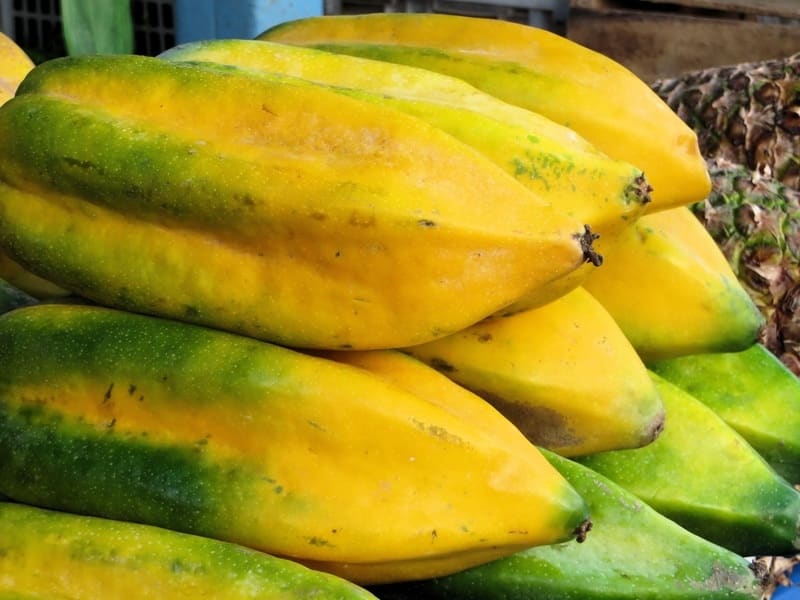
At Safe Food Training, we keep a close eye on food-borne illness outbreaks in the news and are finding more and more salmonella cases as a result of tainted produce. The most recent salmonella outbreak to hit the United States has come as a result of contaminated papayas imported from Mexico. While Salmonella is most commonly associated with undercooked eggs and poultry, ServSafe food managers should take extra care when handling produce like Papayas to avoid spreading illness such as Salmonella from unlikely sources.

ServSafe and Salmonella on Papayas
Image credit: PXhere

ServSafe Food Managers and Salmonella in Produce

According to the FDA’s statistics from this most recent Salmonella outbreak, tainted papaya sickened at least 62 consumers with 23 of those requiring hospitalization across eight different states. This recall did not result in a mandatory recall, but FDA recommendations included in this alert advise throwing away any papaya from tainted batches.

It does not appear, however, that Minnesota has been included in the list of states that have reported illnesses, but cases like this can serve as a lesson that just because an ingredient isn’t often associated with a specific food-borne illness there’s no guarantee that it avoided any type of contamination during packing or shipping.

So far in 2019, the FDA has identified five major salmonella outbreaks in the United States. One from ground turkey, a familiar source of salmonella, one from frozen tuna and three from non-animal product. Along with papayas, we’ve also seen outbreaks in cut melons and tahini sicken customers who consumed these items. So how can ServSafe food managers in Minnesota keep their guests safe when foodborne illness, like salmonella, can come from papayas or just about anywhere?

First, wash all produce before processing. Even if the fruit has a rind or peel that will not be served to guests, contaminated peels can transfer bacteria to cutting boards, countertops and knives. An uncontaminated knife can pick up bacteria on the skin of fruits and vegetables and then transfer it to the edible portion as it slides through the flesh of the product.

Finally, pay attention to the news and check the FDA recall list often. We realize that ServSafe food managers have a lot on their plate, but taking a few seconds to frequently check FDA recalls could prevent your guests from consuming a product known to be tainted.

What precautions do you take to prevent spreading Salmonella infections from unlikely sources?

Safe Food Act

The Safe Food Act and Streamlining National Food Safety

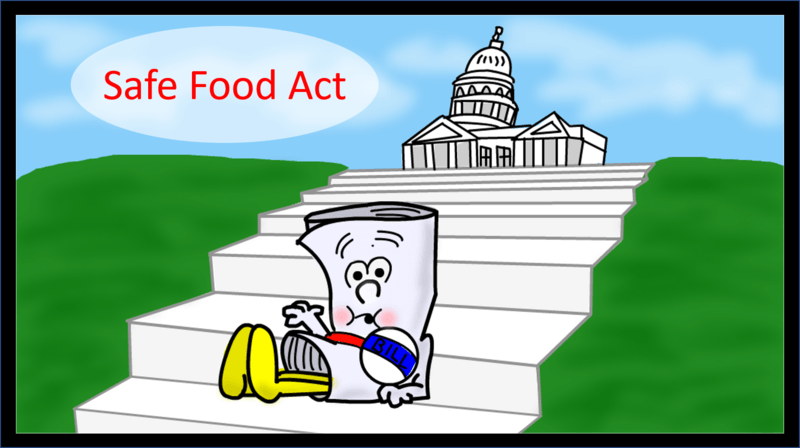
Currently, the responsibility of food safety oversight of food products imported, grown and produced in the United States is split between 15 different agencies. In late June, Sen. Dick Durbin (D-IL) and Rep. Rosa DeLauro (D-CT) have once again introduced their Safe Food Act, a bill that aims to streamline federal food safety operations by consolidating these 15 agencies into a single, independent agency. This week, we’ll explore this bill and briefly summarize how the current federal food safety process works.

Safe Food Act
Image Credit: https://www.sketchport.com/user/149001/shelly

New Safe Food Act Details

The bill itself is 81-pages long and chock full of complex language, but we can pull out a few highlights to summarize what this bill intends to accomplish.

  • Establish a single food safety agency
  • Improve the import inspection process
  • Require product traceability to quickly identify the source of outbreaks
  • Develop data sharing to learn more about outbreaks and foodborne illness

The sponsors of this bill are concerned that the current food safety system is too fragmented to be incredibly effective. The FDA and USDA are responsible for different aspects of regulation and inspection while the CDC also becomes involved in the event of an outbreak. There are also several sub-agencies that are involved in the overall process. The lawmakers feel that consolidating these agencies will put all of the information at the fingertips of one agency reducing gaps in coverage.

With numerous outbreaks occurring from product from out of the country, the Safe Food Act aims to improve the inspection process of foreign product before contaminated food reaches the market.

Finally, this bill will aim to provide a system to learn more about foodborne illness outbreaks. If the source of an outbreak can be traced quickly, product can be recalled and removed faster than under the current system. Data tracking and sharing also gives greater insight that can be used to counter the effects of outbreaks in the future.

This isn’t the first time lawmakers have suggested consolidating all of the federal food safety agencies under one roof. The Safe Food Act was previously introduced by these same senators in 1999, and the White House called for the simplification of the food safety inspection and outbreak prevention process in 2018.

Do you feel a consolidated food safety agency will reduce foodborne illness, or do you believe multiple agencies provide us better protection?