Will food safety ratings be the defining issue of the 2020 election?

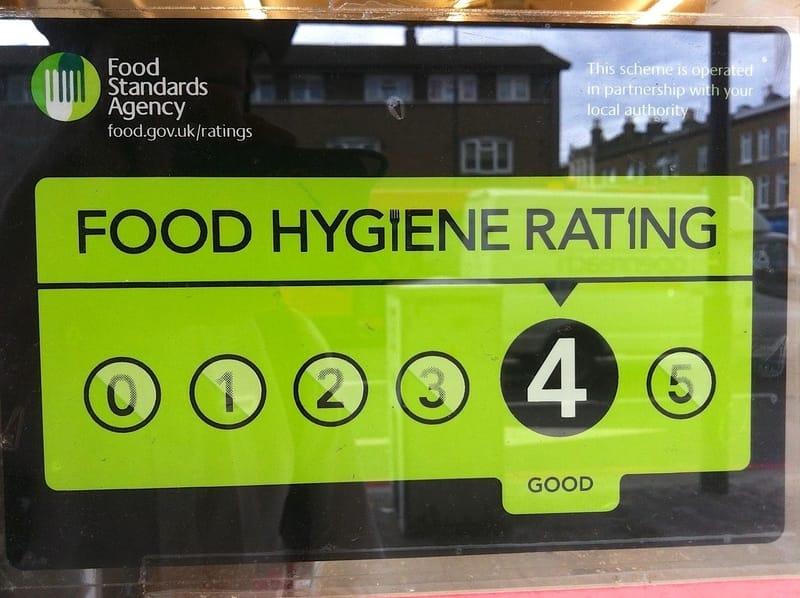
In a recent interview on The Tonight Show with Jimmy Fallon , Presidential candidate Mike Bloomberg mentioned health and food safety (3:34) as one of the pressing issues our country needs to address. During the discussion, he referenced New York City’s requirement to post food safety ratings in the entryway so customers can see just how well their favorite local restaurants performed on their last health inspection. New York isn’t the only city to post-inspection grades, as several states and municipalities also require restaurants to post their grades. It makes us wonder, would this requirement improve food safety in our state?

Food Safety Rating near entrance

Public Food Safety Ratings

When assessing the effects of any new regulation, our goal is to assess whether or not it will be effective in keeping food safe. Will an easily viewable public disclosure of health inspection results keep the food served in local restaurants safe and improve the overall risk of foodborne illness?

This is one case where certified food protection managers can use food safety training to not only to prevent foodborne contamination but to bring in more revenue. If your restaurant receives a two out of five stars, a C- or sickly gray face, customers may choose to move on, but if your restaurant is getting an A+, it won’t only be a deciding factor in drawing in guests, it’s probably something they’re going to tell their friends about.

This may also put added pressure on certified food protection managers to ensure that there are no lapses in food safety training. A health inspection usually comes unannounced and unexpected. If your staff is continually following health department protocols to the letter, you should have nothing to worry about. Without publicly posted food safety ratings, there may be less pressure to provide thorough training on every aspect of food safety. One slip could reduce your grade, and even if you take steps to address issues following your health inspection, potential customers will see your low grades until your next review.

How would you feel about having your restaurant’s food safety ratings posted where all of your guests can see?

ServSafe Food Managers Keep Food Safe

How ServSafe Food Managers Keep Food Safe During High Volume

Once February 14th hits, ServSafe food managers can expect their business double, triple or even quadruple for a few days compared to the norm. We believe food safety protocols should be followed to the letter no matter how busy it is, so this week we’ll take a look at common lapses during high volume and how ServSafe food managers can keep food safe

ServSafe Food Managers Keep Food Safe
Image credit: weedezign via 123 RF

ServSafe Food Manager Certification Standards for Food Safety While The Kitchen Is At Capacity

When we get busy, we sometimes tend to focus on our main goal, and when it’s food service on one of the busiest days of the year we’re talking about getting food to guests as quickly as possible so we can move on to the next order. It doesn’t matter if your receipt printer has spit tickets out in a string that reaches the floor or if you have a VIP at table three, food safety should be a high priority. Here are the two biggest neglected issues we see when restaurants get busier than average.

  • Handwashing
  • Barehand contact

Every ServSafe manager and food service employee should have it engrained in their mind to wash their hands frequently, and during exceptionally busy nights, handwashing can be neglected or just improperly performed. Handwashing needs to happen often, and it needs to be done right. We’re not talking about a quick rinse in lukewarm water with a dab of soap, we’re talking about proper 20-second handwashing with plenty of soap and hot water. We get it, 20 seconds seems like an eternity with servers pestering cooks looking for an ETA on their favorite guests’ meals or when the ding of the order printer ceaselessly calls you back to the line, but 20 seconds could be the difference between safe food and a sick guest.

Barehand contact rules can also be easily forgotten under duress. Tongs or gloves must be used when handling ready-to-eat foods and hands must be washed when changing gloves. To keep this freshly in your staff’s mind, make preparations to stock extra boxes of single-use food-service gloves anywhere in the kitchen where they’ll be used. Remind your employees that gloves are no substitute for handwashing after using the restroom, eating or handling raw ingredients.

Do you have any other tips to help fellow ServSafe food managers keep their food products safe this Valentine’s Day?

Hard-Boiled-Egg-Recall

The Problem with the Hard-Boiled Egg Recall for ServSafe Managers

Recently, a listeria outbreak lead to a major recall of hard-boiled eggs produced by a company that supplies their product to restaurants, food processors and retailers. We’ve looked into this recall, and it appears that while some of these precooked hard-boiled eggs did make their way to grocery store shelves, most of them were shipped to food service establishments, and in some cases food preparers that have used these eggs as ingredients in other prepackaged ready-to-eat products. These kinds of recalls send up a red flag for us since ready-to-eat food recalls tend to escape the notice of ServSafe managers.

Hard-Boiled Egg Recall

Image credit: Wikimedia Commons

ServSafe Managers and the Hard-Boiled Egg Recall

One of the biggest issues with the recall of a product such as pre-cooked hard-boiled eggs is awareness. Most of the recalls that draw the attention of ServSafe food managers involve raw product such as romaine lettuce, ground meats and other items used as ingredients. These outbreaks are usually wider spread and grab national headlines.

As stated in the FDA report, one major component of this recall included eggs shipped in five-pound containers for use in foodservice. Many operations bring in already cooked hard-boiled eggs as a time saver if they include whole eggs as part of breakfast service or prepare menu items made from hard-boiled eggs. The extent of this recall should be a wakeup call that foodservice professionals must be more vigilant with all ready-to-eat product they bring in to serve to guests and use as ingredients for certain recipes.

If you use precooked product in your establishment, you should frequently take a look at the FDA’s recall list. While many recalls of ready-to-eat food involve products shipped directly to grocery stores and consumers rather than food service businesses, there are times when contaminated prepared product ends up in industrial kitchens. Awareness and keeping alert for any recall will help prevent the spread of foodborne illness outbreaks.

Do you use already prepared product in your business?

Healthy Menu Trends for 2020 and Certified Food Managers

2020 is upon us, and the time has come for MN certified food managers to consider menu trends, assess their menus and evaluate if they’ve designed a menu that’s going to bring in new customers and keep their regular clientele happy. We’ve talked with industry professionals and taken a close look at forecasted trends, and we’ve discovered that many insiders believe that many restaurant menus will become healthier and simpler in the coming year.

2020 Menu Trends and Certified Food Managers

Image Credit: tang90246 via 123rf

Forecasted Restaurant Menu Trends for 2020 Impact Certified Food Managers

While there will always be a niche for nearly any menu strategy, we’ve heard a few professionals speculate five things will be key to keeping a loyal clientele in 2020.

  • Fewer Menu Choices
  • Simpler Dishes with Small Portion Sizes
  • More Vegetarian, Vegan and Gluten-Free Dishes
  • Clear Menu Labeling
  • Seasonal Menu Rotation

The concept of smaller menus has been growing in popularity for several years. A streamlined menu not only helps guests make easy decisions but also helps your bottom line. With limited dishes, MN certified food managers have the opportunity to reduce waste by keeping a limited selection of product on hand rather than gambling on keeping an inventory full of ingredients for dishes that guests may never order.

Guests are more and more frequently searching for meals that help contribute to a healthy lifestyle. Smaller portions, simpler recipes and meals that fit certain dietary needs are increasingly in demand. You may want to consider creating a portion of your menu with dishes on the lighter side, this will attract guests who are looking to save on calories when dining out.

Diners are increasingly searching for establishments that serve vegetarian, vegan, gluten-free and keto-friendly menu items, and including these types of dishes on your menus can attract repeat customers. But is simply having these types of menu items available enough? We suggest clearly labeling these items so guests don’t have to make their best guess or take the time to ask their servers a myriad of questions about every dish that could possibly fit their dietary preferences.

Finally, many potential patrons seek restaurants that use local and fresh ingredients. Rotating your menu to fit what local and sustainable ingredients are currently available will heighten your appeal to customers who value fresh and locally sourced ingredients. It may even benefit you to mention food sourced from local farms directly on your menu.

As a certified food manager will 2020 menu trends affect your menu designs?