
COVID 19

The Truth About Date Labels For Certified Food Safety Managers

For certified food safety managers, accurately interpreting date labels is essential for effective inventory management, regulatory compliance, and ensuring consumer safety. With varying terminology across products and jurisdictions, such as expiration dates, use by dates, and sell by dates, understanding the specific implications of each date label type is crucial for effective food safety programs.

“Use By” Date Labels: Are The Key Deadline For Certified Food Safety Managers

“Use By” dates represent the manufacturer’s estimation of when a product may no longer be safe to consume. These dates are typically applied to highly perishable items and foods with potential microbiological concerns. From a certified food safety perspective, “Use By” dates should be treated as strict cutoffs:

  • Products exceeding “Use By” dates should be discarded
  • No service or sale of these items should occur after this date
  • Documentation of proper disposal is advisable for audit purposes

This is the most critical date label for safety management as it directly correlates to potential microbial growth and pathogen concerns. When it comes to date labels, this is the only true date of expiration for certified food safety managers.

“Sell By” Dates: Inventory Management Tool

Date Labels Certified Food Safety Managers

Image by Anastasiya Badun from Pixabay

“Sell By” dates primarily serve as inventory management guides for retailers, not safety indicators for consumers. These dates help ensure product turnover while items maintain optimal quality. For certified food safety managers:

  • Products can typically be consumed safely after the “Sell By” date
  • Establish internal protocols for how long after “Sell By” dates items may remain in inventory
  • Staff training should clarify that these dates relate to quality, not necessarily safety
  • Documentation should include both “Sell By” dates and your establishment’s disposition timelines

“Best By” Dates: Quality Indicators

“Best By” or “Best Before” dates indicate when a product will maintain optimal flavor, texture, and nutritional value. These dates reflect quality considerations rather than safety concerns, particularly for shelf-stable items. Implications of Best By date labels for certified food safety managers include:

  • Products are generally safe to consume after “Best By” dates if properly stored
  • Sensory evaluation protocols should be established for products nearing or exceeding these dates
  • Quality degradation may occur, potentially affecting customer satisfaction

Certified Food Manager Implementation Strategies for Different Date Label Types

Effective date label management requires:

  • Clear, documented policies for each date label type
  • Regular staff training on interpretation and procedures
  • Systematic rotation protocols (FIFO/FEFO) aligned with label types
  • Internal verification procedures that prioritize “Use By” dates

By implementing these practices for expiration dates, certified food safety managers can maintain regulatory compliance while balancing safety requirements with waste reduction initiatives in their operations.


Urgent Warning: The Hidden Danger of Campylobacter That Could Devastate Your Business!

Campylobacter is one of the most prevalent bacterial causes of foodborne illness globally, making it a critical concern for food safety management systems. Understanding this pathogen’s characteristics, transmission routes, and control measures is essential for protecting consumers and maintaining regulatory compliance as a food safety manager.

Microbiological Profile of Campylobacter

The Hidden Danger of Campylobacter That Could Devastate Your Business!
Image credit: tiverylucky via 123rf

Campylobacter is a gram-negative, microaerophilic bacteria with multiple species, though Campylobacter jejuni causes approximately 90% of human campylobacteriosis cases. This pathogen thrives in reduced oxygen environments and has specific growth parameters:

  • Optimal growth temperature: 41-42°C (105-107°F)
  • Growth range: 30-45°C (86-113°F)
  • Cannot multiply below 30°C but remains viable in refrigeration
  • Sensitive to standard cooking temperatures (destroyed at 165°F/74°C)
  • Cannot tolerate drying or freezing well, but survives in water and humid environments

Transmission and High-Risk Foods

Campylobacter’s primary reservoir is the intestinal tract of animals, particularly poultry. For food operations, critical transmission vectors include:

  • Raw and undercooked poultry (particularly chicken)
  • Cross-contamination from raw poultry to ready-to-eat foods
  • Unpasteurized milk and dairy products
  • Contaminated water sources
  • Inadequately cleaned food contact surfaces

Illness Characteristics from Campylobacter

Campylobacteriosis typically manifests 2-5 days after exposure with symptoms including diarrhea (often bloody), abdominal pain, fever, and vomiting. While most cases resolve within a week without treatment, immunocompromised individuals may experience severe illness or complications including Guillain-Barré syndrome in rare cases.

Critical Control Measures

Effective Campylobacter control requires:

  1. Temperature management: Ensure thorough cooking of poultry to at least 165°F (74°C)
  2. Cross-contamination prevention: Implement strict segregation procedures between raw poultry and ready-to-eat foods, including dedicated equipment and work areas
  3. Supplier verification: Establish specifications for incoming poultry products and supplier interventions
  4. Environmental monitoring: Focus on potential harborage sites, particularly in areas where raw poultry is handled
  5. Handwashing protocols: Emphasize hand hygiene after handling raw poultry products
  6. Sanitation validation: Verify sanitizer efficacy against Campylobacter in your cleaning protocols

Implementation in Food Safety Systems

Within your HACCP or food safety plan, Campylobacter control should be addressed through:

  • Specific critical control points for cooking temperatures
  • Prerequisite programs addressing cross-contamination
  • Employee training on the unique risks of this pathogen
  • Verification activities including environmental monitoring

By implementing these targeted controls, food safety managers can significantly reduce Campylobacter risks while maintaining operational efficiency in their establishments.

CFPM Distinction for Certified Organic

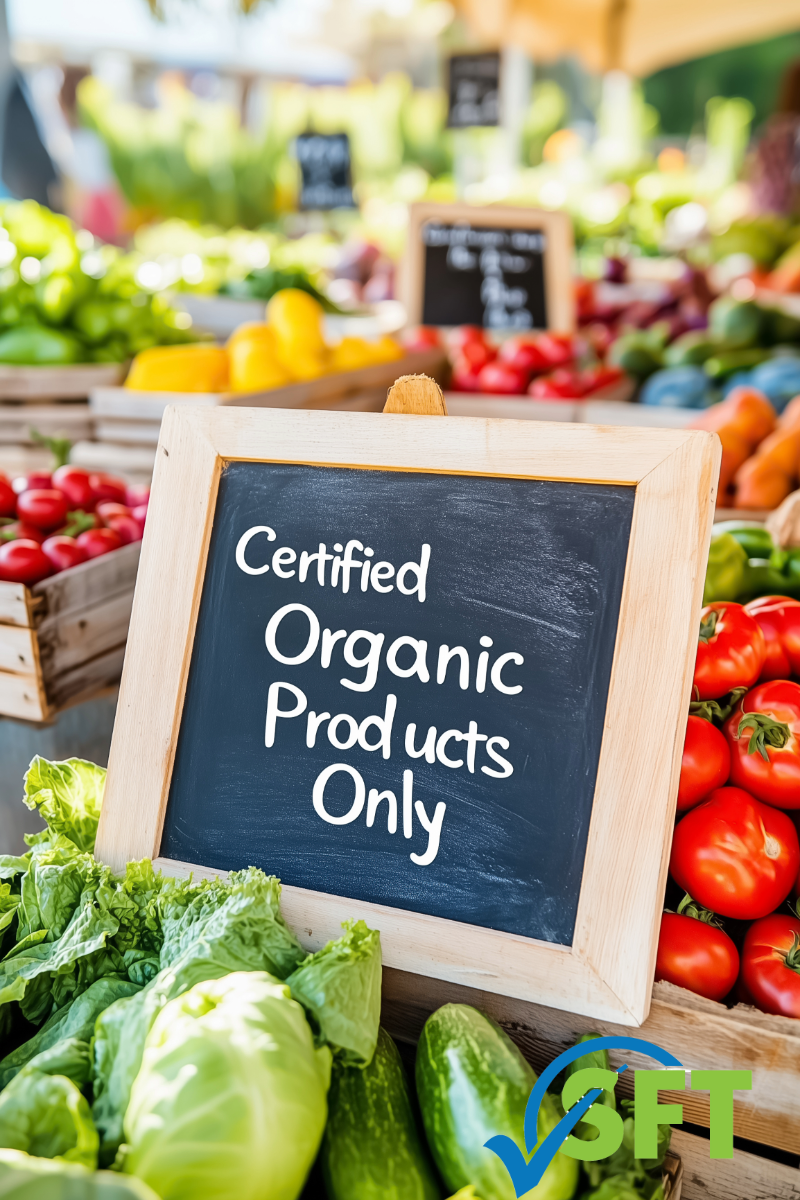
Organic vs Certified Organic: CPFMs Get The Shocking Truth You Need To Know

organic vs certified organic

Organic vs. Certified Organic-Know the difference.

As a certified food protection manager in Minnesota, you are the frontline defense for public health and your establishment’s reputation. With consumer demand for organic products on the rise, it’s essential to understand the critical regulatory difference between products labeled as “organic” versus those that are “certified organic.” This distinction directly impacts your operational compliance, labeling accuracy, and the trust your customers place in you.


The Ambiguity of "Organic" Claims

In contrast, the term “Certified Organic” is a legally protected claim. Products bearing this label have undergone a rigorous verification process to ensure they comply with the USDA’s National Organic Program (NOP) standards. Consumers highly trusted the USDA Organic seal, making it a valuable asset for their food businesses.

  • Rigorous Third-Party Verification: Achieving certification is a complex and rigorous process. It involves detailed documentation of all farming practices, regular on-site inspections by an accredited agent, soil and water testing, and a clear chain of custody to prevent cross-contamination.
  • Guaranteed Standards: The USDA Organic seal guarantees that the food was produced without prohibited substances, including most synthetic pesticides and fertilizers. It is a clear and enforceable standard that you can rely on.
  • Enhanced Consumer Trust: Displaying the USDA Organic seal shows your commitment to transparency and quality. It helps you build a trusted reputation with your customers, which is a critical component of a successful food business.

Why "Certified Organic" Matters for a Certified Food Protection Manager

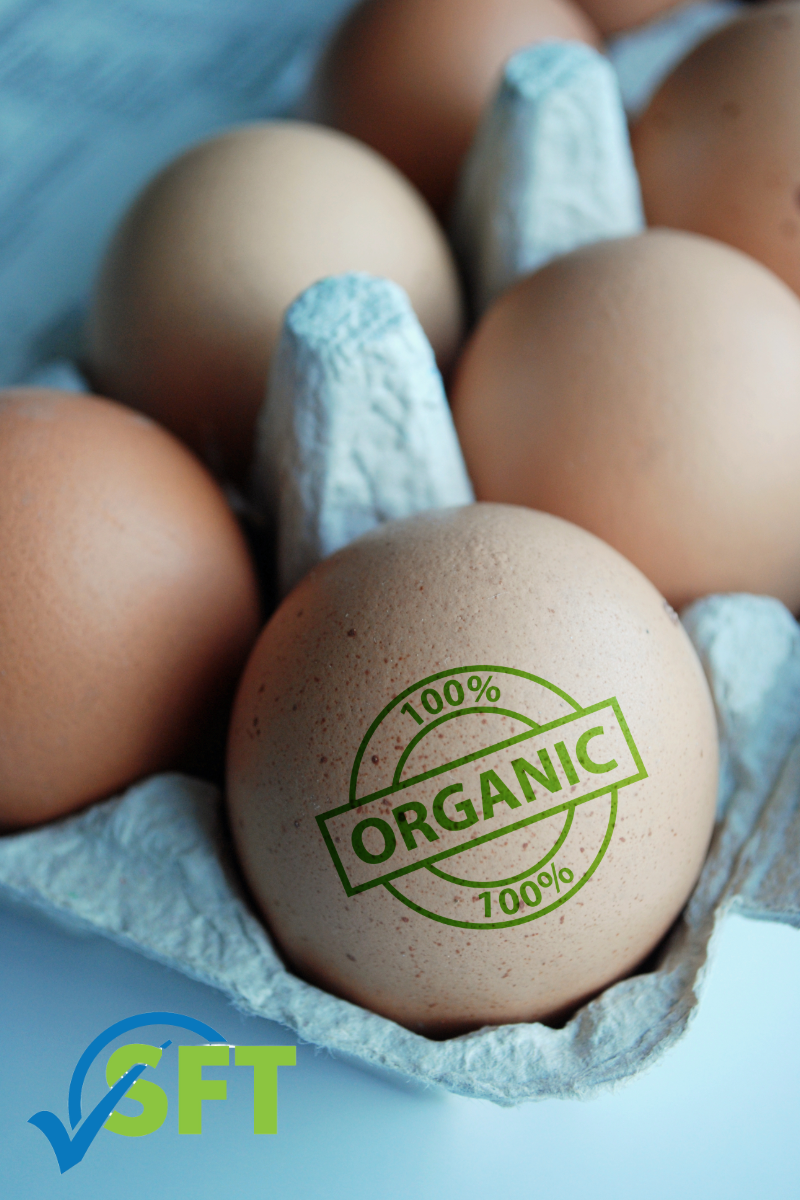
Organic vs. Certified Organic-3-Organic vs. Certified Organic

Organic vs. Certified Organis: What you need to know.

In contrast, the term “Certified Organic” is a legally protected claim. Products bearing this label have undergone a rigorous verification process to ensure they comply with the USDA’s National Organic Program (NOP) standards. Consumers highly trusted the USDA Organic seal, making it a valuable asset for their food businesses.

  • Rigorous Third-Party Verification: Achieving certification is a complex and rigorous process. It involves detailed documentation of all farming practices, regular on-site inspections by an accredited agent, soil and water testing, and a clear chain of custody to prevent cross-contamination.
  • Guaranteed Standards: The USDA Organic seal guarantees that the food was produced without prohibited substances, including most synthetic pesticides and fertilizers. It is a clear and enforceable standard that you can rely on.
  • Enhanced Consumer Trust: Displaying the USDA Organic seal shows your commitment to transparency and quality. It helps you build a trusted reputation with your customers, which is a critical component of a successful food business.

Best Practices for Handling Organic Products in Your Operation

Incorporating certified organic products requires more than just purchasing them; it demands specific handling procedures to maintain their integrity throughout your operation. As a food manager, implementing clear protocols is crucial to ensuring compliance and delivering on the promises made on your menu.

  • Verify at Receiving: Train your staff to do more than just check for quantity and temperature upon delivery. They must learn to identify the USDA Organic seal or other recognized certification marks on packaging and cross-reference them with invoices. Do not accept a supplier’s verbal claim alone.

  • Prevent Cross-Contact: Maintaining organic integrity is like managing allergens. Implement procedures for separate storage, preparation surfaces, and utensils for certified organic ingredients to prevent contact with conventional foods.

  • Ensure Accurate Labeling and Training: If you label a menu item as “certified organic,” every ingredient within that item must meet the standard. Train your team on these handling requirements to ensure they understand the importance of maintaining organic integrity from the stockroom to the customer’s plate.

Understanding these distinctions is essential for any certified food protection manager seeking to ensure regulatory compliance and establish a brand centered on trust. Protecting your customers and your reputation starts with expert knowledge. Ensure you and your team are prepared to meet Minnesota’s food safety standards by enrolling in our personalized, instructor-led certified food protection manager course

Contact Safe Food Handling Minnesota today to schedule training for your team.

person throwing up

Foodborne Illness Cases Are Spiking: What MN Managers Need to Know

In the pa

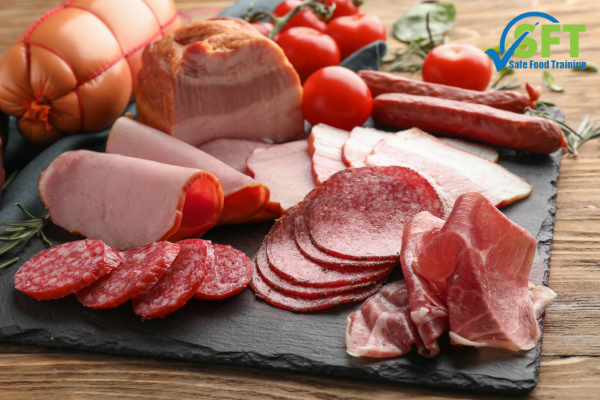
deli meat foodborne illness

Are you updated on all recalls?

The Bottom Line 

Recent data show a 25% increase in foodborne illness cases across the U.S., driven largely by high-profile outbreaks involving Listeria and Salmonella. For Minnesota food managers, this surge underscores a critical reality: trust in the supply chain is not enough. Rigorous internal protocols, specifically temperature control and supplier verification, are your kitchen’s only true defense against contaminated product.

The Surge: Recent Outbreaks You Can't Ignore

In the past year, we have witnessed a troubling rise in large-scale recalls. These aren’t just minor isolated incidents; they are systemic failures affecting millions of pounds of product.

Three Major Cases Every Manager Should Know:

person throwing up

Know the recalls and help prevent illness.


  • Boar’s Head (Listeria): After a liverwurst sample tested positive for Listeria, authorities triggered a massive recall of over 7 million pounds of deli meats and poultry. This outbreak led to hospitalizations across multiple states, underscoring that even “ready-to-eat” foods pose a significant risk.

  • Lyons ReadyCare (Listeria): Frozen supplemental shakes served in healthcare settings were linked to 12 deaths and 38 infections. This tragedy emphasizes the vulnerability of high-risk populations (like nursing home residents) to foodborne pathogens.

  • Raw Farm LLC (Salmonella): An ongoing outbreak linked to raw milk products has sickened at least 165 individuals since 2023. This case serves as a stark reminder of the dangers inherent in unpasteurized dairy.

By the Numbers: Why Risk Is Rising

The statistics are alarming. In 2024 alone, reported foodborne illnesses jumped by 25% compared to the previous year.

man in hospital

Prevent foodborne illnesses by keeping a close eye on recalls!

  • Illnesses: 1,392 reported cases.

  • Hospitalizations: More than doubled (rising from 230 to 487).

  • Deaths: Increased from 8 to 19.

Why is this happening?


Experts point to a mix of infrastructural issues, regulatory gaps, and staffing shortages in inspection agencies. In short, the safety net is strained, meaning the last check often falls on you, the kitchen manager.

Manager Takeaway: The "Jeff Factor"

In my years of teaching, I have seen recalls come and go, but the numbers we are seeing now are different. When the supply chain falters, your kitchen protocols must be airtight.

Here is what you need to do tomorrow:

FDA

The FDA and USDA list recalls on their websites.


  1. Check Your Recalls: Don’t wait for a letter. actively check the FDA/USDA recall lists weekly.

  2. Verify Suppliers: If you are sourcing specialty products (like raw milk or local meats), ensure they have rigorous testing in place.

  3. Refresher Training: Remind staff that “pre-cooked” or “deli” doesn’t mean “risk-free.” Cross-contamination at the slicer can turn a single contaminated loaf into a widespread outbreak.

Frequently Asked Questions (FAQ)

Common questions I get include:

How can I stay updated on food recalls in Minnesota?

The most reliable sources are the FDA Recall List and the Minnesota Department of Health website. We also include major alerts in our Safe Food Training newsletters.

Does washing deli meat kill Listeria?

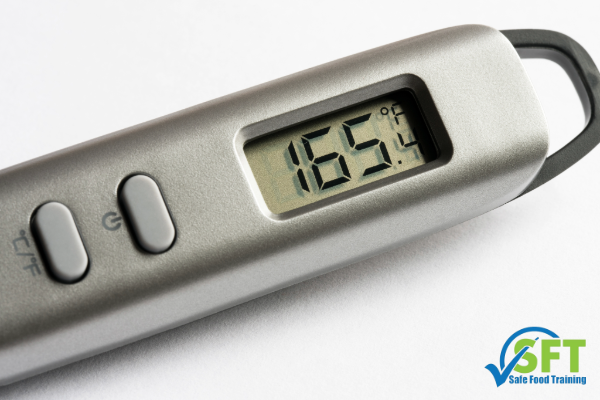
165 thermometer temp

Know the temperature that kills pathogens and bacteria.

No, you can only kill Listeria by cooking it to 165°F. Washing meat creates a cross-contamination risk by splashing bacteria onto sinks and countertops.

Why are illnesses increasing even with more regulations?

Regulations exist, but there are not enough enforcement resources. Additionally, our food supply chain is more complex than ever, meaning a single contamination event at a large facility (like Boar’s Head) can instantly affect distribution nationwide.

Why Trust Safe Food Training?

Building on a 20-Year Legacy of Food Safety Excellence.

Safe Food Training has been a cornerstone of Minnesota’s food safety community for over two decades. While ownership transitioned to Jeff Webster in 2025, our mission remains unchanged: to provide the highest standard of education to the state’s food professionals.

  • Proven Track Record: We have helped thousands of managers earn their certifications.

  • Local Focus: We understand Minnesota-specific codes and challenges.

  • Flexible Learning: From the Twin Cities to Duluth, Alexandria, and Brainerd, we bring the classroom to you.

Need to renew your certification?


View our upcoming course schedule!