
Entries by Jeff Webster

A CFMs Guide to the 2025 Romaine Lettuce and E. Coli

Romaine lettuce and E. Coli

Avoid serving crispy Romaine lettuce and E. Coli at your event with these tips!

In the ever-evolving landscape of food safety, staying informed about current risks is a critical responsibility for every Certified Food Protection Manager. As we navigate 2025, it’s crucial to understand the ongoing concerns surrounding romaine lettuce and E. coli contamination. Recent events have underscored the need for heightened diligence in our sourcing and handling procedures to protect public health effectively.

The persistence of pathogens in leafy greens requires that we, as industry leaders, remain proactive. This means we must be exceptionally thorough in our safety protocols. However, you’re in luck! This guide provides an overview of the current situation, highlights specific risks, and offers actionable steps for your establishment.

Understanding the Recent Romaine Lettuce and E. coli Outbreak

A significant, though not widely publicized, E. coli O157:H7 outbreak linked to romaine lettuce occurred in late 2024.

The incident led to:

  • Nearly 100 illnesses across 15 states
  • 36 hospitalizations
  • Tragically, one death

While federal agencies concluded their investigation in early 2025, the lack of a broad public announcement has left many food safety professionals seeking clarity. Specifically, this event serves as a powerful reminder that leafy greens remain a high-risk food category. Additionally, the CDC has previously estimated that over half of all E. coli O157:H7 illnesses originated from vegetable row crops, such as lettuce.

  • Why it matters: Undisclosed outbreaks mean that contaminated products could have been handled in facilities without staff being aware of the specific risk, reinforcing the need for consistent, universal precautions.
  • Lack of transparency: The decision not to name the specific producer involved in the 2024 outbreak makes complete traceability challenging for on-the-ground managers.
  • Historical Context: This is not an isolated issue. Between 2009 and 2018, the U.S. and Canada saw 32 confirmed or suspected E. coli outbreaks linked to leafy greens, demonstrating a persistent vulnerability in the supply chain.

The Elevated Risk of Pre-Cut and Processed Lettuce

However, as a CFSM, it’s vital to recognize that the risk is not uniform across all types of lettuce. Health experts and scientific studies indicate an increased risk associated with pre-bagged and chopped lettuce products. The physical act of chopping or tearing leaves creates more entry points for pathogens and releases plant juices that can act as a nutrient source for bacteria.

  • Cellular Damage: Research has shown that E. coli populations can multiply significantly more on damaged or cut lettuce leaves compared to intact ones. One study found pathogen growth was over 10 times higher on shredded lettuce than on whole leaves.
  • Regulatory Classification: Because of these risks, the FDA classifies pre-cut, washed, and packaged leafy greens as a “Potentially Hazardous Food (PHF)” that requires strict time and temperature control for safety (TCS).
  • Cross-Contamination Potential: Centralized washing and processing of large batches of lettuce means that if one head is contaminated, the pathogens can easily spread to the entire lot.

Proactive Safety Measures for Your Establishment

Romaine lettuce and E. Coli

Don’t serve romaine lettuce and E. coli for your appetizer.

Given the current concerns, every food service establishment must reinforce its safety protocols for leafy greens. Complacency is the enemy of food safety. As a manager, you are the first line of defense in preventing foodborne illness. Implement and rigorously enforce the following procedures. Here are some tips to reduce romaine lettuce and E. coli outbreaks:

  • Verify Your Source and Inspect Deliveries: Work closely with your suppliers to understand their safety protocols and procedures. Upon delivery, meticulously inspect all leafy greens. Reject any shipments that are not properly refrigerated. This means cut greens must be 41°F or below. Additionally, it includes lettuce with signs of damage, wilting, or decay.
  • Enforce Strict Handling and Preparation Rules:
  • Washing: Wash whole heads of lettuce thoroughly under clean, running water before they are cut. Do not re-wash products that are packaged and labeled as “ready-to-eat.
  • Cross-Contamination: Use dedicated, sanitized cutting boards, knives, and utensils for all produce to prevent contact with raw meat or other contaminants.
  • Hygiene: Ensure all staff follow impeccable handwashing procedures before and after handling produce.
  • Prioritize Temperature Control: The moment lettuce is chopped or cut, it must be maintained at or below 41°F to inhibit bacterial growth. Regularly monitor and log temperatures in your storage units to ensure compliance and safety.

The role of a Certified Food Protection Manager extends beyond daily operations. It’s about creating a culture of safety and vigilance. These recent outbreaks with romaine lettuce and E. coli are a clear signal that we must continuously refine our standards.

Protect your customers and your reputation. If you and your team need to renew your credentials or achieve initial certification, consider our personalized 8-hour food manager courses. Safe Food Training offers expert, instructor-led options tailored to the specific needs of professionals in Minnesota. Book your continuing education or initial certification training now.

 

Bird Flu in 2025: What Every Certified Food Protection Manager Needs to Know

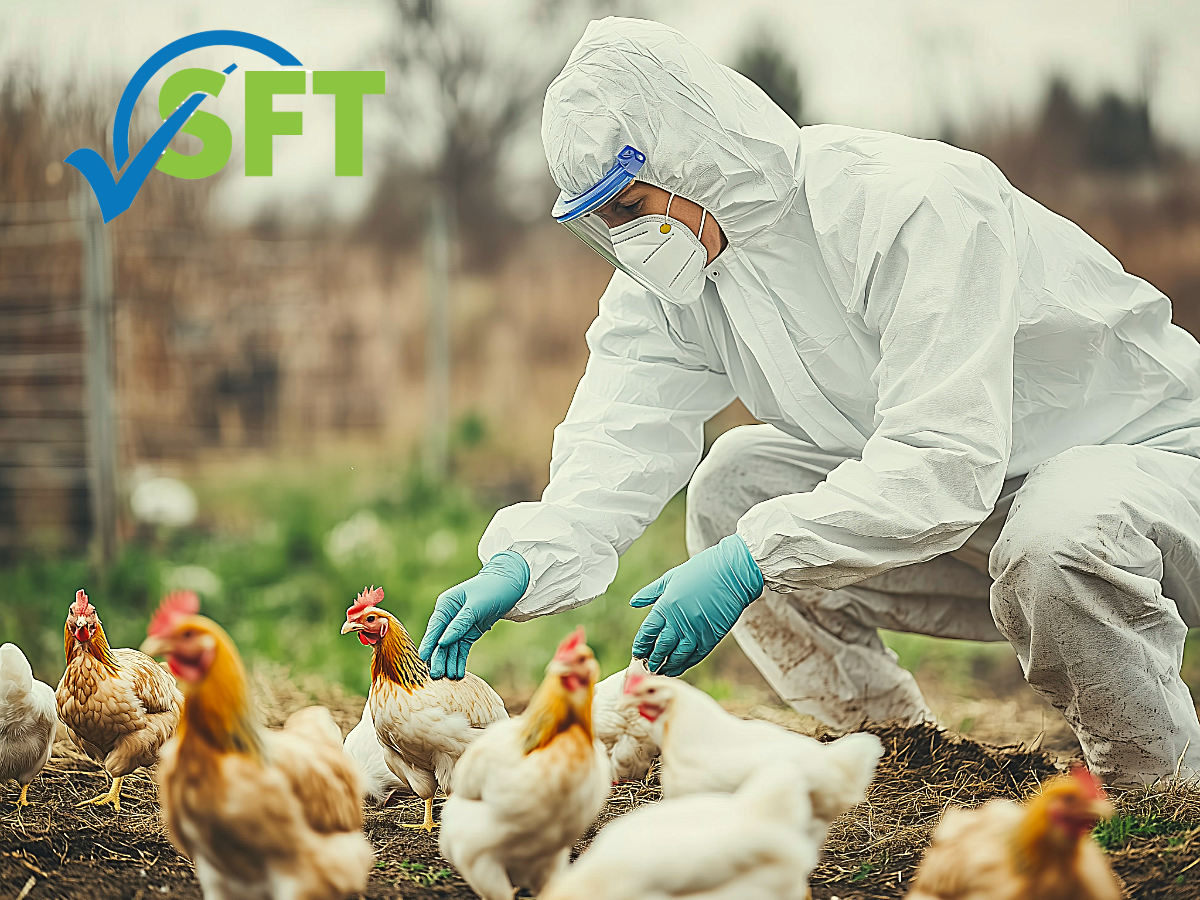
Guy in protective gear examining a chicken.

Don’t worry about the bird flu. Just prepare food at safe temperatures!

As we progress through 2025, the ongoing avian influenza (H5N1) situation, commonly referred to as bird flu, continues to require the attention of food service professionals across Minnesota. For the certified food protection manager, understanding the risks and reinforcing safety protocols is fundamental to protecting public health. Your role in upholding Minnesota food safety standards is more critical than ever, despite the low public threat.

The good news is that established food safety practices are highly effective against the virus. Properly handling and cooking poultry to an internal temperature of 165°F kills the avian influenza virus, which means your standard procedures are your best defense.

Understanding the Current Situation

It’s essential to stay informed without becoming alarmed. The CDC’s risk assessment for the H5N1 virus has stated that the risk to the general U.S. population is low. However, vigilance in a professional setting is key. 

The situation remains dynamic, with the user-provided draft noting 70 confirmed human cases and one death in the U.S. as of late June 2025. This highlights the need for stringent professional standards.

  • Impact on Supply: The poultry industry has been significantly affected, with millions of birds impacted by Highly Pathogenic Avian Influenza (HPAI). This can impact supply chains and underscore the importance of diligence in sourcing products.

  • Low Transmission from Food: Health authorities have consistently emphasized that properly handled and cooked poultry and eggs are safe to consume. The system of inspection and safe handling protocols helps ensure affected products do not enter the food supply.

  • Focus on Prevention: For the certified food protection manager, the focus is not on the field-level outbreak itself, but on preventing cross-contamination and ensuring all poultry products reach a safe cooking temperature.

Key Minnesota Food Safety Protocols for Avian Flu Prevention

Your leadership in implementing and enforcing food safety measures is the most powerful defense. Re-emphasize these core principles with your team to address any concerns related to avian flu and other foodborne pathogens.

  • Verify Your Sources: Now is an excellent time to communicate with your suppliers. Ensure they are following rigorous biosecurity and testing measures for their poultry products. This is especially important for farm-to-table establishments that source directly from local Minnesota producers.

  • Enforce Strict Temperature Control: This is a non-negotiable kill step. Cook all poultry, including whole birds, pieces, and ground products, to a minimum internal temperature of 165°F (74 °C). Use a calibrated food thermometer to verify the temperature in the thickest part of the product.

  • Heighten Sanitation and Prevent Cross-Contamination: Raw poultry and its juices can contain various pathogens. Reinforce cleaning and sanitation protocols for all surfaces, cutting boards, and equipment that come into contact with raw chicken. Emphasize the importance of frequent and thorough handwashing for all staff after handling raw poultry.

Training Your Team for Heightened Awareness

baby chick

Certified food protection managers don’t have to worry about the bird flu if they follow proper cooking protocols!

An informed team is a safe team. As a certified food protection manager, it’s your responsibility to ensure every staff member understands their role in protecting your customers and your establishment’s reputation.

  • Communicate Clearly: Hold brief pre-shift meetings to discuss the importance of your establishment’s poultry handling and cooking procedures. Use this as an opportunity to answer questions and dispel any misinformation.
  • Focus on the “Why”: Don’t just tell your team to cook chicken to 165°F; explain that this temperature effectively destroys viruses like H5N1 and bacteria like Salmonella. A well-understood protocol is more likely to be followed.
  • Invest in Ongoing Education: The food safety landscape is always evolving. Regular training and continuing education are essential for maintaining your team’s skills and keeping them up-to-date on emerging challenges. This is a core component of maintaining a robust Minnesota food safety culture.

By staying informed and doubling down on the foundational principles of food safety, you can confidently navigate the current avian flu situation. Your expertise as a certified food protection manager is the cornerstone of a safe dining experience for all Minnesotans.

Ready to enhance your team’s knowledge or get your required certification? Safe Food Training offers personalized, instructor-led options for your food safety certification in MN and continuing education needs. 

Book your continuing education training and ensure you and your team are prepared for any challenge.

The Truth About Date Labels For Certified Food Safety Managers

For certified food safety managers, accurately interpreting date labels is essential for effective inventory management, regulatory compliance, and ensuring consumer safety. With varying terminology across products and jurisdictions, such as expiration dates, use by dates, and sell by dates, understanding the specific implications of each date label type is crucial for effective food safety programs. […]

Urgent Warning: The Hidden Danger of Campylobacter That Could Devastate Your Business!

Campylobacter is one of the most prevalent bacterial causes of foodborne illness globally, making it a critical concern for food safety management systems. Understanding this pathogen’s characteristics, transmission routes, and control measures is essential for protecting consumers and maintaining regulatory compliance as a food safety manager. Microbiological Profile of Campylobacter Campylobacter is a gram-negative, microaerophilic […]