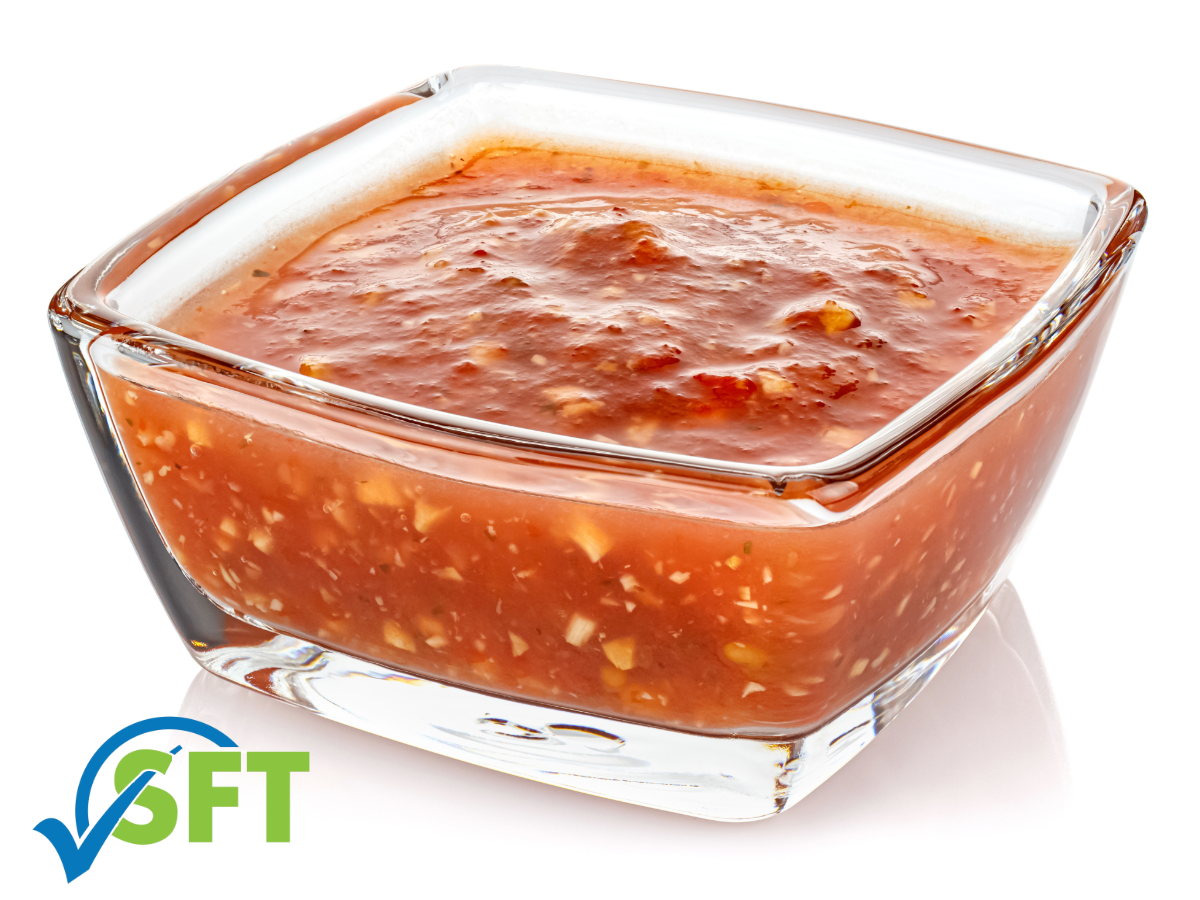

The Truth About Marinade Safety: A Guide to ServSafe MN Standards for Your Minnesota Food License
/0 Comments/in ServSafe MN, ServSafe MN safety standards/by Christine DantzMastering Marinade Safety: A Guide to ServSafe MN Standards for Your Minnesota Food License
A well-crafted marinade can elevate a dish from good to unforgettable, adding layers of flavor and essential moisture. As a certified food protection manager in Minnesota, you know that great taste must always go hand in hand with impeccable safety standards. Proper food handling is a cornerstone of your Minnesota food license, and that includes how you prepare, store, and use marinades and brines in accordance with ServSafe MN Standards.
While marinades work their magic on meats, they can also become a breeding ground for harmful bacteria if not managed carefully. Understanding these risks and implementing strict protocols is not just good practice—it’s essential for protecting your guests and your business. Let’s explore three critical areas of marinade safety.
1. Preventing Cross-Contamination
The single most significant risk associated with marinades is cross-contamination. When raw meat, poultry, or seafood soaks in a marinade, the liquid becomes contaminated with any pathogens present on the meat. According to the CDC, approximately 1 in 6 Americans falls ill from foodborne diseases each year. Many of these illnesses are preventable when a certified food protection manager enforces proper kitchen hygiene.
To ensure your marinated dishes are safe, you must treat the marinade with the same caution as the raw meat, poultry, and fish themselves.
- Isolate Your Materials: Always use dedicated, non-porous containers for marinating. Never place other foods, especially fresh produce, next to marinating items. Use separate utensils and cutting boards.
- Strategic Storage: Store marinating food on the bottom shelf of your refrigerator to prevent it from spoiling. This simple step prevents contaminated liquid from accidentally dripping onto and contaminating other foods stored below.
- Wash Your Hands Thoroughly: It’s a basic rule of any food safety certification MN program, but it bears repeating. Always wash your hands with soap and water after handling raw or marinated products.
2. The Dangers of Reusing Marinades
It can be tempting to reuse a flavorful brine or marinade to reduce food costs, but this practice is dangerous and significantly increases the risk of foodborne illness. Because raw meat contaminates a marinade, you must discard it.
- Understand Bacterial Transfer: Raw meats naturally contain bacteria, such as Salmonella and Campylobacter. These pathogens leach into the marinade as the food soaks, and they can multiply to dangerous levels.
- Avoid Contaminating New Product: If you add a fresh piece of meat to a used marinade, you are directly transferring bacteria from the previous batch. This act defeats other safety protocols and puts your customers at direct risk.
- Never Use Old Marinade as a Glaze: Brushing a used marinade onto cooking or cooked meat is a major food safety violation. You are coating your nearly finished product with a layer of raw-meat bacteria. If you want to use a marinade as a sauce or glaze, you must use a fresh portion that has never come into contact with raw meat or poultry.
3. Proper Labeling and Temperature for Continuing Education Food Safety
Maintaining control over time and temperature is a fundamental skill that is continually reinforced through ongoing education and food safety training. These principles are crucial for every certified food protection manager to master, especially when it comes to marinades, which often contain perishable ingredients themselves, and are essential to uphold ServSafe MN Standards.
- Date Everything: Record the date of marinade creation and the date of adding meat, poultry, or fish to your marinade labels. This helps you accurately track the shelf life of raw poultry, meat, and fish, ensuring you cook them before they expire.
- Refrigerate Immediately: Always refrigerate marinades at 40°F or below. Leaving a marinade on a counter to “marinate faster” places it squarely in the temperature danger zone (40°F – 140°F), where bacteria can multiply rapidly.
- Know Your Ingredients: The shelf life of a marinade is also determined by its ingredients. Marinades containing dairy, fresh garlic, or other perishable items have a shorter safe-use window and require strict temperature control.
Uphold Your Safety Standards
Mastering marinade safety is a non-negotiable part of running a professional kitchen and a key responsibility for any certified food protection manager. By focusing on preventing cross-contamination, refusing to reuse marinades, and diligently managing time and temperature, you protect your diners and your reputation, all in accordance with ServSafe MN Standards.
Ensuring every member of your team understands these details is vital for your success. For personalized, instructor-led 8-hour food licensing courses and convenient reminders for your three-year continuing education, Safe Food Training is here to help you in Minnesota.
Book your team’s training now to maintain the highest level of food safety in your establishment!
Tested Advice On Handling A Food-Borne Illness Outbreak For CFPMs
/0 Comments/in Certified Food Protection Manager, MN Certified Food Manager/by Christine DantzMinnesota has had no major food-borne illness outbreaks in the last few months. However, in 2023, Minnesota was at the center of a salmonella outbreak that killed two people in our state. While we hope that your establishment is never the cause of a food poisoning case, we felt it necessary to discuss what CFPMs should do if a food-borne illness outbreak occurs.


Most customers will never know what you do behind the scenes when your food is being served safely and free from contaminants. However, if your guests begin getting sick, the public will quickly learn you have had food safety problems.
CFPMs and Food-Borne-Illness Outbreaks
The first thing any certified food protection manager should do if a guest becomes ill is assess the situation. Find out exactly what your guest consumed, and make sure to examine any of the remaining product in your inventory. If it is evident that your supply has become contaminated, stop using it immediately. Ensure it’s stored at the right temperature and hasn’t come into contact with compromising sources. If you have stored it properly, you may wish to contact your supplier to inform them that you have received a contaminated product.
If an illness spreads beyond a single guest, it could indicate a more serious situation. The certified food manager should collaborate with the local health department to identify the cause if there is a suspected food-borne illness outbreak. It’s important to keep in mind that the health department is there to help you ensure the safety of your food for your guests. By being honest and not concealing any information from them, they can offer valuable assistance in addressing food safety issues that have resulted in your customers receiving contaminated food.
Finally, consider bringing in a professional to provide your staff with a refresher course on food safety. Safe Food Training can tailor a CFPM lesson plan to address your specific situations. For example, SFT can create a segment to handle a suspected food-borne illness outbreak. We can even come to your place of business to train your entire staff.
Fix It and Prevent a Recurrence
When a food safety issue affects the public, immediate and dedicated action is necessary to fix the situation and prevent it from happening again.
We never like to see any restaurant or food producer in the news due to a food-borne illness outbreak. Quality training and diligence are the keys to food safety. Feel free to contact Safe Food Training if you would like to schedule specialized training for your staff.
Balancing A Professional CFPM Career And Personal Life
/0 Comments/in Certified Food Manager MN, Certified Food Protection Manager/by Christine DantzThe life of a certified food protection manager can be stressful and time-consuming. This becomes more evident and taxing during the hot summer months. Happy couples flood their favorite air-conditioned restaurants to celebrate the freedom of summer. At the same time, food service workers spend long hours in hot kitchens, ensuring every guest has the best experience possible. We’ve often heard it said that restaurant management is a single person’s game, but we feel that a CFPM should be able to enjoy a career and have a personal life beyond the kitchen.


Achieving Work-Life Balance as a CFPM: Managing Your Career and Personal Life
A quick Google search on divorce rates in the food industry will reveal that bartenders, chefs, and restaurant managers all rank in the 25 worst professions for relationships, according to numerous sources. While we offer food safety training, not couples counseling, we engage in conversations during class breaks and after testing sessions. We feel that there should be a chance for both a successful career and a healthy relationship, and we have a few ideas that have been shared by some professionals that we have talked to who have been able to achieve a successful balance.
- Go out of your way to make time for a personal life outside of work
- Trust your staff to get the job done in your absence
- Choose non-peak dates for special occasions
It may sound impossible, but you must make time for both to keep a healthy balance in your professional and personal life. Hearing stories of an 80-hour workweek makes us cringe. If you’re looking for ways to trim your hours to spend more time at home, you may want to rely on your staff to take on some extra responsibilities. If you’ve trained your employees well, you should have no problem trusting them to handle more responsibilities in your absence. Train your sous chef to take on some ordering or inventory duties, count on an assistant manager to help with scheduling, or train a trusted employee to receive and stock your weekly supplies.
Celebrate The 4th On The 9th
For our last tip, we’d like to offer an alternative to celebrating events such as Independence Day on the same day as everyone else. Don’t feel tied down to what the calendar says. Many restaurant professionals celebrate the 4th of July on a day before or after the holiday and go to their favorite restaurants during the week rather than on hectic weekends.
Maybe you’re one of our readers who is a certified food protection manager who has managed to balance a home and professional life. We’d love it if you could leave your tips in the comments below.
About Us
Recent Posts
- Farm-Fresh vs. Store-Bought Eggs: An Easter Food Safety Guide
- The Essential Guide to CFPM Requirements for Minnesota Food Trucks
- Keep it Under Wraps: The Truth About Hair Restraints in MN
- Is Your Kitchen in the Danger Zone? A Guide to Precision Temperature Control
- When Can a Sick Employee Return to Work? The MN Food Manager’s Guide to Illness Reporting