
Pesticides and ServSafe MN

Best ServSafe Advice For Eliminating Pesticides

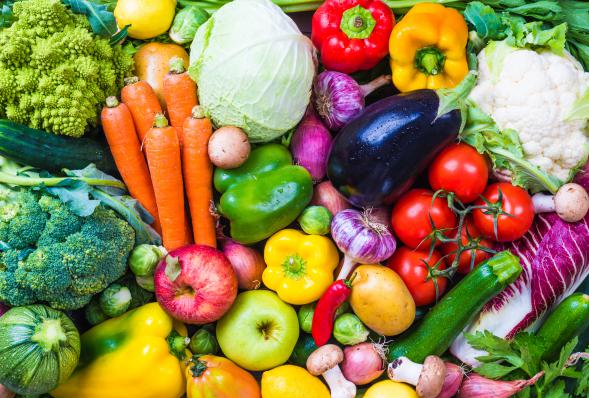
In a study released last October, the FDA found that the amount of pesticides in the produce industry does not pose a significant health threat to the general population. However, scientific organizations like the US Environmental Work Group (EWG) and the European Pesticide Action Network continue to report alarming results. While pesticides on fruits and vegetables may fall outside the rules for ServSafe MN, it is still an issue that food service management professionals should consider.

Pesticides and ServSafe MN

ServSafe MN and Pesticides

This topic can raise many questions and often sparks a heated debate. While we may not have the space to cover every aspect of this issue, we’d like to touch on some highlights. We also want to give ServSafe managers tips on preventing their customers from ingesting potentially dangerous pesticides.

Just because the average levels of pesticide in our produce may not pose a health threat does not mean that every grower uses a safe level of chemical pesticides. It is essential to source your fruits and vegetables from trustworthy and responsible sources committed to ensuring the safety of their produce. A popular strategy for many restaurants and food production facilities involves using only locally sourced, organic produce. If you have ever been in charge of your company’s budget, you may be aware that this can be an incredibly costly choice. You should also consider that organic growers can use certain natural pesticides and still label their product as organic.

ServSafe managers should ensure that customers’ food remains free from pesticides or contaminants regardless of the produce source. Immediately inspect your produce upon delivery. You may not be able to see pesticides, but if any of your produce has any unusual residue, it may have been treated at some point.

Post Inspection Steps

Once you have inspected your produce, knowing which items are shelf-stable is usually good practice. If you have produce that is best kept under refrigeration and stored at room temperature, there is a chance that any chemicals on the surface could seep into the flesh of your produce items.

Finally, always rinse and allow your produce to dry thoroughly before serving. The water’s propulsion will wash off unseen soil or pesticides, making it safer to eat than unwashed fruits or vegetables.

How do you keep your guests safe from man-made chemicals in your produce? Do you rely only on washing, or do you prefer to order from organic farms?

techniques for CFPMs to deal with shortages

Tested Techniques For CFPMs To Deal With Shortages

Even though they are becoming common, food shortages due to drought, global conflicts, product recalls, or supply chain issues can be frustrating for MN-CFPMs. While these shortages can be a major inconvenience, your facility still has to work through them, so we felt we’d offer a few suggestions for when food shortages arise.

How Certified Food Protection Managers Deal with Product Shortages

Tested Techniques For CFPMs To Deal With Shortages
Image credit: xtrekx via 123rf

When shortages prevent certified food protection managers from producing their usual dishes, we have three solid recommendations to offer.

  • Find a second source for product
  • Come up with an adequate substitution
  • Keep your customers informed

Most large food service suppliers source their goods from major national sources. When drought or cold weather affects supply from well-known producers, consider turning to smaller outlets. If major growing regions have limited amounts of produce, such as greens and fruits, that are available, CFPMs may wish to contact local sources or smaller food supply companies to see if they have your required ingredients available. Your local area farms may also be a solution. This option may be more expensive, or you may have to pick up your produce rather than have it delivered. Local suppliers may offer the same products as major growers, so you can keep serving the same cuisine as before.

Sometimes, a second source for a product simply does not exist. During a major recall of any product, alternate suppliers are stretched thin. When confronted with this type of shortage, CFPMs may need to stretch their creativity and develop new menu items and unique substitutions with their current production. For some menu items, there can be quick and easy substitutions that your guests will readily accept, such as salads and side dishes. If an item cannot be served, such as the protein for a main course, bringing in a similar protein and running a temporary replacement dish on your menu is a good idea.

Make Guests Aware

Finally, inform your customers of dishes and product substitutions before ordering. Very few things are more frustrating than not being told that the menu item you have decided on is unavailable when it comes time to order. Tell your guests which items on your menu are unavailable due to product shortages before they are even given a menu. Also, make sure that your servers are also aware of the situation. Taking an order for an item you do not have available should never happen.

At Safe Food Training, we’d like to hear your strategy for dealing with ingredient shortages. Do you prefer to make substitutions, find new sources for ingredients, or temporarily remove unavailable dishes from your menu?

Tips From Certified Food Managers For A Safer Kitchen In Hot Weather

Get Sure Fire Tips From Certified Food Managers For A Safer Kitchen In Hot Weather

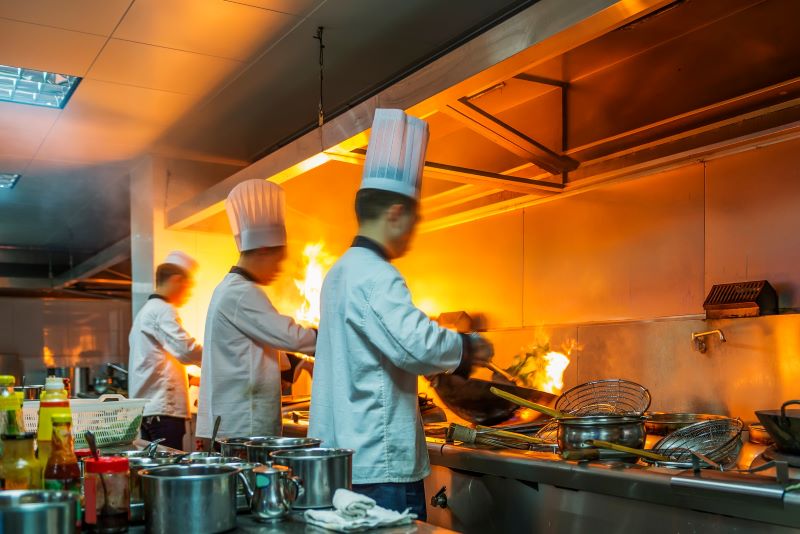
Commercial kitchens and food preparation facilities can be incredibly hot places. This week, we thought we’d take a break from discussing food-borne illness prevention to offer advice for certified food managers to keep their kitchen employees safe and healthy in hot weather.

MN Certified Food Managers Guide to Beating the Heat During The Hot Summer Weather

Tips From Certified Food Managers For A Safer Kitchen In Hot Weather
Image credit: hxdyl via 123rf

Our first advice is to ensure that your ventilation system is functioning properly. We suggest that certified food managers inspect it once a year to ensure that nothing is clogging the vents and that the fans are all in good working order. Cleaning your system’s filters often is another easy way to keep it running efficiently. Many commercial vent systems have easily removable filters that can be cleaned by thorough scrubbing and a trip through your industrial dishwasher.

Next, we’d like to give you three tips with regard to your staff that will help keep them happy and healthy in a hot kitchen.

  • Hydrate frequently
  • Don’t overcrowd your production line
  • Make sure breaks are taken away from the kitchen

On a busy day, getting adequate fluids into your staff may be hard, but it is vitally important. Strongly suggest to your employees that they drink only water. Beverages filled with sugar and caffeine can have an adverse effect as they may dehydrate rather than give the body the water it needs to stave off heat exhaustion.

Certified food managers should reevaluate staffing during especially hot weather. If multiple employees are working on the same line, assessing how many are necessary may be a good idea. Working in close quarters may raise staff members’ body temperatures, and they will dehydrate faster.

If you can’t take the heat…

Finally, the old adage, “If you can’t take the heat, get out of the kitchen,” may contain a hidden nugget of advice. If any of your employees exhibit signs that the heat affects their performance or physical state, get them out of the production area. Making an ailing staff member stick it out until his normally scheduled break time may lead to heat exhaustion or even heat stroke. Make sure they get to a cool area and drink plenty of water.

Our tips aren’t the only way to stay cool under intense circumstances. We’d like your tips and procedures for keeping your staff comfortable in the kitchen. Do you have any advice that we missed that other MN-certified food managers should be aware of during hot summer weather?

outdoor contamination hazards

Secrets of Outdoor Service for ServSafe Managers

With the weather warming up and the sun making a more regular appearance in all parts of Minnesota, many ServSafe food managers open their patios, beer gardens, and other outdoor eating areas. Ensuring proper storage for serving utensils and condiments outdoors helps keep guests safe from food safety hazards. This week, we’ll look at a few things ServSafe managers can do to keep customers safe as they enjoy their outdoor service experience.

Secrets of Outdoor Service for ServSafe Managers
Image credit: www.flickr.com

Outdoor Service and the Certified ServSafe Food Managers

Depending on your establishment’s service style, there are two different approaches to preventing contamination from the elements. Many restaurants and institutions provide full service whether they’re seating guests indoors or outdoors. Smaller outlets may choose a self-service approach that is less labor-intensive and more cost-effective.

Self-service is the way to go if you’re a small operation such as a food truck or snack bar. Sealed condiment packets, individually wrapped plastic utensils, and non-refrigerated condiments are safe to be left in your dining area. Remember to keep dispenser taps clean and seal condiment bottles when not in use. We suggest you avoid reusable squeeze bottles as guests may not replace the lids and expose whatever is inside to the elements. Manufacturers package condiments like ketchup and mustard with dining in mind, making them the best choice.

If you offer full-service dining, outdoor service can be easier with simple preparation. The same rules apply if you leave condiments on the table. Using sealable condiment bottles is a fine procedure. However, if you’re looking to add a little more elegance and class to your service, we recommend you use pre-portioned individual-sized dishes. These can be properly stored inside your kitchen or server stations. The same rule should apply to servingware and napkins. It is a good idea to keep them away from potential outdoor contamination hazards such as insects and the occasional stray bird.

At Safe Food Training, we enjoy the occasional lunch or dinner under the sun’s rays. How do you feel about outdoor service? Is it something you find easy to offer your guests, or is it frustrating in your establishment?