MN Food Safety and National Regulatory Agency Consolidation

At Safe Food Training, we usually avoid commenting on the political landscape unless it directly relates to MN food safety and certified food managers. However, as part of the current administration’s effort to consolidate select federal agencies, a proposal has been put forth to form a single federal food safety agency under the umbrella of the USDA.

MN Food Safety and National Regulatory Agency Consolidation

How Proposed Federal Agency Reorganization Might Affect MN Food Safety

As things currently stand, two agencies, the Food and Drug Administration and a branch of the USDA known as the Food Safety and Inspection Service, have different levels of regulatory power when it comes to food safety in our country. Since there are two agencies, we have to ask what is the difference between the two?

After some research, we’ve discovered that one of the major differences between the two agencies involves what types of products they inspect. For example, the USDA and the FSIS may be responsible for the inspection of poultry, meats and eggs while fruits and vegetables fall under FDA jurisdiction. Meats and canned products containing meat receive quite a bit of scrutiny during inspections by the USDA, but many times large quantities of non-meat canned products, such as applesauce or tomato soup, go uninspected before shipped to consumers. Some seafood and fish products belong under the jurisdiction of one agency or the other. Catfish, for example, is regulated by the USDA while other fresh-water fish are inspected by the FDA.

The line becomes more and more blurred as we delve into pre-made products. The FDA is in charge of closed-faced meat sandwiches, while FSIS regulates open-faced meat sandwiches. This means that one agency regulates frozen pizzas and the other mass-produced pre-packaged breakfast sandwiches. These varied regulations make us wonder if any products slip through this confusing inspection process and pose potential health risks to consumers.

The consolidation of federal food safety agencies is not a partisan issue, or even a new one. The Obama administration put forth a similar proposal during their tenure in the White House.

There may be pros and cons of creating one agency that encompasses all of national food safety regulations and inspection. As a certified food manager with a professional interest in MN food safety, do you feel that a single regulatory agency will help keep the raw ingredients you use safer, or do you think multiple, clearly defined agencies are necessary for extended oversight of national food safety.
The MN ServSafe Certified Food Manager and Contaminated Product

The MN ServSafe Certified Food Manager and Contaminated Product

As a MN ServSafe certified food manager, you take care to ensure the food you serve is safe for your customers, but there may be occasions when certain things beyond your control could potentially endanger your customers. Your shipment of fresh spinach may look clean or your case of micro greens may be labeled ready to serve, but microscopic particles of E.coli and fertilizer from the soil may be hiding on the surface. Ground beef shows no signs if it has been handled by an infected production worker during packaging, and farm fresh eggs do not come with a warning flag that their surface has come into contact with salmonella. This week, we’d like to offer a few tips to help you keep items commonly contaminated during production safe for your guests.

The MN ServSafe Certified Food Manager and Contaminated Product

Image credit: Altus Air Force Base

MN ServSafe Certified Food Manager and Product Unknowingly Contaminated During Production

There are many cases where contaminated product is only discovered after an outbreak of food-borne illness has begun. A lot of outbreaks trace back to a certain ingredient’s origin rather than the food service provider who prepared the final product. So if the initial contamination comes from outside of your facility, is there anything a MN ServSafe certified food manager can do to prevent a guest from consuming contaminated product?

Even if a raw product contains undetectable pathogens, there are steps you can take to keep it safe, even if the contamination has not come to light. Here are a few pointers for commonly infected items:

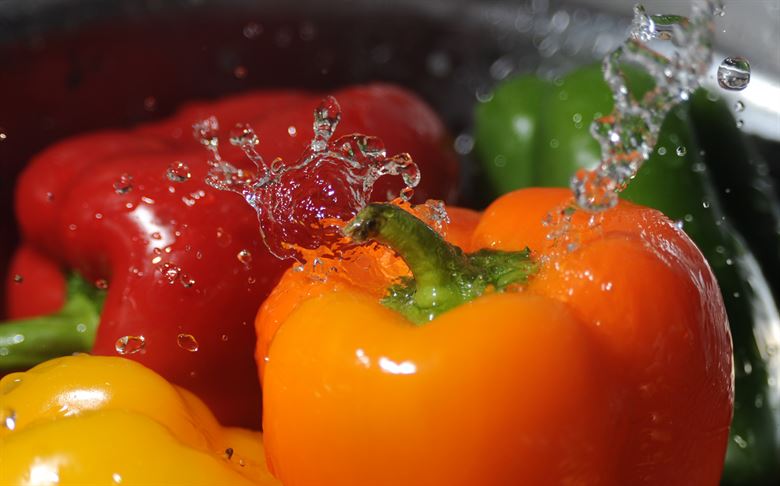
  • Wash all fresh produce, even if the label reads “ready to eat”
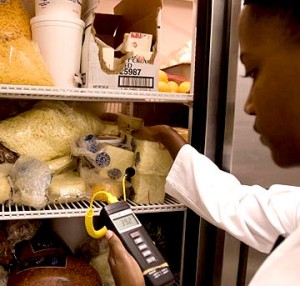
  • Keep an eye on refrigerated storage temperatures to ensure product is always out of the danger zone
  • Always cook product to the appropriate cooking temperatures
  • Avoid loose storage of eggs

While a fresh vegetable product may be labeled as “ready to eat,” we have seen incidents where these pre-washed products have caused food-borne illnesses. A few seconds of prevention will always be worth the effort.

We’ve also seen facilities that unpack whole eggs and store them loose in the same bin. While this may not be a health violation, it does increase the risk that salmonella on the shells or from broken egg can be passed from one egg to another and multiply. With recent outbreaks of salmonella from shell eggs, we feel that taking steps to prevent eggs from coming into contact with each other could help prevent the spread of illness in the event your eggs have arrived unknowingly contaminated.

Do you take extra precautions with ingredients that are commonly recalled, or do you take extra precautions with every ingredient you bring in?

Food Safety Manager and Health Inspector Interactions

Food Safety Manager and Health Inspector Interactions

There are times when running food safety manager courses when we hear a student ask how to deal with their local health inspector. We find that there are many misconceptions about the health department’s roll and what their goals are when they come to inspect food production facilities.  Let’s about the food safety manager and health inspector shared interest.

Food Safety Manager and Minnesota Health Inspector Interactions

Image Credit: Carroll County Health Department, Maryland.gov

The Food Safety Manager and Health Inspector Goals

We’ve heard some kitchen managers speculate that the health inspector is out to get them, and that their main purpose is to find as many violations as possible in order to shut restaurants down. We’d like to counter that this is absolutely not the case. The food safety manager’s goals should correspond with your local health department’s objectives.

As a Minnesota certified food manager, you are under an obligation to make sure that the food you serve is safe. The health inspector’s job is not to punish you for not following the health code to the letter, but to help you keep your food safe.

When the time rolls around for your inspection, provide any information your inspector needs to complete their task. Keeping all of your certification records in an easily accessible location goes a long way towards letting them get on with the inspection process. The inspector will greatly appreciate if you allow them to go about their tasks with minimal interference. They may have a question or request from time to time, so make sure that you make time to assist them when necessary. We suggest even walking along with them as they do the inspection if possible.

If they arrive during a busy shift, you’ll find that they’ll normally be more than patient and courteous enough not to interfere with your regular routine.

Once the inspection is complete, make sure that you go over the report before they leave. This is the ideal time to ask questions, seek advice for tricky food safety scenarios and get an overall report as to how well your facility protects its guests from food-borne illness.

Remember, both you, as a food safety manager and health inspector are working to achieve the same objective… keeping the food you serve to guests safe. Coordinating with an experienced professional such as your local health inspector can help you see your operation from a different perspective and refine your procedures.

How do you deal with your inspector when they visit your facility? Do you take time out of your day to interact with them, or do you let them go about their inspection as quickly as possible?

Food Safety Course to Beating the Summer Heat

Online Food Safety Course to Beating the Summer Heat

The summer months can be brutal in the food production industry with hot, muggy air combining with the high temperatures of ovens and other cooking implements. Your kitchen staff will do anything necessary to maintain a remotely comfortable work environment, but there are a few things you have to look out for to make sure that your cooling techniques are not causing a food safety hazard. This week, we’d like to provide a brief online food safety course to keeping cool and keeping your food safe.

Food Safety Course to Beating the Summer Heat

Image Credit: PXhere

Food Safety Course on Cooling Guide for the Hot Summer Months

When temperatures rise, food service worked head immediately to storage and dig out whatever fans they can get their hands on and begin to strategically place them around the kitchen for maximum effect. While fans will circulate the air in your facility, they also circulate dust and other contaminates in the direction of your food. If you utilize fans to keep the air moving, take extra precautions that they are kept below the level where food is stored or prepared. Pointing a fan down onto your production line may pull in dust from the tops of equipment, areas that have not been cleaned properly and other locations where dust tends to build.

Propping open doors to the outside and using a fan to blow air in may also cause a food-borne illness hazard. Opening doors leads to the potential for flies and other contaminate-spreading insects to enter your facility, especially if the open door leads to an area where garbage is stored. It may be wise to look into cooling techniques that do not require an open exterior door

Cleaning your ventilation system regularly will help suck the hot air coming from your equipment out of your facility. Airborne grease and dust caked in ventilation filters greatly reduce efficiency and increase the temperature in your kitchen.

Do you have any sure-fire ways to keep your kitchen cool and prevent fans and ventilation from circulating contaminates around your facility?