Important Vaccination News For Certified Food Managers In Minnesota

Important Vaccination News For Certified Food Managers In Minnesota

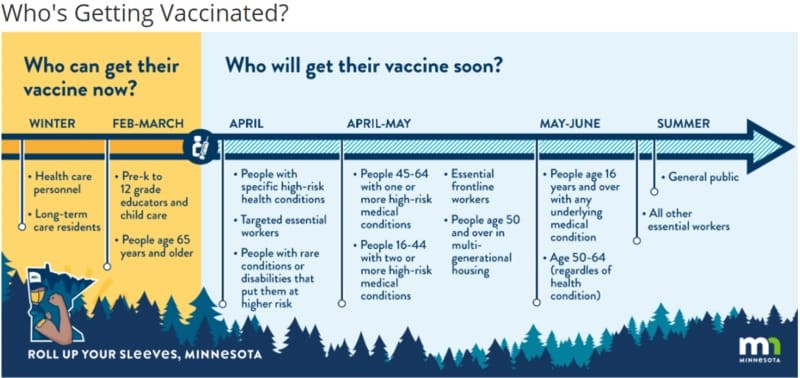
We’ve all seen the news reports showing the steady rollout of the COVID-19 vaccine among Minnesotan healthcare workers, seniors, susceptible groups and educators, but until recently, there’s been nothing more than speculation as to when certified food managers and other food industry employees will be eligible. In a recent announcement by Governor Tim Walz, a more detailed tiered approach to coronavirus vaccine distribution was explained and it provides specific vaccination news for certified food managers.

Important Vaccination News For Certified Food Managers In Minnesota
Image credit: mn.gov

New Vaccination News For Certified Food Managers On When Food Service Workers Can Be Vaccinated For COVID-19

Previous information stated that essential workers would be somewhere on the schedule before the general population, but certified food managers would have to make assumptions on when they and their staff would be eligible. On the current schedule, food service workers have been specifically placed into two targeted groups:

  • April: Food processing plant employees
  • April to May: Food production, food retail and food service
  • Summer: General population

While these targeted vaccination windows are speculative based on vaccine availability, a clearer picture exists as to when restaurant employees, food processors and others in the food and beverage industry will have an opportunity to receive the vaccine.

It’s also encouraging to see that Minnesota is targeting summer for open eligibility. Once we’ve reached a state of herd immunity our restaurants can return to one-hundred percent capacity, diners will be able to enjoy special occasions with large groups of friends and family and we can continue to grow our Minnesota food industry.

How do you feel about food service workers and certified food managers being allocated essential worker status when it comes to the COVID vaccine?

Front of house manager speaking to staff about food safety management risks

Overlooked Front of the House Food Safety Management Risks

Oftentimes the focus of food safety management risks are on the kitchen and food preparation procedures, but that doesn’t mean there aren’t foodborne illness risks elsewhere in your establishment. It’s important to realize that even when the food that comes out of your kitchen is safe to eat, front-of-the-house procedures can potentially compromise food safety in your establishment. Let’s take a look at the most common food safety risks in dining rooms.

Manager Talking To Front of the House Food Safety Management Risks
Image credit: Cathy Yeulet via 123rf

Dining Room Food Safety Management Risks

Servers, bartenders, hosts, hostesses and busboys must receive training to prevent foodborne illness on nearly the same scale as line cooks, prep cooks and dishwashers. They don’t actually prepare food, but there are several dining room food safety management risks that should have well-defined protection.

  • Handwashing
  • Table sanitation
  • Bar and service station storage
  • Restroom cleanliness

Handwashing is drilled into the minds of kitchen staff, and front-of-the-house staff should follow the same procedures. Hands should be properly washed after handling dirty dishes, touching order screens or pens when taking orders and following any situation that causes them to come in contact with potentially dirty surfaces.

All tables and the arms of chairs should be sanitized after each guest departs. Guests could touch surfaces with unwashed hands, food and beverages can be spilled and contaminants from breathing, sneezing or coughing could be present. Don’t overlook the underside of the table. Dirty hands often touch the underside of table surfaces, so be sure to sanitize regularly.

Bars and service stations present several food safety management risks. These areas often have service utensils and ready-to-eat foods such as garnishes for drinks and complimentary bread baskets. Remember that servers and bartenders must not handle any ready-to-eat-foods with bare hands. Foodservice gloves or clean utensils are a must. It’s also important to remind staff not to handle clean forks, spoons, knives and other utensils if they have unwashed hands. Even if they only touch the handles, they may spread contaminates after touching dirty surfaces.

Finally, guest bathrooms should be checked for cleanliness often. A dirty restroom can cause guests to bring contaminants back into the dining room. Make sure there are ample soap, paper towels and a friendly handwashing procedure sign.

Are there any other dining room food safety management risks you often see overlooked?

CFPMs and an FDA Warning on Imported Sanitizers

CFPMs and an FDA Warning on Imported Sanitizers

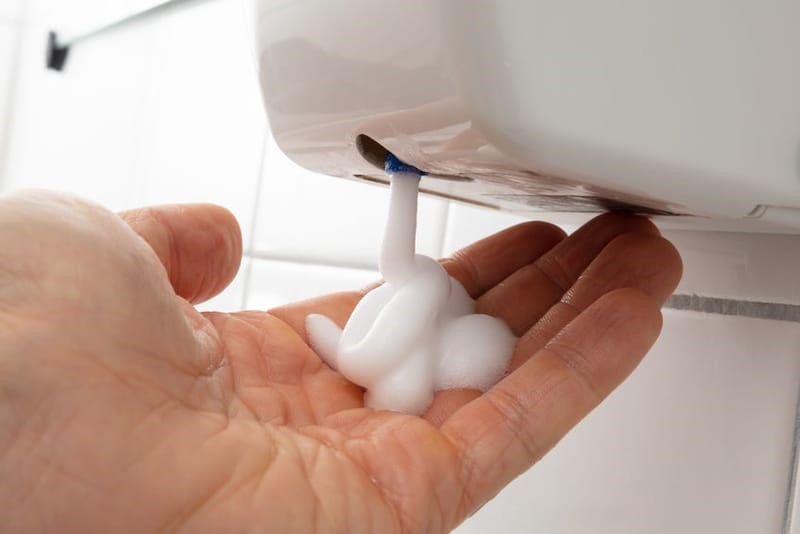
We’ve seen an increase in food facilities providing hand sanitizer for both guests and staff, but just because something is labeled as a sanitizer, it doesn’t necessarily make it safe to use. Recently, the FDA issued an alert concerning all sanitizers imported from Mexico. How will this FDA alert regarding hand sanitizers affect CFPMs and the safety of their staff and guests?

CFPMs and an FDA Warning on Imported Sanitizers
Image credit: Andriy Popov via 123rf

Ramifications of the FDA’s Alert Regarding Mexican Sanitizers for CFPMs

There is a very good reason why the FDA has issued this alert and why it includes every brand of hand sanitizer imported from Mexico. The issue isn’t whether or not the sanitizer is capable of killing germs, it’s a matter of an increased public health risk caused by ingredients in these sanitizers.

Tests have shown that many alcohol-based Mexican sanitizers contain methanol, or wood alcohol, rather than pure ethyl alcohol as listed on the label. While ethyl alcohol is approved by the FDA, methanol is not. In fact, methanol can cause health and skin issues when overused. Not only is it toxic to the skin, it causes potentially life-threatening health issues if accidently consumed.

How should CFPMs treat this FDA alert?

First, examine your supply of hand sanitizer. If it has been imported from Mexico, you should take steps to dispose of it and replace it with sanitizer from the United States or imported from elsewhere. Before purchasing sanitizer, we recommend that you inspect deliveries and bottles purchased at the store to ensure that they are not imported from Mexico.

Finally, remind your staff that sanitizers are no substitute for handwashing. Sanitizers can be used for an added layer of protection, but only after hands have been washed.

Is your CFPMs aware of the FDA Alert and has he/she checked to make sure that your hand sanitizer is safe for your guests and staff?

New Changes To Scheduling MN Certified Food Protection Manager Training During COVID-19 Restrictions

New Changes To Scheduling MN Certified Food Protection Manager Training

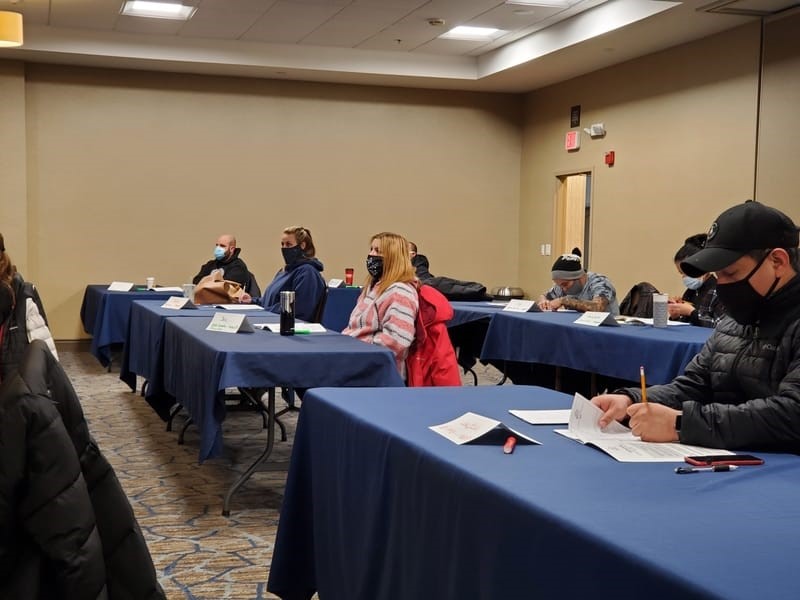
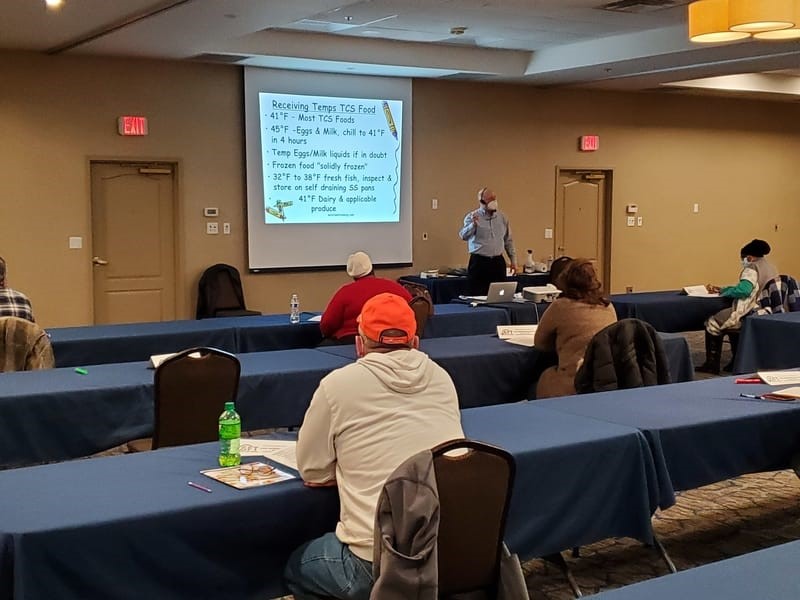
After a long hiatus from in-person Minnesota certified food protection manager training, we at Safe Food Training are excited to return to the classroom and once again offer our top-rated in-person classes. Where you can participate in discussions with an industry expert and your fellow food-industry professionals. Unfortunately, classes won’t look the same as they have in the past, so prospective students need to be aware of some changes and precautions that we’re currently taking.

MN Certified Food Protection Manager Training During COVID-19 Restrictions
Image credit: Street Level Solutions

In-Person MN CFPM Training Protocols

Thanks to the gradual turning of the dials in the StaySafeMN guidance, we can now welcome food safety managers back into the classroom, but with certain restrictions. Classroom training sessions must:

  • Reduce seating capacity
  • Enforce mask-wearing
  • Operate with social distancing protocols

Due to reduced seating and social distancing protocols, we cannot train as many certified food managers per session as we once were allowed. This means that students seeking in-person training need to be proactive when it comes to registering for a class. Delaying your registration may force you to push training to a later date or utilize online food protection manager training in order to meet certification deadlines.

New Changes To Scheduling MN Certified Food Protection Manager Training During COVID-19 Restrictions
Image credit: Street Level Solutions

Reduced class sizes and limited registration can quickly become an issue for larger food businesses or restaurants with multiple locations that need to train more than one certified food protection manager for better food safety coverage. Even if your food service business doesn’t require multiple CFPMs, you may have a stellar staff member with management potential that you’d like to develop. With so much competition for limited seats, a delay could result in a lack of training for these types of key individuals.

Many students also thrive in a classroom environment but struggle with online sessions. With the nearly yearlong absence of instructor lead classes, some of these students may be long overdue for training or a refresher course.

If you’re ready for a return to the classroom for Minnesota certified food protection manager training, make sure you schedule your training soon to guarantee you a seat that best fits your availability.