Food Safety Management Steps for Starting a New Food Business

Food Safety Management Steps for Starting a New Food Business

Congratulations! You have your business plan formalized, gained funding and even have a location picked out for your new food business, but just having the finances and space isn’t enough to get started. There are several food safety management procedures you need to take in order to open your doors so the public can enjoy your goods and services. Navigating the new food business landscape can be daunting, so let’s breakdown the steps you’ll need to take to open your doors.

Food Safety Management Steps for Starting a New Food Business
Image credit: rawpixel via 123rf

Navigating Food Safety Management and Opening a New Food Business

There are numerous steps that must be followed in order to open a food business, and your banker should be able to help with the financial side, so let’s look at a quick rundown of what must be done on the food safety management side:

  • Plan on purchasing certified equipment for your establishment
  • Obtain the appropriate license for the Minnesota Department of Health or Department of Agriculture
  • Create a food risk assessment strategy
  • Hire a certified food protection manager
  • Consult frequently with your local health department

Food businesses must have properly certified equipment. Make sure your equipment has been classified for sanitation by an ANSI approved standard. Common standards include NSF, UL and Intertek. Approved equipment will have a valid standard stamp or sticker somewhere on the surface. When in doubt, your equipment supplier should have the appropriate paperwork for your new equipment.

Obtaining a license can be confusing since you may require a license from a specific agency depending on the location and type of food business you plan on opening. The State of Minnesota has a licensing wizard that will point you to the appropriate agency based on your answer to several questions about your food business’ target customer base and distribution methods.

Next it’s important to formulate a written food risk assessment plan. This plan should cover food safety during production, a Hazard Analysis Critical Control Point (HACCP) plan, allergen statements and recall plans. We don’t recommend formulating this on your own, but consulting with the health department that covers your establishment will help you create a detailed and acceptable plan for your new food business.

Before you open your doors or even begin any food preparation, you must employ a certified food protection manager. This can be your executive chef, kitchen manager, floor supervisor or even a hands-on owner. Certified food protection managers must pass an online or in-person certification class and exam, and they’re responsible for ensuring the safety of the food you produce.

Are you contemplating opening a new food business?
Valuable New Certified Food Protection Manager Cleaning Schedule Design

Valuable New Certified Food Protection Manager Cleaning Schedule Design

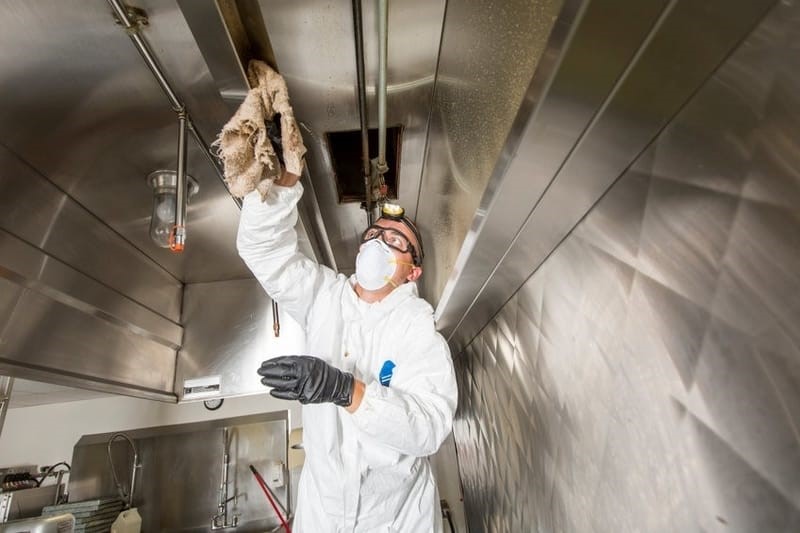
Certified food protection managers have a lot on their plate with the day-to-day operation of their food business, so it’s important to have systems in place to streamline their operation. Designing a facility cleaning and sanitation schedule can free up time for other managerial tasks while your staff knows how to maintain a safe environment for food production. While a plan will look different based on your operation, we can give every Minnesota certified food protection manager a head start designing a custom sanitation and cleaning schedule.

Image credit: lopolo via 123rf

Food Cleaning and Sanitation Schedule Template for Every Certified Food Protection Manager

A certified food protection manager who are creating a cleaning and sanitation schedule, you should break it into sections based on frequency. You should consider which cleaning tasks occur:

  • Frequently
  • Daily
  • Weekly
  • Monthly

Immediate cleaning tasks include sanitizing prep surfaces after use, washing soiled utensils and changing sanitation solutions. These tasks should be easy to identify and your staff should be trained to do them habitually, but it never hurts to have a written plan identifying frequent food safety sanitation jobs.

Daily tasks can include sanitizing backsplashes in the dishwashing area, mopping floors and washing kitchen mats. You may also want to include inspecting raw food storage areas and refrigeration units for containers that need cleaning or spilled product that must to be thrown away. Daily tasks also can become routine, and a written record of these jobs makes training easier and ensure nothing becomes overlooked or neglected.

Weekly and monthly cleaning jobs are the most ignored unless there’s a written plan for these large projects. Weekly tasks may include cleaning storage racks in walk-in refrigerators, mopping infrequently used areas and washing garbage cans. Monthly sanitation projects might be a little harder to identify, and could be very specific based on the type of food business you operate, but these could include inspecting outdoor areas for pests, cleaning behind equipment and thorough hoof vent cleaning.

Are you a certified food protection manager that utilizes a cleaning and sanitation schedule?

Simple Time As Public Health Control Tips For CFPMs

Simple “Time As Public Health Control” Tips For CFPMs

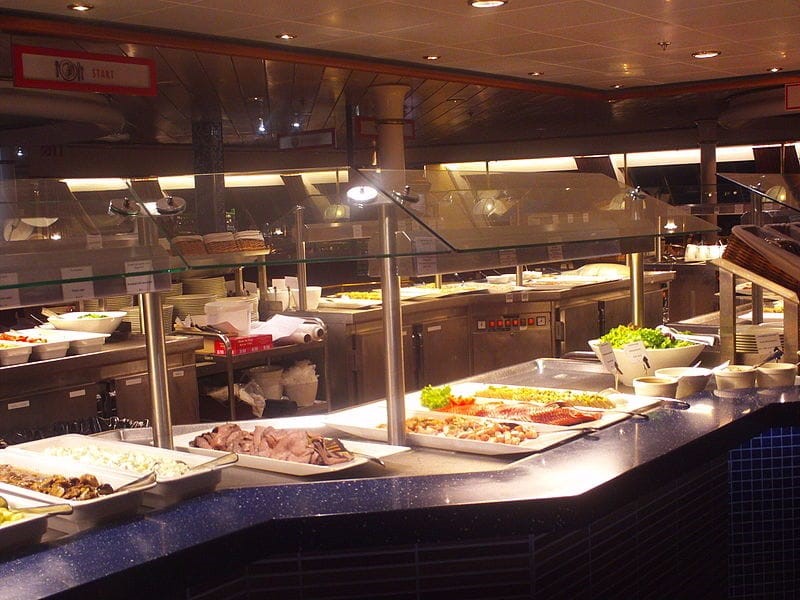
Some events and food service situations may not benefit from instant service or hot and cold held buffet lines, so the Minnesota food code has procedures that allow certified food protection managers to utilize time as public health control (TPHC) to help you keep the food you serve safe, even if you aren’t serving it instantly. Let’s take a moment to review exactly how Certified Food Protection Managers can use TPHC in certain situations.

Buffet use of Time As Public Health Control Tips For certified Food Protection Managers
Image credit: Wikimedia commons

How Certified Food Protection Managers Can Best Use TPHC

Just a quick note before we begin. If you are the certified food protection manager at a facility that serves an immunocompromised or susceptible population, it’s best not to utilize time as a public health control. Assisted living facilities, hospitals, certain school and other outlets that serve a susceptible population should rely on hot and cold holding temperature control. TPHC is technically allowed for food that does not include eggs in some of these situations, but caution may be the best course of action.

The rules behind TPHC control are rather simple, but there are a few steps you must take when using this method. The basics of TPHC are:

  • Hot foods above 135 degrees can be held for four hours after removed from temperature control
  • Cold foods below 41 degrees can be held for four hours after removed from temperature control
  • Cold foods can be held for six hours after being removed from temperature control if the monitored temperature never rises over 70 degrees

Just to summarize time as public health control for CFPM use, any foods pulled out of hot holding above 135 degrees or cold storage below 41 degrees can be held for four hours without hot holding or cold holding. Cold foods can be held up to six hours if temperatures are monitored closely.

Once the holding process begins, it cannot be extended by reheating or chilling items. Once these items have been removed from a temperature controlled environment, your timer starts and cannot be paused or extended by any means. As soon as your four, or six, hours have expired all food must be discarded. It cannot be stored, reheated or served at a later time under any circumstances.

Finally, make sure that you have written TPHC procedures outlined and available should a health inspector wish to review them. It’s also important that every staff member understands the restrictions of TPHC before service begins.

Does your certified food protection manager utilize time as public health control?

Procedures For CFPMs Who Are Serving Raw Fish

Valuable Procedures For CFPMs Who Are Serving Raw Fish

Raw fish dishes are a popular summer time item as guests crave sushi, sashimi, poke or fish tartare on hot days. Fish served raw, undercooked or cooked with acid rather than heat can pose a higher foodborne illness risk than fish cooked to temperature, so how can certified food protection managers prepare these dishes in a way that is safe for their guests? Let’s take a look at how CFPMs (Certified Food Protection Managers) can reduce the chances of sickening a guest when serving one of these tasty and popular raw fish dishes.

Valuable Procedures For CFPMs Who Are Serving Raw Fish
Image credit: greenartphotography via 123rf

How CFPMs Can Serve Raw Fish Dishes Safely

For the intent of this discussion, when we refer to raw fish dishes we’re referring to fish that has not been cooked to temperature. While dishes such as ceviche, crudo and some tartare dishes may have been cooked or cured with acids such as citrus juice or vinegar, they still haven’t reached a temperature that kills pathogens. Seafood and fish pose a high risk of spreading illness via parasites and there are two effective ways of killing these parasites: cooking and freezing.

Since we’re talking about raw fish appetizers and dishes, cooking is not an option, so certified food protection managers must either freeze fresh fish or ensure that it has been previously frozen by the supplier or distributer. Before serving raw fish verify that you or your supplier has:

  • Frozen and stored fish at -4 degress or below for seven days
  • Frozen fish to a solid -31 degrees then stored at -31 degrees for 15 hours
  • Frozen fish solid at -31 degrees and then stored at -4 degrees for 24 hours

This procedure must be followed for all fish that is intended for raw consumption with one exception. Note that fish must be frozen solid before you start factoring in frozen hold time. Certain species of fresh tuna does not require freezing before serving raw. These species commonly go under the names of:

  • Yellow Fin
  • Northern or Southern Blue Fin
  • Bigeye Tuna

Fish eggs that have been properly harvested and rinsed may also be served raw without the freezing process. While we’ve focused on fish in this article, we should note that molluscan shellfish and seas scallops fall under different guidelines. Before deciding to serve raw oysters, mussels or clams, you may want a quick refresher on serving molluscan shellfish in the summer.

Do you enjoy raw fish dishes on a hot summer day?