
2022 Resolutions Every Food Safety Manager

New Year’s Training Resolutions Every Food Safety Manager Should Make

2022 is almost upon us, and the time has come to reflect on the past year and set goals for the next one. With that in mind, we feel that 2022 should be the year that every every food safety manager focuses on staff food safety training as part of their New Year’s Resolution. We can join together with other MN certified food protection Managers in an effort to make our food service community the most knowledgeable and safest in the country.

2022 Resolutions Every Food Safety Manager
Image credit: pavelmuravev via 123rf

Simple Resolutions Every Food Safety Manager can Use to Improve Food Safety Training

When it comes to food safety training, January is a great time commit to a focus on training and the best way to start the new year is to start with the basics. Basic food safety training can go by the wayside over time, so make sure you and your staff review:

It may sound like basic common sense in the food industry, but these three things are the most effective tools we have to prevent foodborne illness. Resolve to not let food safety basics fall by the wayside in 2022.

Another very simple way to resolve to improve your staff’s food safety training knowledge base is to take advantage of food code fact sheets. The Minnesota Department of Health has a fact sheet for nearly any food safety rule that applies to your establishment. Print off copies and post them where appropriate for a quick reminder or store them in a readily available notebook for easy reference.

Finally, nothing beats food safety training from an industry expert. Rather than rely on your previous training, resolve to bring in an expert for a custom training session or send additional staff members to gain their certified food protection manager’s certificate. Nothing will prepare your establishment to protect your guests like training from industry leaders.

Do you have any New Year’s resolutions for 2022?

Private Onsite Food Safety Management Training Revisited

Private Onsite Food Safety Management Training Revisited

For the past year and a half, food production businesses have relied on online food safety management classes as a primary source of training. Now that we can return to normal activities, we’re seeing food safety manager candidates return to the classroom and the opportunity to bring certification classes to your local food business can be expanded through private onsite food safety management training.

Private Onsite Food Safety Management Training Revisited

Private Food Safety Management Training Onsite

While making sure you have certified food protection manager coverage for your facility via online or classroom training meets the standards and provides a wealth of knowledge to students who take the courses, many food businesses can gain even more benefits through a customized food safety management class. Some perks include:

  • Training multiple CFPMs at the same time
  • Saves travel time by having the course at your location
  • Scheduling on your time
  • Unique training tailored to your business

Convenience is one of the biggest benefits of customized training. If you can provide the site for food safety management training, the staff that attends will know the location well and you’ll be able to schedule around their training accordingly. With remote classes, you may have to work around an already set class schedule, limiting your flexibility to send employees who require certification. Onsite customized food management training works on your timetable giving you the scheduling advantage.

At an in-person food training session, you learn everything you need to know to pass the certification test to become a CFPM and keep the food you serve safe, but a customized training session can offer a more directed training session. With a customized training session, your staff will not only be able to pass the certified food protection manager exam, but they’ll also learn how to directly apply the knowledge they’ve learned to the type of food business you operate.

Finally, private food safety management training offers large food businesses the opportunity to prepare multiple candidates for the CFPM exam. If you have multiple locations or require several CFPMs, an onsite class can train them all at the same time.

Are you interested in private food safety management training at your facility? Get more about Safe Food Training customized training classes here.

Making kitchen staff training more effective

How To Make Kitchen Staff Food Safety Training More Effective

Certified food protection managers are responsible for keeping the food they serve safe through training, monitoring and evaluating the food safety procedures in their establishment. One important part of training is reinforcing food safety protocols, and the Minnesota Department of Health and the Department of Agriculture have supplied handy food code fact sheets and downloadable food safety posters to help certified food protection managers remind their staff of essential food safety procedures.

Making kitchen staff training more effective
Image credit: Minnesota Department of Health

Using Food Code Fact Sheets to Supplement Your Staff Food Safety Awareness

Just because your staff has been trained on the basics, it doesn’t mean that a review of these procedures wouldn’t be helpful. In fact, having frequent reminders of food safety basics will keep the food your serve safe and take some pressure off of the day-to-day duties of your certified food protection manager.

Printing and laminating food safety posters will provide constant visual reinforcement of the basics of food safety. Some key posters include:

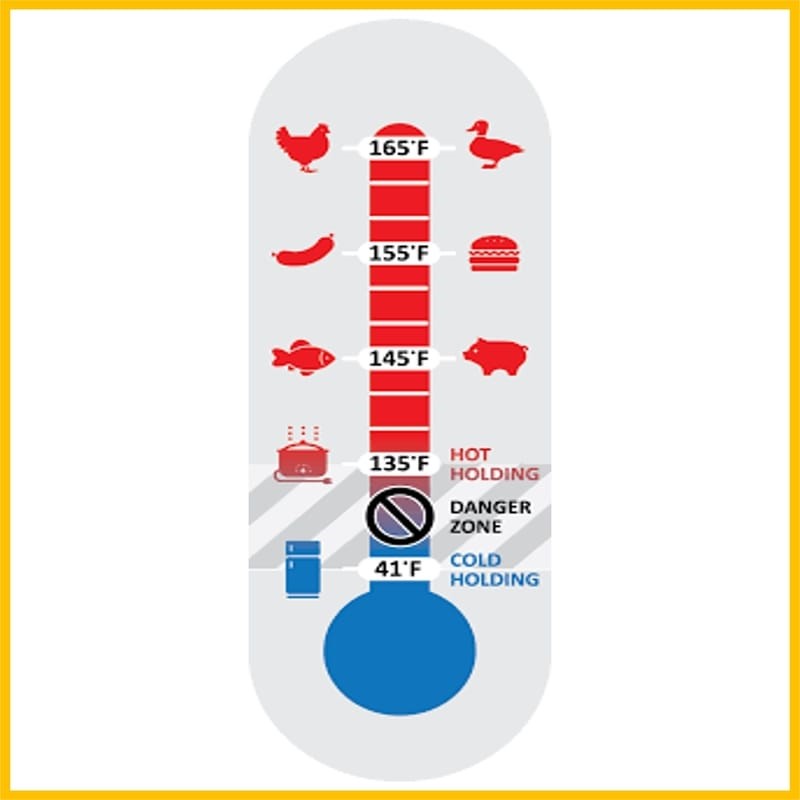
A handwashing poster over your handwashing station will be a constant reminder of the importance of washing your hands, and having temperature control and heating procedures posted where food is cooked will give your staff a quick guide when checking the temperature of the food they’ve just prepared.

The downloadable food safety posters on the Minnesota Department of Health’s website don’t stop at the basics of food safety, however. Schedule some time during your day to check out the options available, and you’ll be sure to find some that fit the unique nature of your business.

Do you use food code fact sheets to remind your employees about food safety basics?

Staying Home when Sick

A Lesson in Norovirus Control for Certified Food Protection Managers

The norovirus made the news in a big way in the month of September thanks to a massive outbreak at Georgetown University. While the investigation into the outbreak has yet to locate the initial source, norovirus outbreaks often begin in food service, so certified food protection managers take notice that this outbreak has sickened nearly 150 people and take precautions to prevent a similar incident from happening at their food business or facility.

A Lesson in Norovirus Control for Certified Food Protection Managers
Image credit:: belchonock via 123rf

Certified Food Protection Managers And Norovirus Defense in High-Volume Facilities

Many norovirus cases fall under the radar when only a few individuals are sickened, but the case at Georgetown University shows what can happen in when the pathogen infects a large population. Officially, there is no link to food service in this Norovirus case, but certified food protection managers at university cafeterias, local school, hospitals and other facilities that serve a large amount of people every day have a great impact on preventing an outbreak such as this from even getting started. By taking a few simple precautions norovirus outbreaks can be stopped before they even begin by:

These three very easy steps will greatly reduce the risk of spreading the norovirus whether you serve thousands of guests a day or under 10. In fact, these three tools not only prevent the spread of the norovirus, but can help stop many other common illness that begin in food service from spreading.

Have you taken the time to review these basic food safety techniques with your staff to reduce the chances of spreading the norovirus?