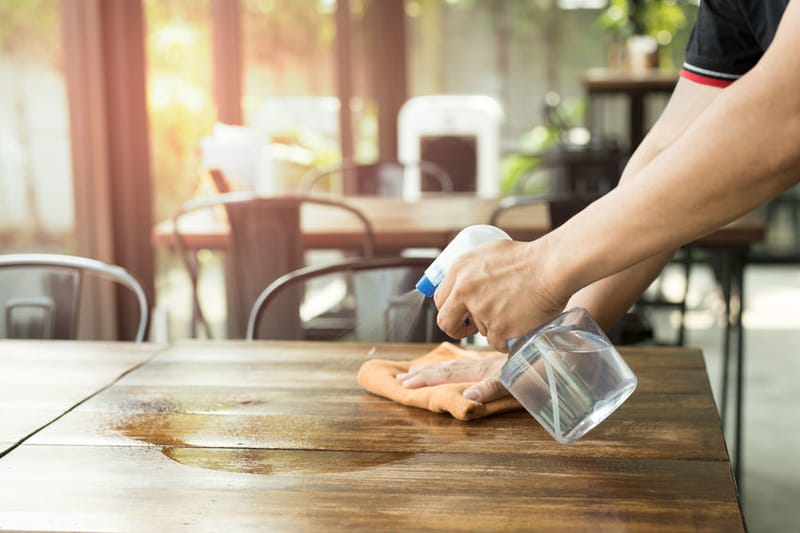
Waiter demonstrating Servsafe sanitation post COVD-19 shutdown

COVID-19 and ServSafe Sanitation

The coronavirus pandemic has changed the way foodservice businesses operate and will continue to change food safety procedures for the foreseeable future. Once eating establishments are finally permitted to seat guests in their dining rooms, ServSafe food managers will have to change their sanitation procedures and the way they enforce certain food handling rules after the COVID-19 shutdown. This week, we’d like to take a look at what these new sanitation procedures could look like.

ServSafe sanitation post COVID-19 shutdown

Post COVID-19 Shutdown ServSafe Sanitation Guide for Restaurant Reopening

At this time, there is no recommendation to deviate from the types of sanitizer solutions recommended in Minnesota Food Code sanitation procedures, so it’s not necessary to increase the concentration of bleach, iodine or quaternary ammonia compounds in sanitizing solutions. In fact, using a solution with higher concentrations than recommended could pose a health risk to staff and guests should excess sanitizer chemicals end up in customers’ food or create a toxic atmosphere when working in close contact with these over-powered solutions.

Whether you’re open for business as usual or your establishment is still only providing takeout service, it’s important to sanitize all surfaces regularly. The most touched surfaces should be sanitized many times a day. Make sure these frequently used surfaces are sanitized often:

  • Countertops
  • Door knobs and handles
  • Guest tables
  • Chair backs and high chairs
  • Handrails

Once we return to in-house service, we’ll have to consider many more items for sanitation to help stop a resurgence of the COVID-19 virus. While every establishment will be different, we’ve come up with a few items that aren’t normally sanitized that you may wish to include in your ServSafe sanitation training:

  • Credit cardholders
  • Touchscreens in ordering kiosks, tablets and wait stations
  • Pens used by customers to sign credit card receipts
  • Seatbacks and chair arms
  • Light switches
  • Soap dispensers
  • Other implements that may be handled or breathed on by staff or customers

We must also remember that out of the way areas should be sanitized regularly as well. Some locations may not need hourly cleaning, but regular sanitation should occur everywhere in your facility. Think of surfaces such as doors, equipment such as mixers, exteriors of refrigeration units and any other surface than may not be touched too often, but still potentially come into contact with the breath of employees and customers.

It may seem overboard to some, but ServSafe sanitation will have to take on a higher level of vigilance in the coming days once we begin to reopen our restaurants. What steps will you be taking to help prevent a resurgence of COVID-19?

COVID-19 Resources for CFPM's

COVID-19 Resources for CFPMs

Many small businesses across the country have been hit hard by measures put into place to slow the COVID-19 outbreak, but restaurants, in particular, have taken a huge financial hit since social distancing protocols have been enacted. If you’re a small-business restaurant owner or the certified food protection manager(CFPMs ) of a small to medium sized establishment, you should familiarize yourself with some COVID-19 related resources that can help your business survive until it’s time to open up for more than just takeout service.

COVID-19 Resources for CFPMs-SBA Payment Protection Plan
Image credit: shealah_craighead via Flickr

COVID-19 Related Financial Aids for CFPMs and owners of Small Restaurants

One of the most talked about financial programs for small-businesses is the Paycheck Protection Program (PPP). The PPP is a loan set up by the U.S. Small Business Association (SBA) to not only help small businesses stay afloat but be able to pay their employees during these hard times. While there are some rules to follow, the SBA may forgive some or all of your loan balance if you keep employees on payroll for eight weeks, use the money to pay utilities, rent, mortgage interest and keep payroll funded.

There are also Non-government COVID-19 related resources for restaurant owners and CFPMs. Several companies that are making it easier, and free, for restaurants to take to-go and delivery orders as well as provide ways for potential customers to know that you’re still open for take-out and delivery.

The Ordering App is waving it’s 1.5% ordering fee until July 1.

Google is offering ad credits for small and medium-sized businesses.

Yelp is offering numerous incentives. They are offering free access to Yelp Reservations and Yelp Waitlist for three months to help smaller restaurants facilitate orders. Yelp is also offering several different options for relief from restaurateurs who either utilize Yelp Ads or are considering doing so during current stay-at-home regulations.

Chowly, a system that streamlines online ordering and POS systems, is waving all set-up fees during the pandemic.

Presto has a program to provide kiosk ordering systems free of charge. These range from tablets to table-top ordering systems and can reduce direct contact with customers ordering takeout at your facility.

Finally, the National Restaurant Association has started the Restaurant Employee Relief Fund. If you’re a certified food protection manager who has been forced to reduce employee hours or in drastic cases furlough some of your staff, you may want to point staff members who have been financially impacted to this fund. Rather than providing support to businesses, the RERF is focused on the individual hospitality workers who have sustained financial hardships.

Are there any other COVID-19 relief programs for CFPMs you think we should share with other readers?

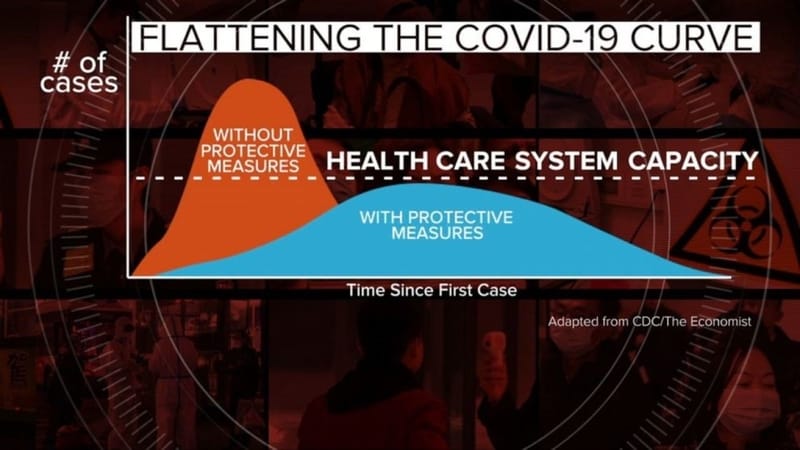
A Minnesota Certified Food Protection Manager's Response to flattening the curve of COVID-19

A Minnesota Certified Food Protection Manager’s Response to COVID-19

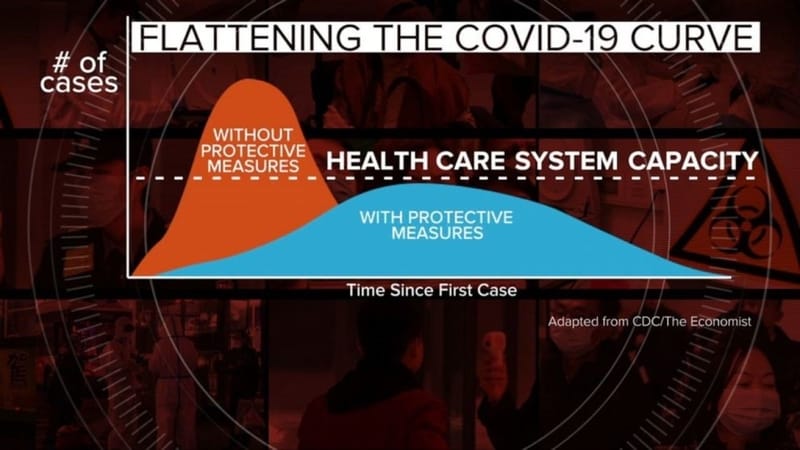
At Safe Food Training, we recognize that we’re now in unprecedented times. Government mandates call for reduced service, including a statewide appeal to restaurants to close dining rooms and offer takeout or delivery only. MN certified food protection managers must now respond to the COVID-19 threat and flattening the curve as well as keeping food safe for customers.

A Minnesota Certified Food Protection Manager's Response to COVID-19
Image credit:CDC/The Economist

Lessons for Minnesota Certified Food Protection Managers Taken from West Coast Response to COVID-19

Over the course of our years of food safety training, we’ve been fortunate to not only make contacts with foodservice professionals in our state but keep in touch with contacts elsewhere. With the current situation involving the coronavirus, we’ve been in touch with a friend and colleague who currently resides in the Seattle metro area. If you’ve been following the news, Washington State has the unfortunate distinction of having some of the first cases of the virus, as well as being one of the leaders in the United States in positive cases and fatalities. We’ve reached out to learn more about how the restaurant industry is responding in an effort to see what they can do in our state to help slow this epidemic.

As you are already aware, the Governor of Minnesota has already asked restaurants to limit access to restaurants and bars by closing dining rooms and providing takeout service, drive-thru or delivery on March 17th. Washington State issued a similar edict taking place on the same day. This should be good news for Minnesota restaurateurs. Not waiting until exposure levels of COVID-19 reach Washington State levels gives us the potential to return to business as usual sooner rather than later. At the time of our conversation with our connection in Washington, Minnesota has only one COVID-19 fatality among 137 positive cases. Washington has over 1,500 confirmed cases of COVID-19 with 83 deaths, with more cases expected daily. Our Seattle colleague is hearing that due to the delay in action, restaurants in some counties are preparing to close longer than their mandated 14 days.

So how should certified food protection managers process these COVID-19 statistics? Granted, we are not Washington State, but we’re talking about a virus that currently has no vaccine or FDA approved treatment. We should be very concerned with the health and wellbeing of our customers and their families. The sooner we see results and a decline in cases, the sooner we can get our restaurants open and profitable again.

It’d take quite some time to cover everything in our discussion with our friend in Seattle, but we hope to break some of that information down to share with you soon. Here are some of the things health inspectors and foodservice business owners in the Pacific Northwest are currently recommending to stem the tide of COVID-19 :

  • Increase handwashing frequency
  • Increase the frequency of sanitation, especially at pick up counters guests may visit
  • Take social distancing seriously
  • Provide curbside pickup unless impossible
  • Take credit card information via phone to limit contact
  • Close when necessary or reduce hours of operation to only cover dining hours; mainly breakfast, lunch and dinner
  • Reduce menu options to reduce waste

Safe Food Training will do whatever we can to update and provide as much information as we can to help certified food protection managers navigate these tough times caused by COVID-19. How are you dealing with the new restrictions on food service during this outbreak?

Will food safety ratings be the defining issue of the 2020 election?

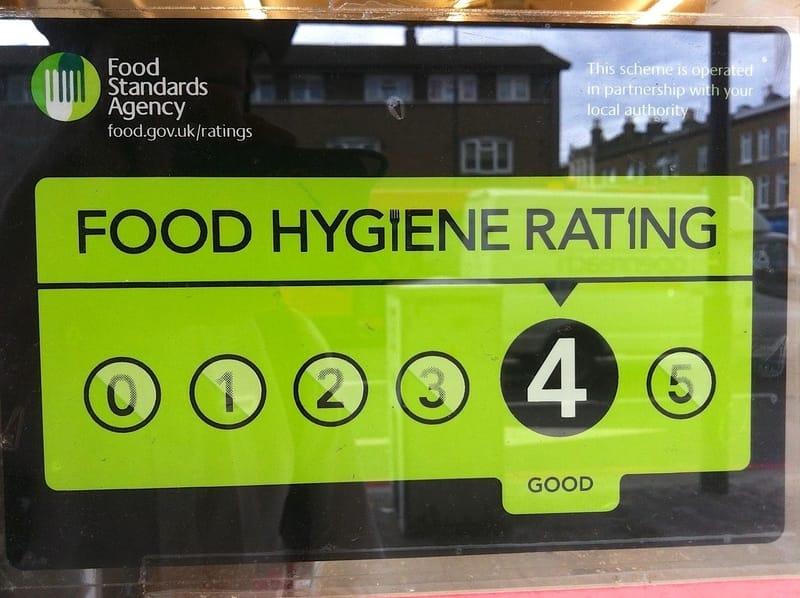
In a recent interview on The Tonight Show with Jimmy Fallon , Presidential candidate Mike Bloomberg mentioned health and food safety (3:34) as one of the pressing issues our country needs to address. During the discussion, he referenced New York City’s requirement to post food safety ratings in the entryway so customers can see just how well their favorite local restaurants performed on their last health inspection. New York isn’t the only city to post-inspection grades, as several states and municipalities also require restaurants to post their grades. It makes us wonder, would this requirement improve food safety in our state?

Food Safety Rating near entrance

Public Food Safety Ratings

When assessing the effects of any new regulation, our goal is to assess whether or not it will be effective in keeping food safe. Will an easily viewable public disclosure of health inspection results keep the food served in local restaurants safe and improve the overall risk of foodborne illness?

This is one case where certified food protection managers can use food safety training to not only to prevent foodborne contamination but to bring in more revenue. If your restaurant receives a two out of five stars, a C- or sickly gray face, customers may choose to move on, but if your restaurant is getting an A+, it won’t only be a deciding factor in drawing in guests, it’s probably something they’re going to tell their friends about.

This may also put added pressure on certified food protection managers to ensure that there are no lapses in food safety training. A health inspection usually comes unannounced and unexpected. If your staff is continually following health department protocols to the letter, you should have nothing to worry about. Without publicly posted food safety ratings, there may be less pressure to provide thorough training on every aspect of food safety. One slip could reduce your grade, and even if you take steps to address issues following your health inspection, potential customers will see your low grades until your next review.

How would you feel about having your restaurant’s food safety ratings posted where all of your guests can see?