
Deck the Halls with protocols

Deck The Halls With Protocols

By Tim Niles, Safe Food Training Lead Trainer and Poet Laureate

It’s late in December
Santa is loading his slay
But he is still concerned
COVID will ruin the day

This crazy year
Has come with a twist
Santa had to create
A much different list

Image credit: lacheev via 123rf

Daily COVID testing
For both Santa and elves
Has disrupted the supply chain
For stocking the shelves

The reindeer are practicing
Takeoffs and landings
But they are all wearing masks
And it has proved quite demanding

If we run into fog
While pulling the sleigh
A mask covered Rudolph
Will not save the day

Image credit: tom19275 via 123rf

And entering countries
Is getting quite hard
Some want a negative test
And a vaccination card

All of the rituals
Are getting too weird
You try to eat cookies
Through a mask covered beard

How about the mistletoe
A cherished tradition…
It’s just not quite the same
With a plastic partition

Being dressed up in a mall
With a child in my lap
Has been replaced with a Zoom call
Where I look like crap

With the polar ice cap
That is currently cracking
I should skip the whole thing
And get started packing

But just when you think
That Santa might quit
Mrs. Claus rescues the day
By throwing a fit

Think of the kids
And all they’ve been through
They all had to adapt
And be flexible too

So eat a big dinner
And get on the suit
Or else your behind
Will find my foot with a boot

Santa came to his senses
Put a smile on his face
And let his kindness make the world
A much better place

The presents are coming
So no need to fret
But with backorders everywhere
You’ll get what you get

So enjoy all you can
With no more complaining
Happy Holiday to you all
From Safe Food Training
Food recall procedures that servsafe managers need to know

Expert Food Recall Procedures ServSafe Managers Need To Know

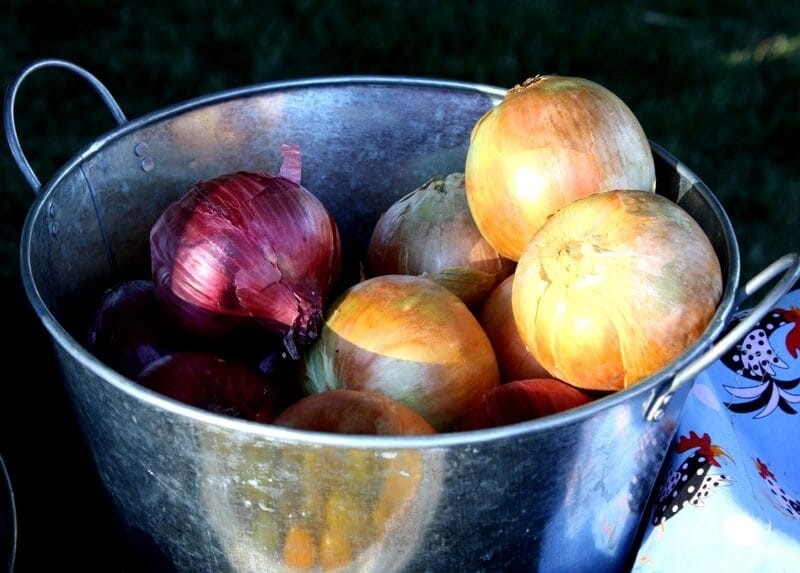
Recently, Green Giant announced a voluntary recall on yellow and white onions. Minnesota ServSafe managers should pay close attention to this recall since many of the delivery locations are in the state of Minnesota. This may be a good time to check your inventory for white and yellow onions to make sure that you don’t have any sitting in storage. It’s also prudent to review procedures Minnesota ServSafe managers should use to handle major food recall notices.

Green Giant Onion Recall Procedures ServSafe Managers need to know
Image credit: PPD via Pixnio

Procedures for Responding to the Onion Recall for ServSafe Food Managers

Some recalls affect the food industry more than others, and this onion recall impacts nearly every food business in areas where the recall is in effect. Onions are a staple ingredient in every food business, so what procedures should ServSafe food managers do when impacted by a recall of this scale?

Discarding recalled ingredients and prepared product which includes tainted ingredients should be the first step. Your guests’ safety must be a top priority, replacing these ingredients should come second.

Finding an alternative for necessities should only occur after you’ve cleared your storage of recalled products. Bringing in untainted ingredients while you still have recalled produce in storage could lead to a mix-up between tainted and untainted ingredients. You may want to order a replacement product as soon as you hear of a recall, but don’t stall on clearing health hazards before receiving a new shipment.

Most foodservice suppliers should have checked UPC codes and other information concerning a recall before sending you a replacement, but ServSafe managers should do their due diligence and verify their new product has not been affected. You may also have to consider going without due to scarcity during a recall. In that instance, informing your guests that onions, or any recalled ingredient, are being removed from the menu for their health and safety will keep them informed as to why some menu items may look different than normal.

Have your Servsafe food managers documented a recall procedure? Have you ever had to take steps to alter your menu during a recall?

Tremendous Food Safety Manager Training Tips Focused On Autumn

Tremendous Food Safety Manager Training Tips Focused On Autumn

We focus a lot on food safety manager training in the kitchen, but did you realize that the fall season creates food safety risks outside of your building that may present a health threat? Just as the seasons change outdoors, food safety managers should make changes to their food safety training plan once the summer is over. This week we’ll highlight food safety manager training tips on potential outdoor food safety hazards that are especially prevalent in the fall.

Tremendous Food Safety Manager Training Tips Focused On Autumn
Image credit: viewapart via 123rf

Food Safety Manager Training Guide For Autumn

When the leaves begin to turn color and the geese prepare to fly south for the winter, Minnesotans also flock to the outdoors to enjoy the beauty of the fall season. This brings many potential guests to your establishment no matter what part of our great state you hail from, so you should be prepared to fight off food safety risks that may originate in outside of your business. Some common places fall food safety hazards begin include:

  • Dead leaves or decomposing vegetation in planters
  • Clogged storm drains or gutters
  • Dumpsters and recycling containers
  • Pest traps

The first three items on the list are common breeding grounds for gnats, flies and other insects that may infiltrate your food business. Potted plants, floral trees and other natural displays are quite attractive in the spring and summer, but once they begin to shed their leaves or die with the coming of the colder weather, they can host invasive insects, mice and rats. It’s important to maintain your plant fixtures and know when to remove them before they can attract pests that may enter your facility. Removing dead leaves and ensuring the perimeter of your building is free from decaying plant life will reduce the potential of pests from entering your establishment.

Insects also breed in areas of standing water. The fall rains may tax your gutters and outdoor drain systems. If your facility relies on these types of outdoor drainage systems, take steps to ensure that they aren’t clogged to prevent standing water. Your garbage and recycling containers also retain water if they are exposed to the rain. Try to make sure that they are covered in the fall or have proper drainage to prevent water buildup.

The final food safety manager training tip, pests seem to be more prevalent in the fall, so if you rely on fruit fly strips or other pest prevention traps, make sure they are checked and replaced frequently. A full trap will allow pests to go elsewhere, probably into your kitchen.

Do keep an eye on the exterior of your establishment during the fall season to prevent food safety hazards? Do you have other autumn tips for food safety manager training?

Front Of House Food Safety Precautions

Scary Simple Front Of House Food Safety Precautions

Kitchen personnel have easy access to gloves, serving utensils and other tools to help them avoid bare hand contact with any ready-to-eat foods, but servers, bar tenders and busboys tend to have a much more hectic pace to their routine and may be further away from supplies when it comes to bare hand contact and ready-to-eat foods. With a few simple precautions, we can ensure that the front of the house keeps the same food safety standards as the kitchen.

Front Of House Food Safety Precautions
Image credit: PXfuel

Avoiding Front Of House Bare Hand Contact with Ready-to-Eat Foods Has A Huge Impact on Food Safety

The Minnesota Food Code states that there can be no bare hand contact with food that is ready to serve. This includes cooked foods, raw fruits and vegetables and any other items ready for consumption. For the kitchen, this is pretty straight forward, but bar tenders and servers come into contact with these types of foods as well. Some examples include:

  • Fresh bread
  • Garnishes for drinks
  • Leftovers to be boxed up
  • Unique items held at server stations

Bread, garnishes, drinks and leftovers cannot be handled with bare hands. There are also some unique situations that can be a food safety hazard when handled with bare hands such as table snacks, fruit and vegetable slices for kid’s meals and a number of other possibilities. Just remember, if the food goes directly from its holding place to a customer’s plate, it should be considered a ready-to-eat food.

One-use disposable gloves are recommended when handling ready-to-eat products, but it can be a time consuming reparative task for the hustle of the wait staff’s routine during high-volume service. Tongs, spatulas and other utensils that can easily transport food on to plate or into drinks are acceptable and much easier to use than constantly changing gloves. However, when bagging up leftovers or continually handling garnishes for extended periods of time before returning to the dining room floor, single-use food service gloves may be the best option.

Always remember to wash your hands thoroughly and promote food safety training in the front of the house when it comes to handling ready-to-eat product.

Have you reviewed food safety training procedures for handling prepared food on the dining room floor?