The Truth About Food Safety Managers And Fingernail Hygiene In The Kitchen

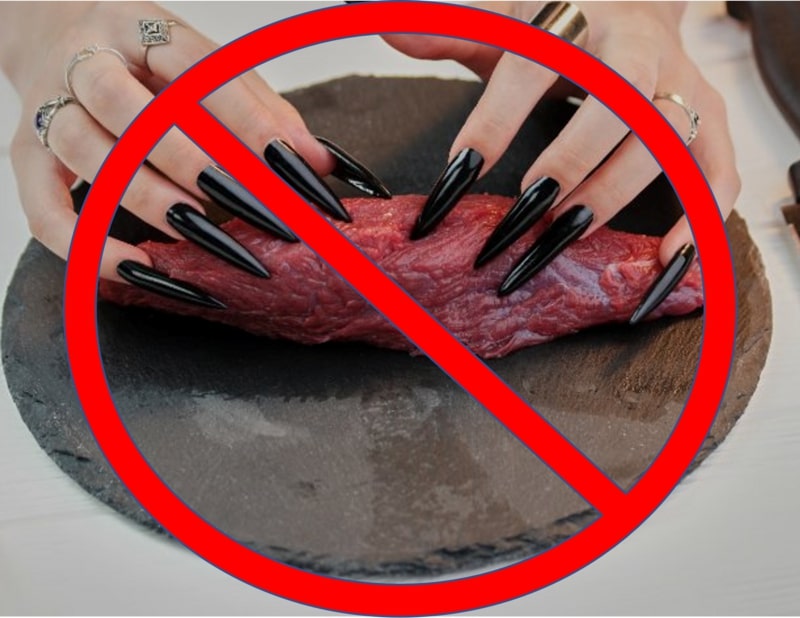
When discussing handwashing station setups with our students, we’ve noticed since finger nail brushes are no longer required, fingernail hygiene training has been often neglected . Even if you wash your hands properly dirt and bacteria can remain trapped under the fingernails creating the risk of pathogens transferring to food that is handled with bare hands. While fingernail maintenance only has two lines in the Minnesota food code, there are some important reasons that food safety managers should not overlook risks poor fingernail hygiene can cause.
Food Safety Managers And Fingernail Hygiene In The Kitchen
Image credit: denisfilm via 123rf

Food Safety Managers and Fingernail Maintenance

Food safety managers should provide fingernail hygiene training concerning:

  • Trimming Fingernails
  • Wearing Gloves over Painted Fingernails
  • Artificial Fingernails

Fingernails must be trimmed and filed so that they are easily cleanable. Rough fingernail tips can become caught in food product and potentially break off into food or onto preparation surfaces. Rough fingernails can also harbor bacteria in the frayed edges, even with proper handwashing, so maintaining smooth nails is much more than a grooming aesthetic. Long fingernails also pose the risk of breakage, even if carefully filed, so make sure nails are an appropriate length.

Food safety managers should enforce good fingernail hygiene by making it clear that painted or artificial fingernails should never come into contact with any type of food product. Managers should make note of poor fingernail hygiene and instruct employees with painted or artificial nails to cover them with gloves at all times in the kitchen.

Have you taken the time to review fingernail maintenance with your kitchen staff?
Minnesota Food Community At The Astonishing 2022 State Fair

Our Astonishing MN Food Community At The State Fair

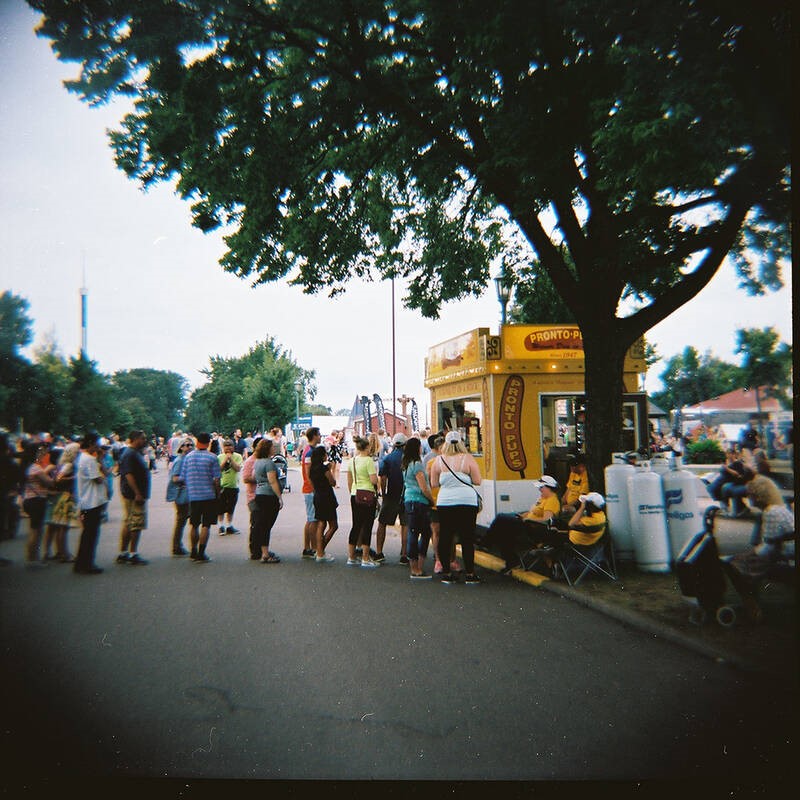
The end of Summer Break is nearly here, and that means it’s time for our annual trip to the Minnesota State Fair. Whether it’s surveying prize-winning livestock, taking in a show at the Grandstands or simply wandering and sightseeing, there’s something for everyone; making it one of the most looked forward to events of the summer. One thing Safe Food Training is really excited about is what the Minnesota food community comes up with. Each year talented chefs seem to push the envelope further and further.

Minnesota Food Community At The Astonishing 2022 State Fair
Image Credit: Joe Passe via Flickr

A Preview of the Minnesota Food Community at this Year’s State Fair

Judging from a preview of Minnesota food community vendors, we’ll have quite the challenge of deciding which new foods from the mn food community to sample. With everything from Venezuelan pulled pork to breakfast gnocchi, we may actually need to take several days off of teaching food safety training classes to get our fill. Some highlights we’ve seen include:

  • Pickle Pizza
  • Tandoori Rolls
  • French Vegan Sliders
  • Sweet Potato Poutine

And that’s just a brief drive-by. We’re definitely going to have to loosen our belts this year. We’re also looking forward to all of the standard fair desserts from the Minnesota food Community. Deep fried ice cream, cotton candy floats and many more selections will tempt fair goers even further.

JUST RELEASED – “The Minnesota State Fair announces 47 brand-new beverages premiering or found only at the 2022 fair. In addition, there will be 43 returning beverages found only at the Great Minnesota Get-Together. In all, the fair features 300+ brews and beverages”. We’re sure that Minnesotan craft brewers will be bringing their best to compliment all of the great foods as we wander from vendor to vendor.

Are you planning on taking in the sights, sound and cuisine of this year’s Minnesota State Fair? We hope we see you there either in front or behind the counter!

How to Create a Food Safety Culture

How To Create A Culture Of Food Safety

Certified ServSafe food managers have the duty to ensure that the food they serve is safe and that their operation adheres to the Minnesota food code, but can they do more to make food safety a habit rather than simple compliance? Creating a culture in your establishment that promotes food safety rather than code compliance greatly reduces the risk of spreading foodborne illness.

How to Create a Food Safety Culture
Image credit: 123rf

Five Tips for Creating a Food Safety Culture

Keeping your entire staff focused on food safety improves awareness concerning foodborne illness risks and keeps food safety on everyone’s mind. Here are five ways ServeSafe food managers can build a food safety culture in their businesses:

  • Management Modeling
  • Explain the Science
  • Ease Access to Food Safety Tools
  • Keep Logs
  • Bring in and Expert for Training

A food safety culture starts at the top, and ServSafe food managers need to lead by example. If you model a pro-food safety attitude, your staff is sure to follow. If your staff sees that food safety is serious, and they know why, then they’ll be more diligent in keeping food safe. Beyond modeling food safety, explaining the science behind food safety regulations helps show the consequences of lax attention to food code rules. Make sure you not only demonstrate how, but explain why your food safety procedures have been implemented.

If you are trying to promote food safety values, it’s also important that your staff has easy access to the tools and record keeping logs that aid in keeping food safe. Make sure every station is stocked with the equipment to prevent bare-hand contact, test temperature of hot and cold product and sanitation. If there’s no readily available equipment to follow food safety procedures, the chances for taking shortcuts increase. You should also consider making record keeping logs available. Temperature logs for held food, product dating notebooks and inventory control logs will paint a visual picture of important procedures that keep food illness risk low.

Finally, an outside view of your establishment can open your staffs eyes to food safety risks they may not have been previously aware of. Bringing in a third-party expert for on-site training tailored to your unique facility gives you a focused look at how food safety can work in your food business.

How do you foster a culture of food safety in your establishment?

Founder of Safe Food Training

A Tribute To Doug Nick Founder Of Safe Food Training

On January 16th of this year our friend and founder of Safe Food Training, Doug Nick passed away unexpectedly. Doug founded the company in 1998 and built it from the ground up. He retired from the business operations in 2011 but stayed active as an instructor for several years after that.

Doug Nick Founder of Safe Food Training

Doug founded Safe Food Training with the intent of providing an informative and productive learning environment that also was fun and interactive. He would often say people do not learn well when they are bored to tears. We adhere to those principals to this day.

Doug was a business partner, friend and mentor for me and I truly appreciate all that he did for myself and the business to assure it would continue to thrive.

There are a few people in your life who really make a huge and positive lasting impact. Doug Nick was one of those people in my life and I am forever grateful.

You are missed.

Tim Niles