Posts

New Food Safety Management Training For Facilities Serving Susceptible Populations

New Food Safety Management Training For Facilities Serving Susceptible Populations

Some recent updates to guidelines involving facilities that house or serve susceptible populations, and a few of those updates directly address food safety management training in these types of businesses. It may not be a rewrite of the actual code, but the Minnesota Department of Health has cleared up and outlined equipment guidelines for assisted living facilities and other outlets that specialize in serving those that may be more prone to foodborne illnesses.

New Food Safety Management Training For Facilities Serving Susceptible Populations
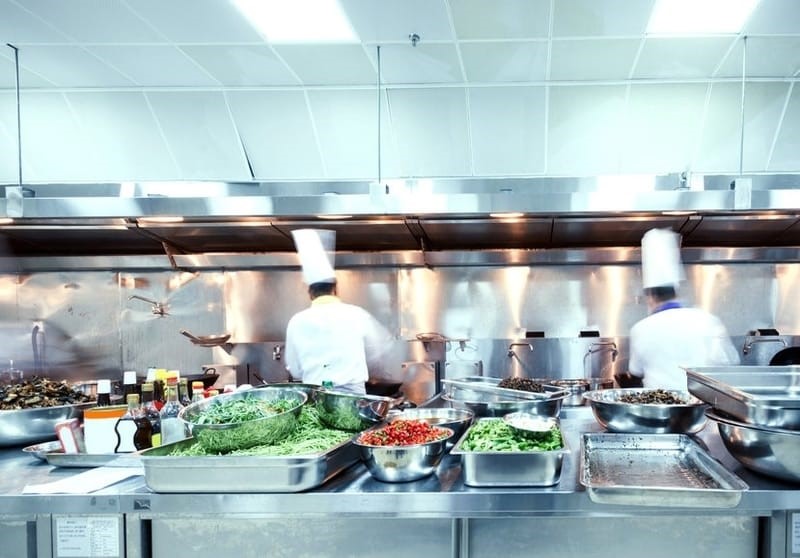
Image credit: snvv via 123rf

New Kitchen Equipment Standards For Facilities Serving Susceptible Populations Will Impact Food Safety Management Training

Most kitchen equipment can be broken down into two categories:

  • Food preparation surfaces
  • Preparation equipment

Proper food safety management training for both of these categories must be certified or classified for proper sanitation by ANSI standards. When talking about food preparation surfaces, surfaces in medical facilities, child care centers, and senior activity centers must be:

  • Corrosion-resistant
  • Able to withstand repeated washing and sanitation
  • Finished with a smooth, cleanable surface
  • Resistant to scratching, pitting and other types of damage from contact with utensils

Food contact surfaces not only include cutting and mixing surfaces, but also include equipment that contains a surface that cooks food. Flattop grills, steam kettles and other devices that cook food must meet these standards. Food preparation equipment outside of preparation surfaces can include:

  • Walk-in refrigerators and freezers
  • Mechanical warewashing machines
  • Ice machines
  • Cooking equipment besides microwaves and toasters

With few exceptions, most cooking and mechanical equipment used to prepare food in facilities that serve a susceptible population must meet an ANSI standard. Food safety management training will point you to a sticker or emblem somewhere on your equipment that shows if it has been certified. Common certifications include:

  • NSF International (NSF)
  • ETl Sanitation
  • Underwriters Laboratory (UL)
  • Baking Industry Sanitation Standards Committee (BISSC)

If you serve susceptible populations have you updated the food safety management training you provide to your staff?
Food Safety Manager Guide To Renovations And Equipment Certification

Valuable Guide To Equipment Certification For Food Safety Managers

Many restaurateurs have been putting off kitchen renovations while waiting for business to pick up, and now that the economy is moving again and food safety managers have access to government backed loans that can be used for improvements, industrial kitchen renovations are on the rise. Food business owners cannot simply install any piece of equipment they want when upgrading their facility, so what exactly does the Minnesota food code require when it comes to equipment certification? We’ve created this guide to equipment certification for food safety managers

Valuable Guide To Equipment Certification For Food Safety Managers
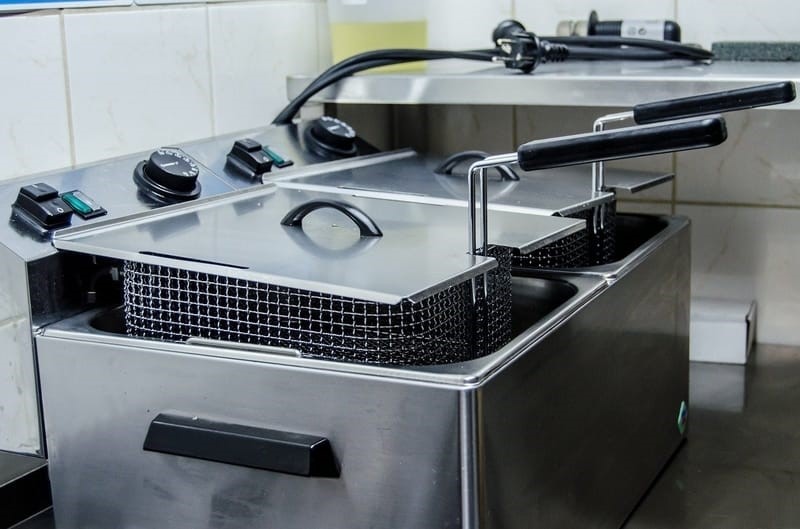
Image credit: Michal Jarmoluk via Pixabay

Equipment Certification Rules and Food Safety Managers

If you’re shopping for new industrial restaurant equipment, be aware that most mechanical, storage, refrigeration and cooking equipment must be certified by an American National Standards Institute (ANSI) accredited certification program. The most common ANSI certification programs include:

  • NSF International (NSF)
  • Intertek (ETL Sanitation)
  • Underwriters Laboratory (UL)
  • Baking Industry Sanitation Standard Committee (BISSC)

While these aren’t the only ANSI accredited programs, chances are if you’re purchasing your hardware from a major distributor, food safety managers should easily find an equipment certification sticker backed by one of these standards. If you’re unsure, the paperwork included in your purchase should document whether or not your equipment has been approved by one of these standards.

Most large industrial equipment will generally require certification. Items that must be certified for use include:

  • Mechanical warewashing equipment
  • Mechanical meat tenderizers, slicers and grinders
  • Walk-in freezers and refrigerators
  • Cooking equipment
  • Food preparation surfaces and warewashing sinks

There are a few exceptions to certification standards. Food safety managers don’t need to be concerned about certifications for toasters, microwaves and other small appliances. Special event food stands also receive an exemption from certification regulations.

When in doubt about equipment certification, food safety managers should remember your equipment must be designed for commercial use. With the exception of toasters, microwaves and chest freezers, kitchen equipment designed for home use will not have passed certification standards for use in an industrial kitchen.

Do you have any plans on upgrading your kitchen equipment?