
Posts

Buffet Cross Contamination-Buffet

A Food Manager’s Guide to Preventing Buffet Cross-Contamination

As a food manager in Minnesota, you understand the unique appeal of a buffet service. It offers variety and abundance that customers love. However, that same open-service style presents significant food safety challenges, with the primary risk being buffet cross-contamination. A single misstep can compromise an entire food line, potentially leading to a foodborne illness outbreak that could harm your customers and your reputation. Implementing a robust, multi-layered strategy is not just good practice—it’s essential for protecting everyone.

The nature of a self-service line means dozens of people interact with the serving utensils and food, creating numerous opportunities for germs to spread. Therefore, your prevention plan must be comprehensive, covering everything from staff hygiene to the layout of the buffet itself.

Build a Foundation of Impeccable Hygiene

Prevent cross contamination at the buffet table!- Buffet table

Prevent cross contamination at the buffet table!

The first line of defense against foodborne illness is always your team. Pathogens are most commonly transferred by hands, making strict hygiene protocols the cornerstone of buffet safety. These standards must be non-negotiable for every person working in your establishment.

  • Implement Proper Handwashing: This is the single most critical habit. Staff must wash their hands with soap and warm water for at least 20 seconds before their shift, after using the restroom, after handling raw meat, and any time they switching tasks.
  • Train on Correct Glove Use: Disposable gloves can provide a significant barrier, but only when used correctly. Staff should wash their hands before putting on gloves and change them frequently, especially after handling allergens or raw foods. A glove is only as clean as the last thing it touched.
  • Maintain High Personal Hygiene Standards: This includes wearing clean uniforms, using effective hair restraints like hairnets or hats, and removing jewelry that could harbor bacteria or fall into food.

Master Food Handling to Stop Buffet Cross-Contamination

How food is held, stored, and served is critical. Even with clean hands, improper food handling can quickly turn a beautiful buffet into a high-risk zone. Your strategy must focus on controlling temperature and preventing contact between different food types.

  • Monitor Temperatures Vigilantly: Bacteria multiply rapidly in the “temperature danger zonebetween 41°F and 135°F. Use calibrated food thermometers to ensure hot foods stay at or above 135°F and cold foods stay at or below 41°F.
  • Separate Raw and Ready-to-Eat Foods: This rule is absolute, from the walk-in cooler to the serving line. Store raw meats, poultry, and seafood below and away from ready-to-eat items to prevent juices from dripping and contaminating them. Use color-coded cutting boards and utensils for preparation.
  • Enforce the First-In, First-Out (FIFO) Rule: Always use the oldest stock before the newest stock. Using this method ensures the freshest food is served and reduces the risk of using expired or unsafe products.

Control the Point of Service

Buffet Cross Contamination

Stop buffet cross contamination with these tips!

The buffet line itself is where your staff, your food, and your customers all interact. Managing this environment is crucial for preventing the direct and indirect spread of contaminants. Small, consistent actions in this area can make a significant difference.

  • Provide a Utensil for Every Dish: Never allow a single spoon or pair of tongs to be used for more than one dish. This prevents the transfer of allergens and germs between food items. Keep a stock of clean utensils ready and replace any that are dropped or mishandled immediately.
  • Use Protective Sneeze Guards: Sneeze guards are a physical barrier required by health codes for a reason. They protect food from respiratory droplets and other physical contaminants that may come into contact with customers. Ensure they are clean and properly positioned.
  • Encourage Clean Plates for Refills: Politely ask customers to use a fresh plate each time they return to the buffet. This simple step prevents a used plate, which has come into contact with a customer’s hands and saliva, from contaminating the serving utensils and, subsequently, the entire dish.

Preventing buffet cross-contamination requires continuous effort and a well-trained team. These systems are your best defense against foodborne illness and are essential to running a safe and successful buffet service.

Are you confident your team understands every risk, from the temperature danger zone to allergen management? Safe Food Training provides personalized, instructor-led food safety courses for Minnesota food managers and their staff.

Book your initial certification or continuing education session today and build a culture of safety in your establishment.
Romaine lettuce and E. Coli

A CFMs Guide to the 2025 Romaine Lettuce and E. Coli

Romaine lettuce and E. Coli

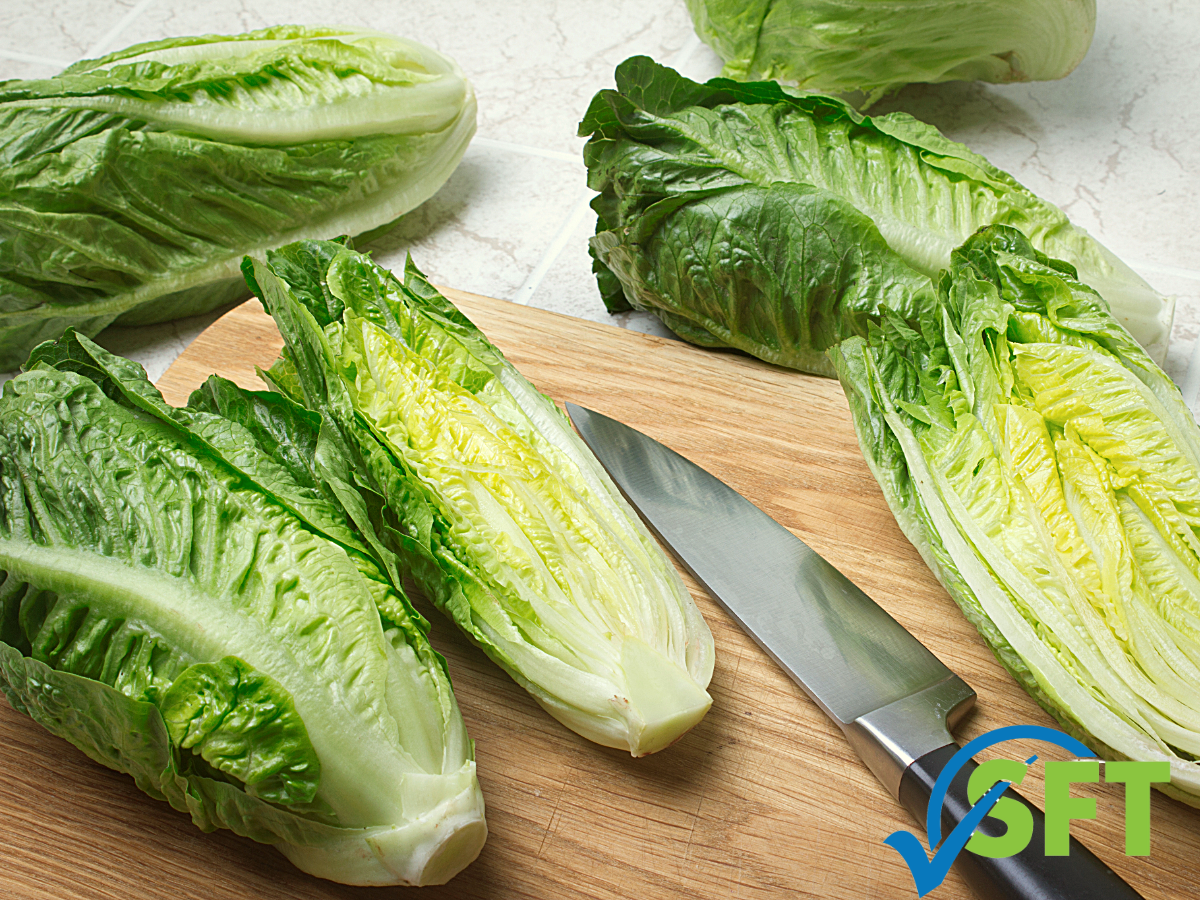
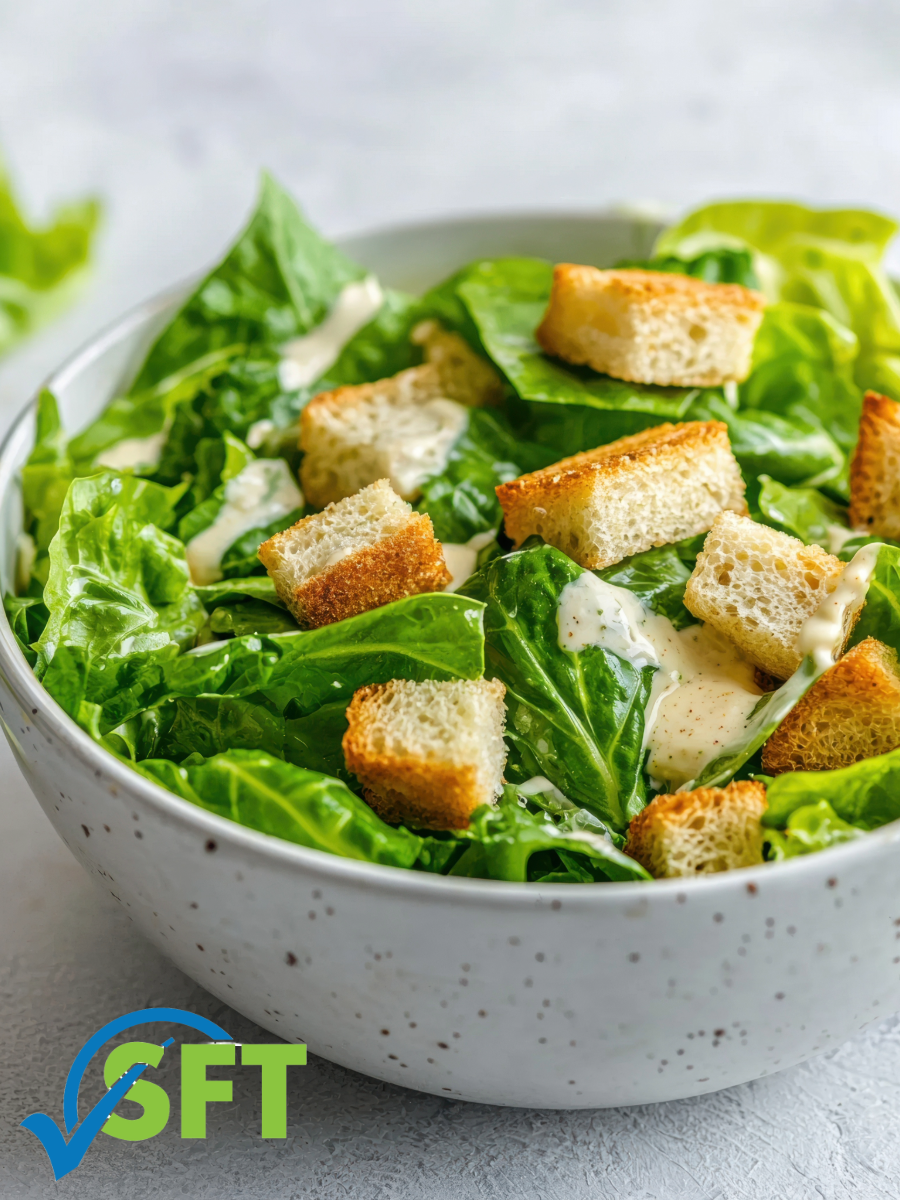
Avoid serving crispy Romaine lettuce and E. Coli at your event with these tips!

In the ever-evolving landscape of food safety, staying informed about current risks is a critical responsibility for every Certified Food Protection Manager. As we navigate 2025, it’s crucial to understand the ongoing concerns surrounding romaine lettuce and E. coli contamination. Recent events have underscored the need for heightened diligence in our sourcing and handling procedures to protect public health effectively.

The persistence of pathogens in leafy greens requires that we, as industry leaders, remain proactive. This means we must be exceptionally thorough in our safety protocols. However, you’re in luck! This guide provides an overview of the current situation, highlights specific risks, and offers actionable steps for your establishment.

Understanding the Recent Romaine Lettuce and E. coli Outbreak

A significant, though not widely publicized, E. coli O157:H7 outbreak linked to romaine lettuce occurred in late 2024.

The incident led to:

  • Nearly 100 illnesses across 15 states
  • 36 hospitalizations
  • Tragically, one death

While federal agencies concluded their investigation in early 2025, the lack of a broad public announcement has left many food safety professionals seeking clarity. Specifically, this event serves as a powerful reminder that leafy greens remain a high-risk food category. Additionally, the CDC has previously estimated that over half of all E. coli O157:H7 illnesses originated from vegetable row crops, such as lettuce.

  • Why it matters: Undisclosed outbreaks mean that contaminated products could have been handled in facilities without staff being aware of the specific risk, reinforcing the need for consistent, universal precautions.
  • Lack of transparency: The decision not to name the specific producer involved in the 2024 outbreak makes complete traceability challenging for on-the-ground managers.
  • Historical Context: This is not an isolated issue. Between 2009 and 2018, the U.S. and Canada saw 32 confirmed or suspected E. coli outbreaks linked to leafy greens, demonstrating a persistent vulnerability in the supply chain.

The Elevated Risk of Pre-Cut and Processed Lettuce

However, as a CFSM, it’s vital to recognize that the risk is not uniform across all types of lettuce. Health experts and scientific studies indicate an increased risk associated with pre-bagged and chopped lettuce products. The physical act of chopping or tearing leaves creates more entry points for pathogens and releases plant juices that can act as a nutrient source for bacteria.

  • Cellular Damage: Research has shown that E. coli populations can multiply significantly more on damaged or cut lettuce leaves compared to intact ones. One study found pathogen growth was over 10 times higher on shredded lettuce than on whole leaves.
  • Regulatory Classification: Because of these risks, the FDA classifies pre-cut, washed, and packaged leafy greens as a “Potentially Hazardous Food (PHF)” that requires strict time and temperature control for safety (TCS).
  • Cross-Contamination Potential: Centralized washing and processing of large batches of lettuce means that if one head is contaminated, the pathogens can easily spread to the entire lot.

Proactive Safety Measures for Your Establishment

Romaine lettuce and E. Coli

Don’t serve romaine lettuce and E. coli for your appetizer.

Given the current concerns, every food service establishment must reinforce its safety protocols for leafy greens. Complacency is the enemy of food safety. As a manager, you are the first line of defense in preventing foodborne illness. Implement and rigorously enforce the following procedures. Here are some tips to reduce romaine lettuce and E. coli outbreaks:

  • Verify Your Source and Inspect Deliveries: Work closely with your suppliers to understand their safety protocols and procedures. Upon delivery, meticulously inspect all leafy greens. Reject any shipments that are not properly refrigerated. This means cut greens must be 41°F or below. Additionally, it includes lettuce with signs of damage, wilting, or decay.
  • Enforce Strict Handling and Preparation Rules:
  • Washing: Wash whole heads of lettuce thoroughly under clean, running water before they are cut. Do not re-wash products that are packaged and labeled as “ready-to-eat.
  • Cross-Contamination: Use dedicated, sanitized cutting boards, knives, and utensils for all produce to prevent contact with raw meat or other contaminants.
  • Hygiene: Ensure all staff follow impeccable handwashing procedures before and after handling produce.
  • Prioritize Temperature Control: The moment lettuce is chopped or cut, it must be maintained at or below 41°F to inhibit bacterial growth. Regularly monitor and log temperatures in your storage units to ensure compliance and safety.

The role of a Certified Food Protection Manager extends beyond daily operations. It’s about creating a culture of safety and vigilance. These recent outbreaks with romaine lettuce and E. coli are a clear signal that we must continuously refine our standards.

Protect your customers and your reputation. If you and your team need to renew your credentials or achieve initial certification, consider our personalized 8-hour food manager courses. Safe Food Training offers expert, instructor-led options tailored to the specific needs of professionals in Minnesota. Book your continuing education or initial certification training now.


service animals in restaurants

Service Animals in Restaurants: Vital Rules You Must Know Now

As a Certified Food Protection Manager in Minnesota, you know that balancing public health regulations with excellent customer service is a daily priority. A key part of this is understanding how to accommodate service animals properly in restaurants. This isn’t just about following the law; it’s about creating an inclusive and welcoming environment for all guests, including the half a million American adults with disabilities who rely on service animals to navigate their daily lives.

Understanding the Legal Definition of a Service Animal

service animals in restaurants

Learn the rules for service animals in restaurants!

The foundation of proper handling is knowing exactly what constitutes a service animal under the law. The Americans with Disabilities Act (ADA) has a specific definition that distinguishes these animals from pets or emotional support animals. Getting this distinction right is the first step in confident and compliant service.

  • What a Service Animal Is: Under the ADA, a service animal is a dog that has been individually trained to do work or perform specific tasks for a person with a disability. The service animal’s tasks must directly relate to the person’s disability.

  • Emotional Support Animals Are Different: It’s crucial to understand that emotional support, therapy, comfort, or companion animals are not considered service animals under the ADA. These animals have not been trained to perform a specific job or task and, therefore, are not granted the same legal access to public places like restaurants.

  • The Two Questions You Can Ask: Your staff is legally permitted to ask only two questions when the need for a service animal is not obvious: (1) “Is the dog a service animal required because of a disability?” and (2) “What work or task has the dog been trained to perform?” You cannot ask about the person’s disability or demand any documentation.

Your Legal Obligations for Service Animals in Restaurants

Once a service animal is identified, your obligations are clear. The ADA mandates that service animals in restaurants be allowed to go wherever customers are generally allowed. This federal law supersedes any local health codes that might otherwise prohibit animals in a dining establishment.

  • No Extra Charges or Segregation: You cannot charge a customer a fee for bringing a service animal, nor can you require them to sit in a specific section of your restaurant. They must be treated like any other guest.

  • When You Can Ask an Animal to Leave: Your right to remove a service animal is very limited. You may only request that an animal be removed if it is out of control and poses a threat to others. This includes excessive barking or jumping on other people. Additionally, if the handler does not take effective action to control it, or if the animal is not housebroken.

  • Allergies and Fear Are Not Grounds for Removal: A common concern is the reaction of other patrons. However, allergies or a fear of dogs are not valid reasons for denying access or refusing service to a person with a service animal. Staff should manage these situations by relocating the concerned patron to a different area, if possible.

Best Practices for Staff Training and Patron Communication

Are service animals in restaurants okay?

Are service animals in restaurants okay?

Proactive training is the most effective tool for ensuring smooth interactions and avoiding legal missteps with service animals in restaurants. When your team is confident in the rules, they can handle any situation with professionalism and grace, protecting both the customer’s rights and your business’s reputation.

  • Train for Real-World Scenarios: Your training should go beyond the basics. Role-play scenarios with your staff on how to ask the two permissible questions, how to politely explain the policy to other guests who may complain, and how to address a situation where a service animal is being disruptive.

  • Keep Food Safety in Mind: While service animals are allowed in dining areas, they can be legally excluded from food preparation areas, such as the kitchen. Ensure your staff understands this distinction to maintain compliance with health codes.

  • Educate All Customers: Consider placing a small, professionally worded sign near your entrance that states your compliance with ADA regulations regarding service animals. This can help educate all patrons and prevent misunderstandings before they arise.

Navigating the rules for service animals in restaurants is a critical skill for every Certified Food Protection Manager. Proper training ensures you can serve all members of your community safely and legally.

Ensure you and your team are fully prepared to meet all of Minnesota’s food safety and public health standards

Enroll in our personalized, instructor-led Certified Food Protection Manager course with Safe Food Handling in Minnesota today.

marinade safety

The Truth About Marinade Safety: A Guide to ServSafe MN Standards for Your Minnesota Food License

Mastering Marinade Safety: A Guide to ServSafe MN Standards for Your Minnesota Food License

marinade safety

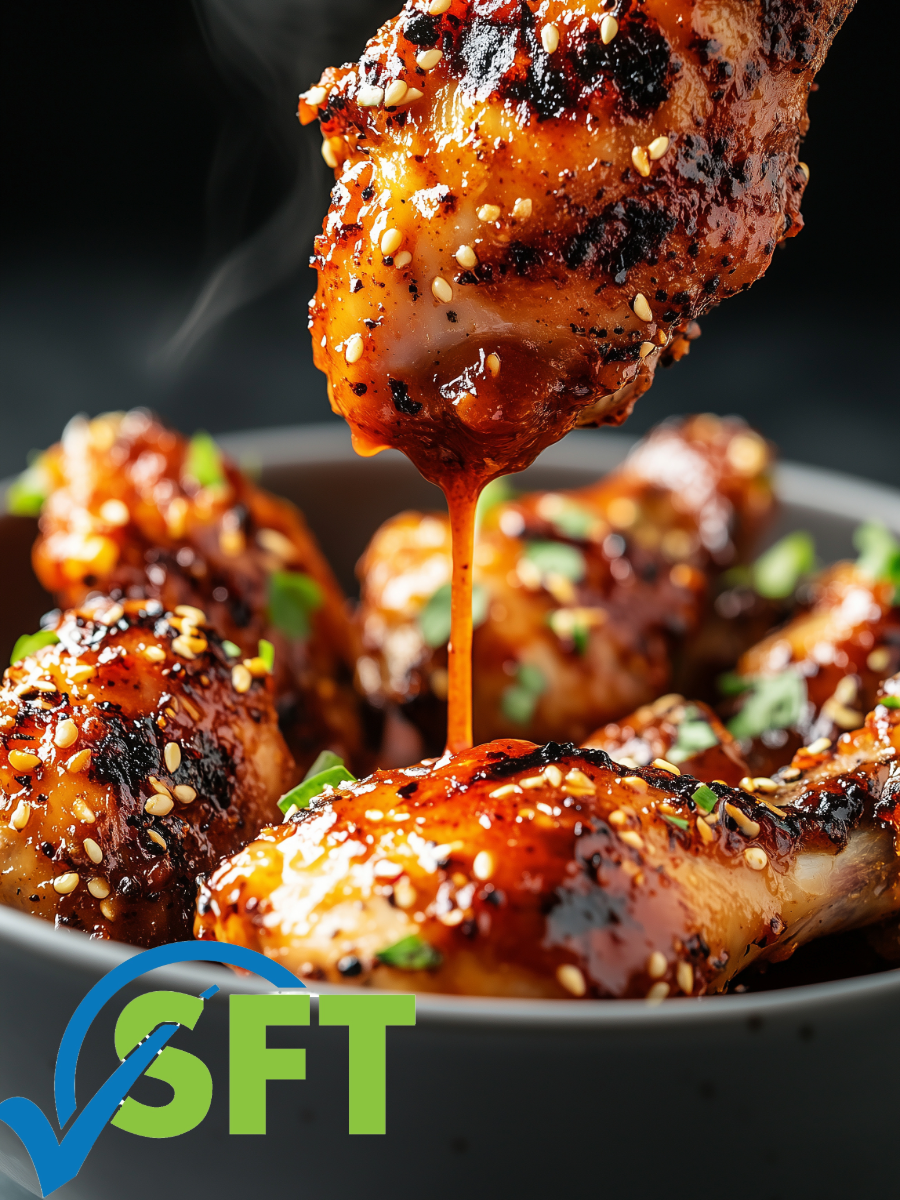
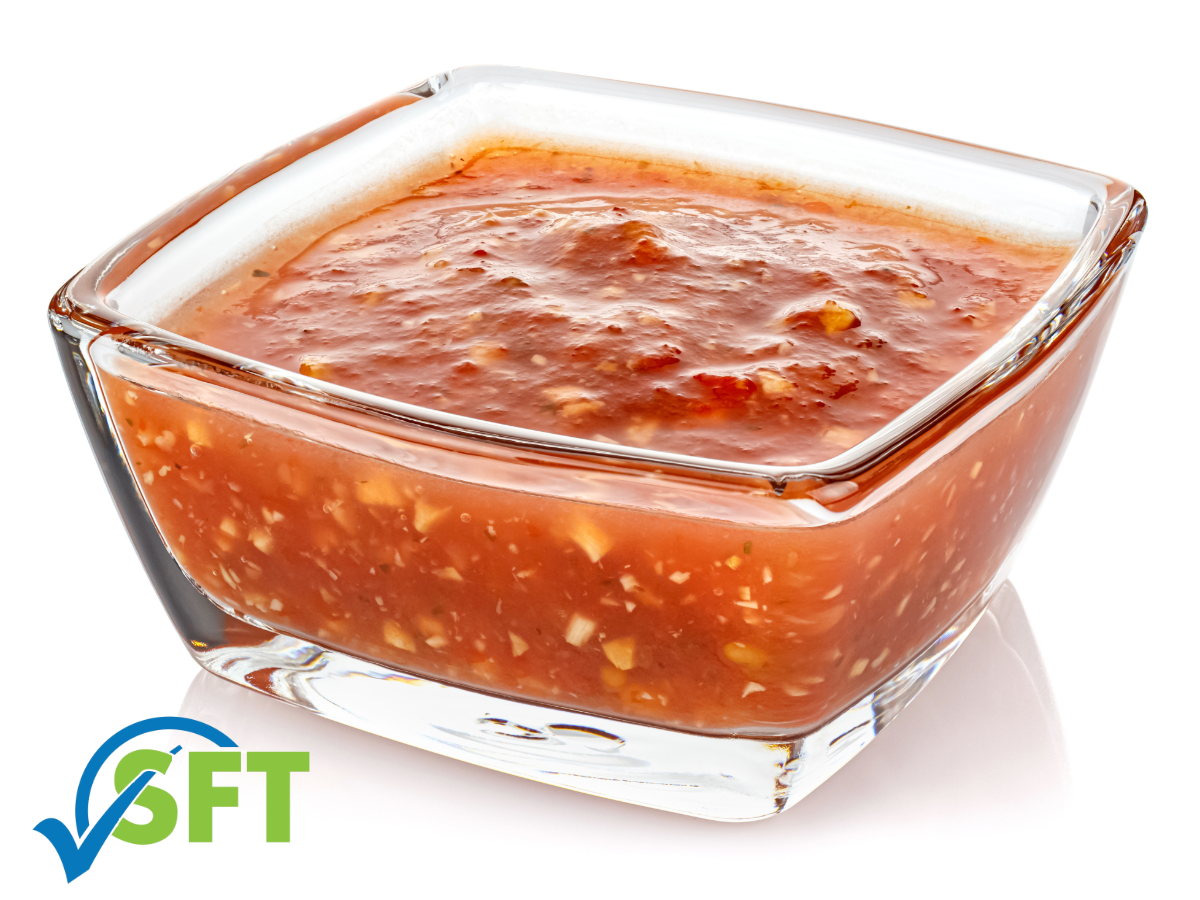
Master marinade safety with Safe Food Handling!

A well-crafted marinade can elevate a dish from good to unforgettable, adding layers of flavor and essential moisture. As a certified food protection manager in Minnesota, you know that great taste must always go hand in hand with impeccable safety standards. Proper food handling is a cornerstone of your Minnesota food license, and that includes how you prepare, store, and use marinades and brines in accordance with ServSafe MN Standards.

While marinades work their magic on meats, they can also become a breeding ground for harmful bacteria if not managed carefully. Understanding these risks and implementing strict protocols is not just good practice—it’s essential for protecting your guests and your business. Let’s explore three critical areas of marinade safety.

1. Preventing Cross-Contamination

The single most significant risk associated with marinades is cross-contamination. When raw meat, poultry, or seafood soaks in a marinade, the liquid becomes contaminated with any pathogens present on the meat. According to the CDC, approximately 1 in 6 Americans falls ill from foodborne diseases each year. Many of these illnesses are preventable when a certified food protection manager enforces proper kitchen hygiene.

To ensure your marinated dishes are safe, you must treat the marinade with the same caution as the raw meat, poultry, and fish themselves.

  • Isolate Your Materials: Always use dedicated, non-porous containers for marinating. Never place other foods, especially fresh produce, next to marinating items. Use separate utensils and cutting boards.
  • Strategic Storage: Store marinating food on the bottom shelf of your refrigerator to prevent it from spoiling. This simple step prevents contaminated liquid from accidentally dripping onto and contaminating other foods stored below.
  • Wash Your Hands Thoroughly: It’s a basic rule of any food safety certification MN program, but it bears repeating. Always wash your hands with soap and water after handling raw or marinated products.

2. The Dangers of Reusing Marinades

It can be tempting to reuse a flavorful brine or marinade to reduce food costs, but this practice is dangerous and significantly increases the risk of foodborne illness. Because raw meat contaminates a marinade, you must discard it.

  • Understand Bacterial Transfer: Raw meats naturally contain bacteria, such as Salmonella and Campylobacter. These pathogens leach into the marinade as the food soaks, and they can multiply to dangerous levels.
  • Avoid Contaminating New Product: If you add a fresh piece of meat to a used marinade, you are directly transferring bacteria from the previous batch. This act defeats other safety protocols and puts your customers at direct risk.
  • Never Use Old Marinade as a Glaze: Brushing a used marinade onto cooking or cooked meat is a major food safety violation. You are coating your nearly finished product with a layer of raw-meat bacteria. If you want to use a marinade as a sauce or glaze, you must use a fresh portion that has never come into contact with raw meat or poultry.

3. Proper Labeling and Temperature for Continuing Education Food Safety

Maintaining control over time and temperature is a fundamental skill that is continually reinforced through ongoing education and food safety training. These principles are crucial for every certified food protection manager to master, especially when it comes to marinades, which often contain perishable ingredients themselves, and are essential to uphold ServSafe MN Standards.

  • Date Everything: Record the date of marinade creation and the date of adding meat, poultry, or fish to your marinade labels. This helps you accurately track the shelf life of raw poultry, meat, and fish, ensuring you cook them
    marinade safety

    Are you storing your marinade properly?

    before they expire.
  • Refrigerate Immediately: Always refrigerate marinades at 40°F or below. Leaving a marinade on a counter to “marinate faster” places it squarely in the temperature danger zone (40°F – 140°F), where bacteria can multiply rapidly.
  • Know Your Ingredients: The shelf life of a marinade is also determined by its ingredients. Marinades containing dairy, fresh garlic, or other perishable items have a shorter safe-use window and require strict temperature control.

Uphold Your Safety Standards

Mastering marinade safety is a non-negotiable part of running a professional kitchen and a key responsibility for any certified food protection manager. By focusing on preventing cross-contamination, refusing to reuse marinades, and diligently managing time and temperature, you protect your diners and your reputation, all in accordance with ServSafe MN Standards.

Ensuring every member of your team understands these details is vital for your success. For personalized, instructor-led 8-hour food licensing courses and convenient reminders for your three-year continuing education, Safe Food Training is here to help you in Minnesota.

Book your team’s training now to maintain the highest level of food safety in your establishment!