
Posts

Certified Food Protection Manager And Awesome Summer Ideas For Mollusks

Certified Food Protection Manager And Awesome Summer Ideas For Mollusks

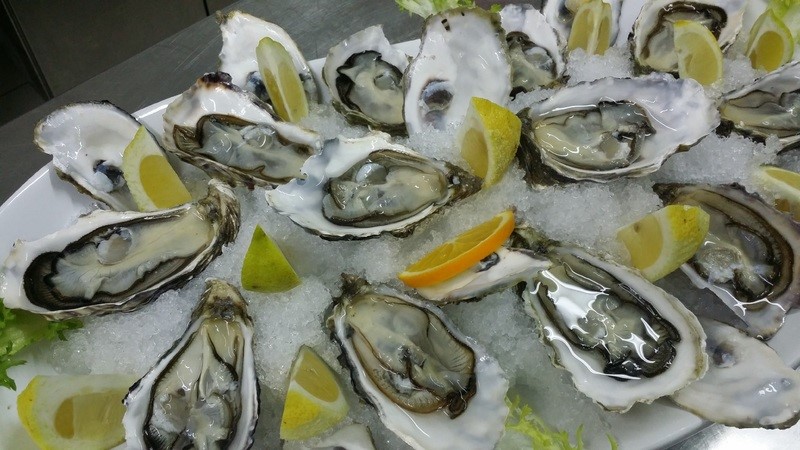
We’ve all heard the advice: Only eat oysters in months ending in “r.” When the temperature of the waters of the Pacific Northwest, Atlantic Coast and the Gulf of Mexico rise, so does the risk of spreading a foodborne illness from a pathogen known as vibriosis. Vibriosis poisoning can cause vomiting, diarrhea and other stomach ailments in most cases. Many times the illness is labeled as minor, if you call spending extra time in the restroom minor, but certain people may be more susceptible to vibriosis and the effects of consuming contaminated oysters, mussels and clams could be deadly. Does this mean that certified food protection managers should pull all mollusks off of their menus as the weather turns warmer?

Certified Food Protection Manager And Summer Ideas For Mollusks
Image credit: pxhere.com

Can Certified Food Protection Managers Serve Oysters in the Summer?

The most common vehicle for vibriosis poisoning is oysters, but mussels and clams can also be culprits, although rarely. Why is that?

Quite simply, mussels and clams are almost always cooked while oysters are commonly served raw on the half shell or in oyster shots. The method of preparation is no coincidence. The pathogen that causes a vibrio infection can be killed by heat, meaning that cooking shellfish completely greatly reduces the risk of exposure.

While we don’t recommend serving raw or undercooked oysters in warmer months, that doesn’t mean this sought after shellfish must vacate menus completely. Oysters can be grilled, sautéed or cooked on the half shell. If you have a clientele that will demand oysters all year long, a talented certified food manager can devise ways to keep molluscan shellfish on the menu without serving them raw.

If you serve mollusks any time of the year, make sure you discuss the water conditions with your suppliers every time you order. Some shellfish farms may experience shortages due to incredibly hot water conditions, pollution or other contaminates in the water. Also keep a close eye on the FDA’s recalls, advisories and outbreaks list.

Finally, certified food protection managers should check the source label that should come with every shipment of molluscan shellfish. If this tag or label is missing, you must not accept delivery. Keep this tag or label for at least 90 days after they were sold or served.

Note: Shellfish cooked before shipment are exempt.

Do you keep mollusks on your menu all year long?
Safely Serving shellfish

Certified Food Manager’s Guide to Safely Serving Shellfish

The waters in the Atlantic and Pacific are getting colder, and that makes it the prime time to eat and serve shellfish. Before the shellfish season begins, let’s take a moment to review food procedures for safely serving shellfish.

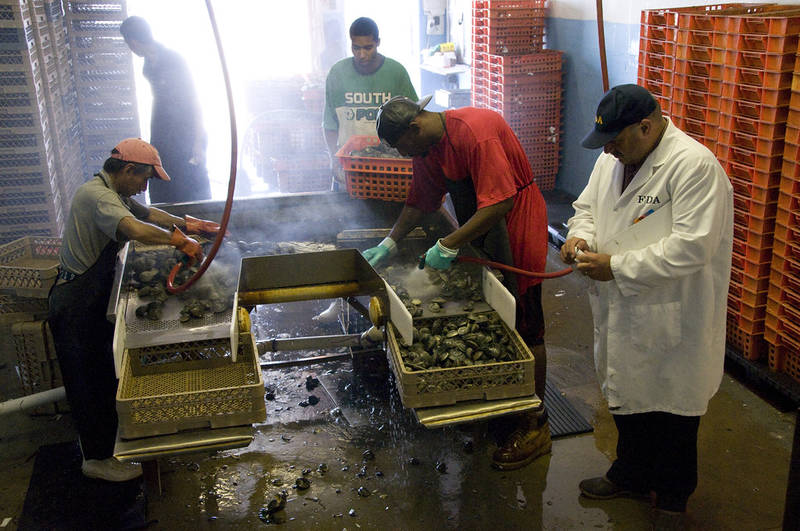
FDA testing shellfish is the first step in safely serving shellfish
Image credit: US Food and Drug Administration

Serving Shellfish Safety

There are a few types of potentially hazardous foods that certified food managers need to take extra care with when processing, molluscan shellfish is one of them. If handled improperly, they can cause catastrophic foodborne illness and pose a life-threatening situation to any guest who may be allergic. Food safety procedures for safely serving shellfish should begin the second they are received at your facility.

All shellfish must come from an approved source. Your local seafood provider should have more information on where your shellfish come from, and chances are most shellfish shipped to Minnesota come from approved waters. You shouldn’t simply accept this, however. All shipments of shellfish must include a tag or label that signifies where it came from and when they were harvested. Each batch must also be stored on its own. Shellfish from one container cannot co-mingle with shellfish from another batch until it’s time to prepare and serve. This helps to keep any bacteria from spreading from one batch to another and also helps identify the source of any batch that may have caused illness. Once these containers are empty, their labels must be stored for 90 days.

To prevent the growth of bacteria and safely serve shellfish, certified food managers should be very careful to keep all raw shellfish stored at 41 degrees or below. Shellfish are sensitive to bacteria growth, so extended times over 41 degrees greatly increase foodborne illness risk.

Shellfish allergies can be severe. We recommend that you designate a specific station in your facility for shellfish preparation. This will greatly reduce the risk that cross-contamination occurs. It’s also important to store shellfish as far away from other product as possible. Another key to safely serving shellfish is never store raw shellfish over ready-to-eat foods or other items in your refrigerated storage.

Finally, it’s important to warn your guests who may be allergic that shellfish are processed in your kitchen. Some allergy sufferers can’t take any chances. A simple disclaimer on your menu should suffice.

Do you serve or prepare shellfish? If so, what steps do you take to serve them safely?