When Should Certified Food Protection Managers Cease Operations for Sanitation

Certified Food Protection Managers Cease Operations

Sometimes health department inspections happen without issues and sometimes minor procedures need to be addressed, but what should be done after a failing a health inspection or the health inspector arrives at your facility after multiple reports of foodborne illness? What should trigger a certified food protection manager to consider a temporary shutdown?

Certified Food Protection Managers Cease Operations
Image credit: PXhere

Knowing When a Certified Food Protection Manager Should Consider Temporary Closure

It’s very important to know the difference between a failed health inspection report that can be addressed without shutting your doors and one that requires a complete shutdown.

Take a recent incident in Colorado involving a Red Robin restaurant for example. After multiple reports of E.coli poisoning and several critical health violations, the management of the restaurant determined that a voluntary closure was necessary to address sanitation issues and complete food safety training for all employees at this location. We don’t know if the local health inspectors would have mandated a shutdown eventually, but it should be noted to the company’s credit that they put the health of their customers over the potential loss of business when word of the shutdown spread.

We should also point out that their Colorado equivalent of our MN certified food protection manager decided to work with the local health department rather than address these issues on their own. In a situation like this, there is no greater expert in the field than your trained health inspector. They know the food codes and potential causes of foodborne illness better than anyone.

Certified food protection manager training in Minnesota does not specifically outline the point when you need to close your doors to address food safety issues, but it should give us a guide to recognize when we have a major problem. If you have an isolated sanitation issue or one or two employees that commit violations due to poor training, you can probably fix these situations without closing your facility. However, if you have several guests reporting sicknesses after eating at your establishment, have a health inspection review with several different of red flags or have known equipment issues that prevent you from protecting your guests, closing your doors temporarily to properly address these issues may be the right thing to do.

Working with your health inspector to address issues is the best way to reopen in a timely manner. If you need a knowledgeable professional to come to your facility to provide training, Safe Food Training can design a course to address specific issues pertinent to your establishment.

New Research into Causes of E.coli Contamination in Romaine

E. coli contamination

With multiple outbreaks linked to E.coli contamination in the past couple of years, romaine lettuce remains a hot topic among food safety experts and researchers searching for answers as to how these outbreaks began. One group of experts has captured and studied whether or not flies can spread E.coli from cattle ranches to fields used for leafy greens.

E. coli contamination
Image credit: DavidCardinez via Pixabay

Past reports have suggested contaminated water supplies or contaminated equipment spread the E.coli from one field to another, but this new research concerning flies has us wondering if there may be an uncontrollable aspect to the spread of bacteria on farms.

Flies and E.coli Contamination on Farms

Before we go any further, it’s important to note that the official research abstract does not in fact link flies to recent E.coli contamination outbreaks, it simply examines the plausibility that flies can transmit the bacteria.

The studies were conducted on fields in Yuma, AZ, near or adjacent to feedlots which can house up to 100,000 cattle at once. Weather trends also show that winds regularly blow through the feedlots and towards fields used to grow leafy greens such as romaine lettuce. These patterns do show that the same flies that feed on manure in the cattle yard are highly capable of visiting both the cattle yards and growing fields in a short amount of time, but can these flies actually be the agent that began a major outbreak?

In order to determine whether flies can be transmitters of E.coli, researchers collected samples of five different varieties of flies in the growing fields and cattle feedlots:

  • House Flies
  • Face Flies
  • Flesh Flies
  • Blow Flies
  • Stable Flies

In samples collected, four out of five species carried E.coli at nearly the same rate, with stable flies still testing positive, but at lower levels. It was also discovered that the rates of flies that carried the E.coli bacteria on feedlots were the same up to 180 meters away from cattle.

While researchers admit that further study is required to determine how much of an impact flies have had on romaine E.coli contamination outbreaks and how much distance should exist between cattle raising areas and leafy green growing fields, it’s interesting to note that potential causes for these outbreaks are more varied than previously thought.

We love coming across studies like this examining alternative causes of food safety hazards. Do you think the food safety protection agencies are doing enough to examining potential causes of E.coli poisoning outbreaks?

ServSafe and Points of Contamination in the Food Production Chain

ServSafe and Food Production

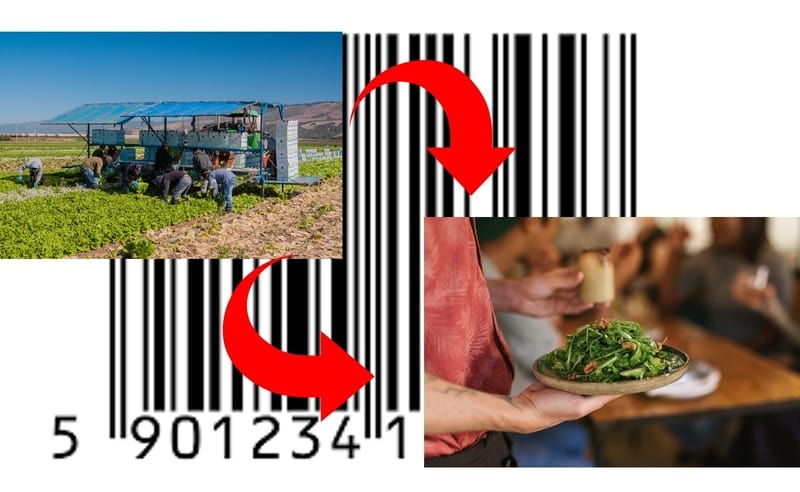
Good food safety training must happen at every step of food production, and sometimes that means knowing where food comes from and where potential points of contamination exist. ServSafe procedures need to be adhered to at nearly every point in production, and that includes points before ingredients are prepared for service.

ServSafe and Food Production
Image credit: USAID via FLICKR

ServSafe and Food Production

While most MN certified ServSafe managers concern themselves with the food safety procedures at their own facility, we feel that it’s important to understand where the risks of contamination exist every step of the food production process. Knowing where your potential food contamination can occur helps you be more vigilant in keeping the food you serve safe. We’ve identified the key places where food can come into contact with bacteria:

  • Initial Production
  • Distribution
  • Preparation
  • Point of Sale

Most major foodborne illness outbreaks occur due to contamination during the initial production, raising or growing of food ingredients. These locations include ranches, farms, fisheries, greenhouses and other specialized facilities where base ingredients are produced. Since this step has one of the highest risks of contamination, ServSafe food managers need to pay attention to food production news concerning produce and meat FDA recalls. Production facilities can also include operations where raw ingredients are canned, frozen or packaged before distribution.

Distribution points are the locations where your food is stored and transported between production and your facility. Points of potential contamination include shipping vehicles, warehouses and other means of transporting ingredients from one location to another. ServSafe managers should inspect items before receipt to check for any signs of damage or contamination.

Preparation is one step that local ServSafe food managers do have control over. This happens in your facility. Make sure that your staff has been fully trained on proper preparation techniques and how to prevent foodborne illnesses.

The point of sale is the final point of potential contamination in the ServSafe food production chain before your product ends up in your customers’ hands or on their table. Sick front-of-the-house staff can pass germs on to guests and undated, improperly packaged and poorly refrigerated grab-and-go items can cause illness due to spoilage or cross-contamination. Make sure that staff members who handle or serve food after preparation are well versed in good food safety habits.

Do you take into account everywhere your ingredients have been when considering food safety training?

Marketing Strategy Tips for Food Service Managers

Marketing Strategy Tips for Food Service Managers

Foodservice managers have a lot on their plate, from food safety training to scheduling to ensuring that they have enough inventory to meet their guests’ needs without waste. That leaves very little time for Minnesota food service managers to create marketing strategies to bring in new business. This week, we have three quick and easy tips that may help boost your food service marketing strategy.

Marketing Strategy Tips for Food Service Managers

Marketing Tips for the Busy Food Service Manager

These three steps can help you begin to develop a marketing strategy:

  • Identify your Niche
  • Define and Outline Your Strategy
  • Utilize Social Media to Create Sharable Content

Before you can create a plan to draw in new customers, you first need to know what you do well and what type of clientele you wish to market to. If you’re an upscale or fine-dining facility, creating a marketing plan directed at families with young children may not be appropriate, and dedicating marketing time to romantic evenings if you operate a lively bar could be a waste of your valuable resources. Knowing, or even creating, your restaurant’s identity is vitally important.

Once you’ve defined your identity, it’s time to outline a strategy. We know food service managers have very little free time, but creating a mission statement and outlining a strategy in writing will help you keep your efforts focused. Are you looking for ways to get current guests to return? Are you looking to increase your customer base by bringing in new guests? Your strategies will be different for each goal. Make sure you put a plan in writing. If you’re looking to increase return trips, you’ll need to reach your guests while they’re in your establishments. You can create incentives for return visits, make guests aware of events or simply make their experience as pleasurable as possible so they’ll want to come back.

Marketing via social media is easy and often free. Here’s where you get a chance to reach guests who have never been to your restaurant and remind guests who follow you that you offer amazing experiences. When creating social media posts, don’t just tell guests why they should give you a try, show them and create content they’ll want to share with their friends. Inject your establishment’s unique flavor and personality into your efforts rather than simply posting weekly specials and photos of your cuisine.

As a food service manager, do you have any marketing strategies that our readers should know about?