
Get Sure Fire Tips From Certified Food Managers For A Safer Kitchen In Hot Weather

Tips From Certified Food Managers For A Safer Kitchen In Hot Weather

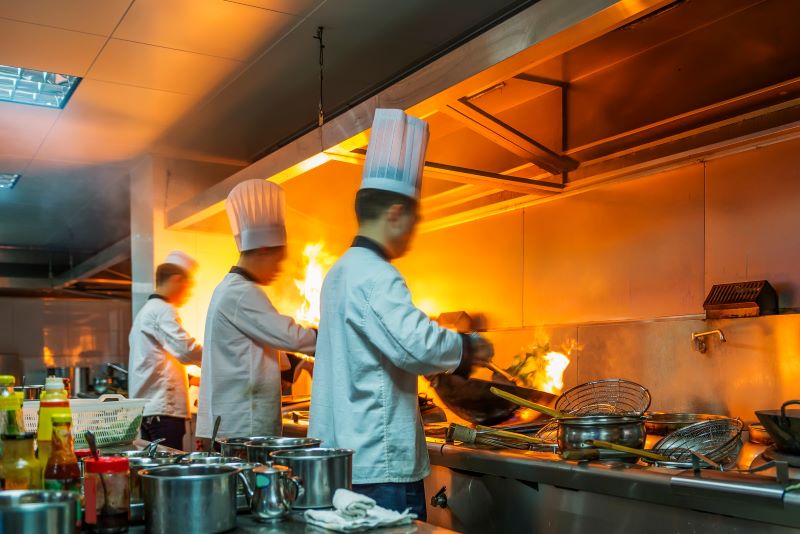
Commercial kitchens and food preparation facilities can be incredibly hot places. This week, we thought we’d take a break from discussing food-borne illness prevention to offer advice for certified food managers to keep their kitchen employees safe and healthy in hot weather.

MN Certified Food Managers Guide to Beating the Heat During The Hot Summer Weather

Tips From Certified Food Managers For A Safer Kitchen In Hot Weather
Image credit: hxdyl via 123rf

Our first advice is to ensure that your ventilation system is functioning properly. We suggest that certified food managers inspect it once a year to ensure that nothing is clogging the vents and that the fans are all in good working order. Cleaning your system’s filters often is another easy way to keep it running efficiently. Many commercial vent systems have easily removable filters that can be cleaned by thorough scrubbing and a trip through your industrial dishwasher.

Next, we’d like to give you three tips with regard to your staff that will help keep them happy and healthy in a hot kitchen.

  • Hydrate frequently
  • Don’t overcrowd your production line
  • Make sure breaks are taken away from the kitchen

On a busy day, getting adequate fluids into your staff may be hard, but it is vitally important. Strongly suggest to your employees that they drink only water. Beverages filled with sugar and caffeine can have an adverse effect as they may dehydrate rather than give the body the water it needs to stave off heat exhaustion.

Certified food managers should reevaluate staffing during especially hot weather. If multiple employees are working on the same line, assessing how many are necessary may be a good idea. Working in close quarters may raise staff members’ body temperatures, and they will dehydrate faster.

If you can’t take the heat…

Finally, the old adage, “If you can’t take the heat, get out of the kitchen,” may contain a hidden nugget of advice. If any of your employees exhibit signs that the heat affects their performance or physical state, get them out of the production area. Making an ailing staff member stick it out until his normally scheduled break time may lead to heat exhaustion or even heat stroke. Make sure they get to a cool area and drink plenty of water.

Our tips aren’t the only way to stay cool under intense circumstances. We’d like your tips and procedures for keeping your staff comfortable in the kitchen. Do you have any advice that we missed that other MN-certified food managers should be aware of during hot summer weather?

Five Remarkable Ways Certified Food Managers Can Beat The Heat

Five remarkable Ways certified food planners can beat the heat

Summer temperatures can be brutal on kitchen staff, and certified food protection managers need to find ways to keep their staff healthy without sacrificing food safety. Since we’re nearing the dog days of summer, let’s take a look at a few ways certified food managers can beat the heat.

Five Remarkable Ways Certified Food Managers Can Beat The Heat
Image credit: hxdyl via 123rf

Tips for Certified Food Managers to Surviving Summer Heat in the Kitchen

We all have our horror stories about the hottest kitchen we’ve ever been in, but before your current one becomes the next inferno, you may want to look into better ways to cool your kitchen. We’ve talked to many certified food protection managers, and we’ve compiled the top five ways to keep your staff cool:

  • Air curtains
  • Better fan locations
  • Frequent break times
  • Clean hood vents
  • Adequate hydration

Simply propping open an exterior door can provide some airflow to kitchen areas but may allow for insects to intrude, especially after dark when moths, flies and gnats are attracted to the light. Installing an air curtain over your doorways will allow for fresh air, but keep bugs away.

Fans are the most common way to introduce airflow into the kitchen and cool staff down, but beware about where you place them. Make sure that any fans placed in the kitchen do not blow air onto preparation or cooking surfaces. Fans can suck in dust and other contaminants, spray microscopic particles off of raw food onto other surfaces and potentially introduce other contamination hazards to the force of blown air. To prevent this, many certified food protection managers supply fan stations away from the line in non-food areas for a brief respite or place them at ground level to offer some air circulation.

Many times, kitchens overheat due to the ventilation system not functioning properly. Before the summer heat begins to melt your line cooks, make sure that hood vent filters are cleaned regularly and the system is in good working order.

Our last tip doesn’t necessarily involve a cooling method, but dehydration can raise the human body’s internal temperature causing overheating. Certified food managers can also beat the heat by ensuring your staff drinks plenty of water, or provide them with an electrolyte-fortified drink to prevent dehydration from becoming an issue.