How CFPMs Can Reinforce Approved Use Of Sanitation Solutions

CFPMs can reinforce Approved use of Sanitizing Solutions

Sanitizer solutions are essential in reducing the risk of sickening guests, but when used improperly, they can actually increase foodborne illness hazards. So how can certified food protection managers ensure that the staff is using the sanitation solution properly?

Proper Sanitation Solution Use for Certified Food Protection Managers

There are four things CFPMs should be aware of when it comes to properly using sanitizer solutions:

  • Approved Solutions
  • Strength
  • Effective Time Lapse
  • Cloths Soaked in Solution
CFPMs Can Reinforce Approved Use Of Sanitation Solutions
Image credit: vectorfusionart via 123rf

Your sanitizer solution must be a solution approved by the Minnesota food code. Common approved solutions include bleach, quat sanitizers and iodine. These solutions must be mixed to the appropriate strength, so follow the directions closely and use test strips from your sanitizer supplier to ensure proper strength. If it’s too strong, you risk contaminating food with the chemicals involved, and weak solutions will not properly sanitize your surfaces and equipment. Many restaurant suppliers offer automated dispensers that will mix sanitizers and water at the appropriate strength, just make sure to test from time to time to ensure that your solutions are in acceptable ranges.

Sanitizer solutions don’t remain effective forever, so certified food protection managers should instruct their staff to dispose of old sanitizer at regular intervals. If used often, these solutions may become less effective sooner than indicated on the bottle’s label, so be aware that solutions may need to be rotated frequently.

Finally, be aware that your solutions don’t necessarily completely sanitize cleaning rags. If you have an extremely dirty cloth and continue to use it, you’re not exactly sanitizing anything. In fact, you could be spreading grease and bacteria all over your kitchen no matter how long a dirty rag has sat in your sanitizer solution. The best plan is to keep a damp sanitizer rag available rather than soaking it in sanitizer buckets and use clean cloths after old ones become soiled.

Do you take the time to test your sanitizer solutions from time to time to ensure their effectiveness?
Reopening Restaurants and Food Safety Training

Reopening Restaurants and Food Safety Training

With Minnesota’s stay-at-home order extended until May 18th, we’re still left with plenty of uncertainty as to when restaurants will be able to return to normal operation. While we don’t know when or how we will be able to allow guests to dine-in in our restaurants, it’s a good idea to start preparing for the time when we’ll be able to do so. The National Restaurant Association, a premier food safety training organization, has published a guide to help restaurateurs prepare for reopening their eating establishments.

Reopening Restaurants and Food Safety Training
Image credit: Ramstein Air Force Base

Food Safety Training Guide to Reopening Eating Establishments

In the National Restaurant Association’s recommended guidance, they’ve broken down four aspects of reopening and food safety training that certified food managers must consider before and during the reopening process.

  • Food Safety
  • Cleaning and Sanitizing
  • Employee Health and Hygiene
  • Social Distancing

While our food safety training procedures must be adjusted to account for reducing the risk of the spread of COVID-19, we must not allow food safety to take a back seat. Preventing corona virus transfer and keeping the food we serve safe can go hand in hand. Here’s a few things you should consider to prioritize food safety.

  • Wash cooking and serving utensils more often than normal.
  • Keep inventory at appropriate levels for reduced service to prevent spoilage.
  • Promote food safety by continued training and monitoring.

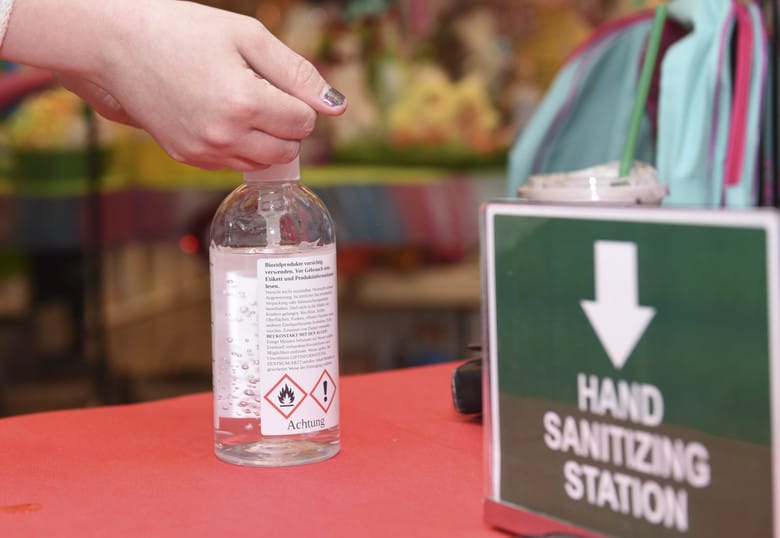
Cleaning and sanitizing is a process that can be started now, even before reopening is allowed, and should continue daily as you reopen or provide take-out service as long as stay-at-home rules are in place. Knobs on equipment, light switches, door handles, countertops and other places that are constantly touched should be prioritized, but don’t forget out of the way places that are only contacted a few times a day, or even just once a week. Once we are allowed to reopen, make sure tables, self-ordering kiosks and anything else a guest may touch is sanitized before seating new guests at tables.

The health and hygiene of your staff is now more important than ever. Let your staff know that they must call in sick if they have any signs of illness. Any employee with a fever, cough or other corona or flu-like symptoms must remain home. If an employee does become ill, make sure they are symptom free for at least three days before returning to work. In the event a staff member contracts COVID-19, follow all CDC guidelines.

Finally, enact appropriate social distancing protocols. We don’t know exactly what Minnesota’s regulations on these may be just yet, but we have some things to consider:

  • Separate seated tables by at least six feet
  • Consider self-ordering kiosks or tablets at each table
  • Promote reservations or request guests call ahead to limit waiting with other guests
  • Provide sneeze guards or barriers between service staff and guest where appropriate

Once we have more concrete information from the Minnesota Department of Health, we’ll share our state-specific rules with you. Stay safe and stay healthy.