Food Safe Training: A Guide for School Cafeteria Workers

Food Safety Training

Food Safe Training: A Guide for School Cafeteria Workers

Effective safe food training is the most important step for protecting student wellness. As a certified food protection manager on the front lines, your role is more critical than ever, with many schools now offering breakfast, lunch, and after-school meals. A focused review of food safety is the best way to prepare for a healthy and successful school year.

Your Back-to-School Safe Food Training Checklist

Before the school year kicks into high gear, it’s the perfect time for a thorough review of your facilities and procedures. A simple checklist helps you avoid overlooking details.

1. Start with a Comprehensive Deep Clean

A clean kitchen is a safe kitchen. After a quieter summer, certified food protection managers must oversee a thorough sanitation of all food service areas before the first food delivery arrives. This provides easier access to storage and hard-to-reach places. Pay special attention to these hidden breeding grounds for bacteria:


      • Floor Drains: Moisture and food particles can accumulate in drains, creating an ideal environment for pathogens like Listeria. Use an approved drain sanitizer regularly.

      • Behind and Under Equipment: Daily cleaning often misses the areas behind ice machines, ovens, and counters. To thoroughly clean and sanitize floors and walls, pull equipment away from the walls.

      • Dry Storage Areas: Shelving for dishes and food products can collect dust and debris. Wipe down all shelving and storage containers to prevent contaminants from falling onto clean dishes or into food.

    2. Review Critical Food Handling Procedures

    Serving hundreds of students safely requires constant vigilance. A pre-service team meeting is the perfect setting to reinforce these core food safety principles that all school cafeteria workers must master.


        • Master Temperature Control: The temperature “danger zone” (between 41°F and 135°F) is where bacteria multiply at the fastest rate. Hot foods must be held at or above 135°F, and cold foods must be kept at or below 41°F. Remind staff to check holding temperatures using a calibrated thermometer frequently. When reheating food, ensure it passes through the danger zone as quickly as possible to prevent bacterial growth.

        • Prevent Cross-Contamination: Use separate cutting boards, utensils, and gloves for raw meats and ready-to-eat foods, such as fresh fruits and vegetables. This simple but critical step prevents the transfer of harmful bacteria from one food item to another.

        • Uphold No-Bare-Hand Contact: This is a non-negotiable rule in the food service industry. All ready-to-eat foods must be handled with single-use gloves, tongs, scoops, or deli tissue. Ensure these utensils are clean, in good condition, and are readily available at all workstations.

      3. Reinforce Staff Hygiene and Wellness Policies

      Healthy people staff the healthiest kitchens. Food safety extends to personal practices, so it’s crucial to review your team’s role in preventing the spread of illness.


          • Champion Proper Handwashing: Gloves are not a substitute for clean hands. Review the proper handwashing technique—using soap and warm water for at least 20 seconds—before starting work, after handling raw meat, after using the restroom, and before putting on new gloves.

          • Enforce an Employee Health Policy: Staff must understand the importance of reporting symptoms, such as vomiting, diarrhea, or fever, to a manager. Establish a clear policy that outlines when an employee must stay home from work to prevent the potential spread of an outbreak.

          • Maintain Professional Appearance: Clean uniforms, properly restrained hair, and minimal jewelry are not just about looks—they are vital for preventing physical contaminants from ending up in food.

        Are You and Your Team Certified and Ready?

        These procedures are central to any professional food safety program. Whether you’re a certified food protection manager or a key part of the cafeteria staff, ensuring that you and every team member hold a valid food safety certification protects your students, your colleagues, and the school’s reputation.

        If you or your employees need certification, contact us to learn about our instructor-led safe food training options in Minnesota. We can get you and your team certified and ready to serve safely.

        Don’t Let Foodborne Illness Be the Main Event: A Guide to 4th of July Food Truck Safety

        A food truck-follow our food truck safety, so you don't let foodborne illness rain on your parade.

        Don’t let foodborne illness be the main event this Fourth of July! For any food truck owner, this is one of the most profitable days. However, with massive crowds and soaring temperatures comes a significant responsibility to keep your customers safe. As a certified food protection manager and trusted mobile food vendor in Minnesota, your success on this hectic holiday hinges on one critical element: impeccable food truck safety. 

        The combination of high volume, summer heat, and the fast-paced environment creates the perfect storm for foodborne pathogens to thrive. This is where your professional training comes into play. Prioritizing the rules of food truck temperature control in hot weather and MN food safety isn’t just about compliance; instead, it’s about protecting your customers, staff, and reputation. Let’s break down the three key areas you must master to ensure your 4th of July is both successful and safe.

        Mastering Temperature in Extreme Heat

         foodborne illness at a food truck.
        Follow these food truck safety tips to prevent foodborne illness and have a fun and safe event this 4th of July!

        The single greatest threat to your food on a hot summer day is the temperature “danger zone.” The Minnesota Food Code clearly states: hold cold foods at or below 41°F, and keep hot foods at or above 135°F. When food sits between these two temperatures, bacteria like Salmonella and E. coli can double in number in as little as 20 minutes. Your truck’s refrigeration units have to work overtime on a hot July day, making constant vigilance essential.

        • Calibrate and monitor: Before you leave, ensure that you or your certified food protection manager calibrates and inspects all refrigerators, freezers, and hot-holding units. Place thermometers in the warmest part of each cold unit and check temperatures at least every two hours.
        • Limit Door Openings: Every time you open a cooler door, cold air escapes and warm air rushes in, forcing the unit to work harder. Organize your coolers so you can grab what you need quickly without leaving the door open for extended periods.
        • Use Ice Strategically: Pack beverage tubs or temporary coolers with enough ice to keep items fully submerged and at a temperature below 41°F. Keep in mind that ice melts quickly in direct sunlight.

        Winning the War on Cross-Contamination

        Eliminate Reduce foodborne illness with handwashing!
        Eliminate foodborne illness with handwashing!

        The tight quarters of a food truck make preventing cross-contamination both more challenging and more important. During a high-volume rush, it’s easy for standards to slip. As the certified food protection manager, you must enforce strict protocols to prevent the transfer of harmful bacteria from raw foods to ready-to-eat items.

        • Impeccable Handwashing: This is your first line of defense. Ensure your handwashing station is always stocked with soap, paper towels, and warm running water. Staff must wash their hands after handling raw meat, using the restroom, touching their face, or handling money.
        • Dedicated Surfaces and Utensils: Use color-coded cutting boards and separate utensils for raw meats, poultry, and produce to ensure food safety. In a small space, this visual cue system is invaluable for preventing dangerous mix-ups.
        • Proper Glove Use: Gloves can provide a false sense of security. Train your staff to change gloves between tasks, especially after handling raw proteins or any time they become torn or contaminated.

        Protecting Your Team from Heat Exhaustion

        Reduce foodborne Illness by keeping your employees healthy!
        Foodborne Illness

        A key component of food truck temperature control in hot weather and MN food safety is ensuring your staff is safe. A food truck in July is essentially a metal box sitting in the sun. Dehydration or heat exhaustion puts your team’s health at risk and compromises their ability to follow critical food safety procedures.

        • Mandate Hydration Breaks: The heat inside a truck can be intense. Require your team to take frequent, short breaks in a shaded area and drink water every 15-20 minutes, even if they don’t feel thirsty.
        • Recognize the Symptoms: Train your staff to recognize the signs of heat exhaustion in themselves and their coworkers. These include dizziness, heavy sweating, nausea, headache, and weakness.
        • Provide Cooling Measures: If possible, have a fan directed at the work area and provide cooling towels for your staff. A healthy, alert team is a team that can handle food safely.

        By focusing on these critical areas, you can ensure that the only fireworks on the 4th of July are the ones in the sky.

        Your commitment to the highest standards of food safety protects everyone. If you or your team needs to renew your credentials or get certified, Safe Food Training offers expert, instructor-led options tailored for the certified food protection manager in Minnesota. Book your continuing education or initial certification training today!
        Bird Flu in 2025: What Every Certified Food Protection Manager Needs to Know

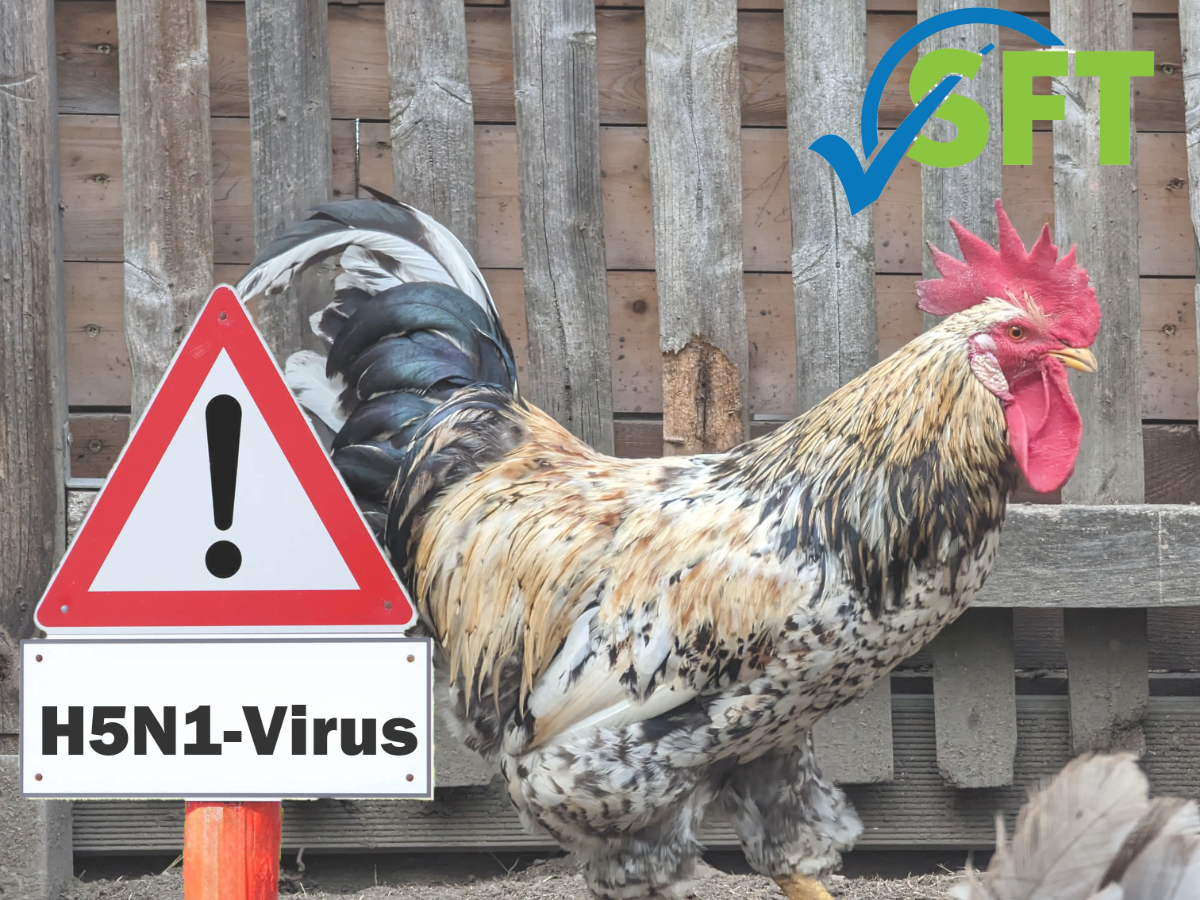
        bird flu-h5n1-virus sign
        Guy in protective gear examining a chicken.
        Don’t worry about the bird flu. Just prepare food at safe temperatures!

        As we progress through 2025, the ongoing avian influenza (H5N1) situation, commonly referred to as bird flu, continues to require the attention of food service professionals across Minnesota. For the certified food protection manager, understanding the risks and reinforcing safety protocols is fundamental to protecting public health. Your role in upholding Minnesota food safety standards is more critical than ever, despite the low public threat.

        The good news is that established food safety practices are highly effective against the virus. Properly handling and cooking poultry to an internal temperature of 165°F kills the avian influenza virus, which means your standard procedures are your best defense.

        Understanding the Current Situation

        It’s essential to stay informed without becoming alarmed. The CDC’s risk assessment for the H5N1 virus has stated that the risk to the general U.S. population is low. However, vigilance in a professional setting is key. 

        The situation remains dynamic, with the user-provided draft noting 70 confirmed human cases and one death in the U.S. as of late June 2025. This highlights the need for stringent professional standards.

        • Impact on Supply: The poultry industry has been significantly affected, with millions of birds impacted by Highly Pathogenic Avian Influenza (HPAI). This can impact supply chains and underscore the importance of diligence in sourcing products.

        • Low Transmission from Food: Health authorities have consistently emphasized that properly handled and cooked poultry and eggs are safe to consume. The system of inspection and safe handling protocols helps ensure affected products do not enter the food supply.

        • Focus on Prevention: For the certified food protection manager, the focus is not on the field-level outbreak itself, but on preventing cross-contamination and ensuring all poultry products reach a safe cooking temperature.

        Key Minnesota Food Safety Protocols for Avian Flu Prevention

        Your leadership in implementing and enforcing food safety measures is the most powerful defense. Re-emphasize these core principles with your team to address any concerns related to avian flu and other foodborne pathogens.

        • Verify Your Sources: Now is an excellent time to communicate with your suppliers. Ensure they are following rigorous biosecurity and testing measures for their poultry products. This is especially important for farm-to-table establishments that source directly from local Minnesota producers.

        • Enforce Strict Temperature Control: This is a non-negotiable kill step. Cook all poultry, including whole birds, pieces, and ground products, to a minimum internal temperature of 165°F (74 °C). Use a calibrated food thermometer to verify the temperature in the thickest part of the product.

        • Heighten Sanitation and Prevent Cross-Contamination: Raw poultry and its juices can contain various pathogens. Reinforce cleaning and sanitation protocols for all surfaces, cutting boards, and equipment that come into contact with raw chicken. Emphasize the importance of frequent and thorough handwashing for all staff after handling raw poultry.

        Training Your Team for Heightened Awareness

        baby chick
        Certified food protection managers don’t have to worry about the bird flu if they follow proper cooking protocols!

        An informed team is a safe team. As a certified food protection manager, it’s your responsibility to ensure every staff member understands their role in protecting your customers and your establishment’s reputation.

        • Communicate Clearly: Hold brief pre-shift meetings to discuss the importance of your establishment’s poultry handling and cooking procedures. Use this as an opportunity to answer questions and dispel any misinformation.
        • Focus on the “Why”: Don’t just tell your team to cook chicken to 165°F; explain that this temperature effectively destroys viruses like H5N1 and bacteria like Salmonella. A well-understood protocol is more likely to be followed.
        • Invest in Ongoing Education: The food safety landscape is always evolving. Regular training and continuing education are essential for maintaining your team’s skills and keeping them up-to-date on emerging challenges. This is a core component of maintaining a robust Minnesota food safety culture.

        By staying informed and doubling down on the foundational principles of food safety, you can confidently navigate the current avian flu situation. Your expertise as a certified food protection manager is the cornerstone of a safe dining experience for all Minnesotans.

        Ready to enhance your team’s knowledge or get your required certification? Safe Food Training offers personalized, instructor-led options for your food safety certification in MN and continuing education needs. 

        Book your continuing education training and ensure you and your team are prepared for any challenge.

        Hyper-Local Sourcing: A ServSafe MN Guide to In-House Restaurant Gardens

        local sourcing

        Minnesota diners’ demand for fresh, locally sourced food has inspired a new level of farm-to-table innovation: the in-house restaurant garden. To meet this trend, many ServSafe MN professionals are now growing herbs, vegetables, and garnishes on-site. While this practice can elevate a menu, it also introduces unique food safety variables that every manager must control.

        Growing your own produce is permissible under food safety regulations, but it doesn’t grant a pass on the fundamental rules of safe food handling. You must treat an ingredient with the same diligence as any item arriving from a supplier the moment you harvest it. Let’s break down the three critical areas of focus for maintaining a safe and successful restaurant garden.

        The Foundation: Starting with Clean Inputs

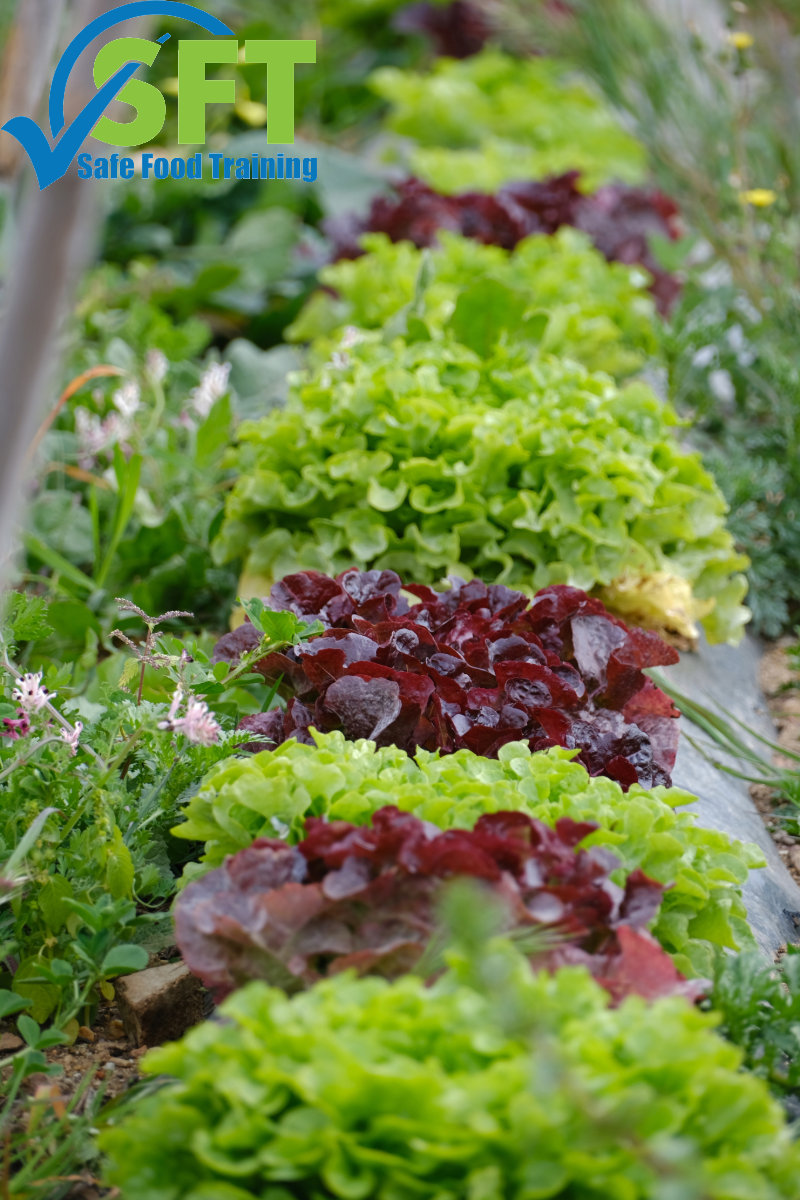
        in-house restaurant gardens
        Do you have an in-house garden at your restaurant?

        The safety of your final product begins long before the harvest. The soil, fertilizer, and water you use are the building blocks of your garden, and they can also be primary sources of contamination if not chosen carefully. Assuming that “natural” automatically means “safe” is a critical error.

        • Use Sterile Growing Media: Pathogens like E. coli are often found in raw animal manure. To mitigate this risk, always use commercially prepared, sterilized fertilizers and potting soils. This step is crucial for preventing the introduction of harmful bacteria at the very start of the growing process.

        • Ensure a Potable Water Source: The water used for your plants will inevitably come into contact with the edible portions. Use only clean, potable water—the same water you use in your kitchen sinks. Avoid using rain barrels or other sources of stagnant water, which can harbor bacteria like Listeria or algae.

        Protecting Your Garden: Controlling the Environment

        An outdoor garden exposes its produce to numerous environmental risks that can compromise its safety. A core part of your responsibility is to create a controlled space that minimizes these external threats. This means thinking beyond just planting seeds in an open patch of ground.

        • Secure the Location from Pests: Protect your garden from animals and other pests. Birds, rodents, and even neighborhood pets can carry pathogens in their waste, which can easily contaminate low-growing produce. Consider using raised garden beds, fencing, or netting to create a physical barrier.

        Prevent Environmental Runoff: Be mindful of where you place your garden. Avoid areas where runoff from parking lots, lawns, or garbage enclosures could introduce chemical or biological contaminants to the soil and plants.

        From Harvest to Plate: Applying ServSafe MN Protocols

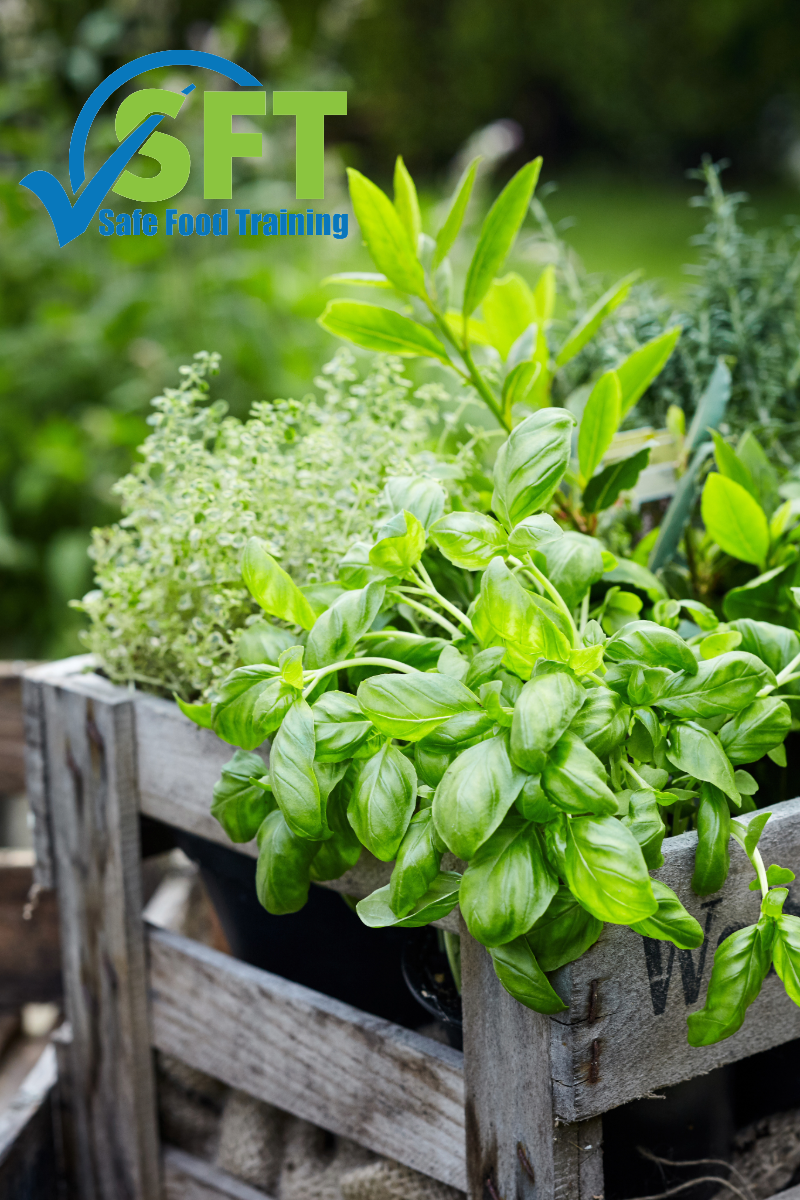
        Herb garden-in-house restaurant gardens
        Treat all produce the same, from the in-house restaurant garden to the regular outside supplier.

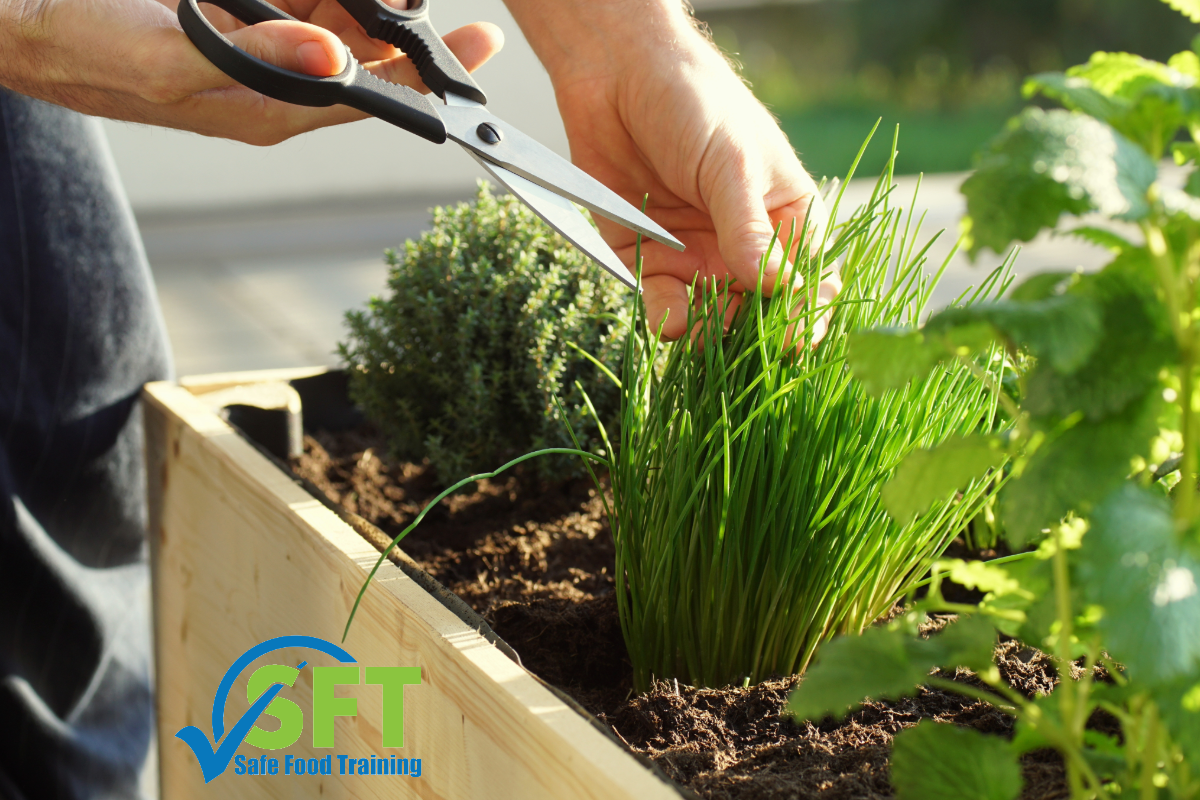
        Once you clip that first sprig of mint or pull the first ripe tomato, your formal ServSafe MN training must kick into high gear. You must handle these raw ingredients accordingly to prevent foodborne illness as they enter your kitchen’s workflow.

        • Wash Produce Thoroughly: Wash all harvested items under clean, running water immediately after bringing them indoors. This crucial step removes soil, which can contain spores like Clostridium botulinum, as well as unseen pests and surface contaminants.

        • Prevent Cross-Contamination: Use a designated and sanitized food preparation sink for washing produce. Never use a handwashing or utility sink. After washing, store the items in clean, sanitized, and covered containers, away from and preferably above raw animal products.

        • A Note on Selling Retail: The guidelines discussed here apply to produce used for items on your menu. If you intend to sell raw, harvested produce directly to customers for retail, you may face different regulations. Contact your local health inspector to ensure you have the permits or licenses for this type of sale.

        Embracing an in-house garden is an excellent way to innovate, but it requires a diligent application of food safety principles. Upholding these standards is a core part of your responsibility as a ServSafe MN certified professional.

        For comprehensive training that covers these critical details for you and your team, explore our instructor-led options in Minnesota.