
Certified Food Managers and Social Distancing in Eateries

certified food managers spacing tables for social distancing

As we prepare for the future of restaurant service, it’s important to look ahead to some new protocols that food managers may be required to utilize as Minnesota restaurants and cafes prepare to reopen their doors for in-house service. There is some speculation that Minnesota restaurants will have to follow some sort of social distancing in order to reduce the risk of a second COVID-19 outbreak. We’ve taken a look at what some other states are doing and have some tips for certified food managers on social distancing once business resumes.

Food managers preparing for social distancing in eateries

How can Certified Food Managers Enact Social Distancing?

It’s been put forth by health officials that people should maintain a space of at least six feet apart while in public, but how would this look in restaurants?

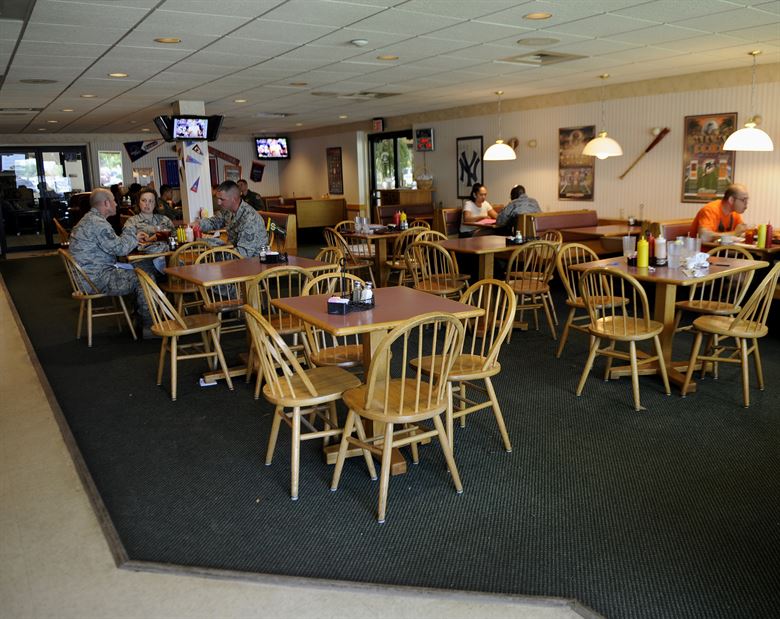
The first thing that becomes apparent is that restaurants, cafes and other sit-down eateries will have to reduce their maximum capacity, at least at first. Multi-sectioned restaurants can achieve this by opening up the entire dining floor, even on days when business wouldn’t normally warrant having multiple seating sections. This can provide adequate space for guests with tables being more than six feet apart. Food establishments with small dining areas may not be able to seat in multiple sections, but certified food managers should rearrange dining space to ensure tables meet future social distancing protocols.

There will be times when social distancing won’t be an option, such as in cafes where the register is next to baristas. In this case, you may wish to install a shield or a sneeze guard that is hung in a way where there are no openings at mouth level. Leaving a small space between the counter and the start of the shield will allow payment and wrapped baked goods to be passed back and forth.

What about service staff? It’s impossible for orders to be taken and food delivered from six feet away. This is a scenario where a tabletop ordering system could help promote social distancing. If guests can place and pay for their order remotely, then this greatly reduces interaction between server and guest. Food will still need to be brought to the table, and at this point we can only assume certified food managers will require staff to wear masks and gloves for kitchen-to-table delivery and situations where servers must take an order in person.

Do you have plans for potential social distancing regulations once your restaurant reopens?
Reopening Restaurants and Food Safety Training

Reopening Restaurants and Food Safety Training

With Minnesota’s stay-at-home order extended until May 18th, we’re still left with plenty of uncertainty as to when restaurants will be able to return to normal operation. While we don’t know when or how we will be able to allow guests to dine-in in our restaurants, it’s a good idea to start preparing for the time when we’ll be able to do so. The National Restaurant Association, a premier food safety training organization, has published a guide to help restaurateurs prepare for reopening their eating establishments.

Reopening Restaurants and Food Safety Training
Image credit: Ramstein Air Force Base

Food Safety Training Guide to Reopening Eating Establishments

In the National Restaurant Association’s recommended guidance, they’ve broken down four aspects of reopening and food safety training that certified food managers must consider before and during the reopening process.

  • Food Safety
  • Cleaning and Sanitizing
  • Employee Health and Hygiene
  • Social Distancing

While our food safety training procedures must be adjusted to account for reducing the risk of the spread of COVID-19, we must not allow food safety to take a back seat. Preventing corona virus transfer and keeping the food we serve safe can go hand in hand. Here’s a few things you should consider to prioritize food safety.

  • Wash cooking and serving utensils more often than normal.
  • Keep inventory at appropriate levels for reduced service to prevent spoilage.
  • Promote food safety by continued training and monitoring.

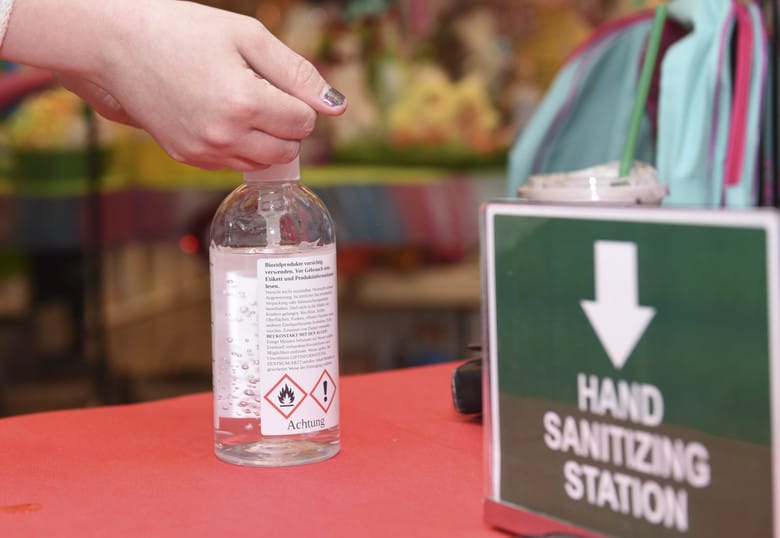
Cleaning and sanitizing is a process that can be started now, even before reopening is allowed, and should continue daily as you reopen or provide take-out service as long as stay-at-home rules are in place. Knobs on equipment, light switches, door handles, countertops and other places that are constantly touched should be prioritized, but don’t forget out of the way places that are only contacted a few times a day, or even just once a week. Once we are allowed to reopen, make sure tables, self-ordering kiosks and anything else a guest may touch is sanitized before seating new guests at tables.

The health and hygiene of your staff is now more important than ever. Let your staff know that they must call in sick if they have any signs of illness. Any employee with a fever, cough or other corona or flu-like symptoms must remain home. If an employee does become ill, make sure they are symptom free for at least three days before returning to work. In the event a staff member contracts COVID-19, follow all CDC guidelines.

Finally, enact appropriate social distancing protocols. We don’t know exactly what Minnesota’s regulations on these may be just yet, but we have some things to consider:

  • Separate seated tables by at least six feet
  • Consider self-ordering kiosks or tablets at each table
  • Promote reservations or request guests call ahead to limit waiting with other guests
  • Provide sneeze guards or barriers between service staff and guest where appropriate

Once we have more concrete information from the Minnesota Department of Health, we’ll share our state-specific rules with you. Stay safe and stay healthy.