New Food Safety Management Training For Facilities Serving Susceptible Populations

New Food Safety Management Training For Facilities Serving Susceptible Populations

Some recent updates to guidelines involving facilities that house or serve susceptible populations, and a few of those updates directly address food safety management training in these types of businesses. It may not be a rewrite of the actual code, but the Minnesota Department of Health has cleared up and outlined equipment guidelines for assisted living facilities and other outlets that specialize in serving those that may be more prone to foodborne illnesses.

New Food Safety Management Training For Facilities Serving Susceptible Populations
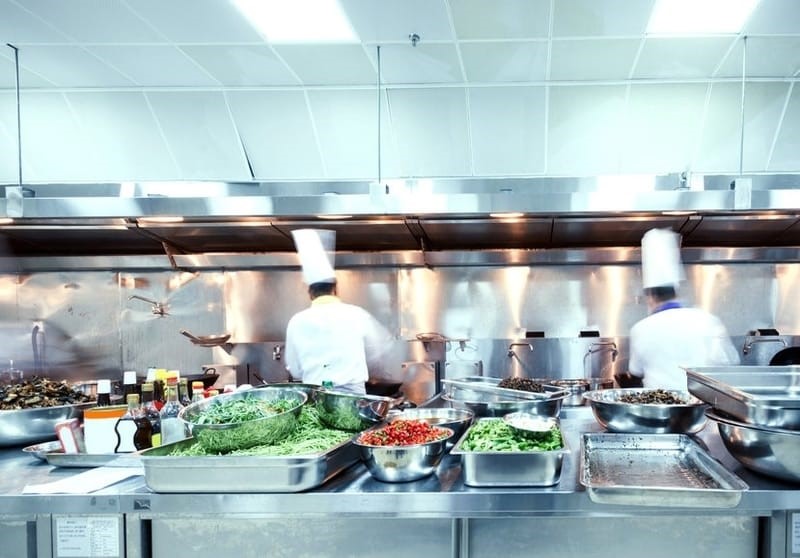
Image credit: snvv via 123rf

New Kitchen Equipment Standards For Facilities Serving Susceptible Populations Will Impact Food Safety Management Training

Most kitchen equipment can be broken down into two categories:

  • Food preparation surfaces
  • Preparation equipment

Proper food safety management training for both of these categories must be certified or classified for proper sanitation by ANSI standards. When talking about food preparation surfaces, surfaces in medical facilities, child care centers, and senior activity centers must be:

  • Corrosion-resistant
  • Able to withstand repeated washing and sanitation
  • Finished with a smooth, cleanable surface
  • Resistant to scratching, pitting and other types of damage from contact with utensils

Food contact surfaces not only include cutting and mixing surfaces, but also include equipment that contains a surface that cooks food. Flattop grills, steam kettles and other devices that cook food must meet these standards. Food preparation equipment outside of preparation surfaces can include:

  • Walk-in refrigerators and freezers
  • Mechanical warewashing machines
  • Ice machines
  • Cooking equipment besides microwaves and toasters

With few exceptions, most cooking and mechanical equipment used to prepare food in facilities that serve a susceptible population must meet an ANSI standard. Food safety management training will point you to a sticker or emblem somewhere on your equipment that shows if it has been certified. Common certifications include:

  • NSF International (NSF)
  • ETl Sanitation
  • Underwriters Laboratory (UL)
  • Baking Industry Sanitation Standards Committee (BISSC)

If you serve susceptible populations have you updated the food safety management training you provide to your staff?
Powerful New Reference Tools For Assisted Living MN ServSafe Managers

Powerful New Reference Tools For Assisted Living MN ServSafe Managers

Every food business outlet has its own unique challenges, but due to the susceptibility of the residents in assisted living facilities, ServSafe food managers should be extremely careful with the food they serve. In order to protect the most vulnerable to illness, the Minnesota Department of Health as put together an FAQ for ServSafe Managers of assisted living facilities. Let’s take a look at some of the outlined rules that affect MN ServSafe managers in these facilities.

Powerful New Reference Tools For Assisted Living MN ServSafe Managers
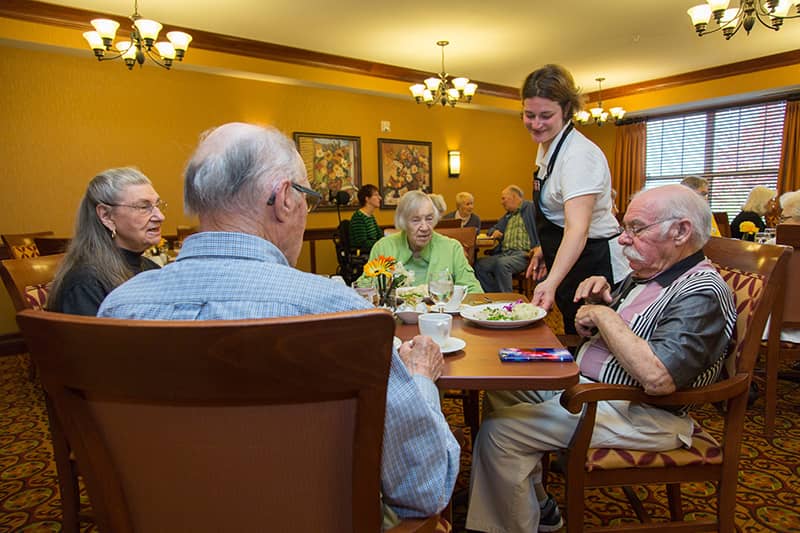
Image credit: Arbor Lakes Senior Living

MN ServSafe Managers’ Guide to Assisted Living Kitchens

The Minnesota food code defines a highly susceptible population as a group that is more likely to contact foodborne illness due immunocompromised conditions or age. Assisted living facilities commonly serve these groups, and some other outlets the Minnesota Department places in this category includes:

  • Custodial Care Facilities
  • Specialized Nutritional Centers
  • Senior Centers
  • Medical Health Care Facilities

In their guide to the application of the food code to assisted living facilities, the Minnesota Department of Health outlines the key factors to serving an elderly or medically compromised population. The reinforce the need for:

  • Oversight of Food Handling Procedures
  • Health and Hygiene
  • Ready-to-Eat Food Safety
  • Time and Temperature Control
  • Cross-Contamination

You may look at this list and say to yourself, “I remember this from MN ServSafe manager training, so why do we need new outlines from the health department?”

The point of these new fact sheets is to emphasize the most important aspects of keeping food safe in assisted living facilities, and these measures give us the best chance of preventing foodborne illness.

Just like other food processing facilities, assisted living centers require a certified food protection manager to oversee food safety and training. The CFPM should also monitor employee hygiene to ensure nobody works sick and that proper handwashing procedures are followed.

It’s also vital to document time and temperature control procedures, especially when cooling prepared food and reheating ready-to-eat foods. Most facilities that serve the sensitive populations usually prepare food in advance in order to serve larger groups all at once. If you prepare your food ahead of time and reheat it for service, make sure you review cooling and temperature control procedures.

The Dirty Truth About Food Safety Managers Air Drying Dishes

The Dirty Truth About Food Safety Managers Air Drying Dishes

When training staff how to wash dishes by hand or proper procedures using a warewashing machine, food safety managers should always teach air drying dishes completely before they are put away. It may be tempting to stack drying dishes to save space or use a clean towel to speed up the process, but air drying offers the safest way to dry dishes from a food safety standpoint. In order to make this common practice it helps to explore the science behind air drying dishes in your kitchen versus other methods.

The Science Behind Air Drying Dishes for Food Safety Managers

Some food service employees may think that “dry is dry,” so why does it matter how we get there? Why can’t we simply use a towel or just put dishes away as soon as they’re done being washed?

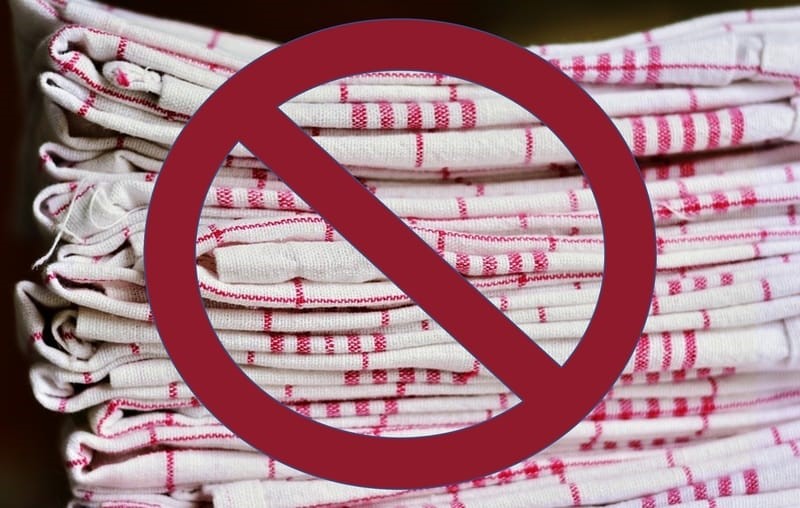
Towel drying clean dishes produces a major cross-contamination risk and actually soils the dishes as you dry them. Imagine using the same bath towel every time you step out of the shower, but you’re showering hundreds of times a day. We’re not sure what you’re doing to require that many showers, but what you do on your own time is up to you.

Over the course of continued use, a damp towel can harbor bacteria, sanitizer solutions and be a breeding ground for foodborne illness culprits. All it would take is for one contaminated plate for your entire warewashing inventory to become a food poisoning nightmare.

Stacking your dishes before they dry is also a recipe for disaster. Most sanitizer solutions need to air dry to fully evaporate off of the surface of dishes. Stacking your dishes could trap the moisture and sanitizing solutions together increasing the risk these chemicals might come into contact with a customer’s meal. If moisture is trapped between stacked dishes for great lengths of time, it can also attract bacteria, mildew and even insects, so make sure dishes dry completely before storage.

Experienced food safety managers know the best solution to air drying dishes is to provide a stainless steel drying rack where dishes can be stored to dry. Make sure all dishes have space for air to travel through to promote drying and never line the shelves with towels or other materials that may absorb moisture and promote bacteria growth.

Do you have a well thought out solution for air drying your clean dishes?

ServSafe food manager training and latex in the kitchen

ServSafe Food Manager Training and Latex in the Kitchen

When allergies are discussed in ServSafe food manager training, we often cover allergen culprits that are ingested such as nuts, shellfish and dairy, but there are other allergens such as latex that causes a reaction on contact. While severe latex reactions to minimal contact are rare, they can happen so it’s best to be prepared in the event one of your staff or a guest suffers from a latex allergy.

ServSafe food manager training and latex in the kitchen
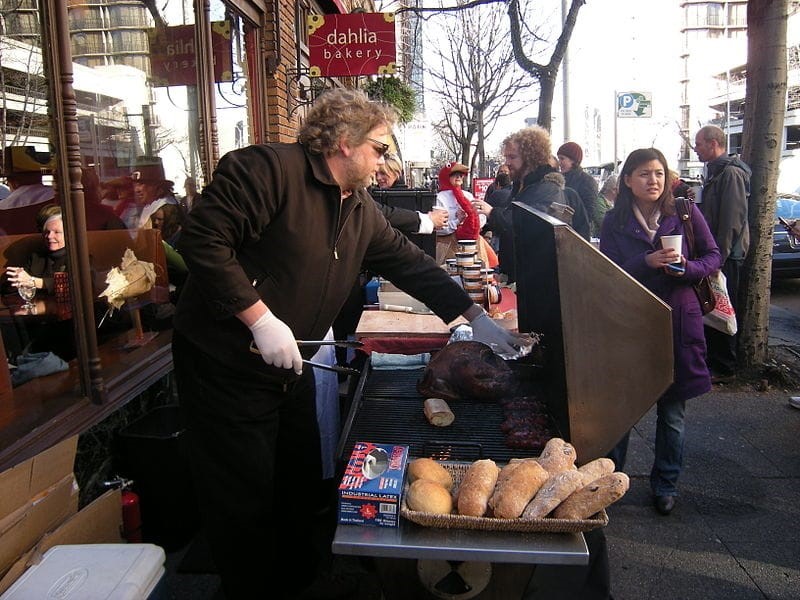
Image credit: Joe Mabel via Wikimedia

How ServSafe Food Managers can Prevent Allergic Reactions to Latex

It’s important to make sure that ready-to-eat foods are never touched with bare hands, and in order to prevent bare-hand contact many ServSafe food managers stock their kitchen with latex food-service gloves. This will be the most common source of a reaction to those who are allergic. If any of your staff is allergic or sensitive to latex, you’ll most likely see a mild to severe skin reaction including:

  • Excessively dry skin
  • Itchy rashes
  • Cracked and bleeding skin
  • Numbness in the fingers

While you may never see an allergic reaction outside of your kitchen staff, there are some who are sensitive to minimal contact from latex powder or food that has come into contact with latex. If you have a guest that is severely allergic to latex, they may experience:

  • Throat soreness or swelling
  • Nasal irritation or bloody nose
  • Gum, mouth or tongue irritation and swelling

If you’re a ServSafe food manager who has an employee who is sensitive to latex, or want to be prepared in the event you have a guest alert you to a severe latex allergy, we suggest you keep some vinyl food service gloves on hand. Vinyl gloves may not fit as snuggly as latex, but it’s best to be prepared for those who are allergic.

Do you provide your staff with an alternative to latex food-service gloves?