Certified-Food-Managers-Donate-Food-During-Covid-19

Certified Food Managers Can Donate Excess Food During the Covid-19 Slowdown

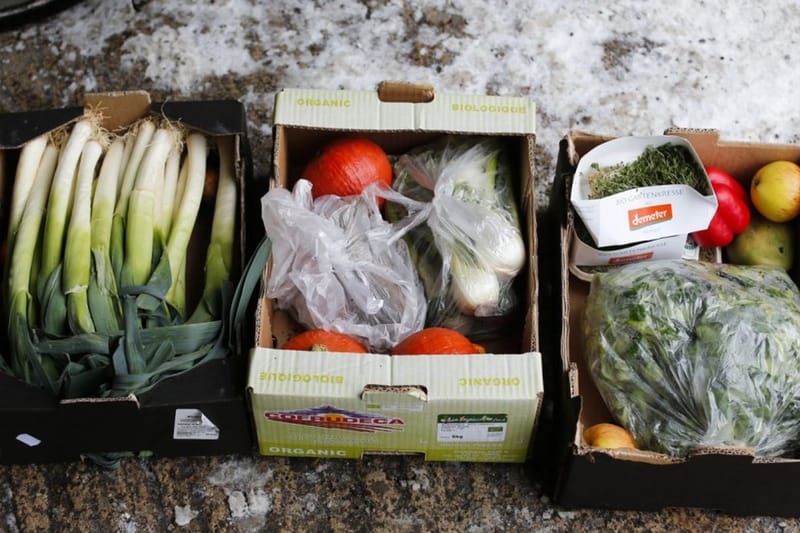
Now that restaurants, bars and other food producers have been asked to close dining rooms and only offer takeout and delivery, certified food managers are finding that they are not using as much inventory as they once had. What can local businesses do to prevent excess produce, meat and other ingredients in their refrigerators from going to waste? The Minnesota Department of Health has suggested that restaurants and food businesses can donate excess product to charities and programs that provide meals to those in need. So how do certified food managers get in touch with these programs to donate food during the COVID-19 outbreak?

Certified-Food-Managers-Donate-Food-During-Covid-19

How Certified Food Managers Can Help by Donating Food during the COVID-19 Crisis

Donations can not only be a great way to reduce your waste during this time, but also give back to your community. Potential guests will see your willingness to sacrifice during hard times and may order from your establishment once they see your charitable nature.

Beyond raw ingredients, there are a few organizations look for prepared meals whether packaged for reheating or hot and ready to go. Charities such as Hunger Solutions have begun compiling maps of businesses providing free meals for children who would normally rely on schools for breakfast, lunch and sometimes dinner. Besides Hunger Solutions, there are also many other local organizations looking for help from restaurants, too many for us to specifically name here. The Department of Health has provided a list of contacts to help certified food managers find charities in their area who are looking for increased donations during the COVID-19 slowdown.

If you’re considering donating product, meals or even kitchen space, here are a few links to get you started:

Have you considered joining other certified food managers who donate food, labor or kitchen space during the COVID-19 shutdown?

MN Certified Food Managers Minimum wage

How MN Certified Food Managers Deal with a Rising Minimum Wage

Later this year, the minimum wage in Minnesota is going up to 10 dollars an hour for high-grossing businesses and 8.15 for businesses that bring in less than $500,000 annually, and the minimum wage in Minneapolis is set to rise to 11.75 for small businesses and 12.25 an hour for businesses with over 100 employees. The majority of our local restaurants and food producers tend to be smaller, one-outlet operations, so they may have to adjust more than larger corporations. Just how will rising minimum wage affect the food industry, and is there anything MN certified food managers can do about it?

MN Certified Food Managers Minimum wage
Image credit: Sergey Nivens via 123rf

The New Minimum Wage and MN Certified Food Managers

If you’ve ever calculated food and labor cost, you know the profit margin in the food industry is already razor-thin, in some cases as low as pennies on the gross dollar. Under the circumstances, how is it possible for MN certified food managers to retain the same amount of staff yet still continue to make a profit?

Some theorize that with a rising minimum wage, the general populace will have more money to spend on luxuries such as eating out. If this theory holds true, then many restaurants could see extra revenue due to increased business or have the option of raising their prices. While it would take time to see if this theory holds out, it will be interesting to monitor if Minnesota restaurants will see an uptick in business due to the higher minimum wage rate.

Restaurateurs in areas with a higher than average minimum wage have suggested implementing a tip credit as an option for offsetting labor costs. A tip credit essentially involves a lower hourly wage than the minimum for workers who receive tips as a portion of their income. If their tips don’t raise their income per hour to equal or exceed Minnesota’s minimum wage, their employer would be required to compensate them to ensure they made the state-required wage per hour for their shift.

Finally, many larger restaurants see automation as a way to control labor costs. Using touchscreen kiosks or screens at individual tables allows them to reduce labor by cutting jobs. As technology becomes more advanced and cheaper to acquire, we may see some form of automation trickle down to lower-volume businesses. We don’t see this as an ideal solution, as we feel a thriving food industry should involve human staff wherever possible.

Does your MN certified food managers have a strategy for dealing with rising minimum wage?

ServSafe Food Managers Keep Food Safe

How ServSafe Food Managers Keep Food Safe During High Volume

Once February 14th hits, ServSafe food managers can expect their business double, triple or even quadruple for a few days compared to the norm. We believe food safety protocols should be followed to the letter no matter how busy it is, so this week we’ll take a look at common lapses during high volume and how ServSafe food managers can keep food safe

ServSafe Food Managers Keep Food Safe
Image credit: weedezign via 123 RF

ServSafe Food Manager Certification Standards for Food Safety While The Kitchen Is At Capacity

When we get busy, we sometimes tend to focus on our main goal, and when it’s food service on one of the busiest days of the year we’re talking about getting food to guests as quickly as possible so we can move on to the next order. It doesn’t matter if your receipt printer has spit tickets out in a string that reaches the floor or if you have a VIP at table three, food safety should be a high priority. Here are the two biggest neglected issues we see when restaurants get busier than average.

  • Handwashing
  • Barehand contact

Every ServSafe manager and food service employee should have it engrained in their mind to wash their hands frequently, and during exceptionally busy nights, handwashing can be neglected or just improperly performed. Handwashing needs to happen often, and it needs to be done right. We’re not talking about a quick rinse in lukewarm water with a dab of soap, we’re talking about proper 20-second handwashing with plenty of soap and hot water. We get it, 20 seconds seems like an eternity with servers pestering cooks looking for an ETA on their favorite guests’ meals or when the ding of the order printer ceaselessly calls you back to the line, but 20 seconds could be the difference between safe food and a sick guest.

Barehand contact rules can also be easily forgotten under duress. Tongs or gloves must be used when handling ready-to-eat foods and hands must be washed when changing gloves. To keep this freshly in your staff’s mind, make preparations to stock extra boxes of single-use food-service gloves anywhere in the kitchen where they’ll be used. Remind your employees that gloves are no substitute for handwashing after using the restroom, eating or handling raw ingredients.

Do you have any other tips to help fellow ServSafe food managers keep their food products safe this Valentine’s Day?

Food Safety Training for Common 2019 Foodborne Illness Outbreaks

At the end of every year, we like to take a look back at the previous year’s foodborne illness outbreaks to assess what food safety training measures need to be emphasized in the New Year to help prevent these outbreaks from spreading in Minnesota. While it’s not 100-percent complete, the CDC has compiled a list of outbreaks over the past several years, and this week we’ll take a look at some of the trends we see on this 2019 Foodborne Illness list.

2019 Outbreak Foodborne Illness Outbreak Report

2019 Outbreak Foodborne Illness Statistics and Food Safety Training

The Foodborne Illness outbreak news of 2019 was dominated by E.coli contaminated romaine and listeria in hard-boiled eggs, and the jury is still out as to the cause of these two contaminates entering the supply chain.

E.coli also reared its ugly head on several different occasions besides romaine lettuce including infected flour, ground beef and bison meat from a specialty supplier. Salmonella was also a frequent offender contaminating fresh fruit on multiple occasions as well as frozen tuna and ground meats.

So what do we do with these reports? Surely the food safety training community can’t prevent all of these outbreaks, can they?

While it may be impossible to stop every foodborne illness case, we feel that vigilant food safety training can go a long way towards reducing the risk to the public. A majority of these outbreaks happen at the packaging and harvesting level of the supply chain, so if your food business involves harvesting, processing or packaging ingredients to be shipped to food preparation outlets, here are a few steps we feel need to take place to help reduce these outbreak events.

  • Frequent food safety training
  • Properly outlined sanitation procedures
  • Inspection of equipment
  • Periodic review of food safety procedures

Food safety training isn’t meant to be a onetime thing. It’s important to provide regularly scheduled training sessions and reinforce safe protocols through periodic reviews with your entire staff.

When tracing the source of contaminates that spread an illness outbreak, investigators usually uncover contaminated equipment that hasn’t been properly maintained or sanitized. Inspect your equipment often and constantly review sanitation procedures. If you need help formulating a sanitation plan, your local health inspector will often be more than happy to help.

Does your facility produce raw ingredients for the use of food service businesses? If so, what steps do you take to keep your product safe?