
food safety managers plastic reduction

Certified Food Safety Managers and Plastic Reduction

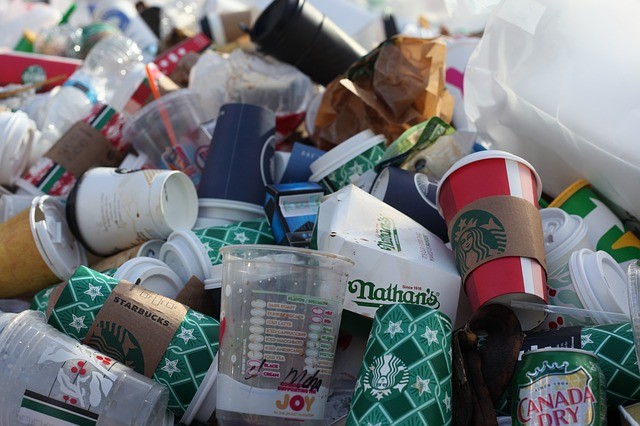
Over the past few years, some jurisdictions have sought to reduce the amount of plastic used in the foodservice industry, and while some businesses have been hesitant to make the change, many have embraced it. Eliminating plastic appeals to a wide selection of environmentally conscious consumers and can also potentially reduce the amount of waste your business produces. This week, we’ll cover a few plastic reduction alternatives certified food safety managers can utilize in their establishments.

food safety managers plastic reduction
Image credit: maxpixel.net -Coffeetogo

Plastic Reduction Alternatives for Certified Food Safety Managers

If you were to take a quick tour of any restaurant, you’d find a number of plastic items. To-go boxes, bags, straws, utensils and take-out serving dishes are all commonly made from plastic. Whether you’re voluntarily reducing your plastic usage or your local jurisdiction has passed codes and laws preventing plastic use, your certified food manager will have to find alternatives for these types of items. Here are a few solutions that you can employ to replace plastic necessities in your facility:

  • Paper and compostable boxes and bags
  • Reusable takeout containers
  • Biodegradable utensils and straws

In the past, plastic bags and Styrofoam to-go containers have been go-to packaging for guests looking for take-out or a way to bring leftovers home. With current trends, many different manufacturers have started producing paper bags and compostable boxes that are either easily recyclable or will break down over time rather than take up space in a landfill. These items may cost a little bit extra, but as more companies produce these products costs should begin to decline.

With the latest update to the Minnesota Food Code, the rules concerning reusable containers have been updated and more clearly outlined. Reusable containers not only reduce plastic waste, they give you the opportunity to sell or provide your guests with reusable take-out containers with your logo and branding on them. This can not only help to conform to local plastic reduction codes but provide a valuable marketing tool for certified food managers to draw repeat business from loyal guests.

Straws and utensils such as forks, spoons and knives present unique challenges since many consumers prefer a sturdy utensil that won’t break during use. The good news is that many companies are now producing durable wood alternatives and great advances have been made to produce robust biodegradable utensils that can easily replace plastic.

Are you making an effort to reduce plastic waste in your facility?

Becoming Certified Food Protection Manager

Steps to Becoming a Certified Food Protection Manager

According to the Minnesota Food Code, all facilities that prepare food for the public must employ a certified food protection manager (CFPM). The role of any CFPM in Minnesota is to ensure that all food is being stored, prepared and served in a safe manner. They are required to train staff, inspect their facility for safety hazards and correct procedures as necessary to keep food safe. How does one become a certified food protection manager? This week, we’ll clearly outline all the steps for becoming a Certified Food Protection Manager in Minnesota.

Becoming Minnesota Certified Food Protection Manager Registration

The first step to becoming a CFPM in Minnesota is taking a qualifying food safety course and passing the exam. There are a few ways this can be done:

  • Instructor-led training
  • Online courses
  • Group training at your facility
  • Customized classes

There are benefits to each of these options, and there’s enough flexibility to choose which course works best for you and your business. Instructor-led training offers the opportunity to delve deeper into food safety topics and ask questions, while online food safety certification courses can be taken at your leisure. If the standard training at an offsite location isn’t convenient, and you’d prefer a real-life food safety expert over an online course, Safe Food Training can come to you and offer group training or customized training that fits your specific needs.

So you’ve passed your food safety training course exam. Congratulations! Does that mean you’re ready to go and officially a Minnesota CFPM? Not quite yet. Just passing the exam doesn’t officially make you a certified food protection manager in Minnesota. There’s one more step, and fortunately it’s an easy one. After passing your food safety certification exam, you must fill out an application in order to register with the state.

To find information concerning current fees and the appropriate mailing address to submit an application, the Minnesota Department of Health CFPM website will have the most up-to-date information.

Do you need assistance with training options? At Safe Food Training, we can provide the perfect food safety training course for your needs.

E. coli contamination

New Research into Causes of E.coli Contamination in Romaine

With multiple outbreaks linked to E.coli contamination in the past couple of years, romaine lettuce remains a hot topic among food safety experts and researchers searching for answers as to how these outbreaks began. One group of experts has captured and studied whether or not flies can spread E.coli from cattle ranches to fields used for leafy greens.

E. coli contamination
Image credit: DavidCardinez via Pixabay

Past reports have suggested contaminated water supplies or contaminated equipment spread the E.coli from one field to another, but this new research concerning flies has us wondering if there may be an uncontrollable aspect to the spread of bacteria on farms.

Flies and E.coli Contamination on Farms

Before we go any further, it’s important to note that the official research abstract does not in fact link flies to recent E.coli contamination outbreaks, it simply examines the plausibility that flies can transmit the bacteria.

The studies were conducted on fields in Yuma, AZ, near or adjacent to feedlots which can house up to 100,000 cattle at once. Weather trends also show that winds regularly blow through the feedlots and towards fields used to grow leafy greens such as romaine lettuce. These patterns do show that the same flies that feed on manure in the cattle yard are highly capable of visiting both the cattle yards and growing fields in a short amount of time, but can these flies actually be the agent that began a major outbreak?

In order to determine whether flies can be transmitters of E.coli, researchers collected samples of five different varieties of flies in the growing fields and cattle feedlots:

  • House Flies
  • Face Flies
  • Flesh Flies
  • Blow Flies
  • Stable Flies

In samples collected, four out of five species carried E.coli at nearly the same rate, with stable flies still testing positive, but at lower levels. It was also discovered that the rates of flies that carried the E.coli bacteria on feedlots were the same up to 180 meters away from cattle.

While researchers admit that further study is required to determine how much of an impact flies have had on romaine E.coli contamination outbreaks and how much distance should exist between cattle raising areas and leafy green growing fields, it’s interesting to note that potential causes for these outbreaks are more varied than previously thought.

We love coming across studies like this examining alternative causes of food safety hazards. Do you think the food safety protection agencies are doing enough to examining potential causes of E.coli poisoning outbreaks?

Marketing Strategy Tips for Food Service Managers

Marketing Strategy Tips for Food Service Managers

Foodservice managers have a lot on their plate, from food safety training to scheduling to ensuring that they have enough inventory to meet their guests’ needs without waste. That leaves very little time for Minnesota food service managers to create marketing strategies to bring in new business. This week, we have three quick and easy tips that may help boost your food service marketing strategy.

Marketing Strategy Tips for Food Service Managers

Marketing Tips for the Busy Food Service Manager

These three steps can help you begin to develop a marketing strategy:

  • Identify your Niche
  • Define and Outline Your Strategy
  • Utilize Social Media to Create Sharable Content

Before you can create a plan to draw in new customers, you first need to know what you do well and what type of clientele you wish to market to. If you’re an upscale or fine-dining facility, creating a marketing plan directed at families with young children may not be appropriate, and dedicating marketing time to romantic evenings if you operate a lively bar could be a waste of your valuable resources. Knowing, or even creating, your restaurant’s identity is vitally important.

Once you’ve defined your identity, it’s time to outline a strategy. We know food service managers have very little free time, but creating a mission statement and outlining a strategy in writing will help you keep your efforts focused. Are you looking for ways to get current guests to return? Are you looking to increase your customer base by bringing in new guests? Your strategies will be different for each goal. Make sure you put a plan in writing. If you’re looking to increase return trips, you’ll need to reach your guests while they’re in your establishments. You can create incentives for return visits, make guests aware of events or simply make their experience as pleasurable as possible so they’ll want to come back.

Marketing via social media is easy and often free. Here’s where you get a chance to reach guests who have never been to your restaurant and remind guests who follow you that you offer amazing experiences. When creating social media posts, don’t just tell guests why they should give you a try, show them and create content they’ll want to share with their friends. Inject your establishment’s unique flavor and personality into your efforts rather than simply posting weekly specials and photos of your cuisine.

As a food service manager, do you have any marketing strategies that our readers should know about?