
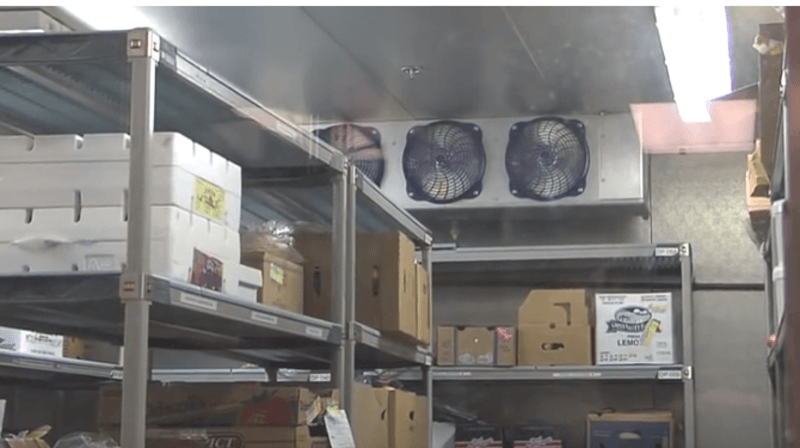
Keeping_Food_Protection_Equipment_Operational

Keeping Food Protection Equipment Operational in the Heat

The hot summer months can be taxing on food safety managers and their employees, but we often ignore the fact that excess heat impacts your equipment as well. As we all know, equipment failure causes a loss of revenue and poses a risk to the safety of the food you serve. This week we’ll take a look at a few things you can do to keep your food protection equipment operational and does not succumb to extreme temperatures.

Keeping Food Protection Equipment Operational

Food Protection Equipment Inspection and Maintenance for the Summer Heat

We’ve identified three valuable pieces of equipment that get taxed in the summertime:

  • Refrigerators and freezers
  • Air ventilation and swamp coolers
  • Air curtains

Your refrigeration is vital to your operation. During the summer, refrigeration systems work harder than any other time of the year, and, if any unit fails, it means lost product and food being stored at dangerous temperature levels. Make sure you regularly inspect and clean compressors and fans. Dust and other contaminants can drastically harm efficiency and overworked compressors can burn out. Also, be aware of excess condensation, dripping water or ice forming on your compressor. These are all signs of excess humidity and overheating. Finally, monitor temperatures regularly, if you notice a spike or irregularities in temperature control, contact an expert to assess whether or not your units are in need of repair. Food safety manager training tells us that food stored in the danger zone can be loaded with harmful bacteria. If you do have any refrigeration failure, it’s best to be safe and toss product stored in the danger zone for an indeterminate amount of time.

Air ventilation systems keep your staff cool and pump hot air out of your kitchen. Clean hood vents frequently to allow them to work properly. Clogged hood vents can cause your system to work longer with poor results, setting you up for potential fan failure. If your facility uses a swamp cooler system, frequently inspect filters, water supply and fan to ensure that it’s operating properly.

When it’s hot outside, doors are frequently left open for extended periods of time, forcing your air curtain to log more hours of operation. You can reduce wear and tear by designating which door must remain closed and which are allowed to be propped open. Many also have replaceable air filters which can clog with dust and grime. Cleaning or replacing filters will increase performance and extend the life of the unit.

Do you have any tips for keeping your food protection equipment functioning its best in the heat?
Seafood-Salmonella

Safe Food Training for Seafood-Salmonella

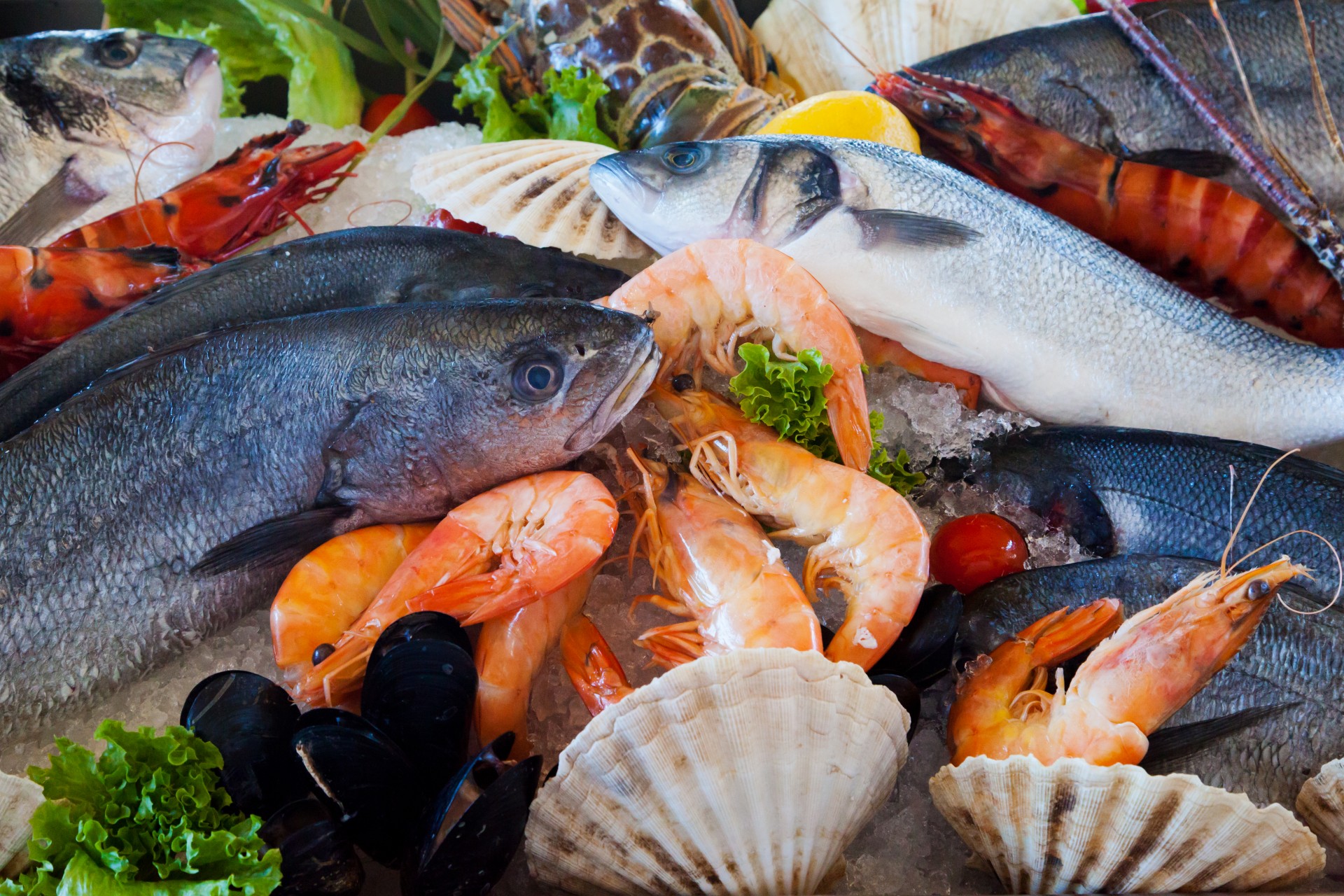
Recently a Seafood- Salmonella outbreak has prompted the recall of frozen, raw, canned tuna. At last count, the outbreak has sickened at least 13 people, including one in the state of Minnesota. Raw canned seafood is popular in restaurants that feature raw dishes such as sushi, sashimi and ceviche. Salmonella is usually associated with undercooked eggs, chicken and produce from farms that use chicken manure as fertilizer, but this case shows that the danger of food poisoning from unlikely sources is a real risk and requires some extra food safety training for Seafood-Salmonella.

Image credit: Petr Kratochvil via PublicDomainPictures.net

Seafood-Salmonella from Contaminated Ingredients

The only sure-fire way to eliminate salmonella is through heating proteins to proper cooking temperatures, so what can food safety managers do about salmonella that shows up in raw or undercooked foods?

First, follow news stories such as this and pay attention to the FDA’s recall list. For your convenience, we also have a handy widget posted on the right side of our blog page that you can check out while you read this article. Keeping up to date on these types of news stories and recalls is vital if you serve sensitive products such as sushi, sashimi or other raw and undercooked products.

Once you’ve been alerted to these Seafood-Salmonella stories, check your inventory immediately to determine if your stock contains potentially contaminated product. In the case of canned seafood, these recalls usually include batch numbers which are printed on every can. If you have the same brand of canned seafood or a different product from the same manufacturer, but the batch numbers do not match, don’t just assume your product is safe to serve. Do a little more research into the recall or call your local health inspector to verify the extent of contaminated items.

Since many of these factors are out of the control of food service protection managers and cannot be countered by even the most rigid food safety training, be proactive if one of your guests is sickened by these types of products. Record batch numbers and work with your health inspector to determine whether or not your guest was sickened by tainted product or some other factor. If you do have such an incident, do not attempt to serve the same product to any other guests. It’s never safe to assume a food-poisoning case is an isolated incident.

Do you serve raw seafood in your restaurant? If so, do you prefer fresh fish or canned and frozen product?

Menu streamlining

Guide to Menu Streamlining

When evaluating the food cost of any given menu, waste creates a major impact and hurts profit margins, especially during typically slow late winter months. Besides ordering less product, menu streamlining options can help reduce waste and leave more money in your budget. This week, we’ll offer some tips on menu streamlining menu that can prevent excess waste and improve profits.

Menu streamlining

Image credit: 123RF – 29640973

Reducing Waste By Streamlining Your Menu

Most chefs and food managers resist the urge to trim their menu during lean months, but we feel the benefits outweigh giving your customers a wide range of choices. When evaluating your menu during traditionally slow periods, look for a few of the following options to menu streamlining :

  • Remove Rarely Ordered Items
  • Alter Dishes to Share Ingredients
  • Find Substitutes for Expensive Ingredients
  • Consider Special Menus Early in the Week

If you keep sales reports, take a look at which items are most frequently ordered and which are rarely ordered. If you have a low percentage of any menu item, consider removing it during slow times. Even at a low order rate, you may sell enough to keep ingredients on hand during peak months, but that low order rate will turn into waste when business drops off.

Side dishes can often be a source of waste. Consider using more cost effective ingredients and rewriting your menu so that more than one dish shares a side. While providing a unique ingredients and side dishes for every item gives customers options, it also increases waste. Temporarily finding ways to include the same ingredient in more than one menu item will reduce waste and lower food cost.

Some restaurants offer a special menu on slower days, typically early in the week. Weekend business usually stays steady, so running a typical menu works for busy days, but offering a more cost effective or “weekday menu” is a common solution to waste reduction.

As a food manager, do you feel altering your menu to reduce waste during the off-season is a solution for controlling food cost?

staff giving thumbs up to future Servsafe food managers

Identifying Future ServSafe Food Managers

The busy holiday season has ended, and down time in January provides the perfect opportunity to assess the talent in your organization. During this assessment, taking note of potential leaders on staff prepares you for the future and gives you a chance to offer training to key members interested in becoming a future ServSafe food manager. It also allows you to identify weak spots or gaps in employee training.

staff giving thumbs up to future Servsafe food managers

Image credit: 123 RF- 18117932 (S)

Future ServSafe Food Managers and Talent Assessment

Before you begin any talent assessment, it’s important to remember that any assessment based on finding weaknesses may be detrimental to your staff’s moral. Weaknesses and training gaps are important to identify and correct, but nobody likes to be constantly told what aspects of their job need improving. Focusing on identifying the positives and encouraging beneficial traits greatly impacts the effectiveness of your employees and the success of your business.

While you’re in the process of looking at your staff’s strengths, now’s the time to sit down with key members that have the ability to take on bigger roles. Run through all of the things you’ve noticed in their performance and discuss the possibilities of taking some extra training and possibly becoming one of your future ServSafe food managers. If this is something that appeals to them, point them in the direction of online food manager training or check out the schedule of upcoming instructor-led classes. It would also be a good idea to schedule some time for interested employees to shadow your current food safety manager so that they have an idea of what to expect if they agree to take on more responsibility.

We realize that not every facility has the budget for multiple certified food protection managers, but providing food safety training to exceptional staff will always be beneficial in the long run. Do you take the time to assess your staff’s talents and strengths from time to time?