More Than Turkey: Why a 1621 Thanksgiving Would Be a Certified Food Protection Manager’s Nightmare
/0 Comments/in Certified Food Protection Manager, Safe Food Training MN/by Jeff WebsterCertified food protection managers across Minnesota are deep in planning for the modern Thanksgiving feast. In our last post, we covered the critical safety checks for this meal, from thawing the turkey to cooling the leftovers. This high-pressure, high-risk meal is a true test of any food service operation.
But it begs the question: is this complex meal we serve today the same one the Pilgrims and Wampanoag shared in 1621? The classic painting of a perfect, golden-brown turkey on a platter is a staple of American history. Or is it?
Let’s look at what history tells us, and what it means for today’s food safety professionals.
The Myth: What We Think They Ate
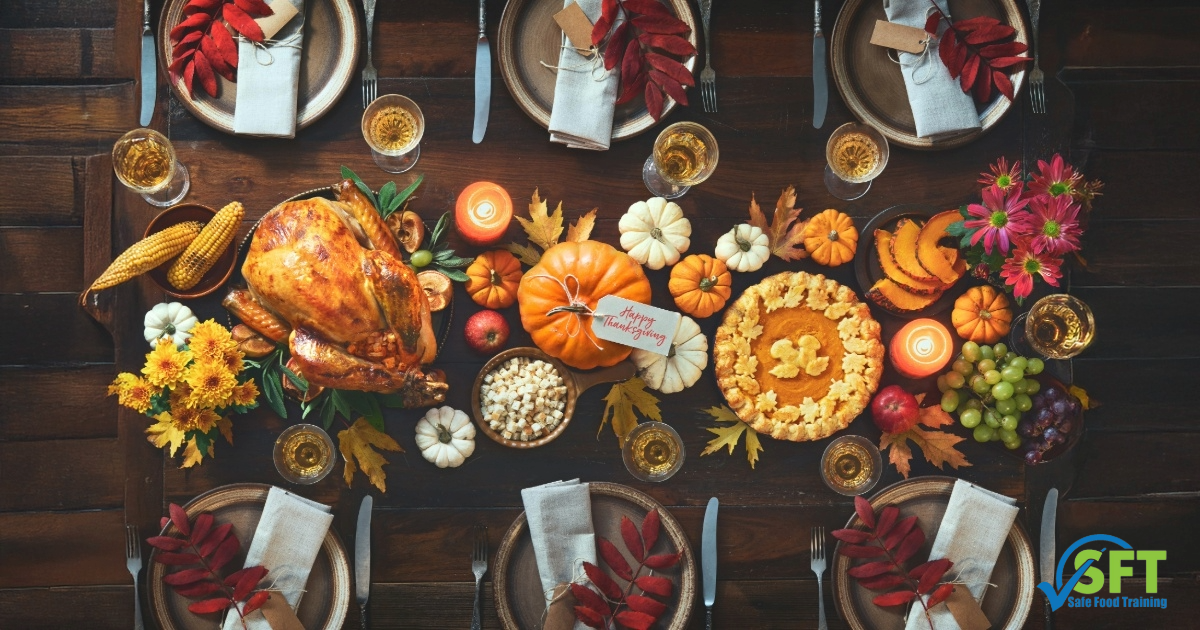
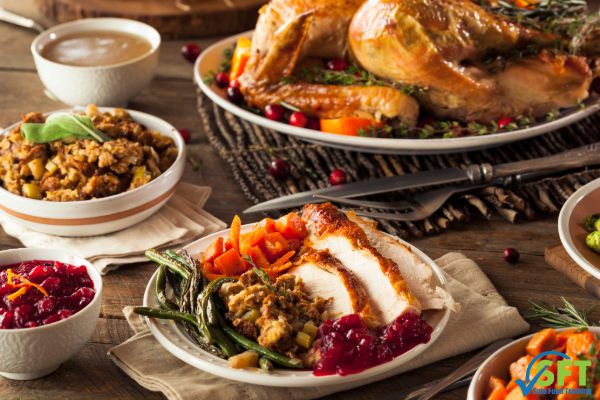
When we plan a “traditional” Thanksgiving menu, we’re thinking of a very specific set of items:
- Roast Turkey with Gravy
- Bread-based Stuffing
- Mashed Potatoes
- Cranberry Sauce
- Candied Yams or Sweet Potatoes
- Pumpkin Pie
For a CFPM, this menu lists Time/Temperature Control for Safety (TCS) foods. You must cook the turkey to 165°F, the stuffing (if cooked separately) to 165°F, and hot-hold everything above 135°F or cool it using the two-stage method.
This menu poses a major safety challenge. But it’s nothing compared to what was actually served.
The Reality: The Real 1621 Menu
According to the two surviving accounts of the 1621 harvest feast, the menu was far more rustic and varied. It was a true hunter-gatherer’s meal, heavily influenced by what the Wampanoag guests brought.
- Wild Fowl and Venison: Turkey was present, but it wasn’t the star. Accounts mention a “great store of wild turkeys” as well as geese and ducks. The Wampanoag also contributed five deer, making venison a centerpiece of the meal.
- Seafood: Being a coastal New England settlement, the feast was heavy on seafood. This likely included mussels, clams, oysters, lobster, and eel—all staples of the local diet.
- Native produce: Potatoes and yams were unknown to the Pilgrims. Instead, they would have eaten native New England produce like pumpkin and other squashes (roasted in the fire, not baked in a pie) and corn, which was likely served as a “mush” or cornbread.
- Missing in Action: Cranberry sauce? Not for another 50 years. Butter and wheat flour for pie crusts? The Pilgrims had no ovens and limited supplies.
A CFPM’s Nightmare: The 1621 Food Safety Challenge
Today’s Thanksgiving is a challenge of process. The 1621 feast would have been a challenge because of limited ingredients and the risk of cross-contamination.
Imagine you’re the certified food protection manager for this 1621 feast. Your top concerns wouldn’t just be one turkey; they would be:
- Massive Cross-Contamination Risk: You aren’t just prepping one type of raw protein. You are butchering and cooking wild-caught venison, multiple types of waterfowl, and prepping raw seafood. The risk of spreading pathogens from the field-dressed deer to the mussels or roasted squash would be astronomical without separate, color-coded prep areas.
- High-Risk Seafood: Mussels, clams, and oysters are some of the high-risk foods we handle. They are filter feeders that can harbor Vibrio bacteria or norovirus. Without modern refrigeration, these would have to be harvested and cooked immediately—any delay would be a public health disaster.
- No “Danger Zone” Control: The entire concept of hot-holding at 135°F or cold-holding at 41°F was nonexistent. Someone cooked and served the food over an open fire. This single-service event is actually safer in one way: there were no leftovers. The modern challenge of rapidly cooling leftover gravy and stuffing (a process that, when done wrong, is a leading cause of Clostridium perfringens) wasn’t a problem.
What Today's Thanksgiving Teaches Us
The first Thanksgiving was a rugged, single-service event based on immediate consumption. The modern Thanksgiving, in contrast, is a complex test of a food safety system.
The Pilgrims’ menu was varied, but our modern meal truly tests a Certified Food Protection Manager’s training. We manage a high-volume, multi-step process of thawing, cooking, hot-holding, serving, and (most importantly) cooling.
This modern complex process is where your training becomes critical. As you complete your Thanksgiving prep, make sure your certification is up to date. Safe Food Training offers the expert-led 8-hour Certified Food Protection Manager course and 3-year continuing education for you and your team in Minnesota.
Visit our website to book your training and head into the holidays with confidence.
Food Safe Training: A Guide for School Cafeteria Workers
/0 Comments/in Food Borne Illness, Safe Food Training MN/by Jeff Webster


Effective safe food training is the most important step for protecting student wellness. As a certified food protection manager on the front lines, your role is more critical than ever, with many schools now offering breakfast, lunch, and after-school meals. A focused review of food safety is the best way to prepare for a healthy and successful school year.
Your Back-to-School Safe Food Training Checklist
Before the school year kicks into high gear, it’s the perfect time for a thorough review of your facilities and procedures. A simple checklist helps you avoid overlooking details.
1. Start with a Comprehensive Deep Clean
A clean kitchen is a safe kitchen. After a quieter summer, certified food protection managers must oversee a thorough sanitation of all food service areas before the first food delivery arrives. This provides easier access to storage and hard-to-reach places. Pay special attention to these hidden breeding grounds for bacteria:
-
- Floor Drains: Moisture and food particles can accumulate in drains, creating an ideal environment for pathogens like Listeria. Use an approved drain sanitizer regularly.
-
- Behind and Under Equipment: Daily cleaning often misses the areas behind ice machines, ovens, and counters. To thoroughly clean and sanitize floors and walls, pull equipment away from the walls.
-
- Dry Storage Areas: Shelving for dishes and food products can collect dust and debris. Wipe down all shelving and storage containers to prevent contaminants from falling onto clean dishes or into food.
2. Review Critical Food Handling Procedures
Serving hundreds of students safely requires constant vigilance. A pre-service team meeting is the perfect setting to reinforce these core food safety principles that all school cafeteria workers must master.
-
- Master Temperature Control: The temperature “danger zone” (between 41°F and 135°F) is where bacteria multiply at the fastest rate. Hot foods must be held at or above 135°F, and cold foods must be kept at or below 41°F. Remind staff to check holding temperatures using a calibrated thermometer frequently. When reheating food, ensure it passes through the danger zone as quickly as possible to prevent bacterial growth.
-
- Prevent Cross-Contamination: Use separate cutting boards, utensils, and gloves for raw meats and ready-to-eat foods, such as fresh fruits and vegetables. This simple but critical step prevents the transfer of harmful bacteria from one food item to another.
-
- Uphold No-Bare-Hand Contact: This is a non-negotiable rule in the food service industry. All ready-to-eat foods must be handled with single-use gloves, tongs, scoops, or deli tissue. Ensure these utensils are clean, in good condition, and are readily available at all workstations.
3. Reinforce Staff Hygiene and Wellness Policies
Healthy people staff the healthiest kitchens. Food safety extends to personal practices, so it’s crucial to review your team’s role in preventing the spread of illness.
-
- Champion Proper Handwashing: Gloves are not a substitute for clean hands. Review the proper handwashing technique—using soap and warm water for at least 20 seconds—before starting work, after handling raw meat, after using the restroom, and before putting on new gloves.
-
- Enforce an Employee Health Policy: Staff must understand the importance of reporting symptoms, such as vomiting, diarrhea, or fever, to a manager. Establish a clear policy that outlines when an employee must stay home from work to prevent the potential spread of an outbreak.
-
- Maintain Professional Appearance: Clean uniforms, properly restrained hair, and minimal jewelry are not just about looks—they are vital for preventing physical contaminants from ending up in food.
Are You and Your Team Certified and Ready?
These procedures are central to any professional food safety program. Whether you’re a certified food protection manager or a key part of the cafeteria staff, ensuring that you and every team member hold a valid food safety certification protects your students, your colleagues, and the school’s reputation.
If you or your employees need certification, contact us to learn about our instructor-led safe food training options in Minnesota. We can get you and your team certified and ready to serve safely.
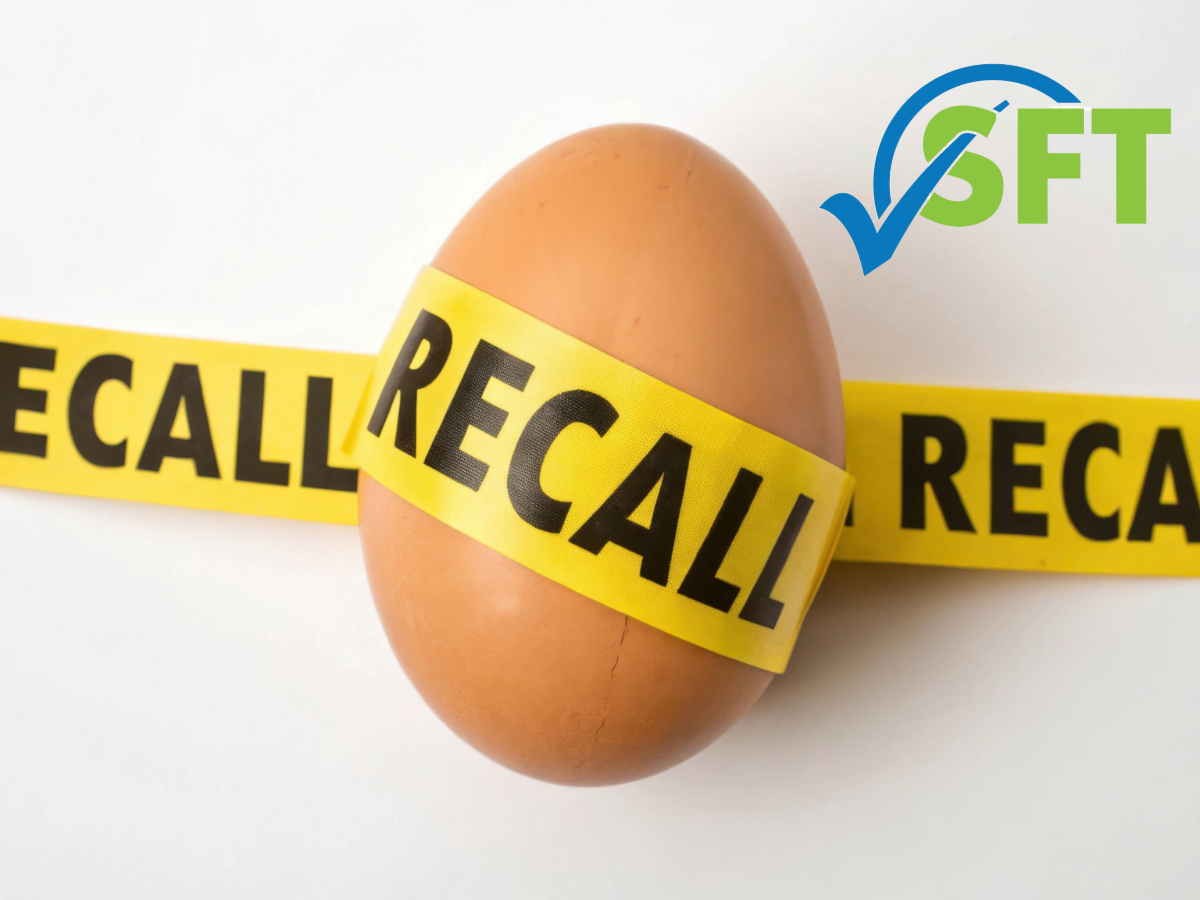
RECALL ALERT! Egg-Cellent Food Safety Advice For the Rash of Recalls
/0 Comments/in Safe Food Training MN/by Jeff WebsterA recent Salmonella outbreak linked to recalled eggs has already caused over 130 illnesses and at least one death across ten states, making rigorous Minnesota food safety protocols more critical than ever. As a food professional, you know that your customers’ trust is the most vital ingredient in your business. With a recent surge in product recalls in the news, this guide provides the essential advice you need to navigate the complexities of a product recall, protect your patrons, and reinforce your commitment to the highest standards of food handling.
A recall isn’t just a news alert; it represents a real and present danger. Understanding the stakes is the first step toward building a more resilient food safety culture.
Understanding the Threat: The Real-World Impact of Recalls

- Public Health Is on the Line: The recent Salmonella outbreak is a stark reminder that recalls are issued because products can cause serious harm. Each statistic represents an individual who fell ill after eating at an establishment they trusted.
- Vulnerable Populations Are at a Greater Risk: Foodborne pathogens can cause severe illness, especially in young children, older adults, and individuals with compromised immune systems. Your role in preventing their exposure is critically important.
- Your Reputation Is Your Business: A single foodborne illness incident traced back to your establishment can cause irreparable damage to your reputation. Maintaining compliance with Minnesota’s food safety laws isn’t just about passing inspections; it’s about upholding the trust that keeps your doors open.
Your Minnesota Food Safety Checklist for a Recall
Once you learn of a recall, you must act swiftly and precisely to contain the threat. Vague assumptions are not enough—you need a clear, systematic process for responding. This checklist can help you manage the situation effectively.
Identify and Isolate
First, determine if the recalled product is in your facility. Time is of the essence.
- Check Your Inventory: Compare your stock immediately against the recall notice. Check for specific brand names, plant codes, and expiration or lot dates. The recent egg recall, for example, listed specific plant codes and Julian dates to help identify affected batches.
- Segregate and Label: If you find a recalled product, isolate it from all other foods and equipment to prevent cross-contamination. Move it to a secure, designated area and label it clearly with a sign like, “DO NOT USE—RECALLED PRODUCT.”
Clean and Sanitize
Proper disposal and sanitation are essential to eliminate the pathogen from your environment.
- Follow Disposal Guidelines: Discard the recalled product according to health authority recommendations. The CDC warns retailers must remove recalled products from sale and properly dispose of them to prevent consumption.
- Conduct a Deep Clean: Thoroughly wash, rinse, and sanitize all surfaces and equipment that may have come into contact with the recalled items. This includes refrigerators, storage racks, countertops, cutting boards, utensils, and even employee aprons.
Ready to renew your certification for a food safety manager in Minnesota? Register today!
Proactive Prevention: Strengthening Your Food Handling Protocols
The best way to handle a recall is to have strong preventive systems already in place. Use this event as an opportunity to review and reinforce your food safety procedures, transforming a reactive moment into a proactive strategy.
Refine Supplier and Receiving Practices
Your food is only as safe as its source.
- Partner with Trusted Suppliers: Work exclusively with reputable suppliers who can provide documentation of their food safety practices and third-party audits.
Keep Meticulous Records: Implement a “first-in, first-out” (FIFO) system and maintain detailed receiving logs for all deliveries. Proper documentation enables rapid traceability, allowing you to pinpoint a product’s origin in minutes, not days.
Invest in Continuous Team Training
A well-trained team is your ultimate defense against foodborne illness.
- Make Training an Ongoing Priority: Food safety is not a one-time event. Regular training sessions ensure your staff is always current on best practices, from proper handwashing and cross-contamination prevention to recognizing the symptoms of foodborne illness.
- Stay Current with State Requirements: In Minnesota, certified food protection managers are required to complete continuing education every three years to renew their certification. This requirement is a valuable opportunity to refresh your team’s knowledge and reinforce your commitment to excellence.
Ultimately, recalls and outbreaks serve as critical reminders of the responsibilities you carry as a food professional. Taking decisive action during a recall and committing to continuous improvement are the hallmarks of a truly safe operation. Protecting public health is the cornerstone of Minnesota food safety, and investing in your team’s education is the most effective way to honor that commitment.
Don’t wait for the next recall to strengthen your defenses. Whether you are pursuing an initial certification or need to fulfill your three-year continuing education requirements, Safe Food Training offers personalized, instructor-led options in Minnesota to ensure you and your team are prepared. Protect your customers and your reputation by registering for a course today.
About Us
Recent Posts
- Farm-Fresh vs. Store-Bought Eggs: An Easter Food Safety Guide
- The Essential Guide to CFPM Requirements for Minnesota Food Trucks
- Keep it Under Wraps: The Truth About Hair Restraints in MN
- Is Your Kitchen in the Danger Zone? A Guide to Precision Temperature Control
- When Can a Sick Employee Return to Work? The MN Food Manager’s Guide to Illness Reporting