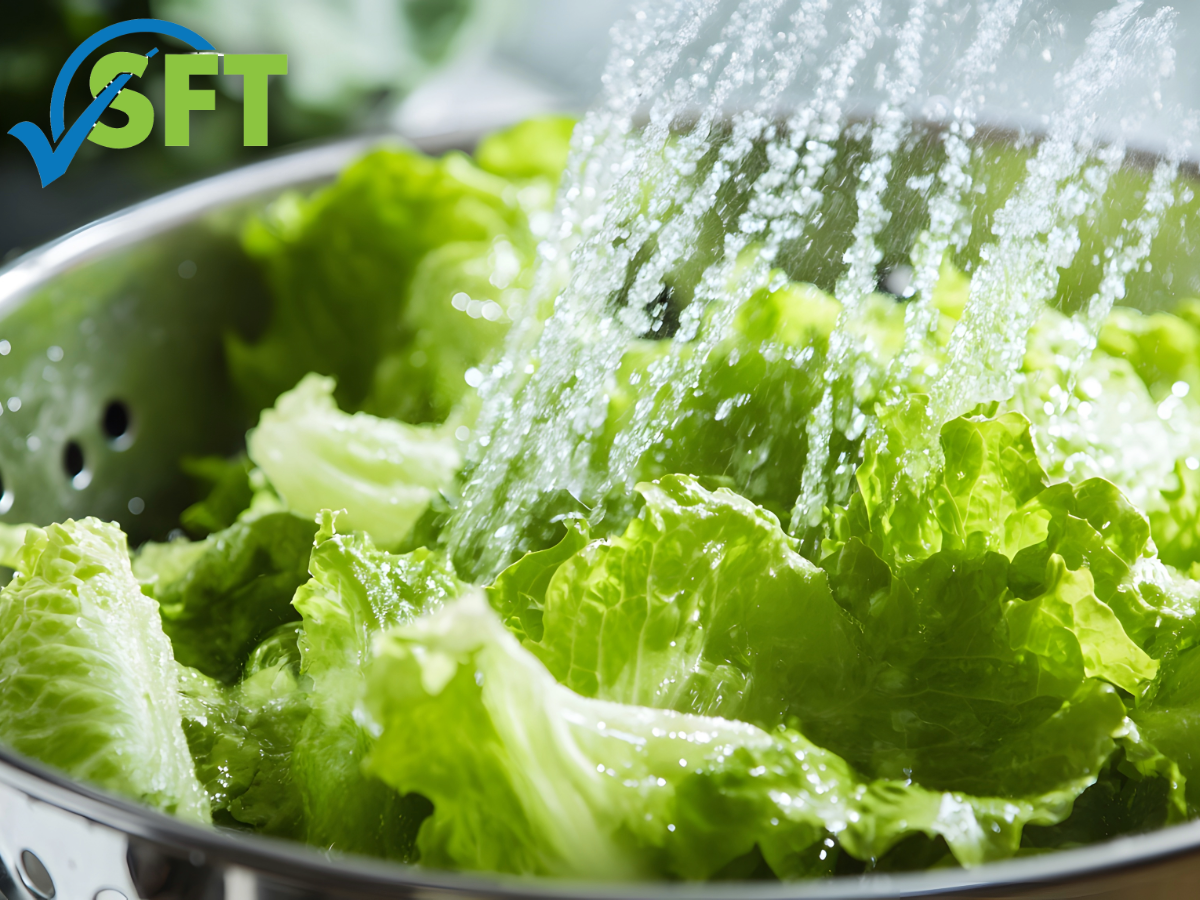
Washing lettuce

Bookmark Our Proper Produce Washing Guide For Easy Access

As a certified food manager in Minnesota, you understand that maintaining high standards is essential for both your business and your customers’ safety. When it comes to preventing foodborne illness, mastering the fundamentals is key, and that begins with proper produce washing. While it may seem basic, this critical step is your first line of defense against contaminants that can lead to serious health risks. Ensuring your entire team understands and follows the correct procedures is essential for food safety compliance and protecting the people you serve.

Fresh fruits and vegetables can carry a range of contaminants, including harmful bacteria such as E. coli and Listeria, as well as pesticide residues and physical soil contaminants. According to the CDC, germs cause nearly half of all foodborne illnesses on fresh produce. This highlights why a quick, careless rinse simply isn’t enough to mitigate the risks.

Understanding Key Washing Techniques

Not all produce is the same, and your washing method should adapt to the specific type of fruit or vegetable you are handling. Following best practices ensures that you effectively remove contaminants without damaging the product.

For Leafy Greens (Lettuce, Spinach)

Washing lettuce

Learn how proper produce washing can keep customers safe!

Greens like lettuce and spinach have a large surface area with many crevices where bacteria and dirt can hide.

  • Discard the outer leaves first. These leaves have received the most handling and are, therefore, more likely to harbor dirt and microorganisms.
  • Do not soak them. Instead, rinse leafy greens under cool, running water. Soaking can allow any bacteria present in the water to be absorbed into the leaves.
  • Dry thoroughly. Use a clean salad spinner or pat dry with paper towels to remove excess moisture, which can promote bacterial growth.

For Firm Produce (Apples, Melons, Cucumbers)

Produce with tough skin requires a bit more friction to get clean.

  • Gently rub the surface. While rinsing under cool running water, use your hands or a clean produce brush to scrub the exterior. This is especially important for items like cantaloupe, where bacteria on the rind can be transferred to the flesh when you cut it.
  • Consider a vinegar rinse for added safety. For produce with a higher risk or for extra precaution, a solution of one part distilled white vinegar to three parts water can help reduce bacteria more effectively than water alone. Be sure to rinse with plain water afterward.

For Delicate Berries (Raspberries, Blueberries)

Soft-skinned berries can be easily damaged and must be handled gently.

  • Wash just before you plan to use them. Washing berries too far in advance can introduce moisture that leads to mold and mushiness.
  • Use a colander. Place the berries in a colander and rinse them under a gentle stream of cool water.
  • Pat dry carefully. Gently pat them with a clean paper towel to absorb any lingering water before serving or storing.

Avoiding Critical Mistakes in Produce Handling

Knowing what not to do is just as important as knowing the right steps. Reinforce these rules with your kitchen staff to prevent common but dangerous errors in your food safety procedures. Foremost, never use soap, bleach, or commercial detergents to clean produce. These products are not for consumption and can be absorbed into the pores of fruits and vegetables.
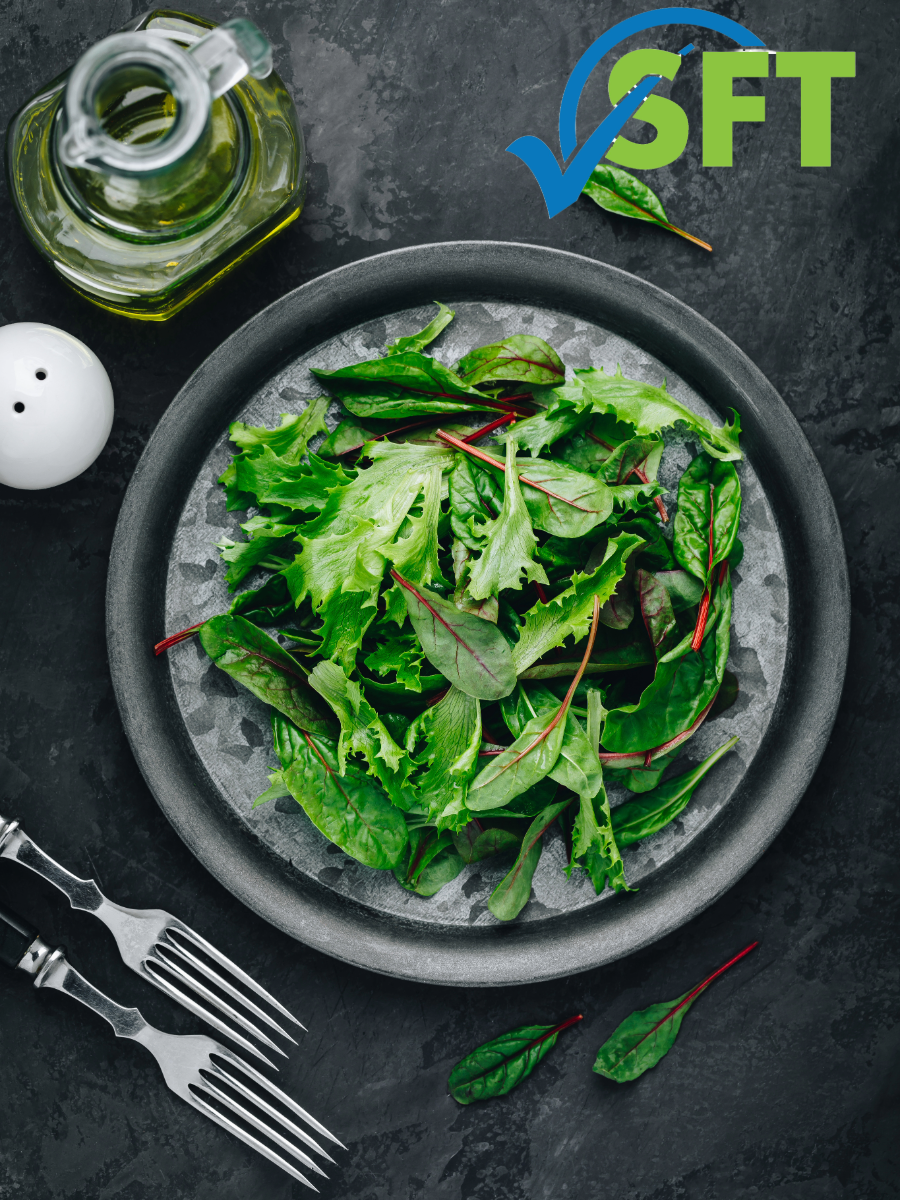
Start every delicious salad with proper produce washing!

Start every delicious salad with proper produce washing!

Cross-contamination is another major risk. To prevent it:

  • Always wash your hands with soap and warm water for at least 20 seconds before and after handling fresh produce.
  • Use separate cutting boards and utensils for produce and raw meat, poultry, or seafood.
  • Thoroughly clean and sanitize all food-contact surfaces, including countertops and sinks, before and after preparing produce.

By implementing these standards for proper produce washing, you are taking a vital step in maintaining a safe and reputable establishment. It’s this attention to detail that shows a commitment to excellence.

Ready to ensure your team is fully trained on all aspects of food safety, from produce handling to advanced food manager responsibilities? Safe Food Training offers personalized, instructor-led options for you and your team right here in Minnesota. 

Book your initial certification or three-year renewal course today

Buffet Cross Contamination-Buffet

A Food Manager’s Guide to Preventing Buffet Cross-Contamination

As a food manager in Minnesota, you understand the unique appeal of a buffet service. It offers variety and abundance that customers love. However, that same open-service style presents significant food safety challenges, with the primary risk being buffet cross-contamination. A single misstep can compromise an entire food line, potentially leading to a foodborne illness outbreak that could harm your customers and your reputation. Implementing a robust, multi-layered strategy is not just good practice—it’s essential for protecting everyone.

The nature of a self-service line means dozens of people interact with the serving utensils and food, creating numerous opportunities for germs to spread. Therefore, your prevention plan must be comprehensive, covering everything from staff hygiene to the layout of the buffet itself.

Build a Foundation of Impeccable Hygiene

Prevent cross contamination at the buffet table!- Buffet table

Prevent cross contamination at the buffet table!

The first line of defense against foodborne illness is always your team. Pathogens are most commonly transferred by hands, making strict hygiene protocols the cornerstone of buffet safety. These standards must be non-negotiable for every person working in your establishment.

  • Implement Proper Handwashing: This is the single most critical habit. Staff must wash their hands with soap and warm water for at least 20 seconds before their shift, after using the restroom, after handling raw meat, and any time they switching tasks.
  • Train on Correct Glove Use: Disposable gloves can provide a significant barrier, but only when used correctly. Staff should wash their hands before putting on gloves and change them frequently, especially after handling allergens or raw foods. A glove is only as clean as the last thing it touched.
  • Maintain High Personal Hygiene Standards: This includes wearing clean uniforms, using effective hair restraints like hairnets or hats, and removing jewelry that could harbor bacteria or fall into food.

Master Food Handling to Stop Buffet Cross-Contamination

How food is held, stored, and served is critical. Even with clean hands, improper food handling can quickly turn a beautiful buffet into a high-risk zone. Your strategy must focus on controlling temperature and preventing contact between different food types.

  • Monitor Temperatures Vigilantly: Bacteria multiply rapidly in the “temperature danger zonebetween 41°F and 135°F. Use calibrated food thermometers to ensure hot foods stay at or above 135°F and cold foods stay at or below 41°F.
  • Separate Raw and Ready-to-Eat Foods: This rule is absolute, from the walk-in cooler to the serving line. Store raw meats, poultry, and seafood below and away from ready-to-eat items to prevent juices from dripping and contaminating them. Use color-coded cutting boards and utensils for preparation.
  • Enforce the First-In, First-Out (FIFO) Rule: Always use the oldest stock before the newest stock. Using this method ensures the freshest food is served and reduces the risk of using expired or unsafe products.

Control the Point of Service

Buffet Cross Contamination

Stop buffet cross contamination with these tips!

The buffet line itself is where your staff, your food, and your customers all interact. Managing this environment is crucial for preventing the direct and indirect spread of contaminants. Small, consistent actions in this area can make a significant difference.

  • Provide a Utensil for Every Dish: Never allow a single spoon or pair of tongs to be used for more than one dish. This prevents the transfer of allergens and germs between food items. Keep a stock of clean utensils ready and replace any that are dropped or mishandled immediately.
  • Use Protective Sneeze Guards: Sneeze guards are a physical barrier required by health codes for a reason. They protect food from respiratory droplets and other physical contaminants that may come into contact with customers. Ensure they are clean and properly positioned.
  • Encourage Clean Plates for Refills: Politely ask customers to use a fresh plate each time they return to the buffet. This simple step prevents a used plate, which has come into contact with a customer’s hands and saliva, from contaminating the serving utensils and, subsequently, the entire dish.

Preventing buffet cross-contamination requires continuous effort and a well-trained team. These systems are your best defense against foodborne illness and are essential to running a safe and successful buffet service.

Are you confident your team understands every risk, from the temperature danger zone to allergen management? Safe Food Training provides personalized, instructor-led food safety courses for Minnesota food managers and their staff.

Book your initial certification or continuing education session today and build a culture of safety in your establishment.

Shigella

Shocking Shigella Alert: Facts Every Food Protection Manager Must Know Now

Shigella Alert: What Every Certified Food Protection Manager Must Know

Shigella

How to prevent Shigella.

In the complex world of food safety, certain pathogens demand our utmost attention. Shigella is one of them. As a certified food protection manager, recognize the threat Shigella poses to build strong defenses in your establishment. Shigella’s high infectivity and severe health consequences demand rigorous control beyond other contaminants.

This isn’t about fear—it’s about empowerment. Understanding the science behind Shigella, including how it spreads and the precise actions to prevent it, enables you to lead your team with confidence. Additionally, it helps you protect every customer who walks through your doors.

Why Shigella is a “Big 6” Pathogen

Shigella is a group of bacteria that causes an infection known as shigellosis. The U.S. Centers for Disease Control and Prevention (CDC) estimates it is responsible for approximately 450,000 infections in the United States each year. Fever, stomach pain, and diarrhea that is often bloody characterize the illness.

However, what truly sets Shigella apart is its designation by the FDA as one of the “Big 6” foodborne pathogens, alongside Norovirus, Hepatitis A, Salmonella Typhi, Nontyphoidal Salmonella, and E. coli. The FDA designates highly infectious pathogens that cause severe illness and are frequently transmitted by food employees as having this special status.

  • Extremely Low Infectious Dose: Shigella is notoriously easy to contract. It takes as few as 10 to 100 bacterial cells to cause an infection. This microscopic amount easily transfers from contaminated surfaces or unwashed hands to food.
  • Severity of Illness: While many cases resolve in 5-7 days, some can lead to severe complications, including post-infectious arthritis and bloodstream infections.
  • Emerging Drug Resistance: The CDC has issued alerts regarding extensive drug-resistant (XDR) strains of Shigella. These “superbug” versions are resistant to all commonly recommended antibiotics, making prevention, not treatment, the only reliable strategy.

How Shigella Spreads in a Food Service Environment

The primary mode of transmission for Shigella is the fecal-oral route. This means an infected person’s stool passes the bacteria to the mouth of another person. In a food service setting, this happens almost exclusively through the hands of an infected food employee. If an employee uses the restroom and fails to wash their hands properly, they can contaminate everything they touch afterward, including food, equipment, door handles, and utensils.

  • Direct Food Contamination: This is the most common risk in a kitchen. An infected employee preparing salads, slicing fruit, or making sandwiches can directly transfer the bacteria to ready-to-eat foods.
  • Contaminated Water: Produce irrigated or washed with contaminated water can carry Shigella into your kitchen.
  • Person-to-Person Spread: Because the infectious dose is so low, the bacteria can spread rapidly among staff members if hygiene protocols are not strictly followed, increasing the risk of a widespread outbreak.

Your Action Plan: A Certified Food Protection Manager’s Prevention Strategy

As a Certified Food Protection Manager, your role is to move from awareness to action. Preventing a Shigella outbreak depends on implementing, monitoring, and enforcing a multi-layered defense system. Your leadership in these areas is non-negotiable.

  • Mandate Impeccable Hand Hygiene: This is your single most effective tool. Go beyond simply having sinks available.
  • Action: Implement a policy requiring hand washing for at least 20 seconds with soap and water. Ensure it is done after using the restroom, before starting work, between tasks, and any time hands may have become contaminated.
  • Verification: Directly observe staff during shifts and make handwashing a key part of your daily walk-throughs.
  • Enforce a Strict Employee Health Policy: An employee with diarrhea cannot work.
  • Action: The FDA Food Code requires that any employee diagnosed with an illness from Shigella spp. be excluded from work. Your policy must be even more direct: any employee experiencing vomiting or diarrhea, regardless of the cause, must report it and stay home.
  • Support: Create a work environment where employees feel safe reporting symptoms without fear of penalty.
  • Implement Rigorous Cleaning and Sanitizing: Treat every surface as a potential point of cross-contamination.
  • Action: Develop a clear schedule for cleaning and sanitizing all food-contact surfaces, equipment, and high-touch areas (such as cooler handles and POS screens) with approved sanitizers.
  • Training: Ensure staff understand the difference between cleaning (removing soil) and sanitizing (reducing pathogens to safe levels), as well as the correct procedures for both.
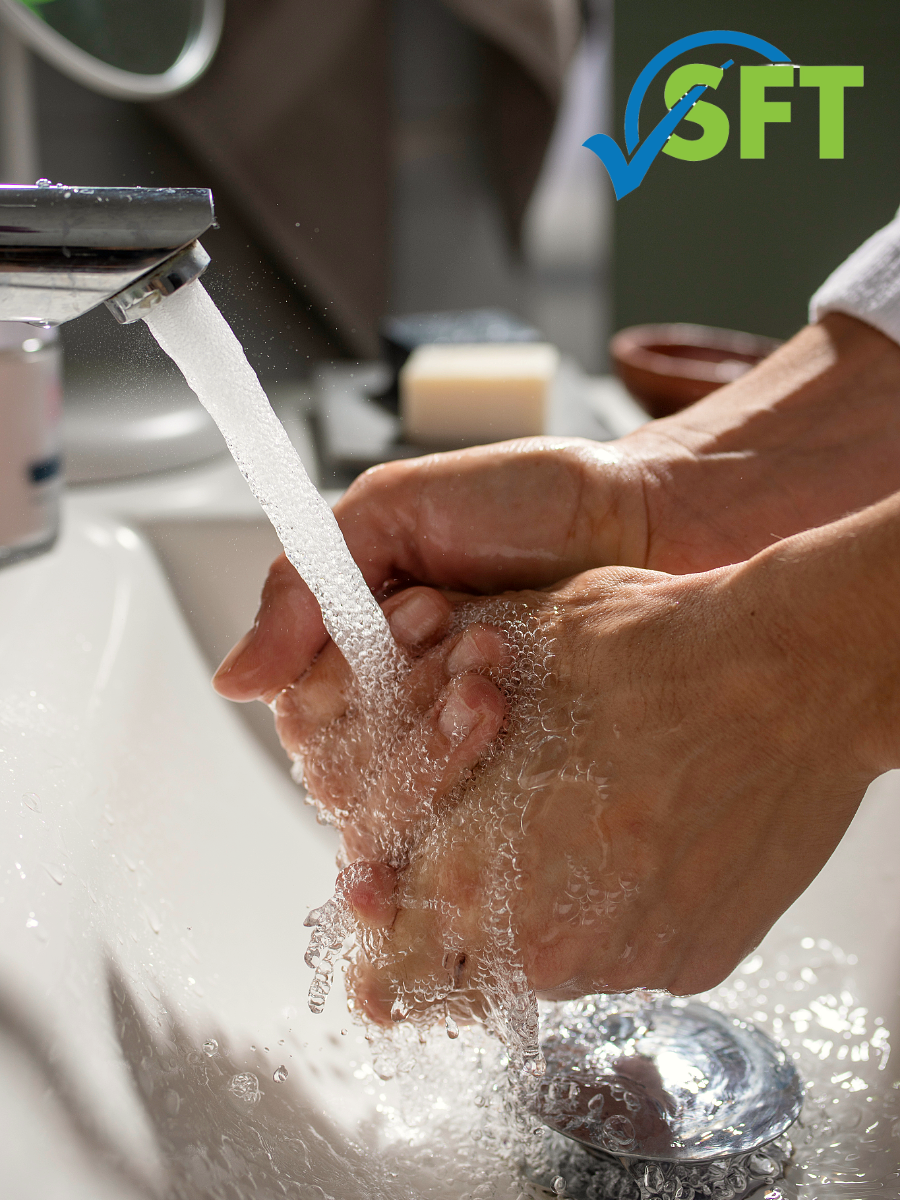
handwashing

The key to preventing shigella is handwashing!

A well-trained team led by a knowledgeable certified food protection manager is the ultimate defense against pathogens like Shigella. Your expertise is critical to public health and the success of your business.

Is your team fully ready to handle threats like Shigella? Safe Food Training offers expert, instructor-led options for 8-hour food manager certification and continuing education, all right here in Minnesota. Ensure that you and your team have the knowledge and tools to protect both customers and employees. 

Register for an upcoming course today!

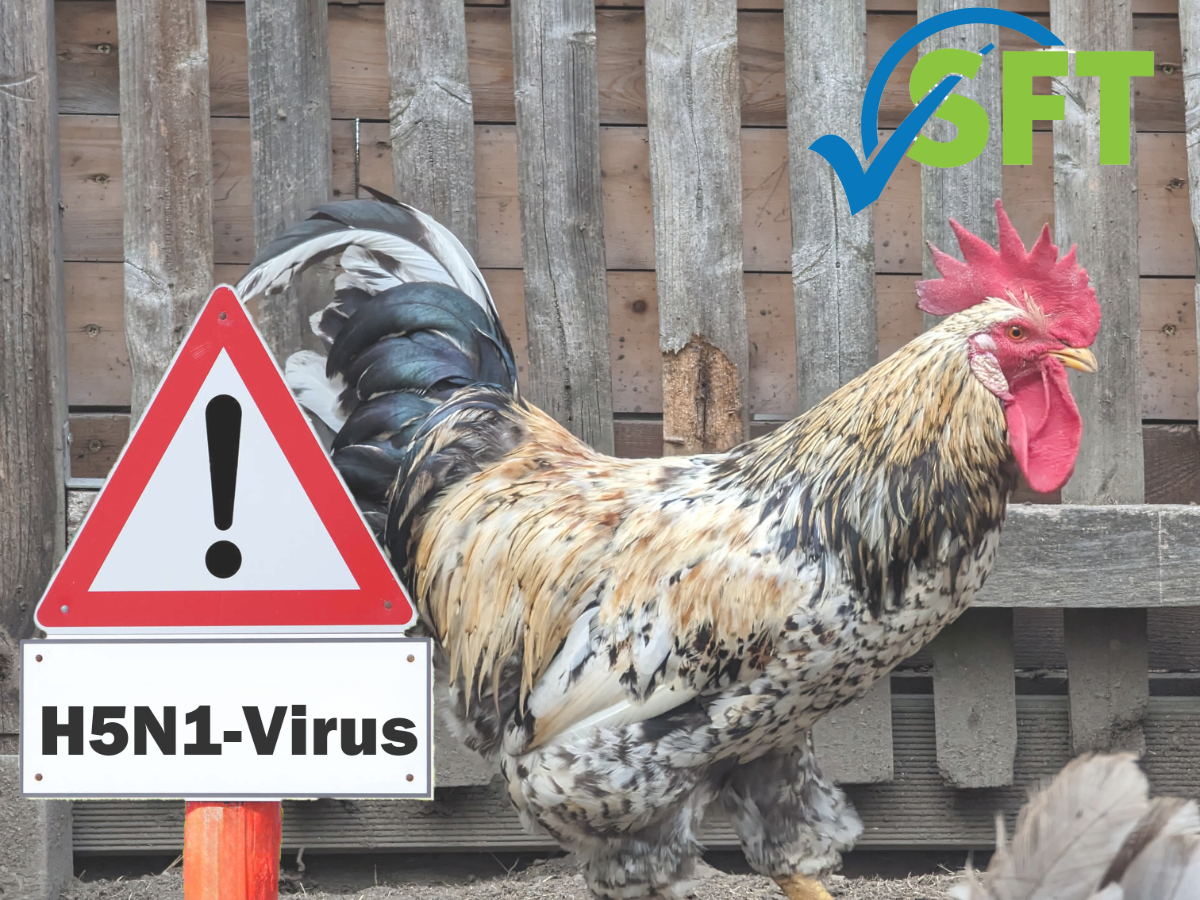
bird flu-h5n1-virus sign

Bird Flu in 2025: What Every Certified Food Protection Manager Needs to Know

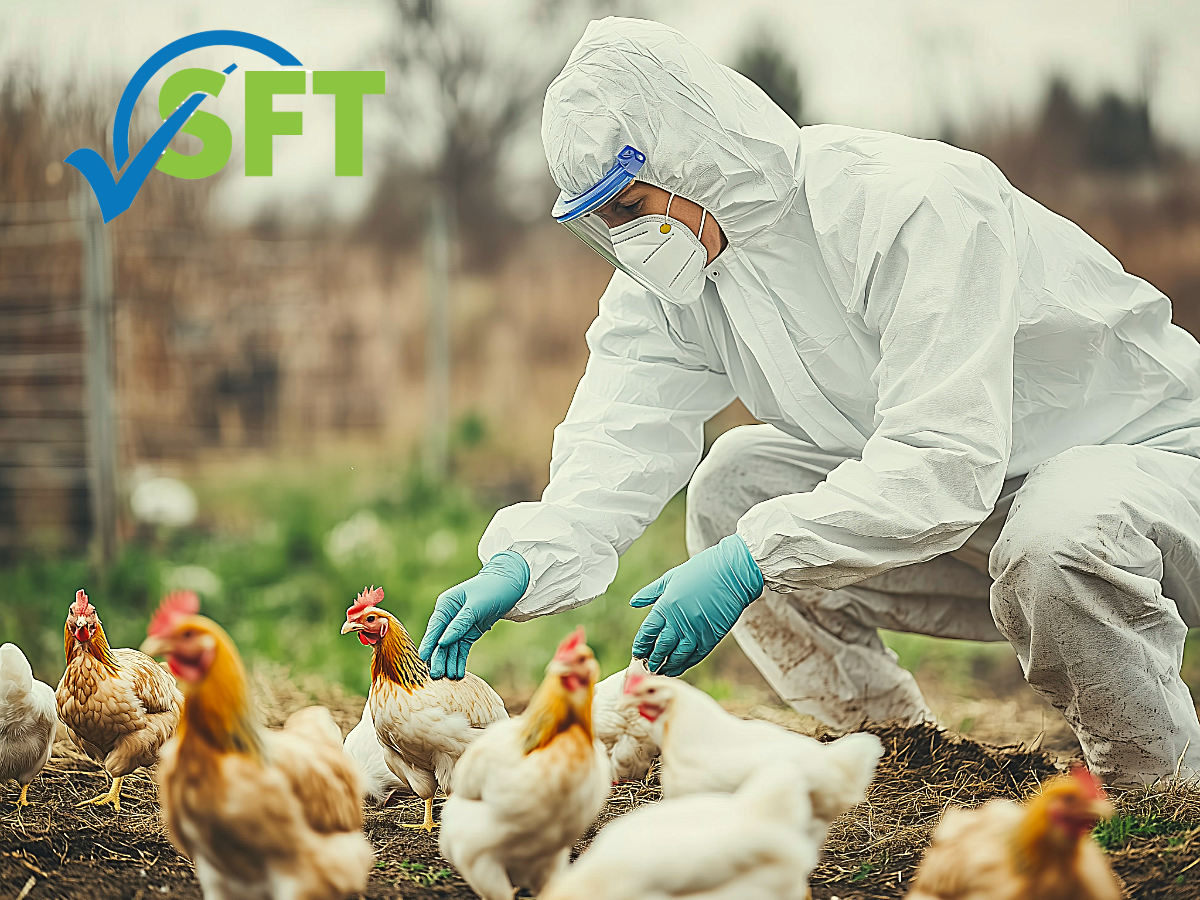
Guy in protective gear examining a chicken.

Don’t worry about the bird flu. Just prepare food at safe temperatures!

As we progress through 2025, the ongoing avian influenza (H5N1) situation, commonly referred to as bird flu, continues to require the attention of food service professionals across Minnesota. For the certified food protection manager, understanding the risks and reinforcing safety protocols is fundamental to protecting public health. Your role in upholding Minnesota food safety standards is more critical than ever, despite the low public threat.

The good news is that established food safety practices are highly effective against the virus. Properly handling and cooking poultry to an internal temperature of 165°F kills the avian influenza virus, which means your standard procedures are your best defense.

Understanding the Current Situation

It’s essential to stay informed without becoming alarmed. The CDC’s risk assessment for the H5N1 virus has stated that the risk to the general U.S. population is low. However, vigilance in a professional setting is key. 

The situation remains dynamic, with the user-provided draft noting 70 confirmed human cases and one death in the U.S. as of late June 2025. This highlights the need for stringent professional standards.

  • Impact on Supply: The poultry industry has been significantly affected, with millions of birds impacted by Highly Pathogenic Avian Influenza (HPAI). This can impact supply chains and underscore the importance of diligence in sourcing products.

  • Low Transmission from Food: Health authorities have consistently emphasized that properly handled and cooked poultry and eggs are safe to consume. The system of inspection and safe handling protocols helps ensure affected products do not enter the food supply.

  • Focus on Prevention: For the certified food protection manager, the focus is not on the field-level outbreak itself, but on preventing cross-contamination and ensuring all poultry products reach a safe cooking temperature.

Key Minnesota Food Safety Protocols for Avian Flu Prevention

Your leadership in implementing and enforcing food safety measures is the most powerful defense. Re-emphasize these core principles with your team to address any concerns related to avian flu and other foodborne pathogens.

  • Verify Your Sources: Now is an excellent time to communicate with your suppliers. Ensure they are following rigorous biosecurity and testing measures for their poultry products. This is especially important for farm-to-table establishments that source directly from local Minnesota producers.

  • Enforce Strict Temperature Control: This is a non-negotiable kill step. Cook all poultry, including whole birds, pieces, and ground products, to a minimum internal temperature of 165°F (74 °C). Use a calibrated food thermometer to verify the temperature in the thickest part of the product.

  • Heighten Sanitation and Prevent Cross-Contamination: Raw poultry and its juices can contain various pathogens. Reinforce cleaning and sanitation protocols for all surfaces, cutting boards, and equipment that come into contact with raw chicken. Emphasize the importance of frequent and thorough handwashing for all staff after handling raw poultry.

Training Your Team for Heightened Awareness

baby chick

Certified food protection managers don’t have to worry about the bird flu if they follow proper cooking protocols!

An informed team is a safe team. As a certified food protection manager, it’s your responsibility to ensure every staff member understands their role in protecting your customers and your establishment’s reputation.

  • Communicate Clearly: Hold brief pre-shift meetings to discuss the importance of your establishment’s poultry handling and cooking procedures. Use this as an opportunity to answer questions and dispel any misinformation.
  • Focus on the “Why”: Don’t just tell your team to cook chicken to 165°F; explain that this temperature effectively destroys viruses like H5N1 and bacteria like Salmonella. A well-understood protocol is more likely to be followed.
  • Invest in Ongoing Education: The food safety landscape is always evolving. Regular training and continuing education are essential for maintaining your team’s skills and keeping them up-to-date on emerging challenges. This is a core component of maintaining a robust Minnesota food safety culture.

By staying informed and doubling down on the foundational principles of food safety, you can confidently navigate the current avian flu situation. Your expertise as a certified food protection manager is the cornerstone of a safe dining experience for all Minnesotans.

Ready to enhance your team’s knowledge or get your required certification? Safe Food Training offers personalized, instructor-led options for your food safety certification in MN and continuing education needs. 

Book your continuing education training and ensure you and your team are prepared for any challenge.