
Hepatitis A Vaccinations and the Food Safety Manager

Hepatitis A Vaccinations and the Food Safety Manager

In our daily research, we’re coming across more and more cases of Hepatitis A resulting from the consumption of items prepared by infected food service workers. Food safety manager must be on the lookout to prevent food-borne illness from every hazard, and preventing Hepatitis A infections creates some unique challenges.

Hepatitis A Vaccinations and the Food Safety Manager

Image credit: Public Health Image Library

Should Food Safety Managers Require Hepatitis A Vaccinations?

Symptoms of Hepatitis A may take up to two months to manifest making it difficult to know exactly when and where outbreaks initially begin. Some of the symptoms of this disease that affect the liver include:

  • Stomach pain
  • Nausea
  • Fatigue
  • Loss of appetite

Health officials recommend that anyone who comes into contact with the Hepatitis A virus be vaccinated within 14 days of exposure.

Two of the major hotspots for Hepatitis outbreaks in the United States include Kentucky and fellow Midwestern state Michigan. In fact, outbreaks in these two states have prompted officials in the state of Indiana to strongly urge residents to be vaccinated before visiting.

Being vaccinated whether or not you’ve come into contact with the virus can be an effective way to protect your product from contamination by a sick staff member. A few major chains, including McDonalds, are jumping on board with vaccination as prevention by voluntarily vaccinating their employees against the virus, specifically in hotbed states such as Michigan and Kentucky.

In a recent state-by-state survey of Hepatitis A cases this, Minnesota reports that cases are within traditional ranges so far in 2018, and none have been traced back to the food service industry. However, with cases in other states on the rise, food safety managers should still be aware of the risks of this virus.

Do you feel food service workers should receive a Hepatitis A vaccination, or should it be left to a case-by-case basis?

Frozen Fish Fish Sea Raw Healthy Seafood Market

Online Safe Food Training Guide to Fresh Seafood Storage

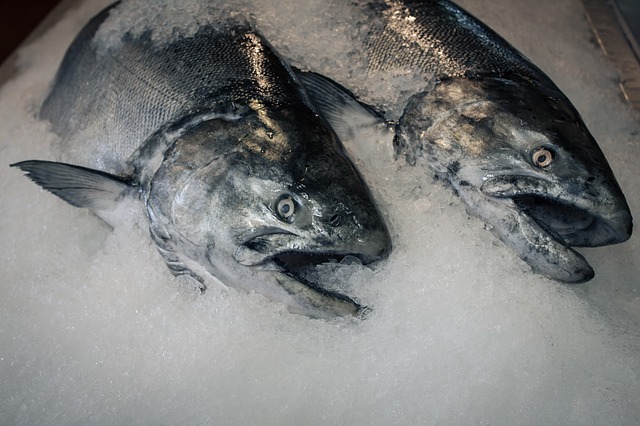
With summer arriving, fresh seafood will soon available in abundance. Whether you’re bringing in fresh Atlantic salmon, live Maine lobster or halibut from the cold waters of Alaska, online safe food training training highlights that special steps should be taken when storing your fresh seafood to prevent cross contamination and keep it fresh for as long as possible.

Online Safe Food Training Guide to Fresh Seafood Storage

www.maxpixel.net/Frozen-Fish-Fish-Sea-Raw-Healthy-Seafood-Market-2987487

Seafood Storage and Online Safe Food Training

We learn in our online safe food training that proteins should be stored in order of lowest cooking temperature to highest, with those with the highest cooking temperatures on the lowest shelf. For a quick review, the following list shows proper cooking temperatures for common proteins:

  • Seafood: 145 degrees
  • Fresh beef steaks, pork chops and ham: 145 degrees
  • Ground beef and pork: 160 degrees
  • Poultry: 165 degrees

A quick glance at this chart shows that fresh seafood should be stored on the top shelf in your protein cooler. However, we suggest that seafood be stored in its own area in your refrigerator to prevent any potential cross contamination. Seafood allergies cause very severe reactions in those afflicted. Storing seafood over top of other proteins can pose a cross-contamination risk and inadvertently spread these allergens to other items on lower shelves.

It’s also important to take steps to keep your seafood fresh for as long as possible. We have a few tips to help you keep your fish and shellfish stored under the best possible conditions.

  • Keep your seafood covered while stored
  • Use ice bags, not loose ice to keep your seafood as cold as possible
  • Only pull as much seafood from refrigeration as needed for production

The soft flesh of fish dries easily and absorbs flavors of other items. Keeping seafood covered prevents this and helps it retain its unique texture and flavors. Ice melts under refrigeration, so it’s important to use ice bags when keeping seafood cold. If your fish soaks in the melted water, chances of bacteria breeding increases and the flesh becomes soft and spongy.

Finally, only pull as much product as you need out of cold storage. A constant change in temperature will degrade the quality of your seafood. Only stock your production lines with the product that you need rather than moving it on to the line and back into cold storage at the end of the day.

We love fresh fish. Are there any other steps you take to keep your seafood as fresh as possible?

ServSafe Food Manager Communications

Communication Between the ServSafe Food Manager and Staff

The ServSafe food manager’s duties cover many areas of their facility, and they need each member of their staff to understand their role and know what their daily tasks may be. Effective communication not only keeps your kitchen staff on the same page, it frees up your time by allowing you to go about your duties without constantly answering questions and covering the same material a multitude of times with different team members.

Effective Communication Tips for the ServSafe Food Manager

In our discussions with chefs, food preparation supervisors and other students who come to us for ServSafe food manager certification, we’ve found a few communication tools you may find helpful:

  • Daily log books
  • Printed task and daily goal sheets
  • Pre-shift staff meetings
  • Regular manager meetings
  • Periodic meetings with all staff members

We believe that having a written track record or goals and tasks it a great way to make sure that everyone knows what needs to be accomplished. The food industry moves at an incredibly fast pace, so relying on memory may not be the best solution. If just one of your staff members forgets an essential task, your well-oiled machine can quickly turn into a rusty locomotive careening towards disaster. This is where a log book documenting shortages, problems with the production line or areas that could use improvement comes in handy. Also, prep sheets, written par quotas and documented daily maintenance procedures will let your staff know what lies ahead with minimum interaction.

While written communication is fine for some situations, a recurring formal meeting of some kind can easily streamline your communication channels. This allows for all key employees to be in the same place at the same time, bring up issues, provide clarity between different aspects of your operation and make sure everyone is one the same page without confusion later.

These meetings can take different forms. An all-staff meeting may be necessary if new procedures are being introduced, if there are wide scale menu changes or if you feel the need for regular reinforcement of your company’s goals. Regular meetings with every employee in attendance may not work for larger businesses. In these cases, department heads, shift-supervisors or groups of managers can meet separately and then hold meetings with the employees under their direct supervision.

All too often, important information is disseminated in passing and can become forgotten or misunderstood. What communication techniques do you use to keep your team on the same page?

Food Safety Class Tips for Ice Bin Sanitation

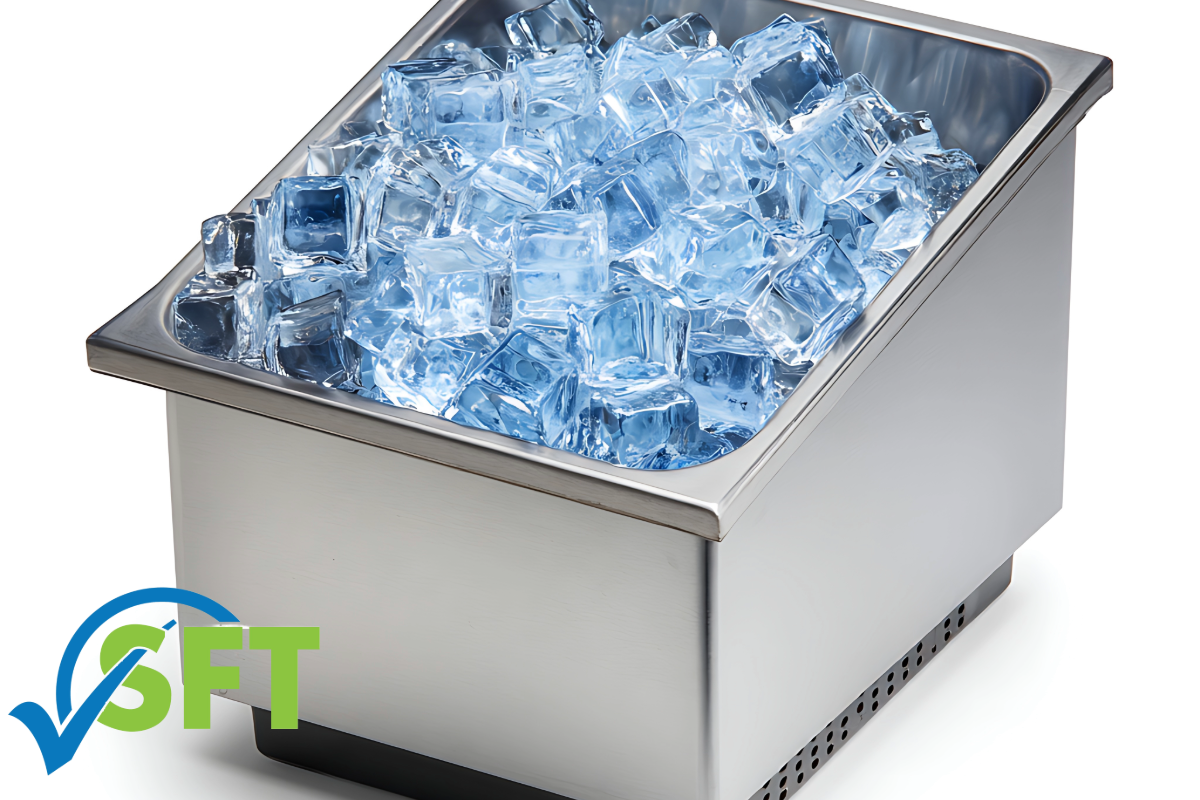
Every restaurant has its sanitation challenges, but one of the most consistently overlooked areas is the front-of-house service station ice bin. For certified food safety managers in Minnesota, ensuring proper ice bin sanitation is a critical, yet often neglected, responsibility. While back-of-house procedures receive intense scrutiny, these smaller, customer-facing ice bins can become hotspots for contamination if not given the daily attention they require. This guide provides the essential tips you need to train your staff and maintain impeccable standards.

The Core Misconception: Why Ice Bins Are Ignored

Ice bin sanitation

Ice bin sanitation: Keep it safe.

A fundamental misunderstanding leads to service station ice bins being overlooked: many staff members don’t view ice as a food item. The thought process is that since ice is just frozen water, it can’t harbor pathogens. This is a dangerous assumption. 

The FDA classifies ice as a food, meaning it is subject to the same strict handling and sanitation requirements as any other ready-to-eat product. When staff members fail to treat an ice bin as a food container, they are more likely to engage in unsafe practices that lead to contamination.

  • False Sense of Security: Because ice is frozen, employees may wrongly believe that bacteria cannot grow, leading to lax cleaning schedules and improper handling.


  • Out of Sight, Out of Mind: Unlike a steam table or a walk-in cooler, a service station ice bin is often a secondary piece of equipment, making it easy to forget during routine cleaning and closing duties.


  • High-Traffic Area Risks: These bins are typically located in busy service alleys or bar tops, exposing them to a much higher risk of accidental contamination from various sources throughout a shift.

Mastering Ice Bin Safety in a Busy Environment

True ice bin safety involves being vigilant about what goes on around the bin as much as what goes in it. During a busy service, it’s easy for foreign objects and liquids to enter the ice supply, compromising the entire container. A single contaminated piece of ice can contaminate the entire bin as it melts and circulates.

  • Preventing Foreign Objects Contamination: Garnishments like lemons or cherries, napkins, straws, and even serving utensils can accidentally fall into the ice. These items introduce bacteria from hands, counters, and other surfaces. Keeping the lid closed whenever possible is a simple but effective preventative measure.

  • Managing Spills and Drips: In a bar or beverage station, splashes from juice, soda, or alcohol are inevitable. If these liquids enter the ice bin, they introduce sugars and other substances that can accelerate bacterial growth.

  • The “When in Doubt, Throw it Out” Rule: If you notice a foreign object or a significant spill has occurred, simply removing the object is not enough. The only safe procedure is to burn the ice—meaning, empty the entire bin, properly clean and sanitize the container according to health codes, and refill it with fresh, clean ice.

Implementing a Strict Sanitation Protocol

Ice bin sanitation

Tips for ice bin sanitation.

To ensure consistent ice bin sanitation, you must establish a clear, non-negotiable cleaning protocol that your service staff understands and follows. Simply allowing the ice to melt and drain overnight is not a substitute for proper cleaning; this practice leaves behind a damp environment that allows bacteria and biofilm to flourish.

  • Use a Properly Mixed Sanitizer: Your sanitizer solution must be mixed to the correct concentration. A solution that is too weak will not be effective, while one that is too strong can leave behind chemical residues that could sicken a customer. Use test strips to verify the concentration at every time.


  • Sanitize Every Time You Empty: It is essential to make cleaning and sanitizing the ice bin a mandatory procedure each time. It’s emptied ‌before refilling. This should be a key part of your closing checklist for every service station.


  • Train, Reinforce, and Document: Ongoing training is key. Regularly review these procedures with your waitstaff and bartenders to ensure they are familiar with them. Document your cleaning schedule in a log to ensure accountability and create a record of compliance for health inspections.

Safe Food Training acknowledges the dedication of certified food safety managers in Minnesota to protecting public health. Our goal is to provide practical training that addresses the real-world, often-overlooked challenges you face daily.

Don’t let a contaminated service station ice bin tarnish your reputation. If you and your team are looking to enhance your understanding of Minnesota’s food safety standards, our expert-led, instructor-led options provide the convenient and comprehensive training you need. 

Click on the link and head to Safe Food Training today to schedule your next session!