Food Safe Training Classes for Summer Hires

Food Safe Training for Summer Hires

Summer is coming, and that usually means that local businesses become flooded with high-school and college student applicants looking for temporary employment to earn some extra spending money before Fall drags them back into the classroom. For the most part, the added staff helps food service and hospitality businesses that cater to a summer crowd survive the busy season and gives food service managers the opportunity to bring in temporary staff that do not have the expectation of continued full-time employment once business slows down in the off season. The issue of properly training and getting these part-time employees prepared to follow food safe training procedures brings up a dilemma.

Food Safe Training Temporary Employees

There are a few possible solutions to get all of your temporary hires properly trained:

  • Let your new employees complete their training on their own time
  • Allocate time for new staff to complete online food handling education at work
  • Schedule a group food safe training session led by your certified food manager of food safety industry professional

Leaving your new hires up to their own devices when it comes to obtaining food handlers education takes the responsibility away from your food supervisors but comes with risks. New employees may stall, procrastinate or simply forgo the training with the expectation that they will be allowed to work regardless. They may get the idea that completing food handling training is not worth their time for a part-time or temporary position. This could leave you shorthanded or forced to take time you do not have to hire a replacement for a hire who fails to complete any required training. It could also pose a health risk to your guests by being served by an employee who does not understand basic food handling procedures.

Giving new team members an opportunity to complete their training online at a computer in your facility is one way to guarantee they will be ready to fill the position. This could, however, lock up a manager’s computer that may be put to better use. If your facility requires many seasonal hires, it could also take significant time to fully train new staff one at a time.

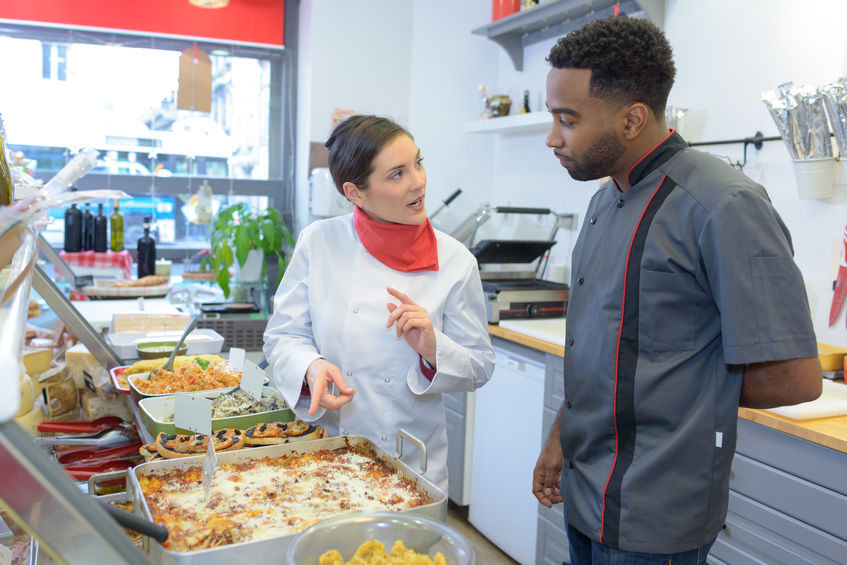
A group course led by your certified food manager or private instructor is the most efficient way to fully train your summer staff to keep food safe.

If you’re a hospitality business that requires added summer help, how do you deal with food safe training?

Certified Food Managers and Touch Screen Devices

Certified Food Managers and Touch Screen Devices

With modern advances in technology, certified food managers and touch screen devices are becoming inseparable.Managers rely more and more on handheld and mobile devices for everything from scanning and checking in deliveries to giving servers the ability to place an order directly from a guest’s table. These devices make our jobs easier, but are they creating a new risk that could possibly spread food-borne illnesses?

Certified Food Managers and Touch Screen Devices

Image credit: 123rf – Tyler Olson

Sanitation, Certified Food Managers and Touch Screen Devices

While these touch screens may look clean, over the course of a workday, or even with one use, bacteria and other potential contaminates will transfer from the user’s fingers onto the surface. These contaminates can then be transferred to the hands of anyone else handling the device and make their way onto plates, serving utensils and prepared food.

Current trends show that these touch screens are not only utilized by front-of-the-house staff, they are becoming more popular in the back of the house as well. Some kitchens have replaced the receipt ticker with a screen where filled orders can be swiped away with the flick of the finger and tablets are being used for everything from inventory control to time clocks. The back of the house presents the greatest risk of cross contamination, so extra care must be taken when handling these devices in food preparation areas.

Handwashing and training will be key to keeping your food safe. Certified food managers need to remind every member of their staff that they must wash their hands after using one of these devices for any reason. It may not occur to them that a simple swipe with one finger could result in a contaminated product. It may also be wise to ask your janitorial or food service provider if they have a product that will safely sanitize your touch screens without damaging them.

Do you utilize touch screens in your operation? If so, let us know how in the comments section below.

What does HACCP mean for ServSafe Food Managers

What does HACCP mean for ServSafe Food Managers?

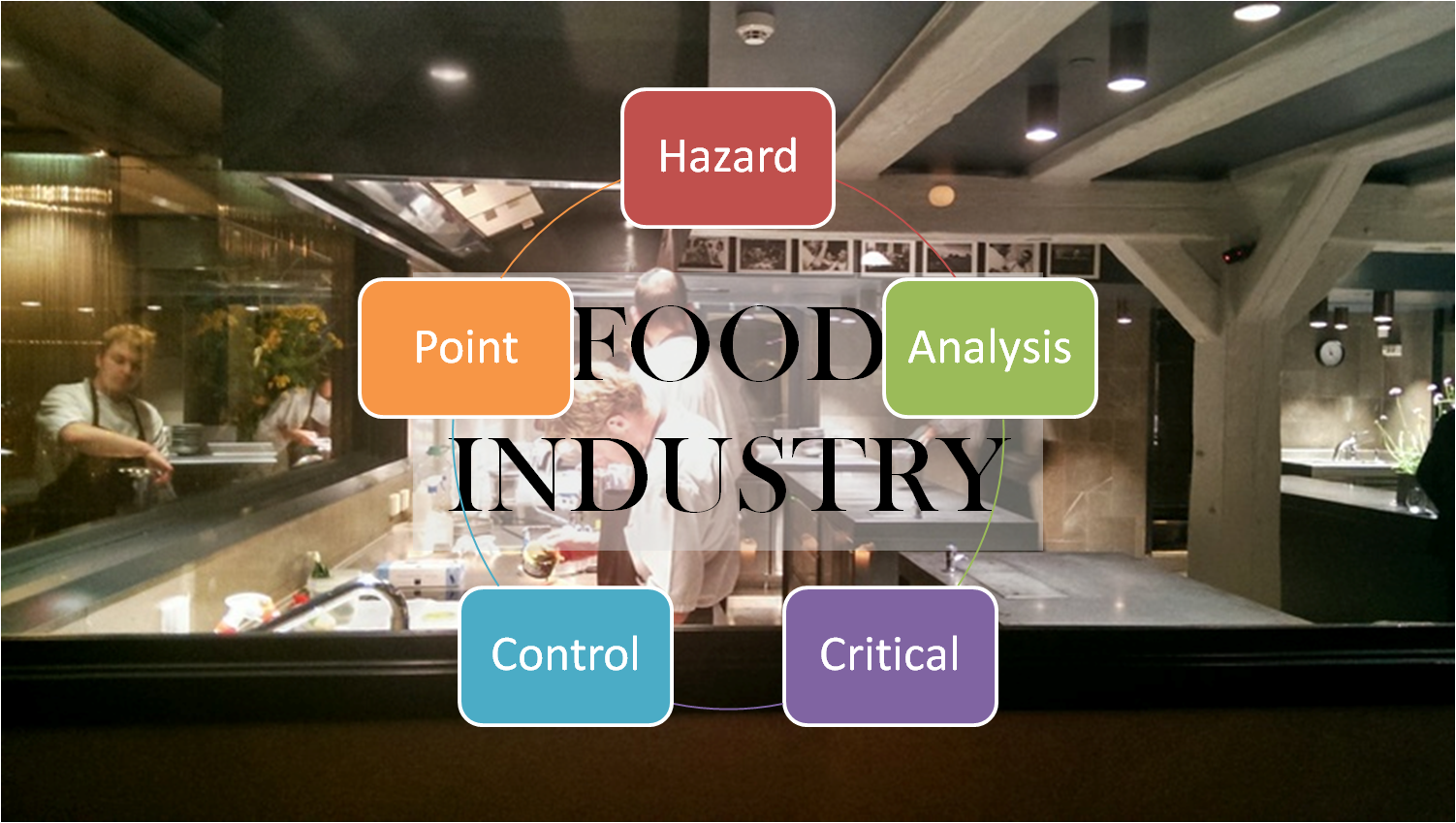
Every so often, ServSafe food managers will come across literature from the FDA or other sources that refer to HACCP procedures. HACCP (Hazard Analysis and Critical Control Point) is a common system for reducing the risk of spreading food-borne illness and keeping the food supply safe. While HACCP standards and action plans are not commonly required in restaurants, many food-producing outlets and raw ingredient suppliers must follow these guidelines.

What does HACCP mean for ServSafe Food Managers

What is HACCP?

HACCP is not quite as complicated as it may sound. The intent of this system is to identify potential food-safety hazards and then take steps to keep food production safe. The basic outline of a Hazard Analysis Critical Contol Point plan looks something like the following:

  • Evaluate and identify potential hazards in production
  • Identify critical points and establish controls to prevent hazards
  • Establish procedures to monitor and measure
  • Correct hazards
  • Keep records of hazards and correction procedures

Whether your facility follows the FDA’s HACCP system or not, these are still steps ServSafe food managers should take. Every facility has its potential hazards whether they come from hot holding, chilling of cooked product or the risks of cross-contamination in storage or prep stations. Once these potential risks are identified and assessed, it is important to monitor them to ensure food safety. This monitoring can come in the form of routine measurement of temperatures, verifying that proper storage and sanitation procedures are followed or any other step that helps keep food safe at these critical points of production.

A lesson in Improper Food Safety Training from South Africa

A Lesson in Improper Food Safety Training from South Africa

While we usually focus on food safety training in Minnesota and food-handling issues in the United States, the listeria outbreak in South Africa is too big of a news story to ignore. With a death toll around 200, this outbreak breaks records as the largest listeria case in the world.

A Food Safety Training Case Study and a South African Outbreak

A lesson in Improper Food Safety Training from South Africa

Image Credit: mayushka

Investigators have traced the source of this outbreak to a South African processed meat product called polony. The listeria bacterium found on the exterior casing of this meat product poses an incredibly high probability that other products have also become contaminated. The risk of cross-contamination from this outbreak prompted health officials to recommend that the residents of South Africa avoid consuming any ready-to-eat processed meat products. Between January and March, nearly 700 cases of infection from this strain have been confirmed, and this outbreak has a staggering 27-percent fatality rate.

It’s vital that we don’t simply write this outbreak off as happening in another country because it doesn’t affect food producers in Minnesota and the United States. This product may never be sold in our stores, but it should serve as a dire warning as to the consequences of a lack of food safety training, especially with something as preventable as listeria poisoning. Now could be a good time to review hand washing and equipment sanitation procedures with your staff since many cases of listeria begin with improper sanitation procedures.

Have you been following this major food safety story and has it impacted how you look at basic food handling training?