Professional ServSafe Food Managers Can Immediately Improve Grease Trap Safety

Professional ServSafe Food Managers Can Immediately Improve Grease Trap Safety

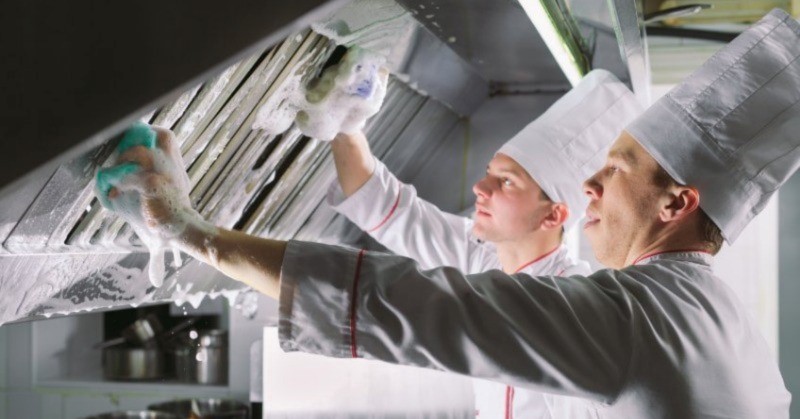
Nearly every restaurant or food processing facility that prepares hot food deals with grease and other liquids that are a byproduct of creating their product. Most ServSafe managers ensure that the waste from this process goes into grease traps or some other receptacle rather than leaving it on preparation surfaces to contaminate food cooked later. This grease will often settle into traps, and if ServSafe food managers do not properly take care it could pose a food safety risk or even a fire hazard.

Professional ServSafe Food Managers Can Immediately Improve Grease Trap Safety
Image credit: davit85 via 123rf

The Importance of ServSafe Food Managers Cleaning Grease Traps in Kitchens

Grease traps are commonplace in nearly every kitchen, so make sure you inspect, empty and clean grease traps that are located:

  • Under good vents
  • In ovens
  • Under grills and fryers

Every employee who works in your kitchen should be aware of your grease trap locations and how to remove the drainage receptacle. Some, such as traps under grills and flat cooking surfaces, slide in an out like a drawer while others, like under hood vents, are pans held in place under drainage areas. ServSafe food managers should take the time to train their staff how to remove these grease traps safely without spilling their contents or burning themselves on hot oil.

In ServSafe food manager training when we talk about clean grease traps, we don’t simply mean empty ones. Grease traps should be emptied on a regular basis and cleaned thoroughly. If the trap is completely removable, take the time to clean and dry it before replacing it. It’s also important to clean the areas around the traps to ensure all grease and oil is removed. Leaving grease behind can attract insects or even large pests such as rats if ignored for long periods of time.

Finally, don’t pour grease down your sink drains. This can cause buildup in your pipes, become a breeding ground for insects and damage your plumbing system. Check with your local waste disposal company for options on recycling your leftover grease.

Has you taken the time to thoroughly clean your grease traps lately?

Tested Approach to food service utensils for ServSafe managers

Tested Approach To Food Service Utensils For ServSafe Managers

Keeping food out of the danger zone and utilizing proper temperature and time control keeps bacteria from growing in food and greatly reduces foodborne illness. When we take about the danger zone, we usually focus on food product, but can serving utensils left in the danger zone after touching product pose a food safety risk? ServSafe managers should take steps to ensure that food poisoning hazards don’t develop with mishandled food service utensils.

Tested Approach To Food Service Utensils For ServSafe Managers
Image credit: Helder Ribeiro via Wikimedia

ServSafe Managers Guide to Temperature Control of Food Service Utensils

You may never think about it, but some service items should be treated like food to prevent foodborne illness. We’re not suggesting storing your utensils outside the danger zone, but once you begin using them for service you should make sure they follow nearly the same protocols as the food they touch. Some items to be wary of include:

  • Salad Bowls and Tongs
  • Ladles
  • Spatulas
  • Cold Preparation Utensils

ServSafe managers wouldn’t leave a Caesar salad on a counter top for hours and then serve it to a guest, so why leave a used bowl and set of tongs at the same temperature. Salad remnants will decay in a danger zone environment over time increasing risk. Washing every mixing bowl after every use just simply isn’t an option, but there are solutions. Keep mixing bowls for cold items in a reach-in refrigerator or rotate out of service regularly. Time as public health control rules allow for up to four hours, but quality of product will greatly suffer even over a short period of time, so we suggest more frequent rotation of these cold service items. The same should go for any other item used to prepare cold items for service. Tongs, spatulas and ladles could be the most overlooked offenders.

Hot items may be easier to maintain than cold items due to the nature of food served. Soup and sauce ladles can potentially remain in heated sauces and metal tongs and other serving utensils can remain with hot foods if stored properly. Some items such as grill tools, should follow time control procedures as they may not always be out of danger zone temperatures.

Have you thought about risks coming from the temperatures of your regular use utensils?

Guide For Retail ServSafe Food Managers To Safely Sample Product

A How To Guide For Retail ServSafe Food Managers To Safely Sample Product

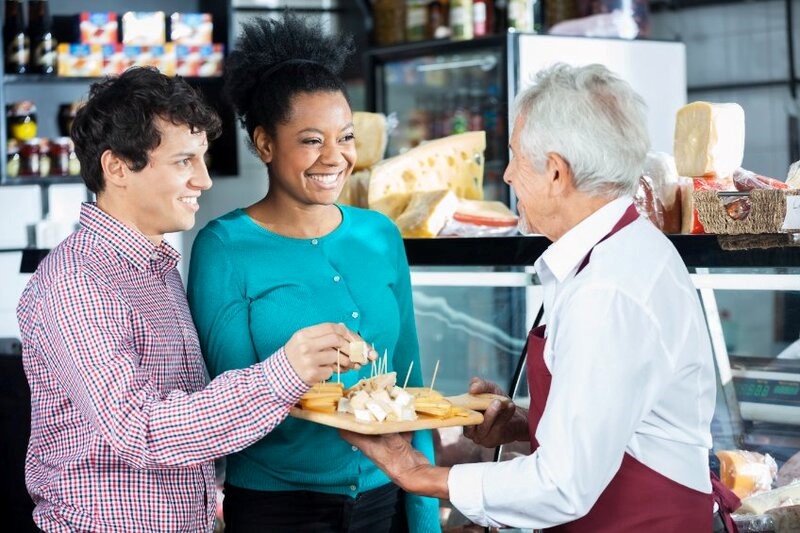
Many retail food businesses offer samples as a way to boost their sales, but before retail ServSafe food managers begin loading up trays of their product, they should be careful to ensure that they’re providing their potential customers with samples that are low-risk for foodborne illness. Observing common sense food-handling procedures will go a long way towards keeping samples safe, but there are some special steps that should be taken when sampling your product to the public.

How To Guide For Retail ServSafe Food Managers To Safely Sample Product
Image credit: leaf via 123rf

How Retail ServSafe Food Managers can Safely Sample Product

A quick look at Minnesota food code guidelines regarding retail sampling shows us five things retail ServSafe food managers should monitor when offering samples:

  • Handwashing
  • Bare-hand Contact
  • Holding Temperature
  • Warewashing and Sanitation Procedures
  • Employee Hygiene

Clean hands and proper food handling with food-grade gloves or utensils is one of the most proven ways to prevent food contamination from dirty hands, so any employee monitoring a sample station should have nearby access to a handwashing station. Be aware that bathroom sinks are not approved handwashing stations, so ensure access to a properly stocked handwashing station. Also, be aware that any sample touched by a customer and put back should be discarded since it has been handled by unclean hands.

If food is served hot or cold retail ServSafe food managers must make sure it remains out of the danger zone when stored at sampling stations. When sampling foods that cannot be stored at room temperature, make sure that you limit the amount of product on sampling surfaces to keep them as fresh as possible. This will reduce foodborne illness risk and also make your product more appealing.

All utensils used in service must be properly washed using an approved warewashing machine or triple sink method. Sampling stations should have a properly mixed sanitizer solution available in order to keep surfaces clean and germ-free.

Finally, retail ServSafe food managers should not allow ill employees to monitor sampling stations or work in other areas of the business. If you have a sick employee, send them home and make sure they are symptom-free before they return to work.

Are you a retail ServSafe food manager who offers samples to boost product sales?

Recall creates unexpected problems for ServSafe food managers

Latest Recall Creates Unexpected Problems For ServSafe Food Managers

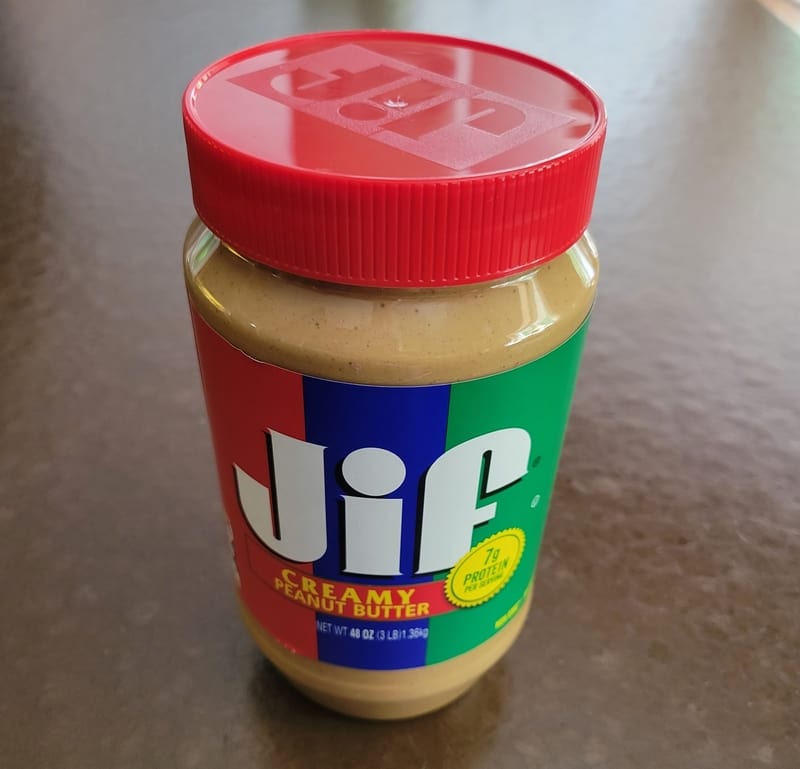
In a major nationwide notice, the J.M. Smucker Corporation has recalled large batches of Jif peanut butter due to concerns over possible salmonella contamination. Due to the long shelf life of peanut butter and the numerous types of packaging being recalled, ServSafe food managers should take action now to prevent foodborne illness risks in the long run.

How ServSafe Food Manager Should Approach Recall Problems

Latest Recall Creates Unexpected Problems For ServSafe Food Managers

Many restaurants and other food outlets that use peanut butter sparingly enough that may simply purchase it in small quantities from grocery stores rather than large buckets from food service suppliers. ServSafe food managers that stock Jif peanut butter should take a close look at the recalled product ID numbers to ensure they do not have any potentially contaminated product on hand. If you do find recalled jars of peanut butter in storage, dispose of both opened and unopened containers.

Beyond jars of different sizes, this recall also affects smaller packages and grab-and-go style cups of Jif peanut butter. Cafeterias, hospitality businesses and other places that offer pre-packaged single-serving peanut butter cups need to investigate to see if these products have been recalled. These single-serving cups are not only available by themselves, but are also packaged in lunch kits and other grab-and-go snack packages.

Finally, you may want to consider disposing of product made with Jif peanut butter that was purchased during the dates contaminated peanut butter was shipped. It may sound like a drastic move, but if it saves your guests from salmonella poisoning risks, it may just be worth it.

Have you checked the FDA recall list lately?