Food Safety Training Tips For Handling Knives

See 5 Remarkable Food Safety Training Tips For Handling Knives

No matter what type of food business you run, knives will be a vital tool in your operations. Learning how to use a knife safely is important to reduce injury but can also help promote food safety. Since it’s such an important tool in the industry, we should take a look at five tips for food safety training for handling knives effectively.

Food Safety Training Tips For Handling Knives
Image credit: michaelvave via pixabay

Knife Food Safety Training Guide For Using Knives

We’ve identified five steps to keep knives safe and reduce the risk of food contamination from improper use:

  • Use Proper Technique
  • Use the Right Knife for the Job
  • Use Appropriate Cutting Surfaces
  • Clean and Sanitize Properly
  • Keep Knives Sharp

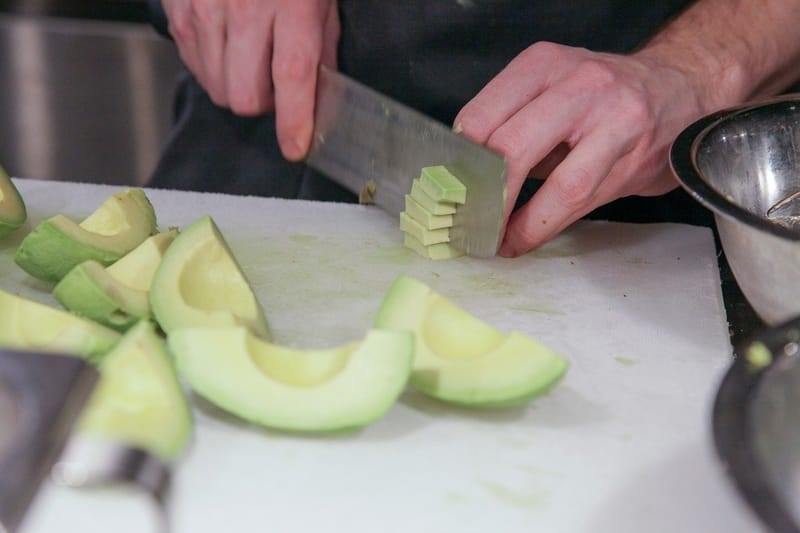
Every staff member who handles a knife should have food safety training on how to handle it properly. Improper knife use can lead to cuts, slices of human flesh ending up in product and the inability to open doors due to missing digits. Knife techniques are best learned visually, so take a look at the following video demonstrating proper knife techniques.

Many knife injuries occur when the wrong knife is used for a specific job. If you’re using a paring knife for mincing onions, not only will it take forever, but you risk the knife slipping or sticking, whereas a chef’s knife is much too long to devein shrimp causing the risk to sliced fingers.

The cutting surface you use can greatly affect both personal and food safety. Glass, stainless steel and other slick and hard surfaces can cause knives to slide or bounce almost guaranteeing an eventual injury, while soft surfaces such as wood can be damaged by knives creating small grooves that can become breeding grounds for bacteria. The best cutting surfaces are NSF-approved cutting boards that can be easily cleaned and sanitized.

Knives also need to be cleaned and sanitized properly for food safety. Even if you’re only preparing vegetables, knives should be sanitized after each use. Over the course of time, remnants of food can begin to decay-causing a pathogen risk if used again unsanitized. It’s often recommended that knives be cleaned by hand using appropriate sanitizing solutions as chemicals in dishwashing machines can create microscopic pits in knife blades causing them to dull quicker and harbor bacteria.

Finally, there is an increased risk of injury and food safety risks from dull or uncared-for knives. A sharp knife will slice through product without bouncing off surfaces or changing angles during entry. Dull knives can also be more difficult to keep clean, increasing a foodborne illness hazard.

Have you taken the time to evaluate food safety training and knife use in your kitchen?

New ServSafe Managers Guide to Seasonal Food Stands

New ServSafe Managers Guide to Seasonal Food Stands

With the warmer weather approaching, many Minnesotans will be getting outside and attending events in the fresh air. Farmer’s markets, carnivals and other events are great opportunities for food businesses to showcase their product with seasonal food stands. Since these stands aren’t located at a restaurant or other indoor facility, there are some special rules that ServSafe managers should be aware of when planning their temporary outdoor eating establishment.

New ServSafe Managers Guide to Seasonal Food Stands
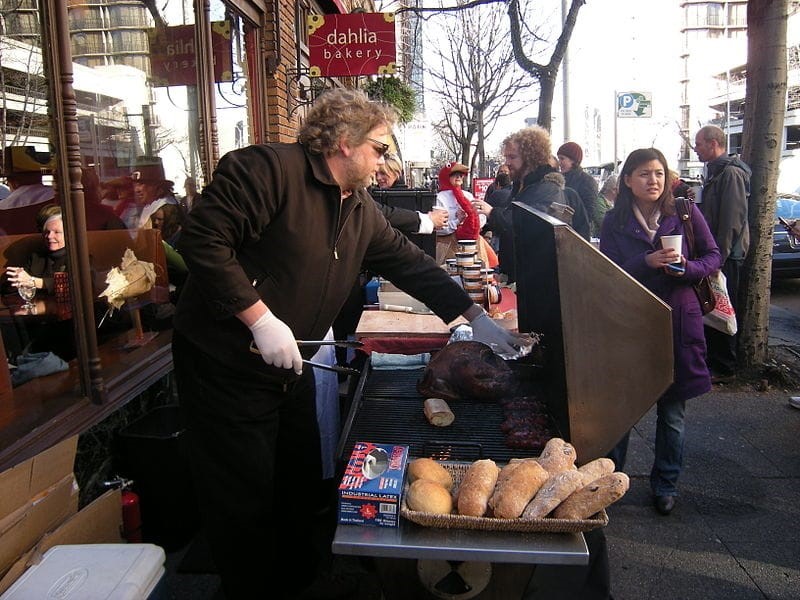
Image credit: duncan c via Flickr

How to Plan a Seasonal Food Stand for ServSafe Managers

In order to have an outdoor eating establishment approved, the operator cannot simply set up shop and begin cooking, regardless of their ServSafe certification status or if their home-base outlet is licensed. A detailed plan must be submitted at least 30 days before operations begin. Your plan must include:

  • Menu
  • Anticipated volume of ingredients and finished product
  • Layout and equipment specifications
  • Details on freshwater supply, waste removal and sanitation procedures

In order to gauge what permits or licenses are needed, your local inspector will need to know what type of food you’ll be serving. Grab-and-go items that are prepackaged or simple heat-and-serve meals have different requirements than freshly prepared food from raw ingredients. Lower volume seasonal stands may also have different licensing issues depending on location, so the anticipated volume can be a big factor during an inspection before opening.

ServSafe food managers also need to be very detailed when it comes to the layout and equipment used in the seasonal food stand. All equipment must still pass the same certifications for restaurant use as in your brick-and-mortar establishments.

The last part of a plan for Servsafe managers to use for a seasonal food stand should outline how water will be supplied and how the equipment will be sanitized. Fresh, clean water is a requirement for handwashing, sanitation, and any cooking procedure that involves water. A simple garden hose run from a nearby building won’t cut it. If you’re not using a portable handwashing and water supply station, make sure to investigate the source to see if it is approved for use in your temporary stand. If you have multi-use utensils, equipment for storage or serving items, a dishwashing plan must be in place. If you do plan on using these types of items, plan on having a triple sink with access to hot water available.

Are you planning on showcasing your food business at seasonal events this summer?

ServSafe food manager training and latex in the kitchen

ServSafe Food Manager Training and Latex in the Kitchen

When allergies are discussed in ServSafe food manager training, we often cover allergen culprits that are ingested such as nuts, shellfish and dairy, but there are other allergens such as latex that causes a reaction on contact. While severe latex reactions to minimal contact are rare, they can happen so it’s best to be prepared in the event one of your staff or a guest suffers from a latex allergy.

ServSafe food manager training and latex in the kitchen
Image credit: Joe Mabel via Wikimedia

How ServSafe Food Managers can Prevent Allergic Reactions to Latex

It’s important to make sure that ready-to-eat foods are never touched with bare hands, and in order to prevent bare-hand contact many ServSafe food managers stock their kitchen with latex food-service gloves. This will be the most common source of a reaction to those who are allergic. If any of your staff is allergic or sensitive to latex, you’ll most likely see a mild to severe skin reaction including:

  • Excessively dry skin
  • Itchy rashes
  • Cracked and bleeding skin
  • Numbness in the fingers

While you may never see an allergic reaction outside of your kitchen staff, there are some who are sensitive to minimal contact from latex powder or food that has come into contact with latex. If you have a guest that is severely allergic to latex, they may experience:

  • Throat soreness or swelling
  • Nasal irritation or bloody nose
  • Gum, mouth or tongue irritation and swelling

If you’re a ServSafe food manager who has an employee who is sensitive to latex, or want to be prepared in the event you have a guest alert you to a severe latex allergy, we suggest you keep some vinyl food service gloves on hand. Vinyl gloves may not fit as snuggly as latex, but it’s best to be prepared for those who are allergic.

Do you provide your staff with an alternative to latex food-service gloves?

How ServSafe Managers Can Apply New COVID Vaccination Proof Mandates

How ServSafe Managers Can Apply New COVID Vaccination Proof Mandates

Like many major cities across the United States, Minneapolis and St. Paul have joined municipalities requiring proof of vaccination or a negative COVID test in order to participate in certain indoor activities. This mandate has the potential to have an impact on the restaurant industry since indoor dining is among activities requiring proof of a negative test or a vaccine card. How can ServSafe managers put in place procedures to follow these new COVID mandates and keep their restaurants flourishing?

How ServSafe Managers Can Apply New COVID Vaccination Proof Mandates
Image credit: Hans-Petter Fjeld via Wikimedia

Minnesota ServSafe Food Managers And COVID Vaccination Regulations

As long as these rules are in place, the biggest challenge is to keep business flowing while making sure patrons have the proper paperwork. It may be a good idea to have an extra host at the front door during busy times in order to speed up the process without forcing your guests to wait too long before being seated. It may add to your labor costs, but it also may reduce the amount of guests who choose to go elsewhere if the wait time to be seated is unreasonable.

When checking proof of vaccination, make sure you look for these three different types of proof:

  • The original vaccination card
  • A photo of the card on a smartphone
  • Proof through the Docket app

While these new COVID vaccination mandates have been put in place to stop the surge of the newest variant, ServSafe managers will still want to find ways to reach guests who cannot show proof of a negative test or a vaccine. Make sure that you have takeout options, curbside pickup or delivery available for guests who still wish to order from your menu. This will show that you still value all of your customers and are willing to make accommodations to serve them.

While these COVID mandates affect food businesses in the Twin Cities, it might be prudent to have your ServSafe food managers lay out a plan should your municipality enact similar rules.

Do you have a plan in place should your guests be required to show proof of vaccination?