ServSafe Food Training On Takeout Orders

Sensational ServSafe Food Training On Takeout Orders

With the current limits on indoor dining, customers are more apt to order takeout instead of eating out. Takeout orders present different challenges to preserve quality and reduce foodborne illness risk, so it’s important to review ServSafe food training when it comes to these procedures.

ServSafe Food Training On Takeout Orders

ServSafe and Takeout Food Safety Training

With in-house dining, there aren’t as many variables as with takeout. Once your guest is seated in your dining room, they order their meal, food is prepared and served when ready. If your guest isn’t actually in the building at the time of their order, it adds a layer of complexity and can open up the possibility of foodborne illness risks.

The biggest window for foodborne illness risk and a reduction in quality occurs between the time the order is complete and the time the guest receives their order. In order to reduce this risk, it’s important to:

  • Keep food out of the danger zone
  • Reduce interval between the time food is prepared and handed to the customer

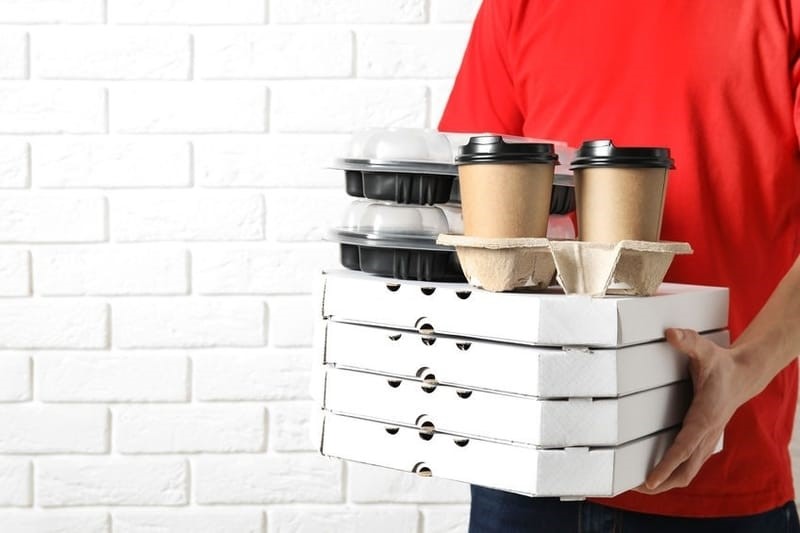
After bagging a takeout order, some restaurants are tempted to leave it near the hostess station or takeout counter so it’s on hand as soon as the guest arrives to pick it up. While that may meet minimum ServSafe food training requirements if left for a short period of time, as food cools into the danger zone the risk of bacteria growth increases. It also degrades the quality of the product a guest has ordered. Sauces can separate at room temperature and foods meant to be consumed cold just aren’t as appetizing when warm.

In times where takeout is a popular option, it’s important to devise a system that will keep foods at the appropriate temperature until guests arrive. Here are a ServSafe food training few tips:

  • Arrange specific pickup times
  • Utilize hot-hold storage and refrigerators to keep the product at the proper temperature
  • Assemble dishes involving both hot, cold and room temperature elements close to pick up time

If you take steps to ensure your product is in its best state when they arrive, you’ll give them the next best experience to enjoying their meal in your dining room.

Have you reviewed ServSafe food training procedures concerning takeout orders?
Foolproof Tasks For ServSafe Food Managers That Will Prevent Pests

Foolproof Tasks For ServSafe Food Managers That Will Prevent Pests

Estimated reading time: 3 minutes

Pests should be a concern of ServSafe food managers all year round, but we’re in unique times that may draw more pests to your food establishment than normal. Pests like raccoons, rats, mice and even black bears are seeking out new sources of food during cold weather. If you factor in reduced operations at many businesses due to COVID-19 restrictions, retail outlets, food businesses and other industries are producing less waste and less garbage forcing pests to range further and even move indoors to search for food. With the possibility of these pests becoming more aggressive in their quest for a free meal, what should ServSafe food managers do to prevent winter pests out of their establishments?

Tasks For ServSafe Food Managers That Will Prevent Pests
Image credit: Wavebreak Media Ltd via 123rf

ServSafe Food manager’s Guide to Preventing Pest Infiltration

When taking preventative measures against pests entering your food preparation facility, evaluate your entrances, dumpsters and outdoor dining areas. If animals are attracted to the exterior of your building, there’s a good chance they’ll be able to find a way inside.

ServSafe food managers should get into the habit of regularly scheduling staff to inspect and clean outside areas to prevent pests. With more outdoor dining due to limited indoor seating capacity, there’s more potential for food to be dropped or spilled. A messy outdoor dining patio will attract pests.

It’s also important to make sure dumpsters and garbage areas are also free from debris. You can also lock your dumpsters after hours to prevent larger urban mammals from rummaging through your trash. If they are unable to find sustenance in your trash, they’ll likely move on.

If you’ve taken care to keep your outside areas clean, it’ll be a helpful deterrent but may not give you total protection against pests entering your facility. ServSafe food managers should design pest prevention procedures to ensure the following happens every day:

  • All interior garbage cans are empty
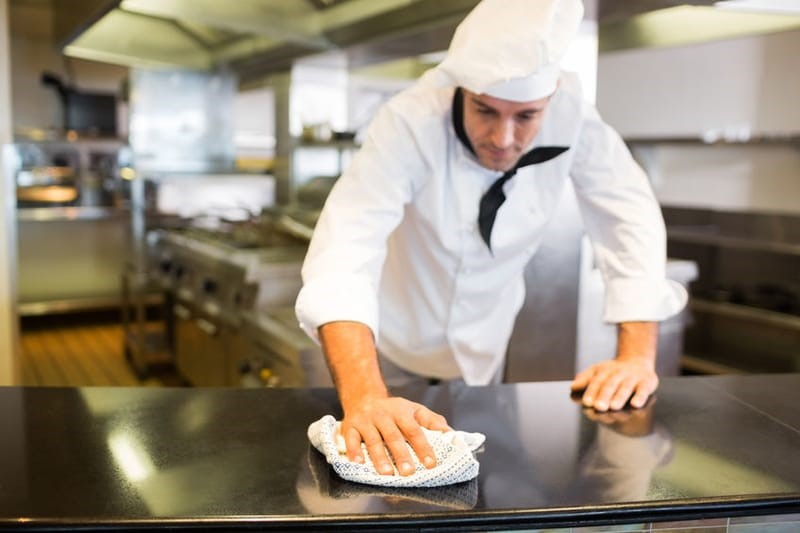
  • Counters and floors are cleaned and sanitized
  • All unpackaged inventory is stored off of the ground

Even if it’s just inside the kitchen, a full garbage can attract pests such as rodents and insects. Dirty floors and countertops release odors that attract unwanted visitors and become a breeding ground for fruit flies, gnats and other bugs.

Finally, make sure inventory such as produce is stored as far off the ground as possible. Ground level fruits and vegetables can be an open invitation.

Have you taken extra precautions to keep pests out of your food preparation areas?

Servsafe MN Guide to Outdoor seationg during COVID-10

ServSafe MN Guide to Outdoor Seating and COVID-19

With the gradual reopening of business in Minnesota, restaurants, bars and eateries have been given the go-ahead to begin sit-down service as long as all seating is outdoors and meets certain criteria. Today, we’d like to give you a brief overview as to what the rules are concerning outdoor seating during this phase of reopening Minnesota during COVID-19 and provide a few ServSafe MN tips on how to serve your customers better under these regulations.

ServSafe MN Guide to Outdoor Seating
Image credit: PxHere

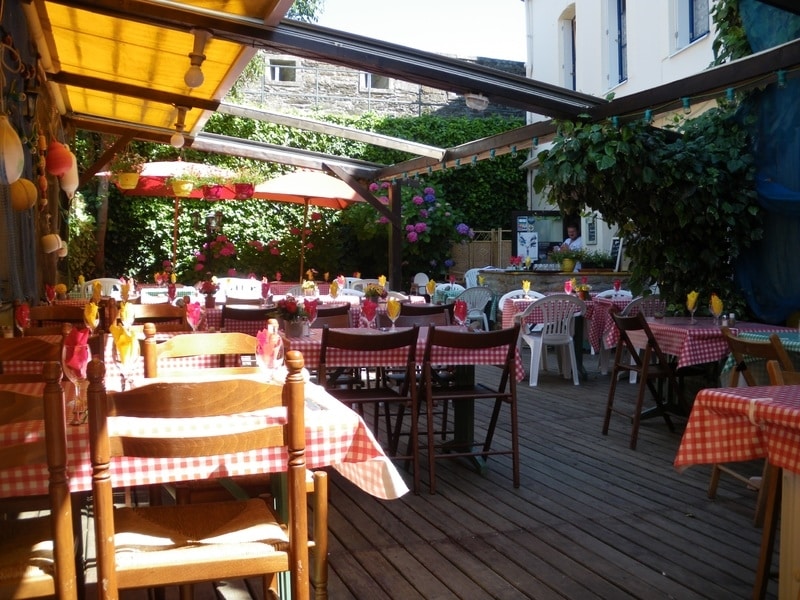
Outdoor Seating and ServSafe MN Tips During Corona Virus

Minnesota restaurants are able to serve guests in person starting June 1st, but it’s important to emphasize that all seating must occur outside. Here’s a quick breakdown of outdoor seating regulations:

  • Reservations are required
  • Employees must wear masks, guests encouraged to wear masks when not eating
  • No more than 50 total people, guests and staff, on the premises
  • Tables must be separated by at least six feet
  • No more than four guests from different households at one table, up to six if all members reside together

The interesting thing here is that guests must have a reservation before arriving at your restaurant. This can be hard to accomplish for restaurants who are not normally accustomed to taking reservations. Make sure that you space out reservations to ensure there is little chance for an overlap that creates a situation where several guests may be forced to congregate near your restaurant with other guests who may not be in their party.

Masks have been required since restaurants were given the ability to provide takeout service, so hopefully your staff will be used to wearing them by now. The unfortunate part is that now there will be more interaction with guests and the mask presents a communication issue. If you have access to a portable POS system such as a table-top kiosk or tablet where guests can place their own order, this may smooth the process and allow diners to place their order remotely. Please note that regulations ask you to recommend guests wear masks when not eating.

Finally, make sure that all tables are six feet apart. This recommendation doesn’t exclusively refer to the physical table itself, but the table and the space guests occupy around it, so you may wish to provide a little extra buffer room for guests to maneuver in the outdoor dining area. These tables cannot be occupied by more than four guests unless they are from the same household, then you’re permitted to seat up to six at the table.

Make sure that your staff is trained in the current ServSafe MN sanitation guidelines before you open with outdoor seating, and hopefully, Minnesota will soon be on the path to recovery and a thriving restaurant industry.

ServSafe Managers and Sprouts

ServSafe Managers and Sprouts

The danger of serving fresh spouts has once again come to national attention as the FDA has recently issued a warning letter to the national sandwich chain Jimmy John’s. Sprouts have often been the culprit in foodborne illness outbreaks, and this recent warning should serve to alert all ServSafe managers to the dangers of serving this popular vegetable.

Servsafe Managers and sprouts on a sandwich

Can ServSafe Food Managers Safely Serve Fresh Spouts?

The FDA’s warning to Jimmy John’s came after 22 people in Iowa were stricken with E.coli after including sprouts as an ingredient in their sandwich. This wasn’t, however, an isolated incident involving one location as sprouts served to customers from several different franchise locations have sickened customers in the past.

This specific sandwich franchise has been implicated in more than its share of outbreaks involving sprouts and E.coli or salmonella. Most recently, the chain was implicated in s February 2019 E.coli outbreak in Minnesota and Wisconsin, and in the past was blamed for a six-state outbreak in 2014 and an 11-state outbreak in 2012. As a result, the company has taken steps to stop the outbreak by removing sprouts as an offering at all of their locations.

With such a variety of locations and circumstances, but the same ingredient, what steps could have been taken to prevent the spread of illness?

In cases such as these involving such a sensitive ingredient, ServSafe managers should first look to where they source their ingredients from. Sprouts are commonly contaminated where they are grown and many times rinsing and washing cannot remove the bacteria before the ingredients have been served to guests.

If it’s so hard to prevent the spread of illness from sprouts once the ingredient reaches your establishment, what should ServSafe managers do to keep this ingredient safe?

The first step is to know your source. Keep an eye on recalls and outbreaks from farms and other companies that supply sprouts. If your provider has a track record of shipping contaminated product, you may wish to search for a sprout supplier that hasn’t been implicated in any foodborne illness cases.

Finally, make sure you inspect all incoming spouts and look for signs of contamination. Some signs may include traces of dirt or other contaminants, brown or sickly looking roots and musty smells. These are three common signs that your sprouts may be contaminated or not as fresh as they claim to be. With an ingredient such as fresh sprouts, you’re better off not serving them rather than taking a chance on a shipment that has the potential of sickening your guests.

Do you, as a Servsafe manager, serve sprouts in your establishment?