ServSafe food training for raw chicken

ServSafe Food Training and Washing Raw Proteins

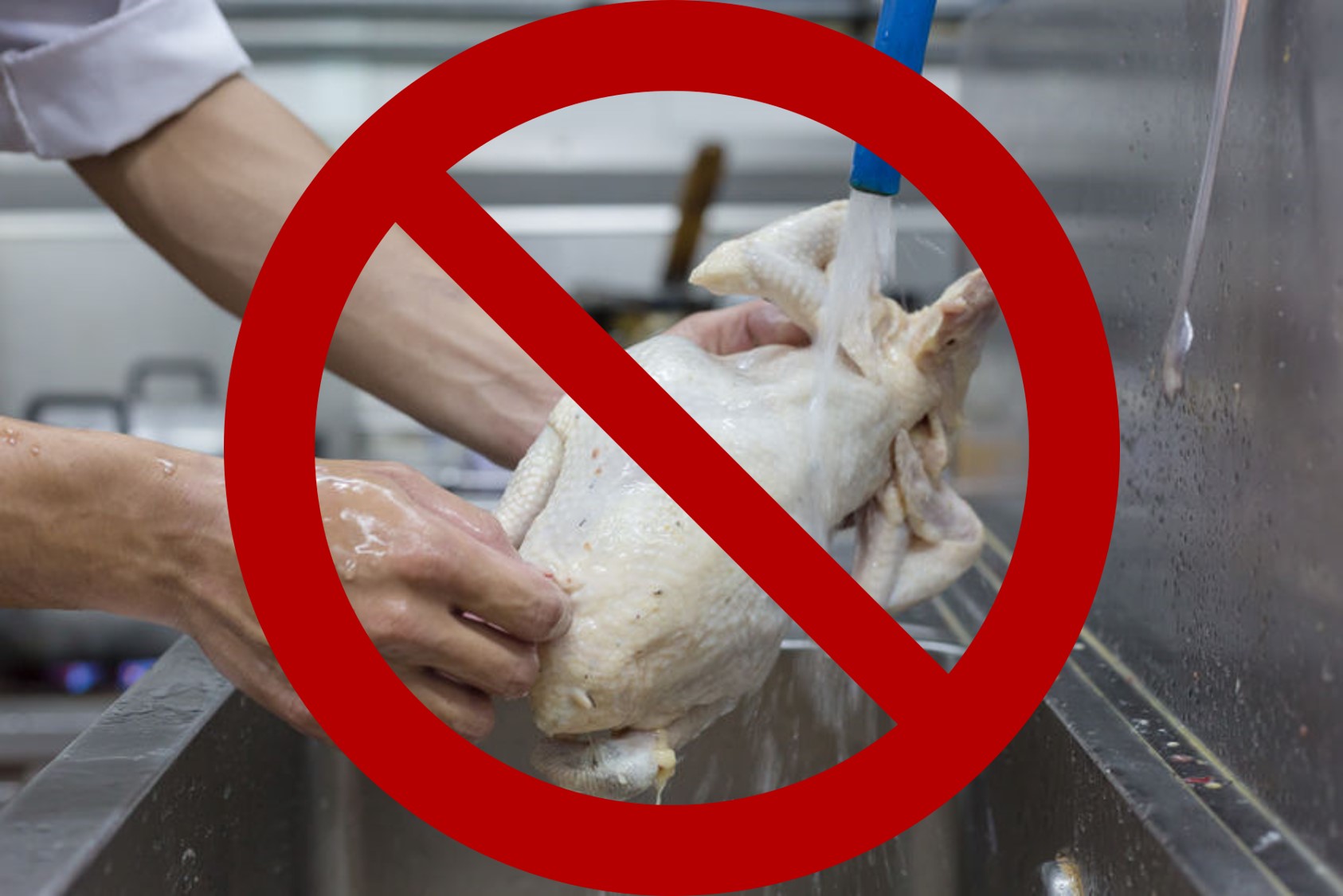
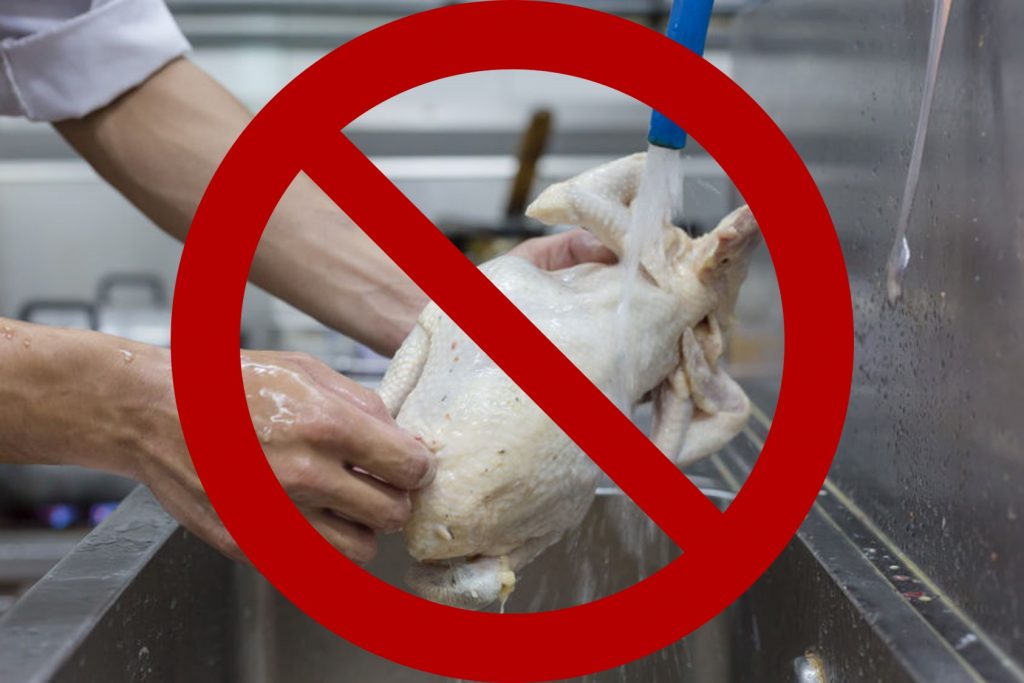
In April, the CDC tweeted a warning concerning the dangers of washing or rinsing raw chicken. If you’re active on Twitter, you can probably imagine the storm of retweets, comments and controversy this simple tweet caused. This week, we’ll take a look at what ServSafe food training says about this issue.
ServSafe food training for raw chicken
Image credit: Wasant Tonkun via 123rf

Washing Chicken and ServSafe Food Training

Perusing the Minnesota food code and ServSafe food training materials, we find no definitive ruling saying that washing raw chicken is prohibited. However, if you feel the need to wash your raw poultry before production, steps must be taken to prevent the spread of bacteria from cross contamination.

First, never wash your chicken, or any other food product, in sinks that are designated for dishwashing. Washing or rinsing raw chicken near dishes creates the potential for contaminated water to splash onto areas where clean may be. You also run the risk of exposing your chicken to dish-washing chemicals.

If this is a regular occurrence in your facility, mandate a designated sink for this purpose. Having a raw protein area will reduce the risks of salmonella or other pathogens from coming into contact with counters, utensils or other food product that will not be cooked to high enough temperatures to kill bacteria.

Finally, thoroughly sanitize sinks and utensils used to rinse raw chicken as soon as possible. Salmonella bacteria will spread and multiply and there will be an increased risk of cross contamination if the preparation area is not taken care of immediately.

These procedures shouldn’t only apply to rinsing raw product. You should take the same precautions when thawing raw chicken and other items that contain bacteria under running water. Bacteria can spread from thawing food just as fast fresh, raw proteins.

The intent of the CDC’s tweet was probably intended for people cooking at home, but it can be a warning to take care even for food service professionals. What causes an isolated food-borne illness at home has the potential to create an outbreak when food is improperly handled on a greater scale.

ServSafe and Wooden Serving Utensils

ServSafe Training and Wooden Plank Serving Utensils

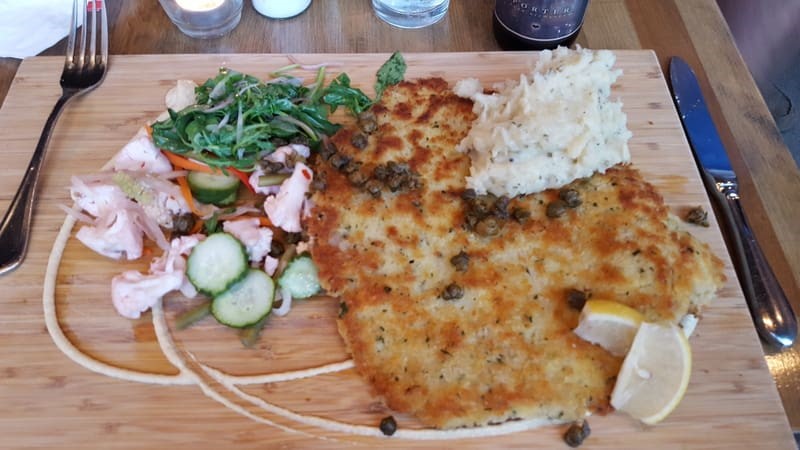
While dining out recently, we came across a restaurant which served us a delicious meal with a gorgeous presentation on a wooden plank rather than typical plateware. This got us thinking, about ServSafe training and wooden plank serving utensils. Do we need special steps to prevent food-borne illnesses from food served on wood planks and other alternative serving items?

ServSafe and Wooden Serving Utensils

ServSafe Training and Wooden Plank -Sanitation

ServSafe training tells us that all flatware must be sanitized between uses. Normally, this is done in a mechanical dishwashing machine or hand washed in a triple sink system. Can wooden serving boards be sanitized in the same way?

Wood is tricky to sanitize. Over time and repeated uses, small cuts from knives and other utensils form. Bacteria can hide and multiply in these cuts and dishwashing chemicals can seep in and potentially contaminate food. Extra care must be taken to ensure proper sanitation. We recommend using a triple sink and air drying method to clean wooden serving boards, and to do so immediately after use.

We’ve seen these large wooden boards featured on buffet lines as well. Many of these are crafted in a manner where a heat lamp is permanently attached. These are especially tricky to sanitize. Take care to wash and sanitize these by hand as soon as possible after every use.

A key to keeping food served on these boards is to make sure that you are using food-service-grade serving ware. These boards are harder and more resistant to wear and tear, and should be available from your local supplier. When investing in wooden serving materials, remember that these will not last forever and over time will need to be replaced.

What if you’re interested in wooden serving boards, but would rather not invest in costly materials that will need to be replaced on a regular basis? We’ve done some digging, and laminated wood boards and faux-wood plates look like a great alternative. Food-grade laminated wooden planks and fake wood can be easier to wash, many times in your standard dishwashing machine, and have a much longer life than expensive real wooden planks. While it is possible to spot the difference between real and fake wood, we see this as a safer and more cost effective investment into alternative serving ware.

Do you use wooden serving planks or any other type of serving ware other than standard plates in your restaurant?

staff giving thumbs up to future Servsafe food managers

Identifying Future ServSafe Food Managers

The busy holiday season has ended, and down time in January provides the perfect opportunity to assess the talent in your organization. During this assessment, taking note of potential leaders on staff prepares you for the future and gives you a chance to offer training to key members interested in becoming a future ServSafe food manager. It also allows you to identify weak spots or gaps in employee training.

staff giving thumbs up to future Servsafe food managers

Image credit: 123 RF- 18117932 (S)

Future ServSafe Food Managers and Talent Assessment

Before you begin any talent assessment, it’s important to remember that any assessment based on finding weaknesses may be detrimental to your staff’s moral. Weaknesses and training gaps are important to identify and correct, but nobody likes to be constantly told what aspects of their job need improving. Focusing on identifying the positives and encouraging beneficial traits greatly impacts the effectiveness of your employees and the success of your business.

While you’re in the process of looking at your staff’s strengths, now’s the time to sit down with key members that have the ability to take on bigger roles. Run through all of the things you’ve noticed in their performance and discuss the possibilities of taking some extra training and possibly becoming one of your future ServSafe food managers. If this is something that appeals to them, point them in the direction of online food manager training or check out the schedule of upcoming instructor-led classes. It would also be a good idea to schedule some time for interested employees to shadow your current food safety manager so that they have an idea of what to expect if they agree to take on more responsibility.

We realize that not every facility has the budget for multiple certified food protection managers, but providing food safety training to exceptional staff will always be beneficial in the long run. Do you take the time to assess your staff’s talents and strengths from time to time?

Food Safety Classes and Food Safety Month

Food Safety Classes and Food Safety Month

September is National Food Safety Month, and this makes for the perfect time to brush up on what you have learned in your food safety classes and go out of your way to make sure your facility is in top shape. It can also provide an opportunity to enlighten your guests to the steps you take to keep pathogens from reaching their plate.

Food Safety Classes and Food Safety Month

Promoting Food Safety Month During September

While we should remain vigilant throughout the year, setting aside one month to assess and address food safety in your facility is a great idea. This could be the perfect time to perform a mock health inspection so you can see if there are any gaps in your staff knowledge and performance. If you find any issues, conducting a few group food safety classes with your employees will get everyone on the same page and increase food safety awareness.

This also provides you with an opportunity to clue your guests in on some food safety procedures. A detailed handwashing sign in your public washroom, a card on the table informing them of your table sanitation process or even an extra sheet in your menu with a daily food safety tip they can apply at home in honor of food safety month can impress upon your clientele how much you value their health.

You should also take the time to identify key members of your team that are ready for the responsibilities of a certified food manager. It never hurts to have multiple employees certified in the event of the absence of your current certified manager.

ServSafe has provided tools and worksheets for you and your staff to review over the coming month to improve your food handling practices. Do you participate in Food Safety Month?