ServSafe food manager trainiing review of hand washing dishes

Important ServSafe Food Manager’s Training Review For Handwashing Dishes

Most restaurants and food production facilities rely on mechanical dishwashing machines, but we should all be prepared in the event that the dishwasher malfunctions or some other scenario renders your machine inoperable. We all know you can’t serve your guests food on plates covered in grime, and if you do you may lose your guests due to food poisoning or simply disgust from being given utensils with chunks of the previous guest’s meal caked on the surface. Whether your business already washes your dishes manually or you rely on a mechanical dish machine, Every ServSafe food manager should regularly train their staff on manual warewashing procedures.

ServSafe Food Manager's Training Review For Handwashing Dishes
Image credit: wavebreakmediamicro via 123rf

ServSafe Food Manager Triple Sink Dish Washing Review

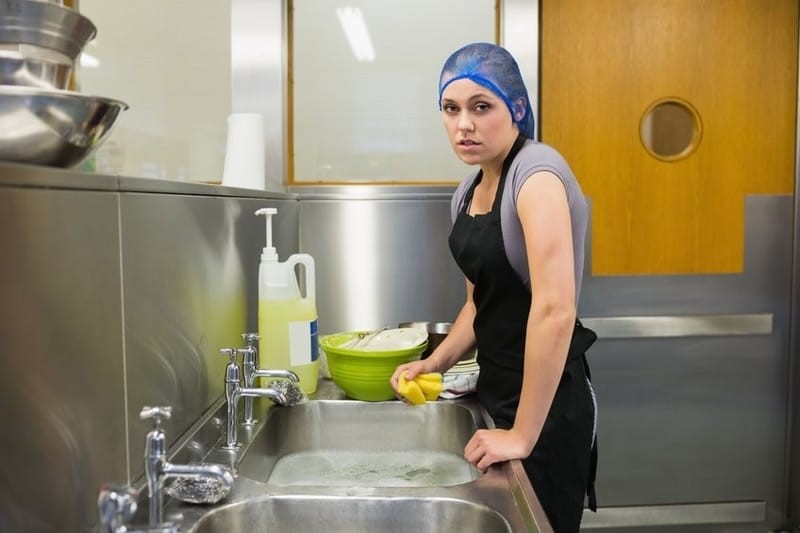
A ServSafe food manager should frequently train staff on proper manual dishwashing procedures. If you lose your mechanical dishwasher for any length of time, you need to rely on a triple-sink warewashing system. Each sink will serve a different purpose. The four step dishwashing process involves:

  • Washing
  • Rinsing
  • Sanitizing
  • Air Drying

The first three steps of the manual washing process must happen in their own portion of your triple sink. This will prevent remnants of food, detergents and other particles from ending up surviving the washing process.

When washing dishes in the first sink, it’s important to use hot, soapy water in order to properly clean utensils and plates. Cold water is ineffective during this step, so make sure the water is as hot as you can stand and wear protective rubber gloves to reduce the discomfort of hot water. During this step, scrub all food particles off of surfaces before moving on to the second sink.

After dishes have been washed, they need to be rinsed in clean water free of detergents and other contaminates. Supplement your rinsing sink with clean running water to properly rinse dishes during the second step.

The last sink should be reserved for sanitizing. There are two ways to properly sanitize hand washed dishes:

  • A properly tested sanitizer bath
  • Hot water over 171 degrees Fahrenheit

If you choose to sanitize in a sink with water and a sanitizer solution, your ServSafe food manager should regularly use a test strip to make sure that your chosen sanitizer solution is at appropriate levels. A weak solution runs the risk of leaving pathogens on surfaces increasing the risk of spreading foodborne illness while a strong solution could leave sanitizer on your dishes that could also sicken guests.

If you use hot water for sanitation, test the water in your sanitation sink regularly to ensure it remains above 171 degrees.

Has your ServSafe food manager reviewed your triple sink washing procedure lately?
Food recall procedures that servsafe managers need to know

Expert Food Recall Procedures ServSafe Managers Need To Know

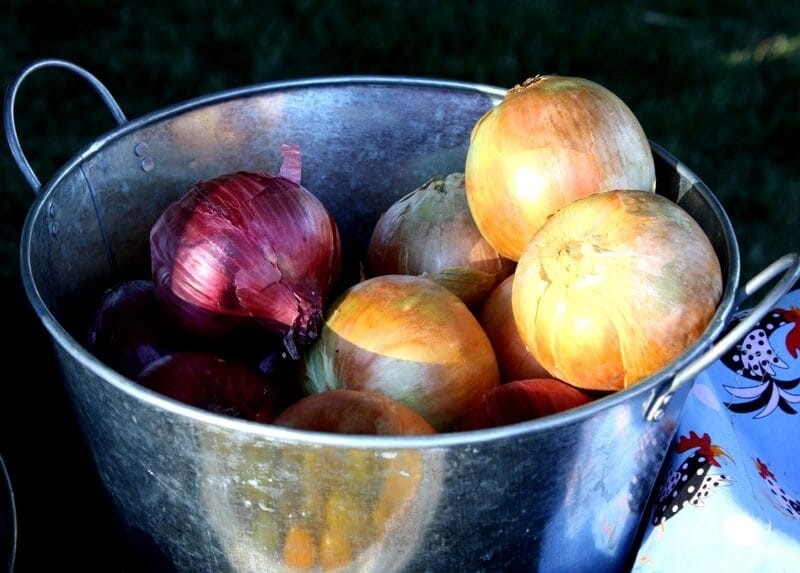
Recently, Green Giant announced a voluntary recall on yellow and white onions. Minnesota ServSafe managers should pay close attention to this recall since many of the delivery locations are in the state of Minnesota. This may be a good time to check your inventory for white and yellow onions to make sure that you don’t have any sitting in storage. It’s also prudent to review procedures Minnesota ServSafe managers should use to handle major food recall notices.

Green Giant Onion Recall Procedures ServSafe Managers need to know
Image credit: PPD via Pixnio

Procedures for Responding to the Onion Recall for ServSafe Food Managers

Some recalls affect the food industry more than others, and this onion recall impacts nearly every food business in areas where the recall is in effect. Onions are a staple ingredient in every food business, so what procedures should ServSafe food managers do when impacted by a recall of this scale?

Discarding recalled ingredients and prepared product which includes tainted ingredients should be the first step. Your guests’ safety must be a top priority, replacing these ingredients should come second.

Finding an alternative for necessities should only occur after you’ve cleared your storage of recalled products. Bringing in untainted ingredients while you still have recalled produce in storage could lead to a mix-up between tainted and untainted ingredients. You may want to order a replacement product as soon as you hear of a recall, but don’t stall on clearing health hazards before receiving a new shipment.

Most foodservice suppliers should have checked UPC codes and other information concerning a recall before sending you a replacement, but ServSafe managers should do their due diligence and verify their new product has not been affected. You may also have to consider going without due to scarcity during a recall. In that instance, informing your guests that onions, or any recalled ingredient, are being removed from the menu for their health and safety will keep them informed as to why some menu items may look different than normal.

Have your Servsafe food managers documented a recall procedure? Have you ever had to take steps to alter your menu during a recall?

A ServSafe MN Managers Expert Guide To Flu Season

A ServSafe MN Managers Expert Guide To Flu Season

The leaves are turning brilliant reds, yellows and oranges and kids are flocking back to school, all signs that fall is upon us, and with fall comes the start of flu season. Unfortunately, this flu season is complicated with the remnants of the coronavirus, so it’s especially important to take care of our health during these times to prevent the flu from being a factor in keeping our businesses open and functioning with a full staff. As we roll into the fall flu season, we should look at how ServSafe MN managers can help promote healthy habits among their staff.

A ServSafe MN Managers Expert Guide To Flu Season
Image credit: kimberrywood via 123rf

ServSafe MN Manager Tips for Flu Prevention

One of the biggest struggles with the upcoming flu season may be that flu-like illnesses and COVID-19 share similar symptoms, but our yearlong adventure of sanitation, wearing masks and washing hands frequently have prepared us to thwart the flu as well as the corona virus.

Proper handwashing is one of the most effective tools we have to fight the flu. In fact, proper handwashing will help prevent much more than the flu, it’s one of the most effective procedures ServSafe MN manager have in reducing the risk of spreading numerous types of illnesses foodborne or otherwise. It’s critical to make sure you have a fully stocked handwashing area with plenty of paper towels, soap, hot water and an up-to-date handwashing poster. Antiseptic solutions and hand sanitizers can add an extra layer of protection, just remember they are no substitute for handwashing and should only be applied after washing hands for 20 seconds.

It’s also important to take care of our personal health during the flu season. ServSafe MN managers should be aware that kitchens are hot environments, even when it’s cold outside, and extended periods of time in the heat can dehydrate staff members. Keep an eye on your staff and ensure they are getting adequate breaks to drink plenty of water and keep their energy levels high.

Finally, it’s important to reiterate that sick workers should stay home. Even if symptoms are mild, the flu and other illnesses can spread to the rest of the staff. If you’re sick, no matter what the cause, stay home, rest and come back when you’ve fully recovered without symptoms.

As a ServSafe MN manager, are you taking extra precautions to keep your staff healthy during the upcoming flu season?

Are Farmers’ Markets Approved Sources of Ingredients for ServSafe Managers?

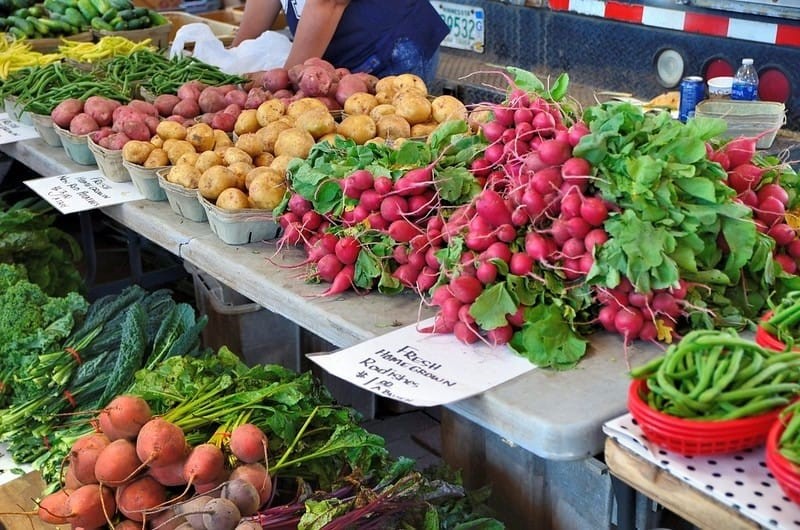
With summer time here, we’re seeing an increase in locations for weekly farmers’ markets all around our state. We’ve been asked from time to time whether ServSafe managers are allowed to purchase produce and other food ingredients from these farmers’ markets for use in their restaurants and food production businesses. The short answer to this question is yes with some exceptions, but there are few factors ServSafe Managers should consider when choosing a farmers’ market to purchase your ingredients.

Farmers' Markets Approved for Sources of Ingredients for ServSafe Managers
Image credit: jpellgen (@1179_jp) via flickr

Tips for ServSafe Managers Purchasing Ingredients at Minnesota Farmers’ Markets

The type of ingredient you’re purchasing from a farmers’ market will determine whether you can use it in your food establishment. According to the Minnesota Food Code, you may purchase produce directly from the grower, so fruits and vegetables don’t require special certification as long as you ensure you’re purchasing directly from the grower. However, if you choose to purchase eggs or raw proteins you must ensure a some conditions have been met.

  • Meat and Poultry have been USDA Inspected
  • Eggs must be Grade B or better

Besides checking on whether or not meats and eggs have passed inspection, you may also wish to take some time to evaluate how they are displayed for sale at a farmers’ market. Raw proteins and eggs displayed in open air have more risk of having been contaminated by flies, heat or other foodborne illness risks. In the heat of summer, there is a greater risk for these sensitive items to be exposed to danger zone temperatures. If you choose to purchase inspected and graded proteins from a farmers’ market, use your best judgment on how it’s stored and make sure you have the capabilities to transport them safely at temperatures below 41 degrees. From a food safety standpoint, inquiring about delivery may better way to purchase eggs and meat from local farmers.

We’ve also been asked whether farmers’ markets have any regulations or inspection. The Minnesota Department of Agriculture has put together a list of approved farmers’ markets. This list is fairly extensive, so there’s sure to be an approved market near you.

Are you a ServSafe manager that frequents local Minnesota farmers’ markets?