
Posts

eggnog

Is Your Eggnog a Health Hazard? Critical Checks for Safe Holiday Beverages

eggnogAs the holiday season approaches, festive beverages like eggnog, mulled cider, and hot chocolate become top-sellers. But for a foodservice operation, these seemingly harmless drinks—especially eggnog—can represent one of the most significant food safety risks of the year. Providing safe holiday beverages is a non-negotiable part of your holiday service and a key responsibility for every Certified Food Protection Manager (CFPM).

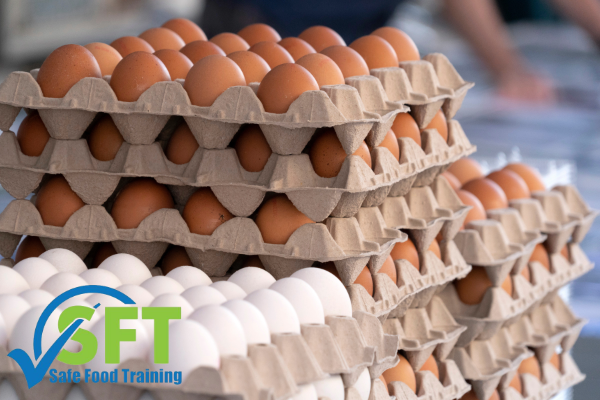
A single contaminated batch can have serious consequences. Recent CDC investigations into Salmonella outbreaks have identified a strong link to eggs. In one such outbreak, 92% of people interviewed reported eating eggs before becoming ill. This is a stark reminder that high-risk ingredients demand a higher standard of care.

Let’s look at the three critical checkpoints for ensuring your holiday beverages are safe and compliant.
The Primary Culprit: Salmonella and Raw Eggs

eggnog

Is your eggnog safe?

The classic “homemade” eggnog recipe is a food-safety nightmare. It calls for raw, unpasteurized eggs mixed with milk, cream, and sugar. This mixture creates an ideal environment for Salmonella Enteritidis. This bacterium can live inside normal-looking eggs.

The Risk is Real:

Salmonella can cause severe gastrointestinal illness. For vulnerable populations—including older adults, young children, and immunocompromised individuals—an infection can lead to hospitalization or worse.

The Non-Negotiable Solution:

Always use pasteurized eggs. Liquid, pasteurized eggs are the gold standard for any recipe you won’t cook to 165°F. This step eliminates the primary bacterial threat from the start.

Labeling is Key:

If you make a “cooked” eggnog base (heating the egg-milk mixture to 160°F), you must cool it properly. However, using pasteurized eggs from the beginning is the simplest and most foolproof method to ensure safety.

The Alcohol Myth: Why "Spiking" Isn't a Safety Step

A common belief is that adding alcohol (like brandy, rum, or whiskey) to eggnog “sterilizes” it and kills any harmful bacteria. This is a dangerously false assumption.

Alcohol is Not a Sanitizer:

While high-proof alcohol can have antimicrobial properties, it requires specific concentrations and significant time to be effective. The dilution in a thick, fatty beverage like eggnog renders it ineffective as a food safety control point.

Fat Protects Bacteria:

The high fat and protein content of the eggnog can act as a shield, insulating bacteria from the alcohol and allowing them to survive and multiply.

The Real Danger:

Relying on alcohol for safety can create a false sense of security. This may cause staff to become complacent about the real control: temperature.

Temperature Control: A CFPM's Best Defense

Once you prepare your eggnog (using pasteurized eggs), the game is not over. Like any dairy-based, high-protein food, eggnog is a Time/Temperature Control for Safety (TCS) food. You must keep it out of the temperature danger zone (41°F to 135°F).

Cold Holding:

If serving eggnog cold, you must hold it at 41°F or below at all times. This includes the walk-in, the prep cooler, and the service line. Use an ice bath for buffet service and check the temperature with a calibrated thermometer frequently.

Time as a Control:

If you cannot guarantee a temperature below 41°F on a buffet, you must use Time as a Public Health Control (TAPHc). This means you must mark the eggnog with a 4-hour discard time and throw it away after that period.

Hot Beverages:

The same rules apply to hot drinks like mulled cider or hot chocolate. If you are hot-holding them for service, you must maintain a temperature of 135°F or higher. Never let them sit “lukewarm” in a pot on the stove.

As a CFPM, your team looks to you to set the standard. These festive beverages are high-risk, but you can manage them safely with the right protocols and a well-trained staff.

Protect Your Patrons with Expert Training

eggnog

Keep your beverages safe.

Don’t let a food safety mistake ruin a customer’s holiday. Ensuring your entire team understands the “why” behind these rules is the best way to guarantee you serve safe holiday beverages.

Safe Food Training provides the expert-led courses you need. Jeff Webster offers personalized, instructor-led options for the full 8-hour Certified Food Protection Manager course or the 3-year continuing education renewal. We make complex food safety principles clear and practical for your Minnesota-based team.

Visit our website today to book your upcoming training and keep your holiday service safe and successful.
peach recall

When the Supply Chain Fails: The Peach Recall and Why Every Certified Food Protection Manager Must Pay Attention

peach recall

The peach recall is still rolling out through related products.

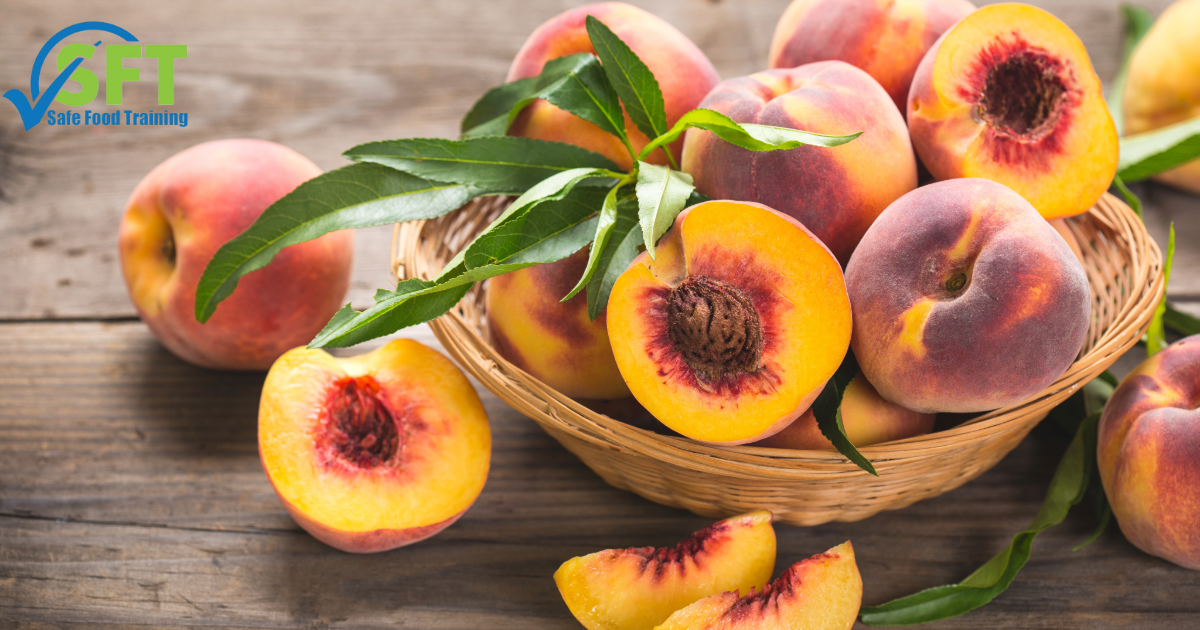
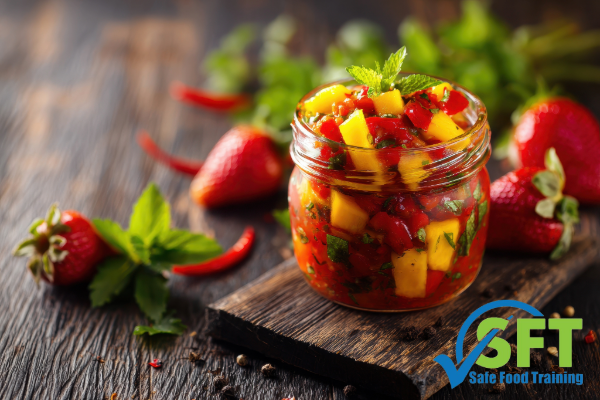
As a Minnesota food safety professional, my usual focus is on in-house standards like time/temperature and hygiene. However, the recent nationwide peach recalls—initially fresh peaches from HMC Farms and Moonlight Companies due to Listeria, followed by Kroger’s “Private Selection” peach salsa recall—demonstrate the critical need for a Certified Food Protection Manager (CFPM) to manage external threats. The salsa recall was necessary because it was made with the contaminated peaches, illustrating the “continuing fallout” and the vital lessons in traceability and supplier-level risk for all Minnesota food managers.

1. The Initial Recall: A Problem at the Source

The first recall was for the raw, agricultural product—the fresh peaches. Listeria is a bacterium found in soil, water, and animal feces, meaning contamination can happen right on the farm or in the processing plant.

This presents an immediate challenge for you, whether you are a manager, chef, or business owner.

  • You cannot see the threat: Listeria doesn’t change the smell, taste, or appearance of the food. A contaminated peach looks just like a safe peach. This is why we rely on food safety systems, not our senses.

  • The supplier is your first line of defense: This incident underscores the importance of using approved, reputable suppliers. Even the best suppliers can experience a recall; they must have procedures to identify and notify you immediately.

Receiving is a critical control point: Your receiving dock is more than a doorway. It’s the first checkpoint in your kitchen’s safety plan. You must train your team to check for undamaged packaging, proper temperatures (when applicable), and to know who your suppliers are.

2. The "Recall Fallout" and Your Certified Food Protection Manager Training

The secondary recall of the peach salsa is, in many ways, the more important lesson for a Certified Food Protection Manager. The salsa company didn’t necessarily do anything wrong in its own kitchen, but a contaminated ingredient it received from a supplier affected it.

Ask yourself these questions:

  • Do you have a traceability plan? If you received a recall notice today for “HMC Farms Peaches,” could you—within minutes—know if you had that product? Could you check whether you used that product in a batch of house-made chutney, a dessert special, or a salad?

  • Are you tracking lot codes? For many managers, the box is broken down and the invoice filed away. Best practice during a high-risk event is to maintain traceability. This can mean having a simple log or even just clipping the lot code label from a case and attaching it to your invoice.

How Fast Can You Act? A recall is a race against the clock. Your role as a CFPM is to have a plan before you need it. This includes identifying the product, segregating it (labeling it “DO NOT USE”), and communicating with staff and, if necessary, the public and your local health department.

3. The Pathogen: Why Listeria is a Unique Threat

This recall involved Listeria, not E. coli or Salmonella. For a food professional, this distinction is critical, as Listeria has a terrifying “superpower.”

  • It Grows in the Cold: This is the most important fact. Unlike most bacteria that are slowed by refrigeration, Listeria monocytogenes can continue to grow and multiply at refrigerated temperatures (40°F or below).
  • The Risk in Ready-to-Eat (RTE) Foods: A manager might mistakenly believe a product is “safe” once it’s in the walk-in cooler. With Listeria, that cooler can become an incubator. This makes it uniquely dangerous for ready-to-eat foods that lack a “kill step” (i.e., cooking), such as fresh salsa, deli meats, soft cheeses, and sprouts.


  • It is a zero-tolerance pathogen: Because Listeria is so dangerous, especially to high-risk populations, there is a “zero-tolerance” policy for it in ready-to-eat foods. A single cell is all it takes to render a food “adulterated.” This is why you see massive recalls from a potential contamination, not just a confirmed one.

These events are clear reminders that food safety isn’t just a poster on the wall; it’s an active, daily-managed system. And you lead that system.

Build Your Expertise with Safe Food Training

peach recall

Millions of peaches? What’s in your inventory?

Recalls are real-world tests of your food safety systems. As a Certified Food Protection Manager, you lead the effort to protect public health and your business’s reputation.

If you or your team need the 8-hour food licensing certification or your three-year renewal, we offer friendly, personalized, and effective training tailored for Minnesota food professionals.

Don’t wait for a recall. Visit safefoodtraining.com to register and gain the skills to handle any food safety challenge.

Mayonnaise Food Safety

The Mayonnaise Food Safety Myth: What Every Certified Food Protection Manager in Minnesota Needs to Know

As a Certified Food Protection Manager (CFPM) in Minnesota, you have likely heard a classic food safety myth: mayonnaise causes most food poisoning in potato salad, sandwiches, and other common dishes. For years, people widely believed the condiment was highly perishable and blamed it for a host of foodborne illnesses. This enduring mayonnaise food safety myth is so pervasive, it’s often the first thing people think of when a summer picnic or buffet goes wrong. However, the science behind this belief reveals a more nuanced truth.

The real culprits are almost always other ingredients that people have not prepared or handled properly to food safety standards. The myth’s enduring power is rooted in a misunderstanding of how mayonnaise is made and the critical importance of avoiding cross-contamination.

The Science of the "Mayonnaise Myth"

Mayonnaise Food Safety

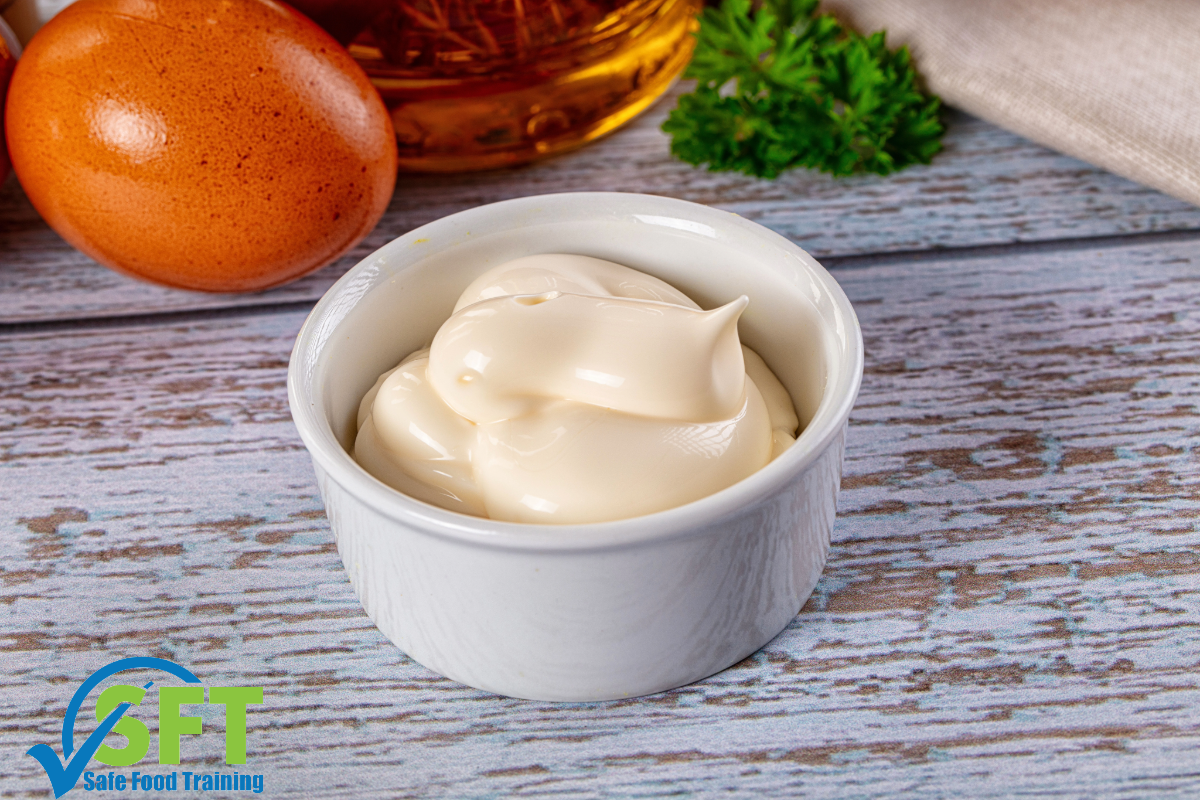
Do you know your mayonnaise food safety?

Commercially produced mayonnaise is a highly stable food product, primarily because of its ingredients. Manufacturers load it with acids, like vinegar and lemon juice, and preservatives that create a low pH environment. This acidic nature is hostile to the growth of most foodborne bacteria, including Salmonella.

  • Low pH as a preservative: The low pH of store-bought mayonnaise acts as a natural safeguard. While you should refrigerate it for optimal taste and quality, the product’s acidity makes it far less susceptible to spoilage than many other ingredients. Some sources even suggest that adding commercially produced mayonnaise to certain dressings and sauces can extend their shelf life because of this preserving effect.

Pasteurized ingredients: The raw eggs traditionally used in mayonnaise are a common source of Salmonella contamination. However, commercial mayonnaise manufacturers use pasteurized eggs, which eliminates this risk. This key difference makes store-bought mayonnaise a much safer ingredient to work with.

The Real Culprits: Time and Temperature Control

If mayonnaise doesn’t cause food poisoning, why do popular dishes that contain it make people ill? The answer lies in the other ingredients. Dishes like potato salad, pasta salad, and tuna salad become a potentially hazardous food (PHF)—now more commonly referred to as a time/temperature control for safety (TCS) food—once you combine them. These foods are a perfect breeding ground for bacteria if they remain in the temperature danger zone (TDZ) for an extended period.

A significant portion of foodborne illnesses, including those attributed to Salmonella, results from improper temperature control. The Minnesota Food Code requires that all TCS foods be kept at or below 41°F or above 135°F to prevent bacteria from multiplying to dangerous levels.

  • Susceptible ingredients: Cooked potatoes, pasta, cooked eggs, and meats are highly susceptible to bacterial growth once they are cooked and cooled. Leaving a potato or pasta salad out at room temperature for even a short time can create a significant health hazard.
  • Preventing cross-contamination: Many food safety incidents at events like buffets directly result from cross-contamination. This occurs when someone uses a utensil to serve one dish and then uses it in another, or when a spreader comes into contact with raw meat proteins and then returns to the mayonnaise container. In these cases, bacteria are highly likely to contaminate the mayonnaise.

Maintaining Food Safety Standards in Minnesota


Mayonnaise Food Safety

Mayonnaise food safety issues usually revolve around time and temperature.


For any food professional, a strong understanding of food safety principles is essential. Relying on myths can lead to dangerous oversights in your establishment. It is crucial to always avoid cross-contamination, practice excellent personal hygiene, and ensure you handle every ingredient correctly.

Staying up-to-date with your knowledge is also a requirement of the Minnesota Food Code, which mandates that most food establishments have a full-time certified food manager on staff. These regulations protect public health and ensure professionals like you have the expertise to operate safely.

This is why proper, in-depth food safety training is so vital. It’s not just about passing an exam—it’s about understanding the “why” behind the rules. You are responsible for the health of your customers, and a sound foundation in food safety principles is the best way to uphold that responsibility. You also need to renew your certification every three years by completing continuing education.

At Safe Food Training, we offer convenient and personalized Certified Food Protection Manager courses designed specifically to help you and your team effectively meet these standards in Minnesota. We provide everything you need to become certified in one simple session, including the exam itself. Book your continuing education training or register for a full certification course on our website today.

ice machine

CFPM: Is Your Ice Machine Mold a Ticking Time Bomb?

Ice machine ice

How safe is your ice in your ice machine?

As a food safety professional, you monitor temperatures and enforce handwashing, but what about the silent partner in nearly every beverage served? For certified food protection managers in Minnesota, overlooking the cleanliness of your ice machine can lead to significant health risks and tarnish a hard-earned reputation. The presence of ice machine mold isn’t just an unsightly nuisance; it’s a critical food safety failure.

Identifying the Unseen Enemy: More Than Just Grime

The first step in combating ice machine mold is knowing how to spot it. Because the internal components of an ice machine are often out of sight, a problem can develop long before it becomes obvious. This isn’t just a theoretical problem; it’s happening right here in our community. For instance, a recent KARE 11 report highlighted that major Minneapolis sports venues were cited for mold and biofilm buildup in their ice machines. These local examples underscore how easily this issue can arise even in high-profile establishments, making vigilant oversight essential.

It’s crucial to understand why this is such a critical issue. The Food and Drug Administration (FDA) classifies ice as food and requires it to be handled with the same care and sanitation standards as other edible products. When mold, slime, and other bacteria are allowed to fester in the dark, damp environment of an ice machine, they can directly contaminate the ice your customers consume. This exposure can trigger allergic reactions and asthma attacks, and more alarmingly, contaminated ice has been directly linked to foodborne illness outbreaks like norovirus.

  • Visual Inspection: Make it a routine practice to inspect the interior of your ice machines with a flashlight. Look for black, green, or pinkish slime and discoloration on all surfaces, including the evaporator, dispenser, and storage bin.
  • Customer Complaints: Pay close attention to any feedback regarding “off-tasting” or malodorous beverages. While not always the case, this can sometimes be an indicator of contaminated ice.
  • Staff Awareness: Train your staff to recognize the early signs of mold and to understand that the ice scoop and bin are food-contact surfaces requiring stringent hygiene. The handle of an ice scoop should never come into contact with the ice itself.

The Safe Food Training Solution

How safe is your ice? Ice Machine

How safe is your ice machine ice?

Protecting your customers and your business from the dangers of ice machine mold requires more than just awareness; it demands a commitment to ongoing education and best practices. Understanding the why behind the cleaning protocols empowers your team to take food safety seriously. It transforms a tedious task into a critical measure for public health protection.

At Safe Food Training, we specialize in providing personalized and effective food safety education that addresses the real-world challenges you face. Our courses are designed to reinforce the importance of every aspect of food safety, from the obvious to the often-overlooked dangers, such as a contaminated ice supply.

Don’t let ice machine mold compromise the safety and integrity of your operation. If you and your team are looking to renew your certifications or enhance your understanding of Minnesota’s food safety standards, our expert-led, instructor-led options provide the convenient and comprehensive training you need. 

Visit Safe Food Training today to schedule your next session and ensure your establishment is a model of safety, from the first ingredient to the last ice cube.