
Posts

When Can ServSafe Managers Expect the Surprise Health Inspector

When Can ServSafe Managers Expect the Surprise Health Inspector

Every so often, we get asked by prospective ServSafe food managers if they’ll receive a warning before the health inspector shows up at their food business. Well, if you’re doing everything right, reinforce a proper food safety culture in your establishment; does it really matter when the health inspector walks into your door? While there are no flashing lights, alarms or signs from above for Servsafe managers, there is an expected frequency for when your establishment requires a visit from a health department inspector.

When Can ServSafe Managers Expect the Surprise Health Inspector

How Often Can ServSafe Food Managers Expect a Health Department Inspection?

Your local health department commissioner schedules inspections during specific intervals depending on the risk category of your food establishment. The food code breaks down the food establishment inspection frequency into three categories:

  • High-Risk: Once at Least Every 12 Months
  • Medium-Risk: Once at Least Every 18 Months
  • Low-Risk: Once at Least Every 24 Months

While you won’t know exactly when they’ll show up, you can expect a visit within a regular time frame, but how do you know which type of food business you operate? Most restaurants, resorts, hotels with pools, catering companies and other establishments that prepare products in advance and cool and reheat products will be considered high-risk. A majority of food establishments fall into this category.

Medium-risk food establishments serve some potentially hazardous foods but with little time between preparation and service. These businesses usually only serve items such as pizza, fryer foods and sandwiches that are prepared and served immediately with minimal holding and limited time between preparation and service.

A low-risk food establishment offers food with very limited preparation. These can be coffee stands with prepackaged pastries, hotels with minimal food offerings or certain grab-and-go food services. These businesses will only see the inspector every two years and most may not require a ServSafe food manager for operation.

Regardless of what type of business you operate, your ServSafe food manager or designated person in charge in their absence should make themselves available when the inspector shows up. You don’t necessarily need to guide them throughout the facility, but it’s a good idea to be around them. Never make an attempt to stall the process, misdirect inspectors from certain areas of your facility or hinder the inspection in any way. This will help speed the process and allow them to ensure your food is being served in a safe manner. Remember, these inspectors aren’t there to find fault with your establishment or punish food business owners, they are there to ensure the safety of your product. Don’t be offended if issues arise, rather ask questions and find solutions to any violation before the inspector leaves your business.
New Food Safety Management Training For Facilities Serving Susceptible Populations

New Food Safety Management Training For Facilities Serving Susceptible Populations

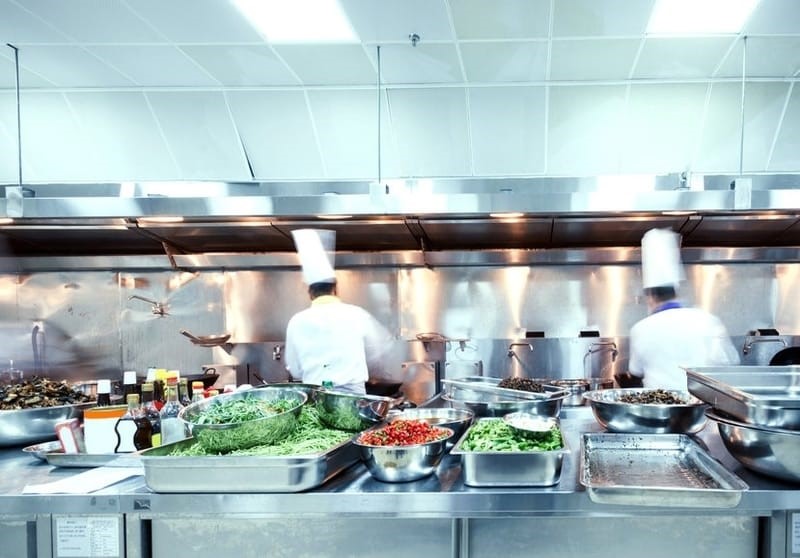
Some recent updates to guidelines involving facilities that house or serve susceptible populations, and a few of those updates directly address food safety management training in these types of businesses. It may not be a rewrite of the actual code, but the Minnesota Department of Health has cleared up and outlined equipment guidelines for assisted living facilities and other outlets that specialize in serving those that may be more prone to foodborne illnesses.

New Food Safety Management Training For Facilities Serving Susceptible Populations
Image credit: snvv via 123rf

New Kitchen Equipment Standards For Facilities Serving Susceptible Populations Will Impact Food Safety Management Training

Most kitchen equipment can be broken down into two categories:

  • Food preparation surfaces
  • Preparation equipment

Proper food safety management training for both of these categories must be certified or classified for proper sanitation by ANSI standards. When talking about food preparation surfaces, surfaces in medical facilities, child care centers, and senior activity centers must be:

  • Corrosion-resistant
  • Able to withstand repeated washing and sanitation
  • Finished with a smooth, cleanable surface
  • Resistant to scratching, pitting and other types of damage from contact with utensils

Food contact surfaces not only include cutting and mixing surfaces, but also include equipment that contains a surface that cooks food. Flattop grills, steam kettles and other devices that cook food must meet these standards. Food preparation equipment outside of preparation surfaces can include:

  • Walk-in refrigerators and freezers
  • Mechanical warewashing machines
  • Ice machines
  • Cooking equipment besides microwaves and toasters

With few exceptions, most cooking and mechanical equipment used to prepare food in facilities that serve a susceptible population must meet an ANSI standard. Food safety management training will point you to a sticker or emblem somewhere on your equipment that shows if it has been certified. Common certifications include:

  • NSF International (NSF)
  • ETl Sanitation
  • Underwriters Laboratory (UL)
  • Baking Industry Sanitation Standards Committee (BISSC)

If you serve susceptible populations have you updated the food safety management training you provide to your staff?

Specialized Process Approved By MN Health Department

How To Get A Specialized Process Approved By The MN Health Department

During in-person certified food protection manager training, we get the opportunity to discuss food safety issues that are unique to our students’ businesses. On occasion, we have students looking for clarity on specific food preparation methods that may not directly be covered by the Minnesota food code. If there the code lacks guidelines that specifically address a certain cooking process does that mean that there are no rules or that that process is not allowed? The answer isn’t always that simple, so let’s take a look at how certified food protection managers can evaluate and get MN Department of Health approval for specialized processes not directly covered by the food code.

Specialized Process Approved By MN Health Department
Image credit: Malu Zhao via Flickr

Tips For Certified Food Protection Managers Using Specialized Processes Not Covered By MN Department of Health Food Code

When we refer to specialized processes, we’re talking about cooking and curing methods beyond the basics. Some specialized processes we’re asked about include:

  • Fermentation and Canning
  • Curing Meats
  • Reduced Oxygen Packaging
  • Operating a Live Shellfish Tank

All four of these specialized processes and others not outlined by the current Minnesota Department of Health food code require a written hazard analysis and critical control point plan (HAACP) and a variance approved by the health department. Without this variance, your business could fail a health inspection if you do not have an approved HAACP in place.

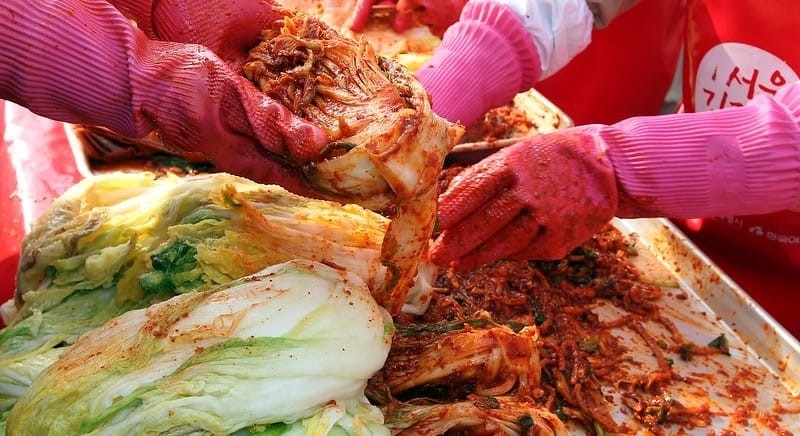
Fermentation and canning require a variance because they involve preservation processes that utilize additives such as vinegar or fermenting product outside of approved temperatures. Some examples include kimchi, jams and pickled items. Curing meats involves adding nitrates and other preservatives to create charcuterie, salami, jerky and other preserved items. These processes are not regulated by the current heath code and would be outlined as violations if not approved by your local health department.

The rules surrounding reduced oxygen cooking and packaging processes such as sous vide, vacuum packaging and other modified oxygen processes are also not clearly outlined and require special guidance from the health department. Some seafood restaurants may choose to keep live shellfish on display in a tank where customers can choose their meals, while it may not seem like a large risk, these types of display aquariums that contain servable product must be also approved.

Obtaining a variance isn’t as difficult as it may seem. Most health inspectors are willing to work with certified food protection managers in order to keep food safe and allow for creativity. Before applying for a variance make sure your consider a written plan that includes:

  • A food safety hazard analysis
  • Critical control points
  • Limits for preventative measures
  • Monitoring procedures
  • Corrective actions during monitoring
  • Effective record keeping protocol
  • Procedures to ensure the HAACP is working

If you have any trouble constructing a HAACP plan, it may be wise to consult with your local health inspector to ensure that your procedures are keeping your specialized processes safe .

Do you use Special preparation procedures not outlined by the Minnesota food code that may need MN Health Department approval?

Making kitchen staff training more effective

How To Make Kitchen Staff Food Safety Training More Effective

Certified food protection managers are responsible for keeping the food they serve safe through training, monitoring and evaluating the food safety procedures in their establishment. One important part of training is reinforcing food safety protocols, and the Minnesota Department of Health and the Department of Agriculture have supplied handy food code fact sheets and downloadable food safety posters to help certified food protection managers remind their staff of essential food safety procedures.

Making kitchen staff training more effective
Image credit: Minnesota Department of Health

Using Food Code Fact Sheets to Supplement Your Staff Food Safety Awareness

Just because your staff has been trained on the basics, it doesn’t mean that a review of these procedures wouldn’t be helpful. In fact, having frequent reminders of food safety basics will keep the food your serve safe and take some pressure off of the day-to-day duties of your certified food protection manager.

Printing and laminating food safety posters will provide constant visual reinforcement of the basics of food safety. Some key posters include:

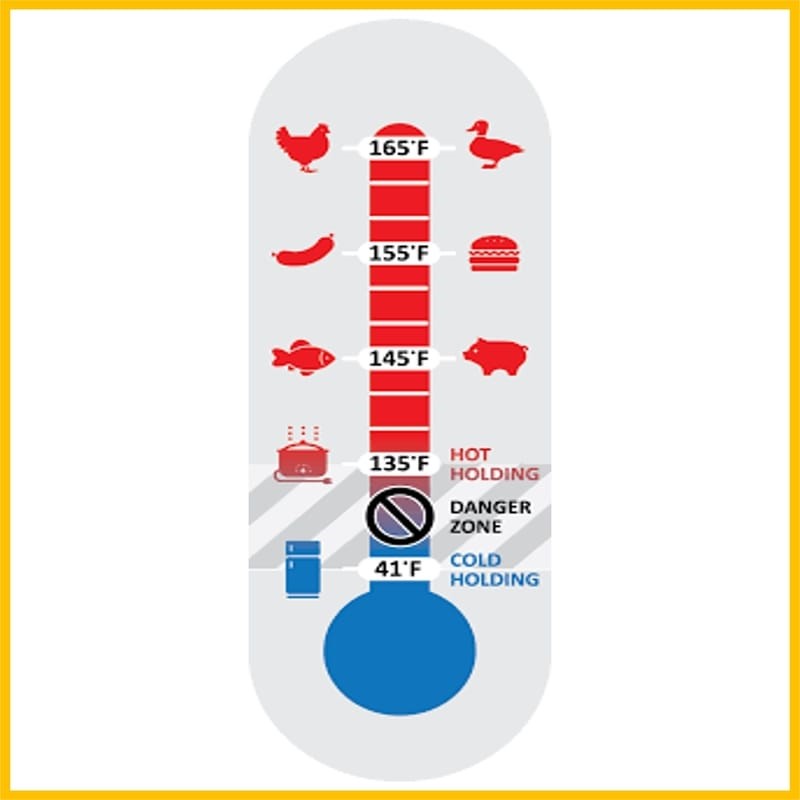
A handwashing poster over your handwashing station will be a constant reminder of the importance of washing your hands, and having temperature control and heating procedures posted where food is cooked will give your staff a quick guide when checking the temperature of the food they’ve just prepared.

The downloadable food safety posters on the Minnesota Department of Health’s website don’t stop at the basics of food safety, however. Schedule some time during your day to check out the options available, and you’ll be sure to find some that fit the unique nature of your business.

Do you use food code fact sheets to remind your employees about food safety basics?