Posts

Food Safety Management Steps for Starting a New Food Business

Food Safety Management Steps for Starting a New Food Business

Congratulations! You have your business plan formalized, gained funding and even have a location picked out for your new food business, but just having the finances and space isn’t enough to get started. There are several food safety management procedures you need to take in order to open your doors so the public can enjoy your goods and services. Navigating the new food business landscape can be daunting, so let’s breakdown the steps you’ll need to take to open your doors.

Food Safety Management Steps for Starting a New Food Business
Image credit: rawpixel via 123rf

Navigating Food Safety Management and Opening a New Food Business

There are numerous steps that must be followed in order to open a food business, and your banker should be able to help with the financial side, so let’s look at a quick rundown of what must be done on the food safety management side:

  • Plan on purchasing certified equipment for your establishment
  • Obtain the appropriate license for the Minnesota Department of Health or Department of Agriculture
  • Create a food risk assessment strategy
  • Hire a certified food protection manager
  • Consult frequently with your local health department

Food businesses must have properly certified equipment. Make sure your equipment has been classified for sanitation by an ANSI approved standard. Common standards include NSF, UL and Intertek. Approved equipment will have a valid standard stamp or sticker somewhere on the surface. When in doubt, your equipment supplier should have the appropriate paperwork for your new equipment.

Obtaining a license can be confusing since you may require a license from a specific agency depending on the location and type of food business you plan on opening. The State of Minnesota has a licensing wizard that will point you to the appropriate agency based on your answer to several questions about your food business’ target customer base and distribution methods.

Next it’s important to formulate a written food risk assessment plan. This plan should cover food safety during production, a Hazard Analysis Critical Control Point (HACCP) plan, allergen statements and recall plans. We don’t recommend formulating this on your own, but consulting with the health department that covers your establishment will help you create a detailed and acceptable plan for your new food business.

Before you open your doors or even begin any food preparation, you must employ a certified food protection manager. This can be your executive chef, kitchen manager, floor supervisor or even a hands-on owner. Certified food protection managers must pass an online or in-person certification class and exam, and they’re responsible for ensuring the safety of the food you produce.

Are you contemplating opening a new food business?
Simple Time As Public Health Control Tips For CFPMs

Simple “Time As Public Health Control” Tips For CFPMs

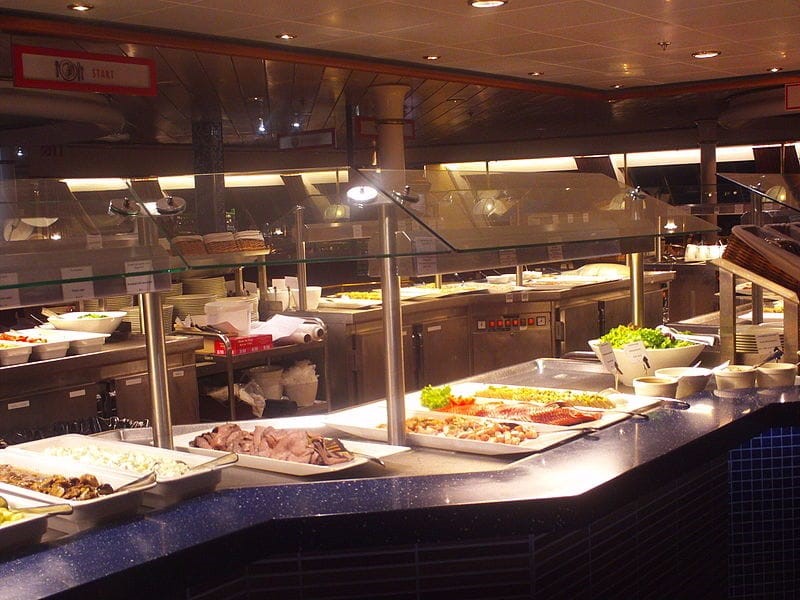
Some events and food service situations may not benefit from instant service or hot and cold held buffet lines, so the Minnesota food code has procedures that allow certified food protection managers to utilize time as public health control (TPHC) to help you keep the food you serve safe, even if you aren’t serving it instantly. Let’s take a moment to review exactly how Certified Food Protection Managers can use TPHC in certain situations.

Buffet use of Time As Public Health Control Tips For certified Food Protection Managers
Image credit: Wikimedia commons

How Certified Food Protection Managers Can Best Use TPHC

Just a quick note before we begin. If you are the certified food protection manager at a facility that serves an immunocompromised or susceptible population, it’s best not to utilize time as a public health control. Assisted living facilities, hospitals, certain school and other outlets that serve a susceptible population should rely on hot and cold holding temperature control. TPHC is technically allowed for food that does not include eggs in some of these situations, but caution may be the best course of action.

The rules behind TPHC control are rather simple, but there are a few steps you must take when using this method. The basics of TPHC are:

  • Hot foods above 135 degrees can be held for four hours after removed from temperature control
  • Cold foods below 41 degrees can be held for four hours after removed from temperature control
  • Cold foods can be held for six hours after being removed from temperature control if the monitored temperature never rises over 70 degrees

Just to summarize time as public health control for CFPM use, any foods pulled out of hot holding above 135 degrees or cold storage below 41 degrees can be held for four hours without hot holding or cold holding. Cold foods can be held up to six hours if temperatures are monitored closely.

Once the holding process begins, it cannot be extended by reheating or chilling items. Once these items have been removed from a temperature controlled environment, your timer starts and cannot be paused or extended by any means. As soon as your four, or six, hours have expired all food must be discarded. It cannot be stored, reheated or served at a later time under any circumstances.

Finally, make sure that you have written TPHC procedures outlined and available should a health inspector wish to review them. It’s also important that every staff member understands the restrictions of TPHC before service begins.

Does your certified food protection manager utilize time as public health control?

Food Safety Training and Salmonella Linked to MN Juice Bar

Last month, the Minnesota Department of Health announced they were investigating a salmonella outbreak linked to Nektar juice bar in Woodbury. At least nine people were sickened, but due to the nature of salmonella there’s a good chance that more patrons were afflicted. Symptoms of the bacteria can sometimes be either too mild to recognize as food poisoning or require medical attention. It should also be noted, that the nine customers stricken with salmonella symptoms reported ordering a variety of items including bowls, smoothies and juices. With such a variety of menu items attributed to this outbreak, the Department of Health has yet to determine the exact ingredient that spread the illness, What food safety training practices could have helped to prevent the recent salmonella outbreak?

What food safety training practices could help prevent salmonella outbreaks?
Image credit: orentodoros via pixabay

Food Safety Training and Equipment Sanitation

While we’re not familiar with the specifics of the case, we do have a possible scenario that may have led to this outbreak which sickened at least nine and hospitalized two. A gap in food safety training when it comes to sanitizing equipment may have been a factor in this outbreak.

In juice bars, the same blender or preparation surface are often used for many different purposes, so there may have been a lack in sanitation in between serving customers. If an ingredient was unknowingly compromised with salmonella bacteria and this bacteria contaminated any piece of equipment or preparation surface then it could have easily spread to other items containing different ingredients. It’s not necessarily required to sanitize every surface that comes into contact with vegetable matter if that surface is going to be used immediately for another type of fruit or vegetable, but it may be a wise precaution. The same goes for equipment such as wand blenders and mixers. If a contaminated leafy green was prepared on a cutting board which was then immediately used to chop carrots, no food safety training principle was violated, but yet salmonella could have spread to an ingredient that was not previously contaminated.

So how do food safety managers prevent these kinds of contamination? Here’s a few brief tips:

  • Sanitize all surfaces after use
  • Invest in more equipment if certain preparation tools are used frequently
  • Take the time to sanitize equipment after every order

It’s important to note that Nektar Juice Bar did do the right thing after this incident came to light. As soon as the outbreak was traced back to their location, they restocked their ingredient supply and took the time to completely sanitize their establishment. Are you prepared to prevent foodborne illness due to equipment contamination?

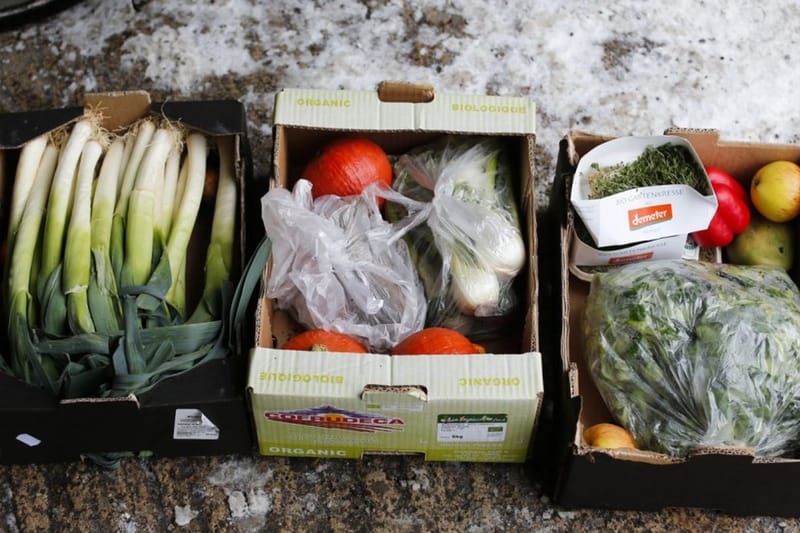
Certified-Food-Managers-Donate-Food-During-Covid-19

Certified Food Managers Can Donate Excess Food During the Covid-19 Slowdown

Now that restaurants, bars and other food producers have been asked to close dining rooms and only offer takeout and delivery, certified food managers are finding that they are not using as much inventory as they once had. What can local businesses do to prevent excess produce, meat and other ingredients in their refrigerators from going to waste? The Minnesota Department of Health has suggested that restaurants and food businesses can donate excess product to charities and programs that provide meals to those in need. So how do certified food managers get in touch with these programs to donate food during the COVID-19 outbreak?

Certified-Food-Managers-Donate-Food-During-Covid-19

How Certified Food Managers Can Help by Donating Food during the COVID-19 Crisis

Donations can not only be a great way to reduce your waste during this time, but also give back to your community. Potential guests will see your willingness to sacrifice during hard times and may order from your establishment once they see your charitable nature.

Beyond raw ingredients, there are a few organizations look for prepared meals whether packaged for reheating or hot and ready to go. Charities such as Hunger Solutions have begun compiling maps of businesses providing free meals for children who would normally rely on schools for breakfast, lunch and sometimes dinner. Besides Hunger Solutions, there are also many other local organizations looking for help from restaurants, too many for us to specifically name here. The Department of Health has provided a list of contacts to help certified food managers find charities in their area who are looking for increased donations during the COVID-19 slowdown.

If you’re considering donating product, meals or even kitchen space, here are a few links to get you started:

Have you considered joining other certified food managers who donate food, labor or kitchen space during the COVID-19 shutdown?