
Posts

seasonal menus

Why a Smart Certified Food Protection Manager Prioritizes Seasonal Menus
As a certified food protection manager in Minnesota, you understand the constant challenge of keeping your menu fresh and engaging. With the turning of the seasons, an opportunity arises not just to update your offerings but to energize diners and improve your operation. This isn’t just a feeling; Technomic research shows that 59% of consumers are more likely to purchase a menu item if it’s described as ‘seasonal’. However, launching a seasonal menu isn’t as simple as just printing a new page. It requires careful planning and a deep understanding of food safety. This is your chance to meet diner expectations while managing costs and ensuring compliance.

A seasonal menu transition, whether in a school cafeteria, a restaurant, or a catering business, affects every part of your operation. It’s a project that requires a manager’s oversight to ensure it’s rolled out safely and profitably.

1. Master Food Code Compliance for New Ingredients

seasonal menu

What’s on your seasonal menu?

Before a single new ingredient enters your kitchen, your first responsibility is compliance. It’s easy to assume that your existing ServSafe or other training covers everything, but new products—especially specialty seasonal items—can introduce new risks. Taking the time to review the Minnesota Food Code is not just recommended; it’s essential for protecting your customers and your establishment.

Understand Specific Handling Requirements

  • Why: Different foods have different critical control points. You can’t handle fresh, unpasteurized cider the same way you handle pasteurized juice, nor do wild-foraged mushrooms have the same receiving protocols as commercially grown ones.

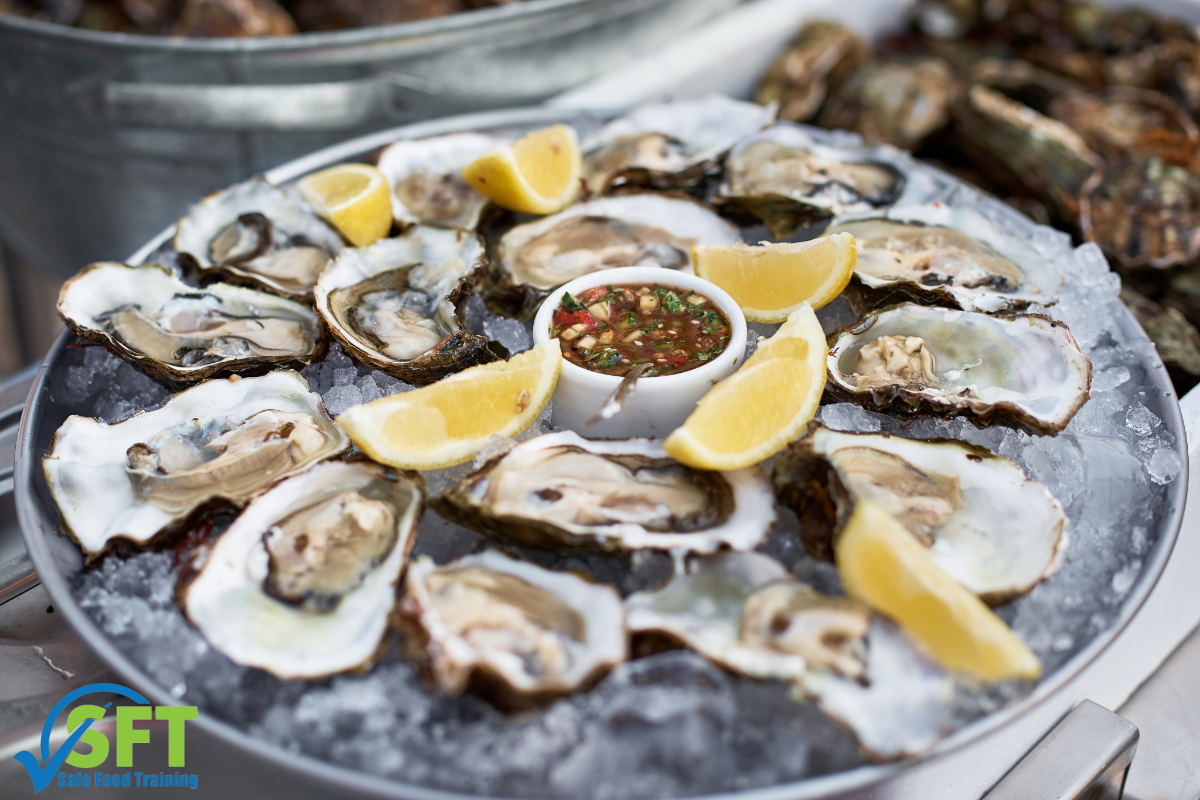
  • Example: Your team must receive training on proper receiving temperatures, shucking procedures, and how to maintain and log shellfish tags to prevent risks such as vibriosis when adding fresh oysters or mussels to a spring menu.

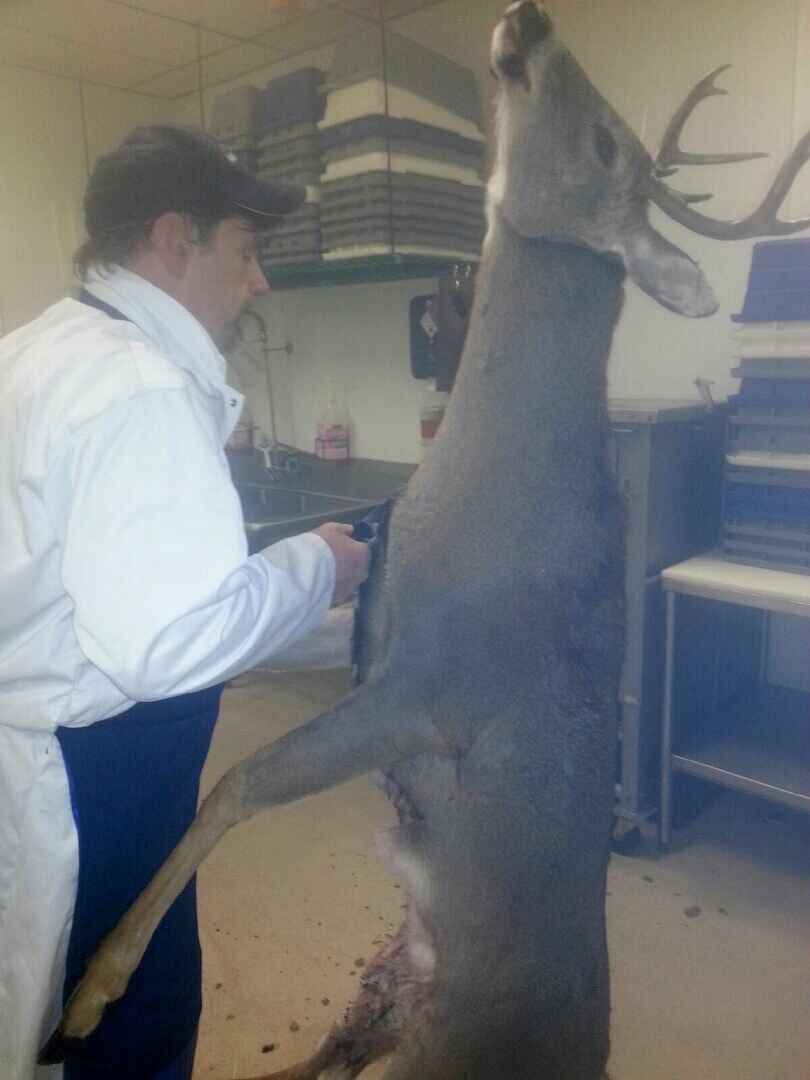
  • Example: Introducing game meats like venison or bison? These may have different sourcing, preparation, and cooking temperature guidelines than standard beef or pork, You must train your staff to handle them.

2. Strategically Adjust Your Inventory and Par Levels

A seasonal menu change directly affects your bottom line by influencing inventory management. Introducing new items and phasing out old ones can lead to significant food waste and shortages if not planned correctly. Waste is a critical cost center, and seasonal changes are a high-risk time for it. Careful adjustment of your product inventory is crucial for profitability.

Prevent Costly Waste

  • Why: Failing to adjust your ordering pars means you’ll be left with cases of ingredients for dishes you no longer serve. This is a direct hit to your food cost percentage. Conversely, under-ordering a popular new item leads to sold-out dishes and disappointed customers.

  • Example: As you plan your new menu, identify ingredients that can be cross-utilized. A seasonal item like asparagus could be a blanched side, a soup base, and a shaved salad ingredient, ensuring you use your full order.

  • Example: If a hearty winter stew is being replaced by a light spring soup, you must create a plan to use up the remaining root vegetables and heavy stocks before the new menu launches. Run them as a special or feature them in a staff meal.

3. The Certified Food Protection Manager’s Secret: The Test Run

seasonal menu

Do you rotate your seasonal menu?

Finally, never launch a new menu blind. A gradual rollout is the safest way to ensure both your kitchen staff and your diners are ready for the change. A “test run” provides invaluable data and reduces the stress of a hard launch, allowing your team to execute new dishes flawlessly and safely.

Gauge Diner Interest

  • Why: What you think will be a best-seller might not resonate with your customers. Testing a dish as a weekend special gives you real-world sales data before you commit to printing it on the menu and ordering ingredient cases.

  • Example: Run your new ‘Spring Pea Risotto’ as a Friday/Saturday special. If it sells out both nights and you get great feedback, it’s a winner. If it barely moves, you’ve saved yourself the cost and hassle of a failed menu item.

Assess Kitchen Workflow

  • Why: A new dish might look great on paper but be a nightmare for your line cooks during a busy service. Does it require a complex new procedure? Does it slow down ticket times? You must find this out before you’re in the weeds on a Friday night.

Rotating your menu seasonally is a powerful strategy to stay relevant and exciting. But for the professional Certified Food Protection Manager, it is also a complex project that balances creativity with rigorous safety and cost-control standards. By prioritizing food code, managing inventory, and testing your new items, you set your team up for a successful and safe transition.
Get Your Food Manager Certification in Minnesota

Ensuring you and your team are prepared for any menu change starts with the right training. Whether you need your initial Certified Food Protection Manager certification or are due for your 3-year recertification, we have the course for you. 

Sign up for a Safe Food Training class today to help your team meet Minnesota food safety standards.

Wild Game Feed Advice For Certified Food Managers

The Ulitmate Wild Game Feed Advice For Certified Food Managers

If it’s hunting season, then the Minnesota tradition of wild game feeds cannot be far behind. Many nonprofit organizations use the events to raise money for their causes and activities. Here’s what certified food managers need to know about cooking at wild game feeds.

Wild Game Feed Advice For Certified Food Managers
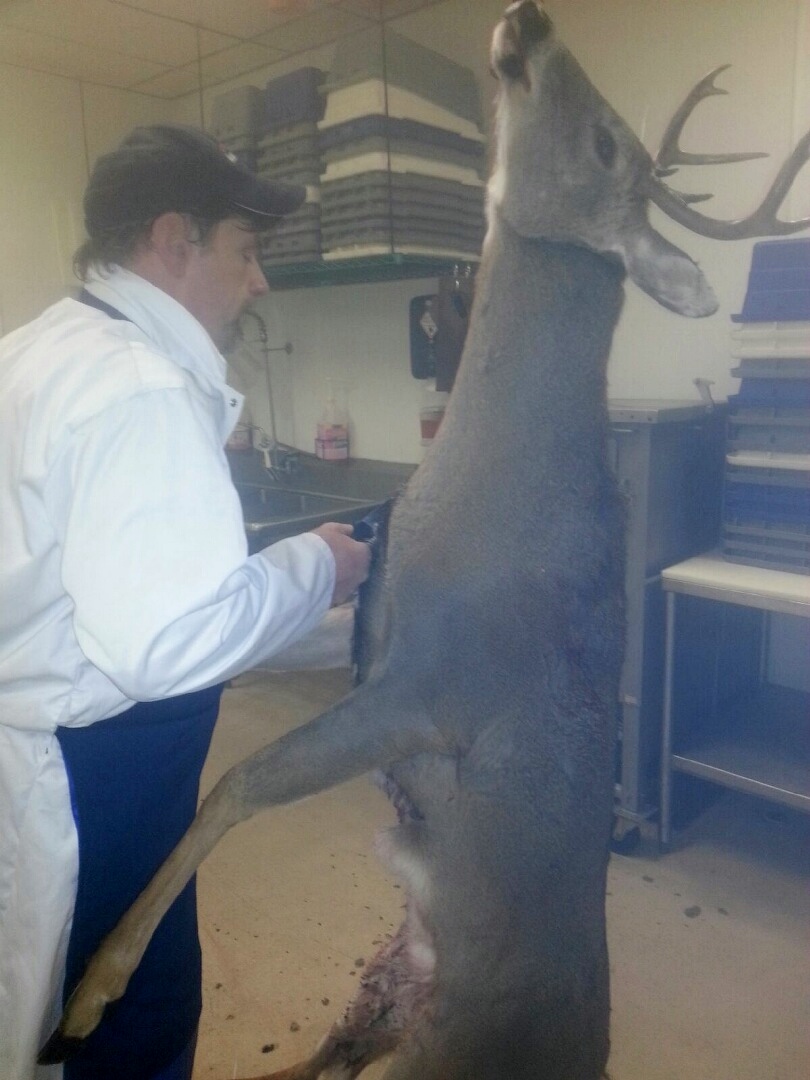
Image Credit: Brothers Meat & Seafood in Maple Grove, MN

Certified Food Managers Running Wild Game Feeds For Non-Profits

In Minnesota, only nonprofit organizations can hold wild game dinners. These groups rely on donations from hunters. Meats may include deer, elk, bear, and wild boar. Wild game also includes pheasant, duck, goose, and wild turkey. Fishermen donate salmon and trout. To receive pure game, it is necessary that:

  • No sausage or ground venison is included
  • Only legally hunted or fished game is included
  • The hunter eviscerates the game within two hours of harvesting

Receipts

A receipt with the names and addresses of the donor and recipient must accompany the donated game. Other pertinent information includes the vehicle’s license plate used at the hunt and a description of the gift, including numbers and species.

Storing Wild Game

Planning for wild game feeds begins months ahead of time. It’s essential to store the meat safely until it’s cooked. Check how the hunter has stored the harvest before bringing it to the event organizers.

Food Preparation

Often, volunteers will cook the donated wild game. They’ll use traditional family recipes, incorporate the game into a casserole or taco filling, or try various ways to create something new. All standard food safety requirements apply. Wild game must always be cooked to a temperature of at least 165 degrees.

Chronic Wasting Disease (CWD)

CWD is of particular concern when preparing deer or elk. CWD is a fatal disease affecting deer and elk’s brain and nervous system. Abnormally shaped proteins, called prions, are the cause. Prions have not been detected in muscle meat. There is no proof that humans can contract CWD. Nevertheless, the Minnesota Department of Health suggests that individuals should only prepare boneless cuts of venison. The backbone should never be split during venison processing.

Sanitation

Finally, keeping wild game separate from other foods during food preparation is important. The Minnesota Department of Health requires certified food managers to prepare a written statement of sanitation procedures used at every wild game feed event.

Food managers need to be knowledgeable of many different issues and topics to ensure the safety of their operations and qualify for food safety certification MN. Safe Food Training courses prepare you to pass the certification exam and run safe events like wild game feeds.

Advantages of NRFSP Food Manager Certification

The Truth About NRFSP Food Manager Certification

Minnesota food manager certification is required by many restaurants and institutional kitchens. However, there is often some confusion as to the differences between NRFSP certification, ServSafe training, and the standard food workers permit classes. At Safe Food Training, we focus on offering the National Registry of Food Safety Professionals -NRFSP food manager certification.

Advantages of NRFSP Food Manager Certification

While we are able to offer other certification classes upon request, we feel that there are certain advantages to the current NRFSP program of study:

  • National recognition
  • More in-depth education concerning contaminates
  • Most courses include allergen awareness.
The Truth About NRFSP Food Manager Certification?

The certification classes that we offer are endorsed by NRFSP and recognized by the MN Department of Health. This dual recognition means the training that meets Minnesota standards will still have value if you move to a different jurisdiction. There may be some states that require you to retake the certification test locally. Even so, many employers will see your training as an attractive asset on your resume.

The next item on our list can be a valuable addition to your knowledge of food-borne illnesses. The training for basic food workers teaches that bacteria causes food-borne illness. During food manager certification training, you’ll learn about different types of contaminants and their origins. This information will help you more fully understand why bacteria spreads in certain food products. It will also give you a better insight into the consequences of improperly prepared food.

With a growing concern for food allergies, preventing cross-contamination is also crucial for the safety of sensitive guests. The current training sessions will cover food allergens and biological toxins that exist in certain foods such as shellfish. This heightened awareness of how to handle common allergy risks will help you keep guests from having a reaction to these food groups.

Two Certification Options Available Through Safe Food Training

In-person NRFSP Food Manager Certification Class

There are two ways that you can gain your certification from Safe Food Training. It’s possible to take an instructor lead class. You’ll have access to an educated and engaging teacher who can answer any questions during the training. Alternatively, you can take online food safety training if you prefer independent study.

With multiple endorsements available, we’d like to know your thoughts as to which certification classes have benefited you the most. Are there any training sessions that you have found to be more informative that others? We’d love to hear your stories.

MN certified food protection manager CFPM

Simplified Reasons For MN Certified Food Protection Manager Training

Minnesota law requires most food establishments to employ a Certified Food Protection Manager (CFPM) to prevent foodborne illness and ensure public safety. Safe Food Training offers both personalized 8-hour initial certification courses and 4-hour continuing education renewals to help you meet these state standards. Whether you choose our 

distraction-free in-person classes or flexible online options, we ensure your MN food license remains compliant.

What are the worst messages you could get when opening your kitchen for the Thursday lunch shift? You could be dealing with a broken walk-in cooler or a supplier who shorted your produce order. But the absolute worst message is multiple customers calling to report they’re doing the “Pepto Bismol dance” after eating your Wednesday daily special.

Beyond the immediate panic and guilt, a single foodborne illness incident can devastate your business’s reputation. To prevent these embarrassing and costly situations, the Minnesota Department of Health (MDH) and the Minnesota Department of Agriculture (MDA) mandate that most food establishments employ a Certified Food Protection Manager (CFPM).

The Real Cost of Food Safety Lapses

illness reporting in MN

Do you know the rules for illness reporting?

Food safety isn’t just about passing your routine health inspection; it’s about protecting your community and your financial investment. In a recent study by the USDA Economic Research Service, the total cost of the leading U.S. foodborne illnesses was estimated at over $17.6 billion annually.


For a local Minnesota business—whether you’re running a busy diner in St. Paul or a school cafeteria in Duluth—the costs of an outbreak include:

  • Severe Revenue Loss: A “closed by health department” sign stops traffic instantly, and bad online reviews linger for years.
  • Legal and Insurance Costs: Potential lawsuits from affected customers will immediately spike your liability insurance premiums.
  • Licensing Risks: Failure to have a CFPM on staff can result in state-issued citations, fines, or a complete license suspension.

Minnesota CFPM Requirements at a Glance

certification

Choose how you learn best.

Navigating state regulations doesn’t have to be a headache. Here’s exactly what Minnesota requires for your certification:


Requirement

Details

Initial Certification

Must complete an approved 8-hour course and pass an accredited exam.

Renewal Cycle

Your Minnesota CFPM certificate expires every three years.

Continuing Education

4 hours of approved continuing education (CE) training is required for renewal prior to expiration.

State Registry Application

After passing your exam or completing CE, you must submit an application and fee to the MN Department of Health to get your official state certificate.

The "Choice" Narrative: In-Person vs. Online Training

At Safe Food Training, we know that food safety shouldn’t be a generic, one-size-fits-all experience. Restaurant managers have different learning styles and schedules, which is why we emphasize your choice in how you train.

The In-Person Advantage: We highly recommend our in-person training. Stepping out of your restaurant into a distraction-free environment drastically increases your focus and your exam pass rate. It allows for direct interaction, letting you ask specific questions about cooling a 5-gallon batch of chili or calibrating bimetallic stemmed thermometers.

The Online Flexibility: If you’re managing multiple locations or simply can’t leave the kitchen for a full day, our online training options provide the critical flexibility you need to learn on your own schedule while still meeting state requirements.

The Backend is Serious Business

Designers set the mood in the front of the house with lighting, furniture, and music. But the back of the house is serious business. Led by Jeff Webster, Safe Food Training brings years of real-world industry experience to the classroom. We cover vital, tangible best practices, including:

Training for you and your team-salad prep

Training for you and your team.

  • Temperature Control: Mastering the “Danger Zone” and Safe Cooling Parameters.
  • Cross-Contamination: Strict protocols for separating raw poultry from ready-to-eat foods during prep.
  • Employee Hygiene: Enforcing strict handwashing and health reporting policies for sick employees.

Requiring your kitchen managers to get and maintain their food safety certification is one of the best investments an owner can make.

Frequently Asked Questions (Q&A)

Navigating state regulations can sometimes feel overwhelming, so I’ve put together answers to some of the most common questions we get from Minnesota kitchen managers.

Q: How often must I complete continuing education to maintain my food safety certification in Minnesota?

A: In Minnesota, you must renew your certified food protection manager license by completing 4 hours of continuing education every three years.

Q: How will I know when it's time to renew my certification?

A: As a valued client of Safe Food Training, you don’t have to worry about tracking your renewal date. We provide timely reminders for the three-year renewal cycle to ensure you complete your required continuing education before your certification expires.

Q: I just need continuing education credits. Do I have to take the full 8-hour course?

A: No, you don’t. We offer dedicated continuing education training specifically for professionals who need to fulfill Minnesota’s renewal requirements.

Q: What happens if I don't pass the Certified Food Protection Manager exam on my first attempt?

A: We’re dedicated to your success. If you don’t pass the exam on your first try, we offer a retake of the course and exam at one of our regularly scheduled sessions.

Q: What does "personalized training" actually mean?

A: We focus on creating a convenient and effective learning experience that fits your specific needs. Led by Jeff Webster, we discuss the food safety challenges relevant to your unique operation—whether you’re in a school cafeteria, a large restaurant, or a catering business.

Protect Your Kitchen, Protect Your Business

commercial kitchen

Sign up for the next available class today!

Don’t leave your restaurant’s reputation to chance or wait until a health inspector knocks on your door to check your credentials. Whether you need your initial certification or it’s simply time for your three-year renewal, we’re here to make the process straightforward and stress-free.

Ready to secure your Minnesota food license? Register for an upcoming course today!