Posts
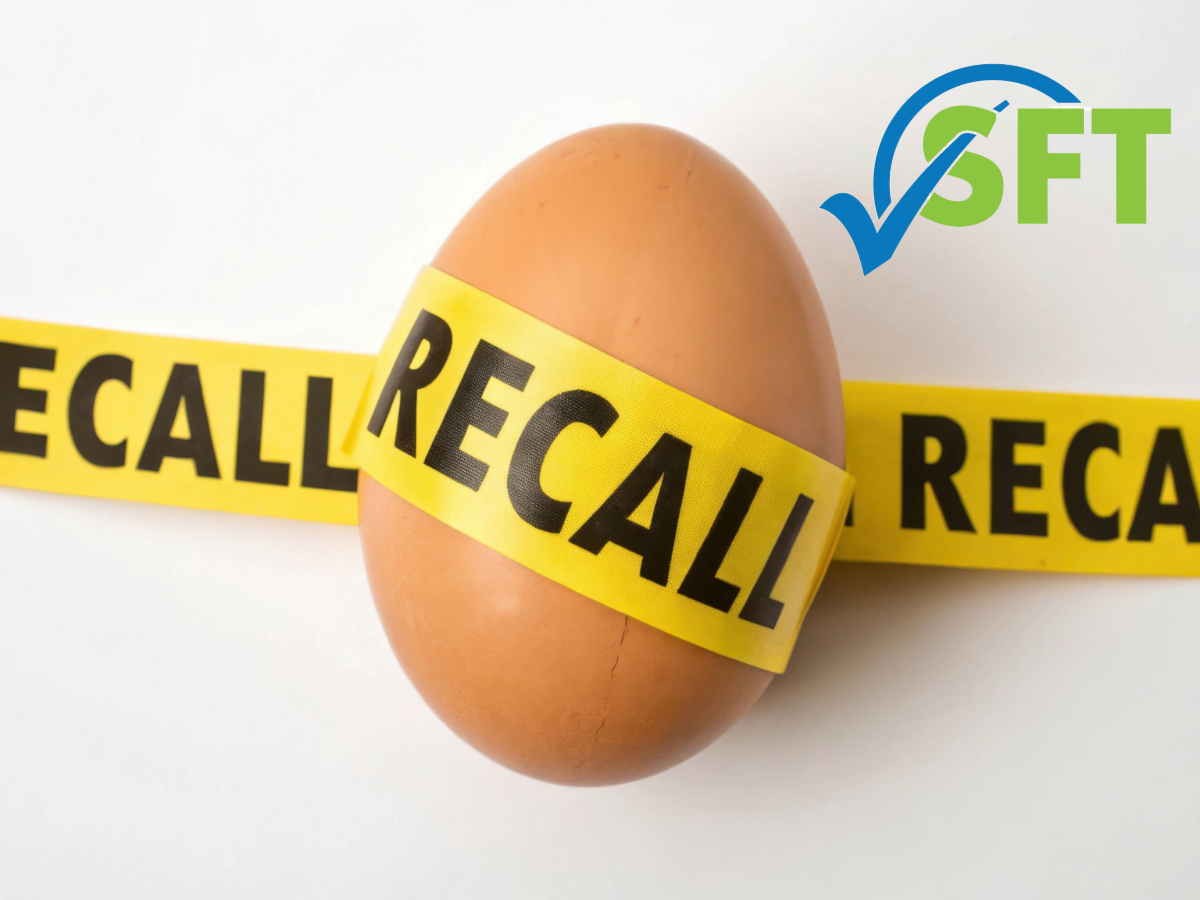
RECALL ALERT! Egg-Cellent Food Safety Advice For the Rash of Recalls
/0 Comments/in Safe Food Training MN/by Jeff WebsterA recent Salmonella outbreak linked to recalled eggs has already caused over 130 illnesses and at least one death across ten states, making rigorous Minnesota food safety protocols more critical than ever. As a food professional, you know that your customers’ trust is the most vital ingredient in your business. With a recent surge in product recalls in the news, this guide provides the essential advice you need to navigate the complexities of a product recall, protect your patrons, and reinforce your commitment to the highest standards of food handling.
A recall isn’t just a news alert; it represents a real and present danger. Understanding the stakes is the first step toward building a more resilient food safety culture.
Understanding the Threat: The Real-World Impact of Recalls

- Public Health Is on the Line: The recent Salmonella outbreak is a stark reminder that recalls are issued because products can cause serious harm. Each statistic represents an individual who fell ill after eating at an establishment they trusted.
- Vulnerable Populations Are at a Greater Risk: Foodborne pathogens can cause severe illness, especially in young children, older adults, and individuals with compromised immune systems. Your role in preventing their exposure is critically important.
- Your Reputation Is Your Business: A single foodborne illness incident traced back to your establishment can cause irreparable damage to your reputation. Maintaining compliance with Minnesota’s food safety laws isn’t just about passing inspections; it’s about upholding the trust that keeps your doors open.
Your Minnesota Food Safety Checklist for a Recall
Once you learn of a recall, you must act swiftly and precisely to contain the threat. Vague assumptions are not enough—you need a clear, systematic process for responding. This checklist can help you manage the situation effectively.
Identify and Isolate
First, determine if the recalled product is in your facility. Time is of the essence.
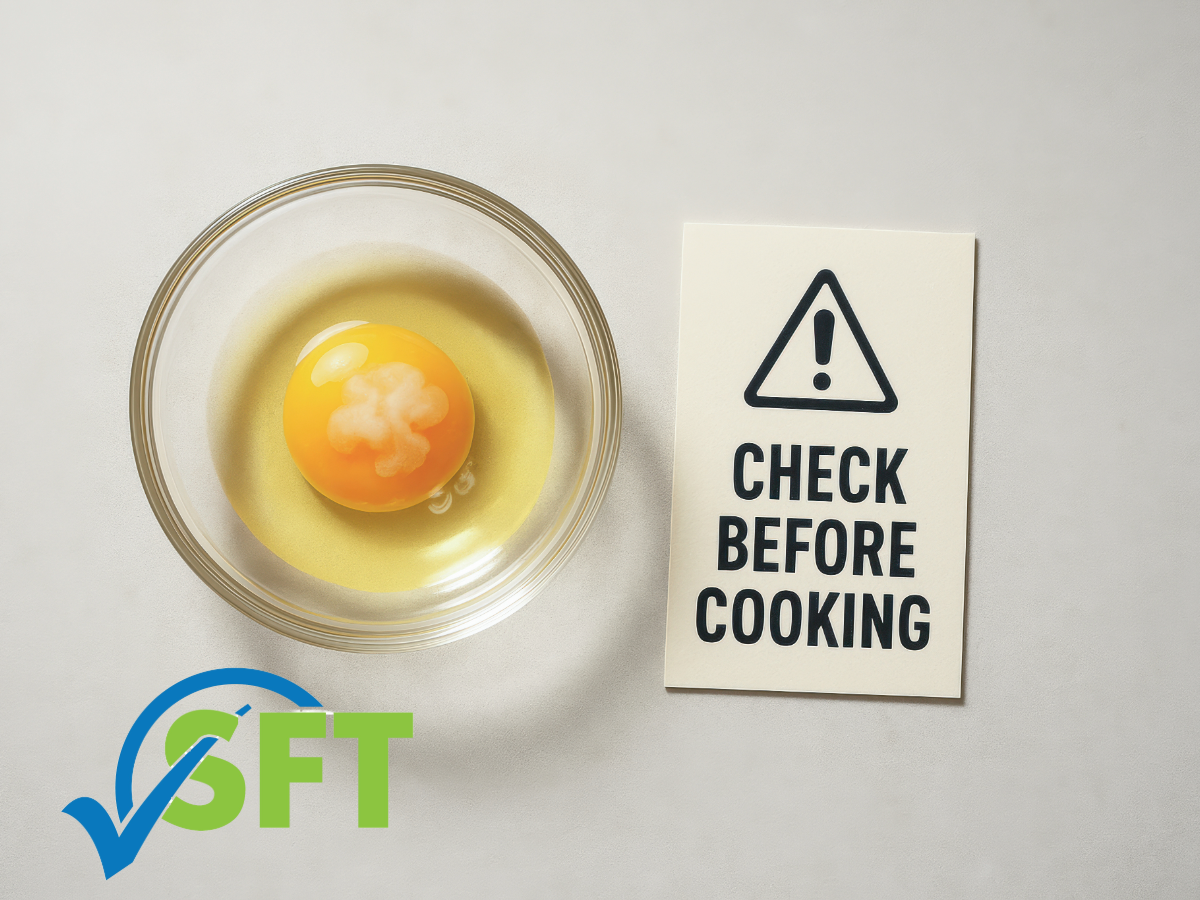
- Check Your Inventory: Compare your stock immediately against the recall notice. Check for specific brand names, plant codes, and expiration or lot dates. The recent egg recall, for example, listed specific plant codes and Julian dates to help identify affected batches.
- Segregate and Label: If you find a recalled product, isolate it from all other foods and equipment to prevent cross-contamination. Move it to a secure, designated area and label it clearly with a sign like, “DO NOT USE—RECALLED PRODUCT.”
Clean and Sanitize
Proper disposal and sanitation are essential to eliminate the pathogen from your environment.
- Follow Disposal Guidelines: Discard the recalled product according to health authority recommendations. The CDC warns retailers must remove recalled products from sale and properly dispose of them to prevent consumption.
- Conduct a Deep Clean: Thoroughly wash, rinse, and sanitize all surfaces and equipment that may have come into contact with the recalled items. This includes refrigerators, storage racks, countertops, cutting boards, utensils, and even employee aprons.
Ready to renew your certification for a food safety manager in Minnesota? Register today!
Proactive Prevention: Strengthening Your Food Handling Protocols
The best way to handle a recall is to have strong preventive systems already in place. Use this event as an opportunity to review and reinforce your food safety procedures, transforming a reactive moment into a proactive strategy.
Refine Supplier and Receiving Practices
Your food is only as safe as its source.
- Partner with Trusted Suppliers: Work exclusively with reputable suppliers who can provide documentation of their food safety practices and third-party audits.
Keep Meticulous Records: Implement a “first-in, first-out” (FIFO) system and maintain detailed receiving logs for all deliveries. Proper documentation enables rapid traceability, allowing you to pinpoint a product’s origin in minutes, not days.
Invest in Continuous Team Training
A well-trained team is your ultimate defense against foodborne illness.
- Make Training an Ongoing Priority: Food safety is not a one-time event. Regular training sessions ensure your staff is always current on best practices, from proper handwashing and cross-contamination prevention to recognizing the symptoms of foodborne illness.
- Stay Current with State Requirements: In Minnesota, certified food protection managers are required to complete continuing education every three years to renew their certification. This requirement is a valuable opportunity to refresh your team’s knowledge and reinforce your commitment to excellence.
Ultimately, recalls and outbreaks serve as critical reminders of the responsibilities you carry as a food professional. Taking decisive action during a recall and committing to continuous improvement are the hallmarks of a truly safe operation. Protecting public health is the cornerstone of Minnesota food safety, and investing in your team’s education is the most effective way to honor that commitment.
Don’t wait for the next recall to strengthen your defenses. Whether you are pursuing an initial certification or need to fulfill your three-year continuing education requirements, Safe Food Training offers personalized, instructor-led options in Minnesota to ensure you and your team are prepared. Protect your customers and your reputation by registering for a course today.
Why Raw Eggs are Refrigerated in the United States
/0 Comments/in Government Guidance, MN Food Code/by Jeff WebsterAs a certified food safety manager in Minnesota, you handle dozens of ingredients every day, but few have a more interesting story than the simple egg. A common question we hear about why you need to store eggs in the cooler in the United States, while they often sit on the counter in European homes. Understanding the answer is a fascinating lesson in microbiology and a critical component of Minnesota food safety.
It highlights the different yet effective paths countries take to protect consumers from foodborne illnesses. The core of the issue isn’t just a preference. Instead, it’s a regulated process centered on preventing the growth of bacteria, particularly Salmonella.
Why the U.S. Mandates Egg Refrigeration
In the United States, the journey of an egg from the farm to your kitchen involves a mandatory washing process. The purpose of this regulation from the USDA is to remove dirt, fecal matter, and other contaminants from the shell’s surface. While this cleaning makes the egg look pristine, it also removes a natural, invisible protective layer called the cuticle or bloom.
This is where refrigeration becomes essential. Without the cuticle, the eggshell is more porous and susceptible to bacteria entering. To counteract this vulnerability, they enforce a strict “cold chain.”
- The purpose of washing: The goal is to reduce potential surface contaminants immediately. However, this process sacrifices the egg’s natural, self-sealing barrier.
- The Role of the Cuticle: This thin coating, deposited on the egg just before it’s laid, seals the pores of the shell, preventing air and bacteria from getting inside.
The USDA Mandate: To mitigate the risk after the cuticle is washed away, federal guidelines require eggs to be refrigerated to below 45°F shortly after being laid and kept at that temperature through transport and storage.
Your Role in Upholding Minnesota Food Safety in Your Kitchen
While national regulations set the stage, your handling practices are where you can maintain safety. For a certified food safety manager in Minnesota, treating eggs with care is a daily responsibility that protects your customers and your establishment’s reputation. It’s about translating regulatory knowledge into consistent kitchen practice.
Applying these principles correctly is a non-negotiable part of professional food service.
- Receiving and Inspection: When you get an egg delivery, your first step is to verify that they’re clean, uncracked, and have been transported at the correct temperature. Reject any cartons that feel warm or show signs of damage.
- Proper Storage Technique: Always store eggs in their original carton in the main body of the refrigerator. Storing them in the refrigerator door, where the temperature fluctuates with every opening, can compromise their safety and quality.
- The Two-Hour Rule: This is a critical control point. Never leave refrigerated eggs at room temperature for over two hours. After this time, the risk of harmful bacterial growth increases significantly.
Beyond Eggs: The Principle of Temperature Control
The science behind refrigerating eggs is a perfect illustration of a broader food safety principle every certified food safety manager knows well: temperature control for safety (TCS) foods. The same diligence you apply to eggs should extend to all perishable items in your kitchen, from dairy and meat to cut melons and cooked starches. Mastering this is fundamental for anyone seeking a food safety certification MN.
Understanding how time and temperature affect various foods is the mark of a well-trained professional.
- The Temperature Danger Zone: Remember that bacteria thrive in the “danger zone” between 41°F and 135°F. Your goal is to keep TCS foods out of this range as much as possible.
- Consistent Monitoring: Regularly logging the temperatures of your coolers and freezers should be a habit. This documentation is crucial for health inspections and internal quality control.
- Knowledge is Protection: A deep understanding of which foods are TCS and how to handle them is a key part of continuing education in food safety and the most effective tool you have to prevent foodborne illness.
Mastering these food safety principles is fundamental to protecting public health and building a trusted reputation in our state. It’s the shared responsibility of every food professional to ensure the highest standards of Minnesota food safety.
Whether you and your team are seeking initial certification or need to fulfill your three-year continuing education requirements, we offer personalized, instructor-led options right here in Minnesota. Contact Safe Food Training today or book your course to demonstrate your commitment to excellence.
Why a Smart Certified Food Protection Manager Prioritizes Seasonal Menus
/0 Comments/in Safe Food Training MN/by Christine DantzAs a certified food protection manager in Minnesota, you understand the constant challenge of keeping your menu fresh and engaging. With the turning of the seasons, an opportunity arises not just to update your offerings but to energize diners and improve your operation. This isn’t just a feeling; Technomic research shows that 59% of consumers are more likely to purchase a menu item if it’s described as ‘seasonal’. However, launching a seasonal menu isn’t as simple as just printing a new page. It requires careful planning and a deep understanding of food safety. This is your chance to meet diner expectations while managing costs and ensuring compliance.
A seasonal menu transition, whether in a school cafeteria, a restaurant, or a catering business, affects every part of your operation. It’s a project that requires a manager’s oversight to ensure it’s rolled out safely and profitably.
1. Master Food Code Compliance for New Ingredients
Before a single new ingredient enters your kitchen, your first responsibility is compliance. It’s easy to assume that your existing ServSafe or other training covers everything, but new products—especially specialty seasonal items—can introduce new risks. Taking the time to review the Minnesota Food Code is not just recommended; it’s essential for protecting your customers and your establishment.
Understand Specific Handling Requirements
- Why: Different foods have different critical control points. You can’t handle fresh, unpasteurized cider the same way you handle pasteurized juice, nor do wild-foraged mushrooms have the same receiving protocols as commercially grown ones.
- Example: Your team must receive training on proper receiving temperatures, shucking procedures, and how to maintain and log shellfish tags to prevent risks such as vibriosis when adding fresh oysters or mussels to a spring menu.
- Example: Introducing game meats like venison or bison? These may have different sourcing, preparation, and cooking temperature guidelines than standard beef or pork, You must train your staff to handle them.
2. Strategically Adjust Your Inventory and Par Levels
A seasonal menu change directly affects your bottom line by influencing inventory management. Introducing new items and phasing out old ones can lead to significant food waste and shortages if not planned correctly. Waste is a critical cost center, and seasonal changes are a high-risk time for it. Careful adjustment of your product inventory is crucial for profitability.
Prevent Costly Waste
- Why: Failing to adjust your ordering pars means you’ll be left with cases of ingredients for dishes you no longer serve. This is a direct hit to your food cost percentage. Conversely, under-ordering a popular new item leads to sold-out dishes and disappointed customers.
- Example: As you plan your new menu, identify ingredients that can be cross-utilized. A seasonal item like asparagus could be a blanched side, a soup base, and a shaved salad ingredient, ensuring you use your full order.
- Example: If a hearty winter stew is being replaced by a light spring soup, you must create a plan to use up the remaining root vegetables and heavy stocks before the new menu launches. Run them as a special or feature them in a staff meal.
3. The Certified Food Protection Manager’s Secret: The Test Run
Finally, never launch a new menu blind. A gradual rollout is the safest way to ensure both your kitchen staff and your diners are ready for the change. A “test run” provides invaluable data and reduces the stress of a hard launch, allowing your team to execute new dishes flawlessly and safely.
Gauge Diner Interest
- Why: What you think will be a best-seller might not resonate with your customers. Testing a dish as a weekend special gives you real-world sales data before you commit to printing it on the menu and ordering ingredient cases.
- Example: Run your new ‘Spring Pea Risotto’ as a Friday/Saturday special. If it sells out both nights and you get great feedback, it’s a winner. If it barely moves, you’ve saved yourself the cost and hassle of a failed menu item.
Assess Kitchen Workflow
- Why: A new dish might look great on paper but be a nightmare for your line cooks during a busy service. Does it require a complex new procedure? Does it slow down ticket times? You must find this out before you’re in the weeds on a Friday night.
Rotating your menu seasonally is a powerful strategy to stay relevant and exciting. But for the professional Certified Food Protection Manager, it is also a complex project that balances creativity with rigorous safety and cost-control standards. By prioritizing food code, managing inventory, and testing your new items, you set your team up for a successful and safe transition.
Get Your Food Manager Certification in Minnesota
Ensuring you and your team are prepared for any menu change starts with the right training. Whether you need your initial Certified Food Protection Manager certification or are due for your 3-year recertification, we have the course for you.
Sign up for a Safe Food Training class today to help your team meet Minnesota food safety standards.
About Us
Recent Posts
- Farm-Fresh vs. Store-Bought Eggs: An Easter Food Safety Guide
- The Essential Guide to CFPM Requirements for Minnesota Food Trucks
- Keep it Under Wraps: The Truth About Hair Restraints in MN
- Is Your Kitchen in the Danger Zone? A Guide to Precision Temperature Control
- When Can a Sick Employee Return to Work? The MN Food Manager’s Guide to Illness Reporting