Your grease traps and hood vent filters must be emptied regularly. Cleaning the areas where grease collects is vital to prevent grease overflow. Food safety is the prime reason we discuss grease contamination in ServSafe Managers training courses and we want to provide tips for grease collection sanitation.
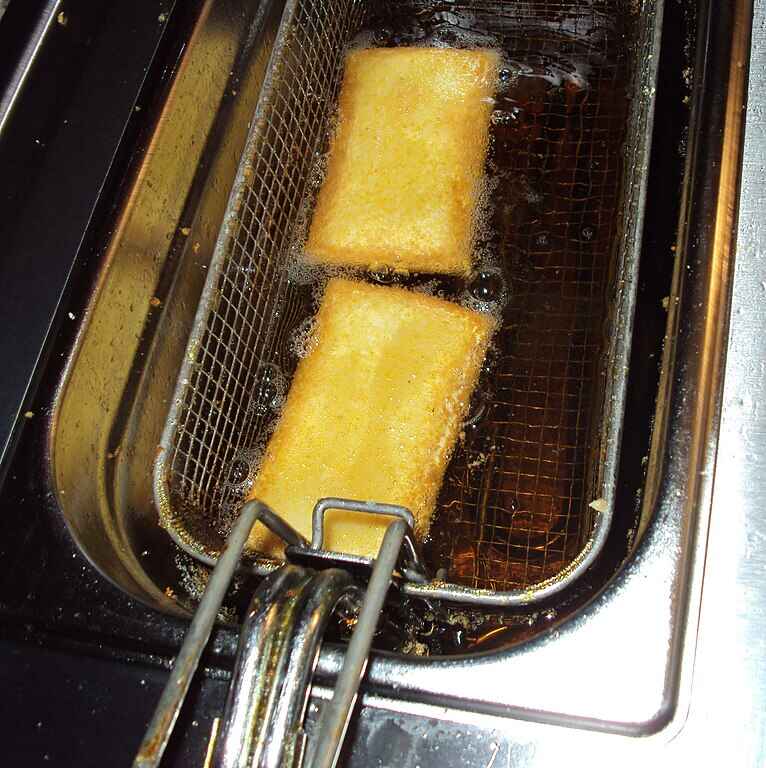
Grease collects on the outside of your deep fryers, and the traps on your flattop grill. In addition, it can also build up in the filters of your hood vent system. It can potentially create food hazard risks by:
First, grease attracts three common kitchen pests. Greasy areas are a preferred food source and breeding grounds for fruit flies, common flies and cockroaches. Fruit flies can become especially troublesome. They can gain sanctuary in greasy areas and spread to the rest of your facility.
One common misconception ServSafe Managers have with grease collection sanitation is since it has already been heated on the stovetop or grill, it cannot be a severe foodborne illness risk. The grease in your traps and hood vents contains elements of the food that you have cooked and essentially lives in the danger zone 24 hours a day. Basically, if you have excessive grease anywhere in your facility, you have created perfect growing conditions for bacteria that can potentially end up in your guest’s food.
There are simple solutions ServSafe Managers can use to keep food safe from grease contamination. First, empty and clean your traps a vent filters often. Secondly, make sure that your overhead hood vent filters are completely dry before replacing them. Allowing water to drip from them onto your cooking surface can create safety hazards above deep fryers and cross contamination issues if the water drips onto food. Lastly, take the time each day to clean areas where fryer oil and other greasy food components are prepared. This will prevent buildup and make thorough cleaning easier.
Like many foodborne illness concerns, simple sanitation is the easiest was to keep your guests safe. What simple tasks do you feel are important to prevent small issues from becoming major problems?
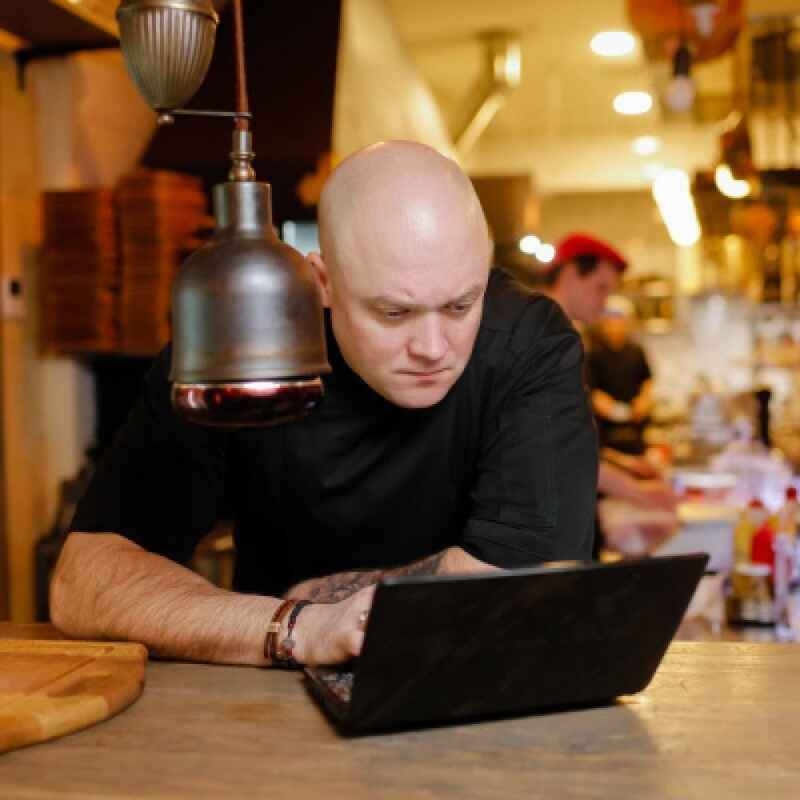
The operation logs in most food production outlets are typically reserved for management communications. However, we believe that regular written communication between certified food managers and staff, such as a daily log, can be highly effective in promoting food safety and increasing productivity.
Image Credit: lyashenko via 123rf
As a MN certified food manager, you are often busy and may not be able to address issues immediately. Sometimes, simply being informed that there is a problem is insufficient. It is important to keep a record of issues. Important concerns will not be overlooked or put on the back burner in this way. They will not be forgotten. There may also be times when an issue arises when you are not at work. A daily log provides the opportunity for your staff to let you know what is happening rather than leaving a problem unaddressed. The three categories that we think are important for your staff to document are:
It is essential for your staff to understand that they cannot ignore food safety concerns. Giving them the responsibility to alert a supervisor and record the problem will help them fully understand food safety procedures. It is essential for your staff to understand that they cannot ignore food safety concerns.
There are many times in this business when a refrigerator stops working. The fan in an oven quits or a deep fryer fails to hold a consistent temperature. There may be warning signs indicating that something is wrong with your equipment, but you might not receive notification until it is too late. If your staff could record abnormal equipment performance. You may be able to take care of the problem with an easy repair. This will save you money instead of spending it on replacing your expensive equipment.
The last item is a vital one to monitor in your establishment. Your staff will feel comfortable and secure if they understand that you care about their working conditions. While employee safety should be addressed immediately, it is a good idea to give your employees an outlet to express their concerns when you are not on the clock.
There are many other uses for a daily log in the food industry. Many establishments use them as a communication tool. The opening and closing crews use the tool for communications. The outlets with multiple managers also use it to keep on the same page. At Safe Food Training, we would like to hear how you use your daily log to improve the way your business operates.
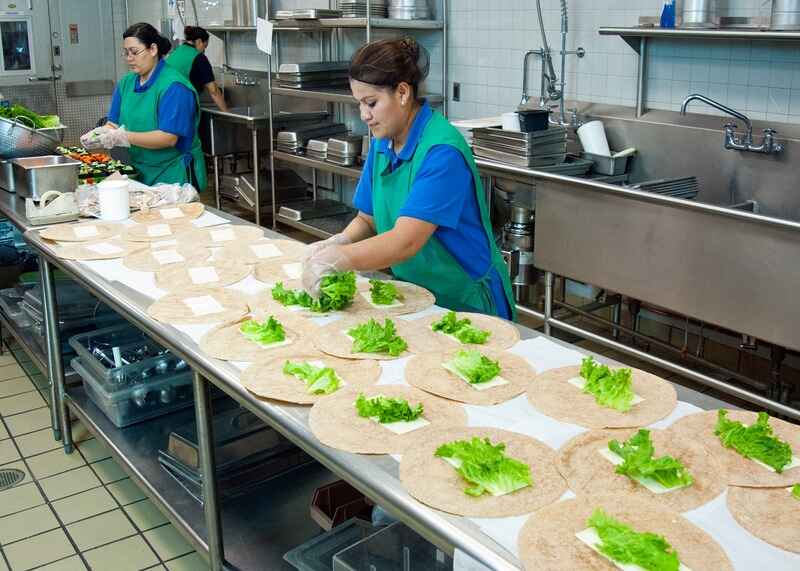
The current food code clearly states what is acceptable and what is not, but there are certain regulations where there may not be a clear definition of nuances. One such rule that a Certified Food Protection Manager- CFPM must be prepared to enforce is the no bare hand contact rule.
This rule came to the forefront of food safety news earlier this year when California restaurateurs fought to repeal the ban on bare hand contact with ready-to-eat foods. It is important to understand how to properly comply with this rule in our state.
Image credit: Free Images on Pixabay
Certified food protection managers can teach several alternatives to handling ready-to-eat food with bare hands.
The most common of these options is to require food handlers to use gloves. The most commonly used types of gloves currently used are either latex or vinyl. Due to potential allergies, 5 states have passed legislation to ban the use of latex products in food service and other industries. Expect this trend to continue as other states are sure to follow suit. At present both latex and vinyl gloves are acceptable in MN. However, it is likely that health department inspectors will recommend vinyl at the next visit.
While gloves are preferred, deli tissue can be used at service counters or in situations where constant glove changing would be necessary. Hot foods require the use of utensils.
Since the implementation of the no bare hands rule, the health department has noticed a downward trend in proper hand-washing procedures. A CFPM needs to provide their employees with proper education concerning no bare hand contact and hand washing. Here are a few points that should be monitored.
These are three simple things that certified food production managers may overlook as glove use increases. Along with the current trend to ban latex, another potential increase in bare hand contact regulations may be to require that gloves be worn at all times whether with ready-to-eat foods, raw foods, or utensils that may come in contact with food products.