MN certified food protection manager CFPM

Simplified Reasons For MN Certified Food Protection Manager Training

Minnesota law requires most food establishments to employ a Certified Food Protection Manager (CFPM) to prevent foodborne illness and ensure public safety. Safe Food Training offers both personalized 8-hour initial certification courses and 4-hour continuing education renewals to help you meet these state standards. Whether you choose our 

distraction-free in-person classes or flexible online options, we ensure your MN food license remains compliant.

What are the worst messages you could get when opening your kitchen for the Thursday lunch shift? You could be dealing with a broken walk-in cooler or a supplier who shorted your produce order. But the absolute worst message is multiple customers calling to report they’re doing the “Pepto Bismol dance” after eating your Wednesday daily special.

Beyond the immediate panic and guilt, a single foodborne illness incident can devastate your business’s reputation. To prevent these embarrassing and costly situations, the Minnesota Department of Health (MDH) and the Minnesota Department of Agriculture (MDA) mandate that most food establishments employ a Certified Food Protection Manager (CFPM).

The Real Cost of Food Safety Lapses

illness reporting in MN

Do you know the rules for illness reporting?

Food safety isn’t just about passing your routine health inspection; it’s about protecting your community and your financial investment. In a recent study by the USDA Economic Research Service, the total cost of the leading U.S. foodborne illnesses was estimated at over $17.6 billion annually.


For a local Minnesota business—whether you’re running a busy diner in St. Paul or a school cafeteria in Duluth—the costs of an outbreak include:

  • Severe Revenue Loss: A “closed by health department” sign stops traffic instantly, and bad online reviews linger for years.
  • Legal and Insurance Costs: Potential lawsuits from affected customers will immediately spike your liability insurance premiums.
  • Licensing Risks: Failure to have a CFPM on staff can result in state-issued citations, fines, or a complete license suspension.

Minnesota CFPM Requirements at a Glance

certification

Choose how you learn best.

Navigating state regulations doesn’t have to be a headache. Here’s exactly what Minnesota requires for your certification:


Requirement

Details

Initial Certification

Must complete an approved 8-hour course and pass an accredited exam.

Renewal Cycle

Your Minnesota CFPM certificate expires every three years.

Continuing Education

4 hours of approved continuing education (CE) training is required for renewal prior to expiration.

State Registry Application

After passing your exam or completing CE, you must submit an application and fee to the MN Department of Health to get your official state certificate.

The "Choice" Narrative: In-Person vs. Online Training

At Safe Food Training, we know that food safety shouldn’t be a generic, one-size-fits-all experience. Restaurant managers have different learning styles and schedules, which is why we emphasize your choice in how you train.

The In-Person Advantage: We highly recommend our in-person training. Stepping out of your restaurant into a distraction-free environment drastically increases your focus and your exam pass rate. It allows for direct interaction, letting you ask specific questions about cooling a 5-gallon batch of chili or calibrating bimetallic stemmed thermometers.

The Online Flexibility: If you’re managing multiple locations or simply can’t leave the kitchen for a full day, our online training options provide the critical flexibility you need to learn on your own schedule while still meeting state requirements.

The Backend is Serious Business

Designers set the mood in the front of the house with lighting, furniture, and music. But the back of the house is serious business. Led by Jeff Webster, Safe Food Training brings years of real-world industry experience to the classroom. We cover vital, tangible best practices, including:

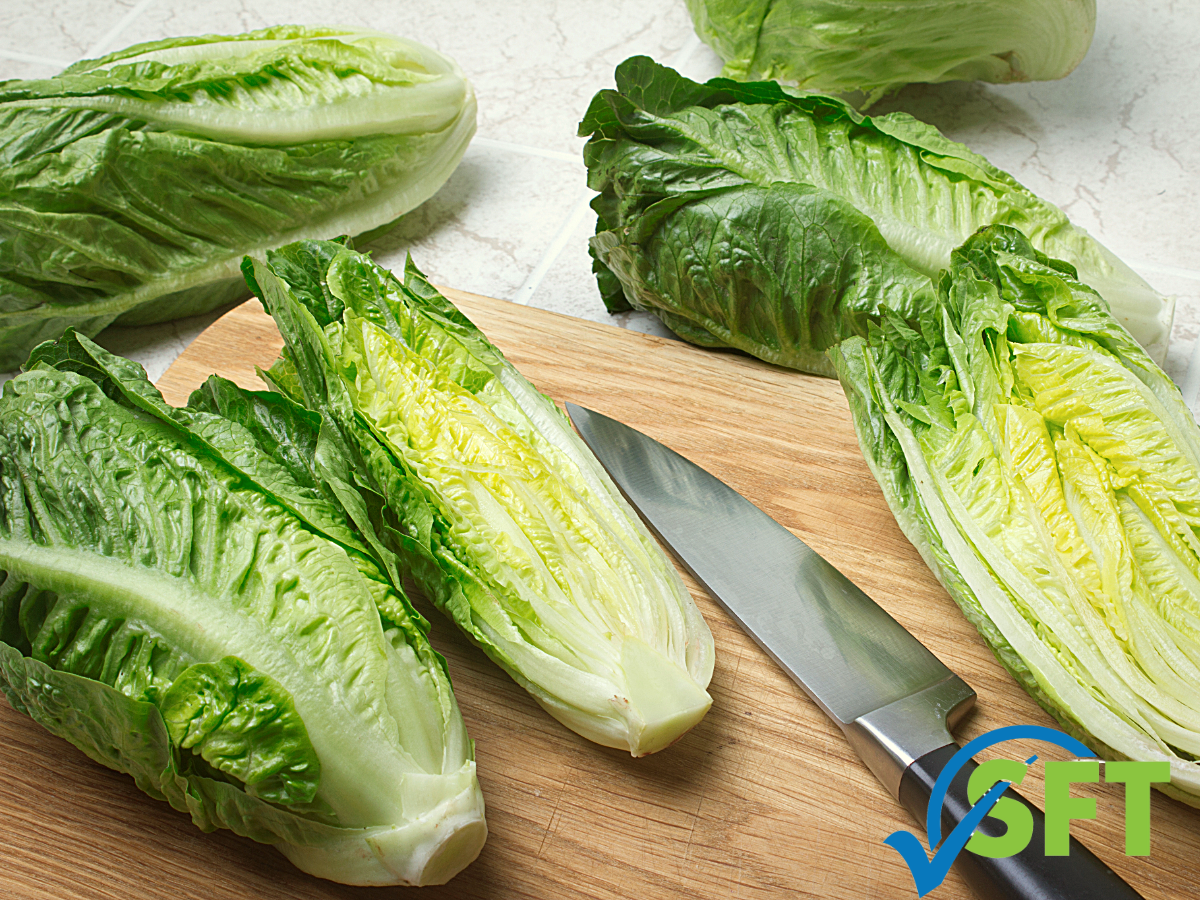
Training for you and your team-salad prep

Training for you and your team.

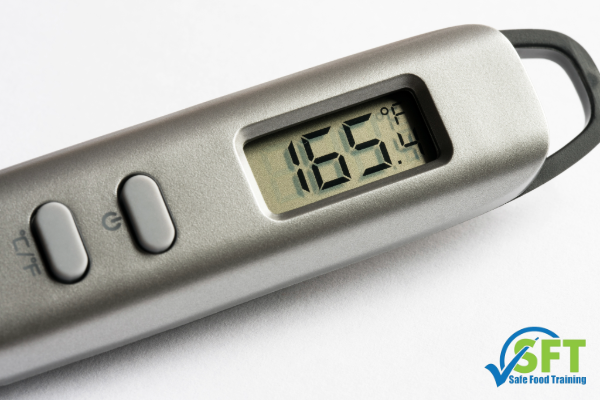
  • Temperature Control: Mastering the “Danger Zone” and Safe Cooling Parameters.
  • Cross-Contamination: Strict protocols for separating raw poultry from ready-to-eat foods during prep.
  • Employee Hygiene: Enforcing strict handwashing and health reporting policies for sick employees.

Requiring your kitchen managers to get and maintain their food safety certification is one of the best investments an owner can make.

Frequently Asked Questions (Q&A)

Navigating state regulations can sometimes feel overwhelming, so I’ve put together answers to some of the most common questions we get from Minnesota kitchen managers.

Q: How often must I complete continuing education to maintain my food safety certification in Minnesota?

A: In Minnesota, you must renew your certified food protection manager license by completing 4 hours of continuing education every three years.

Q: How will I know when it's time to renew my certification?

A: As a valued client of Safe Food Training, you don’t have to worry about tracking your renewal date. We provide timely reminders for the three-year renewal cycle to ensure you complete your required continuing education before your certification expires.

Q: I just need continuing education credits. Do I have to take the full 8-hour course?

A: No, you don’t. We offer dedicated continuing education training specifically for professionals who need to fulfill Minnesota’s renewal requirements.

Q: What happens if I don't pass the Certified Food Protection Manager exam on my first attempt?

A: We’re dedicated to your success. If you don’t pass the exam on your first try, we offer a retake of the course and exam at one of our regularly scheduled sessions.

Q: What does "personalized training" actually mean?

A: We focus on creating a convenient and effective learning experience that fits your specific needs. Led by Jeff Webster, we discuss the food safety challenges relevant to your unique operation—whether you’re in a school cafeteria, a large restaurant, or a catering business.

Protect Your Kitchen, Protect Your Business

commercial kitchen

Sign up for the next available class today!

Don’t leave your restaurant’s reputation to chance or wait until a health inspector knocks on your door to check your credentials. Whether you need your initial certification or it’s simply time for your three-year renewal, we’re here to make the process straightforward and stress-free.

Ready to secure your Minnesota food license? Register for an upcoming course today!

food protection manager fundamentals make serving wild mushrooms safe

Food Protection Manager Fundamentals That Make Serving Wild Mushrooms Safe

We are well into fall, and that means that wild mushroom season is in full swing. Many certified food protection managers love adding fresh, local ingredients to their menus, and mushrooms are no exception, but with wild mushrooms come some unique food poisoning risks. If you plan on serving wild mushrooms this fall, reviewing these food protection manager fundamentals could prevent serious illness.

Food Protection Manager Fundamentals Make Serving Wild Mushrooms Safe
Image credit: yuliadavidovich via 123rf

Food Protection Managers and Wild Mushrooms

For food protection managers to understand why wild mushrooms present such a high risk, we should look at the symptoms of mushroom poisoning. Unlike in cartoons, poisonous mushroom won’t just make you see funny shapes and colors for a few minutes, eating them poses a real threat to your health. Consuming poisonous mushrooms can result in:

  • Vomiting
  • Fever
  • Kidney failure
  • Irregular Heartbeat
  • Seizures
  • Death

As you can see, the consequences of eating poisonous mushrooms range from mild to the ultimate consequence. So how can certified food managers reduce the risk of accidentally serving bad mushrooms to guests?

The first, and probably most important, step is to only purchase wild mushrooms that have been harvested and inspected by a certified wild mushroom harvester. Certified harvesters receive the training necessary to understand the difference between good and bad wild mushrooms and help ensure that only the edible mushrooms make their way into your food business.

Secondly, food protection managers must make sure that wild mushrooms are washed just before use. Washing mushrooms will remove dirt and contaminants that could sicken guests. However, make sure that you wash them as close to use as possible. Being a fungus, wet mushrooms pose an enormous risk for mold, mildew and other bacteria when wet, so make sure the time between washing and cooking is kept as short as possible.

As with all questionable product, food protection managers must should use your best judgement when serving wild mushrooms. If your wild mushrooms don’t look, smell or feel right, don’t use them. It’s better to lose a little bit of product than sicken your guests.

Do you serve wild mushrooms in your business?

The Truth About Food Protection Managers Moving Product Safely

The Truth About Food Protection Managers Moving Product Safely

In food businesses with multiple locations, there are often situations when one location runs out of a certain product and must borrow some from another outlet some distance away. Foodborne illness risks result if food protection managers don’t take the appropriate steps to ensure food is transported safely. To keep food safe when moving ingredients from one location to another, let’s outline the steps that food protection managers must take to keep food safe in transit.

The Truth About Food Protection Managers Moving Product Safely
Image credit: Baloncici via Dreamstime.com

Food Protection Manager Tips for Transporting Product to Secondary Facilities

When we’re talking about food or ingredients that are at risk during transport, we’re mostly discussing raw ingredients or chilled ready-to-eat foods. Ingredients that come in cans, plastic containers or in sealed boxes that are shelf-stable at room temperature pose little to no risk at all when moved from one facility to another. If any of these products are open, however, pathogens and debris could enter the containers and cause a risk, so it’s a good idea for the food protection manager to ensure all shelf-stable products remain sealed during transit.

The real risk comes from moving raw food from one place to another. Items such as fish, meats, dairy and cut fruits and vegetables need to remain out of the danger zone during transportation. Smaller items can be kept in a cold storage bag or even a cooler with plenty of ice to ensure that product remains under 41 degrees.

Larger items, however, pose more of a challenge. Let’s say a location 45 minutes away runs out of fresh halibut. Transporting a whole fish may not be possible. It’s hard to find a sealed storage vessel large enough, and the size makes it much harder to keep cool. One solution would be to keep the windows down on an exceptionally cold morning and keep the inside vehicle under 41 degrees, but the resulting pneumonia may not be worth the tradeoff. In these cases, food protection managers should find a solution to prepare the product in manageable portions before packing.

Frozen food should be assessed based on distance and whether or not it will start to thaw before reaching its destination. Partially thawed product poses a quality and food safety risk, and in these cases, food protection managers must use their best judgment to make sure the trip won’t cause the product to thaw during delivery.

Do you have a solution for moving raw ingredients from one restaurant to another?

New Food Safety Training For The Dish Pit

We all know that dishwashing machines are an important piece of equipment in keeping serving ware and the utensils we use to prepare food clean, but do we take the time to ensure that our dishwasher is kept in sanitary condition? Beyond sanitizing the clean side of the dishwasher and making sure drying areas are kept in proper condition, how can we promote food safety training to keep the “dirty” side of our mechanical dishwashers from creating foodborne illness hazards?

Food Safety Training for the Dish Pit
Image credit: Simcitywok via wikimedia commons

Food Safety Training tips for Dish Pit Cleanliness

It’s easy to understand why the clean side of the dish pit needs to remain clean. All of the dishes that end up over there are sanitized and ready for service, but ignoring the dirty side of the dish area creates scenarios that can be a food safety risk. When providing food safety training to dish machine operators, make sure you cover:

  • Garbage Disposal
  • Machine Filters
  • Doors and Seals
  • Dirty Washing Surfaces

We tend to assume that the garbage disposal churns up waste and sends it into the sewage system, but a lot of the residue remains in the drain, on the blades and in your pipes. This food residue attracts pests such as fruit flies. While it’s not necessary or even prudent to take apart your garbage disposal, there are liquid solutions available that can clean and sanitize garbage disposals and pipes. If you have the need to reach into the garbage disposal for any reason, make sure that it has been unplugged to prevent catastrophic injury.

Most mechanical dish washers have filters to prevent waste from ending up in the drainage system. Make locating and cleaning these filters a part of your basic food safety training. Don’t forget that grease and grime can build up on the inside of the doors and transfer to clean items during the rinse cycle.

Finally, the areas where plate ware and production tools wait to be washed can also attract pests and transfer contaminated materials to employees who touch them and work near these areas. The food safety training best practice is take the time to often clean washing surfaces and dirty dish storage areas.

Does your food safety training cover the whole dish pit area?