
Food Safety Certification Tested Refrigeration Maintenance Best Practices

Food safety certification refrigerator maintenance

For a manager with Food Safety Certification who deals with food products, properly running refrigeration units is key to maintaining food safety and quality. We thought it important to share a few food safety certification tips to help keep your refrigeration well-maintained and avoid repairs due to malfunctioning equipment.

Food Safety Certification refrigerator maintenance
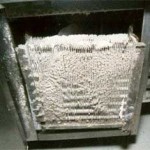
Image credit: HVACR Videos on Youtube

4 Keys To Refrigeration Maintenance For Food Safety Certified Managers

There are four things that we feel are important to examine regularly in each refrigeration unit.

  • Door seals
  • Cleanliness of drains and coils
  • Temperature
  • Excess condensation

It is important to occasionally inspect the gaskets on your refrigerator door to ensure a tight seal. It is imperative to ensure that your refrigerator seals properly when shut; failure to do so will lead to increased energy consumption as it has to work harder to maintain low temperatures. This can lead to an overworked unit and shorten its lifespan.

The cleanliness of your refrigeration units can be a factor in its performance. You should examine condensation drain pipes and outlets to ensure they are clear of debris and grime. For units with external coils, it is important to inspect and clean them regularly. Most units have coils underneath or on the back of the unit. These are two areas where dust can build up and cause your units to work harder than necessary.

One of the first signs you may have a problem with your refrigeration unit is when you notice temperature fluctuations. Another important thing to take note of is if you have had to turn down your temperature control multiple times in order to maintain proper temperature, this may be a sign that your refrigerator compressor is overtaxed.

If you notice excess condensation or dripping water coming from your refrigeration unit, it may be time to examine it. These issues can lead to larger, harder-to-repair problems.

Certified Maintenance Service

The first two issues are easily recognizable and can often be handled in-house without calling a repair service. The second two, however, may require a certified maintenance service to repair properly. It is important to keep in mind that repairing a minor problem is easier, and less costly, than a major repair or replacing an entire unit.

In the case of refrigeration malfunction, it is important to keep Food Safety Certification MN guidelines in mind if you must find an alternative storage solution.

Excellent Food Safety Training Tips You Need To Know About Clean Refrigeration

Food Safety Training Tips

You count on your refrigeration units to keep food cold, but neglecting food safety training for maintenance can result in much worse scenarios than malfunctioning equipment. Besides the hazards of food possibly being stored in the danger zone due to a poorly looked after walk-in; dirt, mold, mildew and other contaminants can come in contact with your product even if your cold storage is kept at the proper temperature. Let’s take a close look at some often overlooked aspects of refrigerator maintenance that can lead to foodborne illness risks and we will provide some food safety training tips to make your job easier.

Excellent Food Safety Training Tips You Need To Know About Clean Refrigeration
Image credit: Tracy Hunter via Flickr

Refrigeration Maintenance Tips for Food Safety Training

Most food businesses should already have a cleaning plan in place for the interior racks, walls and floors of their refrigeration units, but there are several aspects of refrigerators that are forgotten, especially in walk-in units. Every so often it’s important to clean and maintain refrigeration:

  • Door seals
  • Condensers
  • Drain lines

Cleaning the seals or gaskets of every refrigerator in your establishment will help keep warm air from outside forcing your equipment to work harder. Rubber seals can also be a breeding ground for mold, especially if your doors are not sealing properly. The condensation from the temperature difference inside and outside of your fridge could accelerate mold and mildew growth which could end up in your food. When you perform your regular interior cleaning, make sure to wipe down and sanitize your door seals and inspect for any damage which could be allowing warm air inside.

Condenser coils tend to collect dust and moisture creating an environment for contaminant growth that could fall into food product. Your food safety training should include a review of cleaning these coils at least once a month to prevent buildup. These coils can sometimes be behind a service panel or on the back of the compressor.

Drain lines are notorious for mold buildup due to the near-constant drip of condensation. Due to the complexity of cleaning these lines, we recommended you seek out a professional technician to service and clean your larger refrigerators once a year.

Have you taken the time recently to check on the cleanliness of your refrigerators? Do you have any additional food safety training tips for others?