Food Safety Managers and Stay Safe MN Regulation Compliance

At Safe Food Training, our ultimate goal is to educate for food safety managers on current food safety regulations, and sometimes that includes discussing current restrictions put on foodservice businesses during these trying times. It’s not our goal to provide commentary on these rules and government actions, but it’s vital to discuss these issues to keep food businesses open and operating under current conditions. In response to outbreaks of Corona Virus linked to food establishments, Governor Tim Walz indicated that bars, restaurants and other food-related businesses would be shut down for failure to adhere to COVID-19 dining restrictions. This week, we’ll take a look at how food safety mangers can comply with Stay Safe MN regulations to avoid potential closure.
Food Safety Managers and Stay Safe MN Regulation Compliance
Image credit: pxfuel

How Food Safety Managers Keep Food Businesses Open During Stay Safe MN

The ability to track Covid-19 infections and outbreaks has greatly increased over the past few months, and one thing the data shows is that food establishments, bars and clubs, in particular, have the potential to be spreader locations for the disease. It’s not just an isolated incident at a few bars in Minneapolis or even in our own state. The governors of Texas and Florida have chosen to close bars completely and scale back restrictions on dining, and Arizona eating establishments are facing more restrictions due to the spread of the Corona Virus. Due to the range of rules in place and differing philosophies of the governing bodies of states showing an increase in infection rates, this may not be a trend based on any one initial response to the controlling the virus.

Since this seems to be a widespread response to the epidemic, how can food safety managers balance keeping their guests safe, generating revenue and remaining open?

The prudent thing to do to keep your doors open during these times is to adhere to regulations. An attitude of compliance throughout the food industry may give governing authorities the sense that the foodservice industry is dedicated to beating COVID-19 and they’ll come to tout food safety managers and eateries as allies rather than businesses that need further monitoring and enforcement. Whether closed due to further outbreaks or noncompliance, a shuttered establishment brings in no revenue, so we should do our part to keep food businesses open.

Our hope is that these Stay Safe MN rules and regulations are based on the best science available, and at this time we have to trust that these limitations will lead us to days where we can see our local foodservice industry flourish and be a vibrant part of Minnesota communities.https://minnesota.safefoodtraining.com/?p=2190
ServSafe MN Guide to Outdoor Seating and COVID-19

Servsafe MN Guide to Outdoor seationg during COVID-10

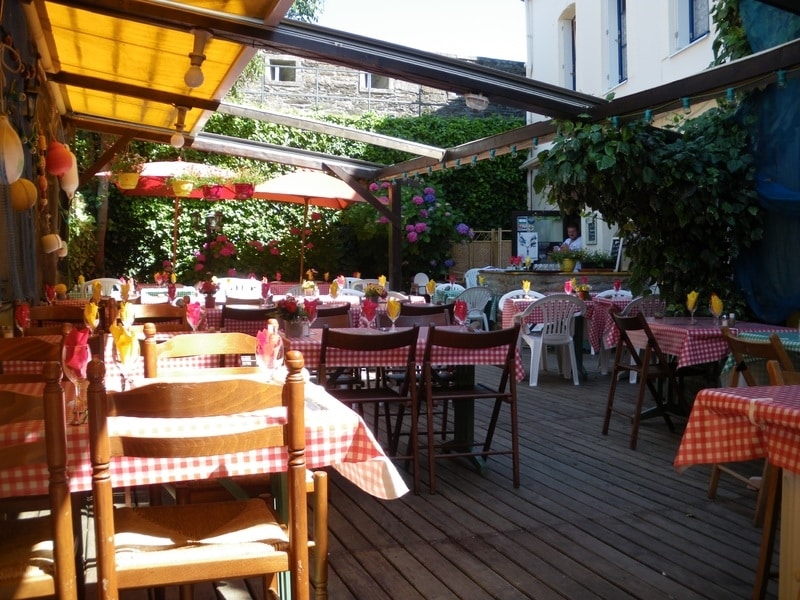
With the gradual reopening of business in Minnesota, restaurants, bars and eateries have been given the go-ahead to begin sit-down service as long as all seating is outdoors and meets certain criteria. Today, we’d like to give you a brief overview as to what the rules are concerning outdoor seating during this phase of reopening Minnesota during COVID-19 and provide a few ServSafe MN tips on how to serve your customers better under these regulations.

ServSafe MN Guide to Outdoor Seating
Image credit: PxHere

Outdoor Seating and ServSafe MN Tips During Corona Virus

Minnesota restaurants are able to serve guests in person starting June 1st, but it’s important to emphasize that all seating must occur outside. Here’s a quick breakdown of outdoor seating regulations:

  • Reservations are required
  • Employees must wear masks, guests encouraged to wear masks when not eating
  • No more than 50 total people, guests and staff, on the premises
  • Tables must be separated by at least six feet
  • No more than four guests from different households at one table, up to six if all members reside together

The interesting thing here is that guests must have a reservation before arriving at your restaurant. This can be hard to accomplish for restaurants who are not normally accustomed to taking reservations. Make sure that you space out reservations to ensure there is little chance for an overlap that creates a situation where several guests may be forced to congregate near your restaurant with other guests who may not be in their party.

Masks have been required since restaurants were given the ability to provide takeout service, so hopefully your staff will be used to wearing them by now. The unfortunate part is that now there will be more interaction with guests and the mask presents a communication issue. If you have access to a portable POS system such as a table-top kiosk or tablet where guests can place their own order, this may smooth the process and allow diners to place their order remotely. Please note that regulations ask you to recommend guests wear masks when not eating.

Finally, make sure that all tables are six feet apart. This recommendation doesn’t exclusively refer to the physical table itself, but the table and the space guests occupy around it, so you may wish to provide a little extra buffer room for guests to maneuver in the outdoor dining area. These tables cannot be occupied by more than four guests unless they are from the same household, then you’re permitted to seat up to six at the table.

Make sure that your staff is trained in the current ServSafe MN sanitation guidelines before you open with outdoor seating, and hopefully, Minnesota will soon be on the path to recovery and a thriving restaurant industry.

COVID-19 and ServSafe Sanitation

Waiter demonstrating Servsafe sanitation post COVD-19 shutdown

The coronavirus pandemic has changed the way foodservice businesses operate and will continue to change food safety procedures for the foreseeable future. Once eating establishments are finally permitted to seat guests in their dining rooms, ServSafe food managers will have to change their sanitation procedures and the way they enforce certain food handling rules after the COVID-19 shutdown. This week, we’d like to take a look at what these new sanitation procedures could look like.

ServSafe sanitation post COVID-19 shutdown

Post COVID-19 Shutdown ServSafe Sanitation Guide for Restaurant Reopening

At this time, there is no recommendation to deviate from the types of sanitizer solutions recommended in Minnesota Food Code sanitation procedures, so it’s not necessary to increase the concentration of bleach, iodine or quaternary ammonia compounds in sanitizing solutions. In fact, using a solution with higher concentrations than recommended could pose a health risk to staff and guests should excess sanitizer chemicals end up in customers’ food or create a toxic atmosphere when working in close contact with these over-powered solutions.

Whether you’re open for business as usual or your establishment is still only providing takeout service, it’s important to sanitize all surfaces regularly. The most touched surfaces should be sanitized many times a day. Make sure these frequently used surfaces are sanitized often:

  • Countertops
  • Door knobs and handles
  • Guest tables
  • Chair backs and high chairs
  • Handrails

Once we return to in-house service, we’ll have to consider many more items for sanitation to help stop a resurgence of the COVID-19 virus. While every establishment will be different, we’ve come up with a few items that aren’t normally sanitized that you may wish to include in your ServSafe sanitation training:

  • Credit cardholders
  • Touchscreens in ordering kiosks, tablets and wait stations
  • Pens used by customers to sign credit card receipts
  • Seatbacks and chair arms
  • Light switches
  • Soap dispensers
  • Other implements that may be handled or breathed on by staff or customers

We must also remember that out of the way areas should be sanitized regularly as well. Some locations may not need hourly cleaning, but regular sanitation should occur everywhere in your facility. Think of surfaces such as doors, equipment such as mixers, exteriors of refrigeration units and any other surface than may not be touched too often, but still potentially come into contact with the breath of employees and customers.

It may seem overboard to some, but ServSafe sanitation will have to take on a higher level of vigilance in the coming days once we begin to reopen our restaurants. What steps will you be taking to help prevent a resurgence of COVID-19?

Sanitary ServSafe Procedures for Curbside Pick Up

Sanitary ServSafe Procedures for Curbside Pick Up

As you are aware of by now, the State of Minnesota has asked all food service establishments to close dining rooms and reduce service to takeout or delivery only. This presents some new challenges for ServSafe food managers who are used to maintaining food safety procedures in dining rooms rather than in the parking lots. With these new challenges, we’d thought we’d provide a brief guide on how to not only keep your food safe from the normal foodborne pathogens but from the emerging threat of the Coronavirus.

ServSafe Procedures for Curbside Pick-up

ServSafe Tips for Curbside Pickup

We have a few simple steps you can take to protect your guests and staff during these trying times:

  • Eliminate all bare hand contact
  • Increase handwashing frequency
  • Offer ways for customers to pay in advance
  • Provide curbside service rather than allowing guests in your facility

Managers already know that ready-to-eat foods cannot be handled with bare hands, but we suggest taking this one step further until our state returns to business as usual. ServSafe procedures should require staff to wear food service approved gloves when handling cash or cards and even consider wearing gloves when delivering curbside takeout to your customers. This will prevent bare hand contact with contaminates on money and give your drive-up guests the sense of security that you’re taking their health very seriously.

Handwashing is now more important than ever. Wash your hands after every personal interaction or contact with cash. Remember to wash for 20 seconds with plenty of soap and hot water. For timing purposes, you can sing the “Happy Birthday” song twice, or find other catchy tunes that last for at least 20 seconds.

Some of your guests and staff may be leery about spending too much time in close proximity to strangers. You can help reduce the amount of time your employees and customers must interact by providing a method of prepayment by credit card either on your web page or by telephone.

Finally, the best way to ensure that the COVID-19 virus doesn’t enter your facility would be to close the inside areas altogether. Change your ServSafe procedures to meet your customers or at the curbside as much as possible with a quick handoff of their order. Providing a phone number for them to call or text once they arrive will smooth the delivery process.

Are you taking extra steps to keep your guests safe during this crisis?