Shocking Truth: Is Your Food Really Safe from COVID-19 Contamination?

As food safety managers, you play a critical role in both implementing proper safety protocols and communicating accurate information to staff and consumers. A common question since the emergence of COVID-19 has been whether the virus can be transmitted through food consumption. Let’s address this concern with current scientific evidence about COVID-19 contamination in food.

COVID-19 Contamination and Food: The Current Evidence

COVID-19 Contamination

According to the CDC, FDA, WHO, and other leading health authorities, there is no evidence that COVID-19 can be transmitted through food consumption. SARS-CoV-2, the virus that causes COVID-19, primarily spreads through:

  • Respiratory droplets when infected individuals cough, sneeze, or talk
  • Close person-to-person contact
  • Contact with contaminated surfaces followed by touching the eyes, nose, or mouth

Unlike foodborne pathogens such as Listeria or E. coli, SARS-CoV-2 is a respiratory virus that requires host cells in the respiratory system to replicate. Even if the virus were present on food, it would need to survive:

  • The acidic environment of the stomach
  • Digestive enzymes throughout the gastrointestinal tract

Both conditions significantly reduce viral viability, making food consumption an extremely unlikely transmission route.

Food Packaging Considerations for COVID-19 Contamination

While the virus may potentially survive on packaging surfaces for short periods, the risk of transmission via food packaging is considered very low. Standard food safety cleaning and sanitizing procedures effectively eliminate the virus from surfaces.

Focus Areas for Food Safety Managers

Rather than concerning yourself with the unlikely transmission through food itself, focus on:

  1. Worker Health Screening: Implement consistent protocols to ensure food handlers with COVID-19 symptoms or exposure are excluded from the workplace
  2. Respiratory Hygiene: Ensure proper mask wearing according to current local guidelines
  3. Enhanced Handwashing: Reinforce the importance of thorough and frequent handwashing
  4. Surface Sanitization: Maintain rigorous cleaning schedules for high-touch surfaces in your facility
  5. Social Distancing: Configure workstations to maximize distance between employees where possible

Communication Approach

When addressing staff or customer concerns:

  • Provide clear, science-based information
  • Emphasize that standard food safety protocols remain effective
  • Highlight the additional measures your facility has implemented
  • Direct them to credible sources like the FDA or CDC for further information

By focusing on these established risk mitigation strategies, food safety managers can effectively protect both staff and consumers while maintaining confidence in the safety of the food supply chain.
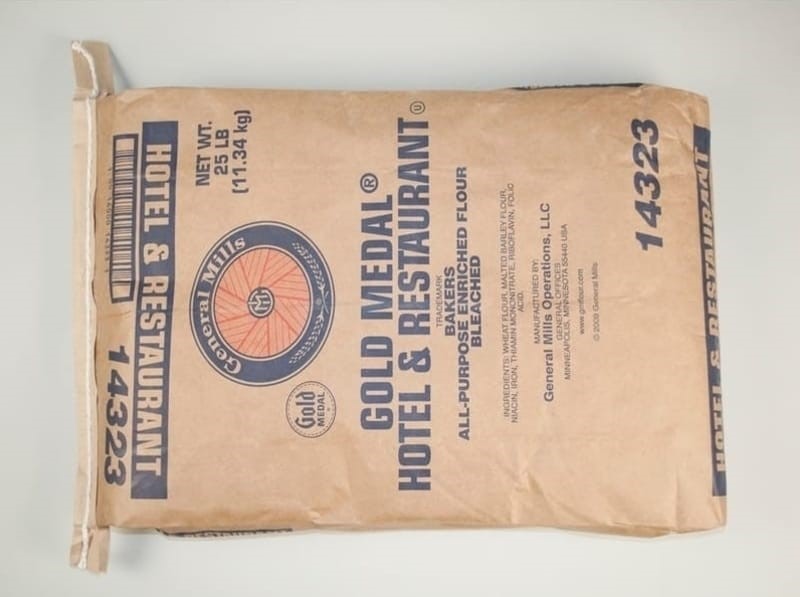

Should ServSafe Food Managers Worry About COVID-19 On Supply Packaging?

Should ServSafe Food Managers Worry About COVID-19 On Supply Packaging?

Even though we’ve been dealing with the coronavirus for over a year, we still hear questions and concerns over how the virus is spread and extra steps that can be taken to control it. In a recent discussion, we were asked if ServSafe food managers should be concerned about COVID-19 entering their business on the surface of supplies, food packaging or other materials that they use in their business. The StaySafe MN guidance for restaurants and bars has no specific information on this topic, so we decided to research the matter further.

Should ServSafe Food Managers Worry About COVID-19 On Supply Packaging?
Image credit: Food Service Direct

ServSafe Food Managers Ask, “Can Supply Packaging Spread Coronavirus?”

In the past, we’ve covered the near impossibility of coronavirus infection from food consumption. But, do ServSafe food managers need to be concerned with supply packaging? Does ingredient packaging, shrink-wrapped supplies and other containers that arrive on delivery trucks pose an infection risk to your staff?

While Minnesota COVID guidelines make no mention of this scenario, the CDC briefly addresses this on the consumer level.

According to CDC consumer guidelines, little evidence exists that coronavirus infections spread on food packaging from grocery stores or other outlets. If this evidence holds up for highly populated facilities, this statement would suggest that the same holds true for packaged goods delivered to foodservice businesses.

While COVID transmission risk on packaging may be low, cautious ServSafe food managers should be aware that sanitizing packaging that contains food products poses the risk of sickening customers through the ingestion of sanitizing chemicals. We’ve been asked if quickly sanitizing shipments or inventory would add an extra layer of protection, but we’d advise against it. The best defense would be to thoroughly wash your hands after receiving and storing deliveries. Consistent handwashing protects your guests from many different types of illness, both foodborne and otherwise.

Are you concerned that COVID-19 could enter your business on your supply shipments?

2020 Is Hindsight… Thank Goodness!

2020 IS HINDSIGHT

2020 is about done
It can’t end soon enough
This year doing business
Has been pretty rough

It started out fine
Things going quite well
Then COVID 19 hit
And things went to Hell

Schools moved to homes
ICU’s had no room
If you wanted to meet
You had to use zoom.

2020 IS HINDSIGHT

The virus was raging
We had to cut down the pace
The order was given
To shelter in place

Classes were canceled
For many a day
It started with March
Then April and May

When we could reopen
Was hard to discern
We were waiting some
Damn dials to turn

We got the OK
For some time in July
With our COVID 19 plan ready
We gave it a try

With masks and hand sanitizer
We started our day
Then wiped it all down
With disinfecting spray

This new mask routine
Worked Ok for awhile
I was beginning to think
I could hear people smile

November arrived
With a hard virus smack
And so we proceeded
To dial it back

For December and January
We again started new
So if you need training
Here is what you can do

If you need certification
The online training is best
Then you can come in
And just take the test

If you need recertification
You will also be fine
You can do that whole program
Completely online

We will resume classroom training
As soon as we can
You can sign up for February
When we are starting again

All the great people I work with
Is what will stick in my mind
Thank you all for being
Flexible, understanding and kind

We will get through this
A vaccine is here
From Safe Food Training
Have a Happy New Year

How ServSafe Food Managers Can Thaw Frozen Foods Safely and Preserve Quality

How ServSafe Food Managers Thaw Frozen Foods

As the year wears on into winter, ServSafe food managers are often forced to bring in frozen product that is no longer freshly available, and considering the reduction of business due to COVID-19 restaurant restrictions, many restaurants are relying on frozen ingredients to keep costs down and reduce waste. If you’re finding yourself thawing more product than normal, it may be time for a quick review for ServSafe Food Managers on methods to thaw frozen foods properly to reduce foodborne-illness risks and preserve quality.

How ServSafe Food Managers Can Thaw Frozen Foods Safely and Preserve Quality
Image credit: kropekk pl from Pixabay

ServSafe Food Manager Guide to Thawing Foods

According to the Minnesota Food Code there are several ways to safely thaw frozen product:

  • Under Refrigeration
  • Submerged Under Running Water
  • As Part of the Cooking Process
  • In a Microwave

All four of these methods have their merits and drawbacks, so ServSafe food managers should consider the types of foods they are thawing before choosing a method in order to maintain food quality. No matter which method you choose, be aware that Minnesota food safety standards do not allow for product to be stored at over 41 degrees for more than four hours.

Thawing frozen product under refrigeration is probably the best way to thaw product safely and ensure that it will maintain its quality, especially when you’re thawing large items. Whole fish, roasts and other large items will take considerably time to thaw, and since your refrigeration units are kept below 41 degrees you don’t have to be concerned about the four hour window.

If you need product sooner, you can thaw under cold running water. If you choose this method, be sure to seal your frozen product in some way. A large water bath can spread pathogens and damage sensitive ingredients such as seafood. The last thing a guest will want to see is a jumbled pile of mush on their plate.

If you’ve frozen casseroles or soups, they can be cooked from frozen as long as they reach servable temperature in as short amount of time as possible.

While it’s acceptable from a food safety standpoint to use the digital chef to thaw product, a microwave really should be the last resort. With the exception of product designed to be cooked from frozen in the microwave, you’ll notice a steep decline in quality when thawing in the microwave versus other options. If you do thaw product in the microwave, it must be cooked immediately following the thawing process.

Are you a ServSafe food manager relying on frozen product during the winter months?