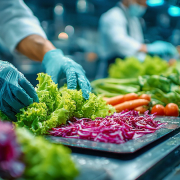

Ace Your Checklist for Food Safety Evaluation: Expert Hacks

A comprehensive checklist for food safety evaluation is crucial for maintaining compliance and identifying potential hazards in food handling processes. This tool helps restaurants and kitchens ensure they’re meeting safety standards and protecting their customers’ health.

Image creidit- wavebreakmediamicro via rf123

Establishing a Food Safety Program

Before creating your checklist, it’s essential to:

A food safety checklist is an essential tool for identifying potential hazards and ensuring food products are safe for consumption.

Developing a Checklist for Food Safety Evaluation

Your checklist should include items such as:

Personal Hygiene and Staff Training

  • Establish clear hygiene standards for staff
  • Implement regular handwashing protocols
  • Provide appropriate protective clothing
  • Conduct regular food safety training sessions

Food Storage and Temperature Control

  • Monitor refrigeration and freezer temperatures
  • Implement a first-in, first-out (FIFO) inventory system
  • Check internal temperatures of cooked foods
  • Maintain proper hot and cold holding temperatures

Cleaning and Sanitization

  • Create detailed cleaning schedules for all areas
  • Use appropriate sanitizers for food contact surfaces
  • Implement proper dishwashing procedures
  • Regularly clean and sanitize food preparation equipment

Operational Execution and Monitoring

Preventing Contamination and Illnesses

  • Implement strict hygiene protocols
  • Monitor food temperatures regularly
  • Sanitize all food contact surfaces
  • Inspect incoming ingredients for quality and safety

Maintaining Food Quality and Safety

  • Establish clear procedures for food preparation areas
  • Monitor cooking processes closely
  • Train staff regularly on food safety practices
  • Implement allergen management protocols

Waste and Pest Management

  • Develop a comprehensive waste management plan
  • Implement a robust pest control program
  • Maintain clean and organized storage areas
  • Train staff to recognize signs of pest activity

Regular Evaluation and Updates

A food safety evaluation checklist can help you find gaps in your operation and assess your current food safety preparedness. It’s important to:

  • Conduct regular self-assessments using the checklist
  • Update the checklist as regulations or practices change
  • Address any issues identified during evaluations promptly
  • Encourage staff feedback on food safety practices

Documentation and Record Keeping

Maintain accurate records of:

  • Temperature logs
  • Cleaning and sanitization schedules
  • Staff training sessions
  • Pest control activities
  • Supplier certifications and invoices

Leveraging Technology for Food Safety

Consider incorporating technology into your food safety program:

  • Use digital checklists for easier tracking and analysis
  • Implement automated temperature monitoring systems
  • Utilize food safety management software for comprehensive oversight

By implementing these practices and regularly using a checklist for food safety evaluation, restaurants and kitchens can minimize risks and uphold high food safety standards.

How To Make Kitchen Staff Food Safety Training More Effective

Making kitchen staff training more effective

Certified food protection managers are responsible for keeping the food they serve safe through training, monitoring and evaluating the food safety procedures in their establishment. One important part of training is reinforcing food safety protocols, and the Minnesota Department of Health and the Department of Agriculture have supplied handy food code fact sheets and downloadable food safety posters to help certified food protection managers remind their staff of essential food safety procedures.

Making kitchen staff training more effective
Image credit: Minnesota Department of Health

Using Food Code Fact Sheets to Supplement Your Staff Food Safety Awareness

Just because your staff has been trained on the basics, it doesn’t mean that a review of these procedures wouldn’t be helpful. In fact, having frequent reminders of food safety basics will keep the food your serve safe and take some pressure off of the day-to-day duties of your certified food protection manager.

Printing and laminating food safety posters will provide constant visual reinforcement of the basics of food safety. Some key posters include:

A handwashing poster over your handwashing station will be a constant reminder of the importance of washing your hands, and having temperature control and heating procedures posted where food is cooked will give your staff a quick guide when checking the temperature of the food they’ve just prepared.

The downloadable food safety posters on the Minnesota Department of Health’s website don’t stop at the basics of food safety, however. Schedule some time during your day to check out the options available, and you’ll be sure to find some that fit the unique nature of your business.

Do you use food code fact sheets to remind your employees about food safety basics?