Informative Food Safety Training Targeted At Rubber Floor Mats

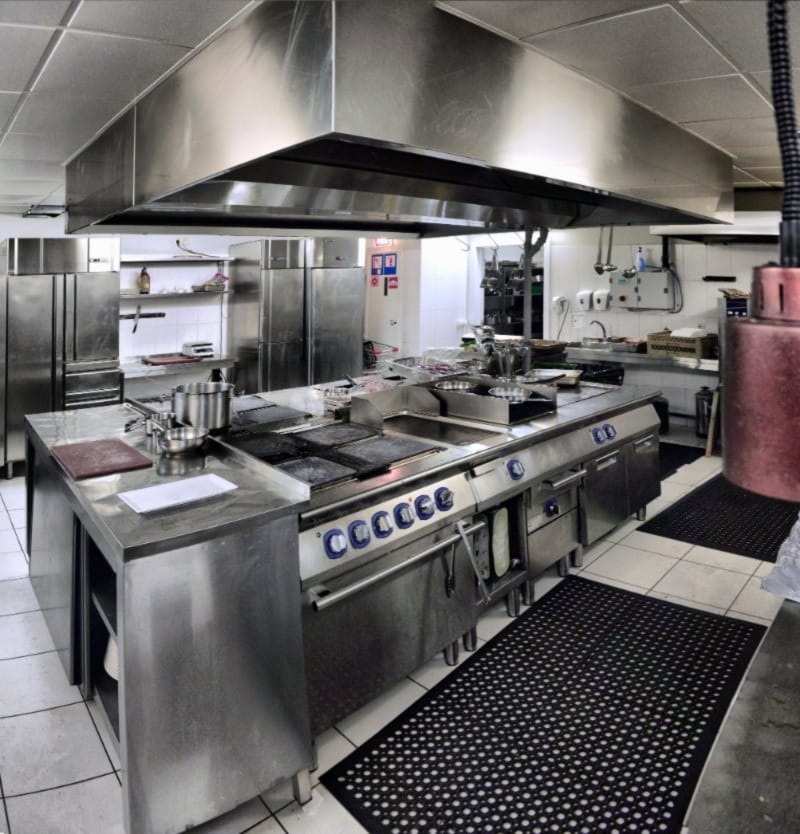
Floor mats in kitchens are essential for the physical health of employees that are on their feet for extended periods, but did you know that they can also become a foodborne illness hazard if not properly maintained? Since you’re not serving food on your floor mats, unless you’re designing a new concept restaurant that probably won’t fly with your local health inspector, you may not see the connection between foodborne illness and rubber floor mats, so let’s take a look at food safety training for rubber floor mats.
Informative Food Safety Training Targeted At Rubber Floor Mats
Image credit: nikitos77 via 123rf

Food Safety Training Tips for Floor Mat Cleaning

From an employee safety standpoint, dirty floor mats can be a slip hazard, so making sure they are clean prevents potential injury. Ripped or torn mats can catch the toes and heels of shoes causing staff to drop food or utensils, or even trip and fall. If your mats are in a condition that causes staff to fall into deep fryers, replace them immediately.

Dirty and torn mats also present a likely habitat for bacteria and pests. If your mats aren’t washed and cleaned on a regular basis, you’ll breed pathogens that can be stirred up by fans or even staff walking on them. Good food safety training should include regular maintenance of your floor mats to prevent this from happening.

Pests like fruit flies, ground bugs and even mice can be attracted to the smell of debris and grease left on dirty rubber mats. Cracked and torn portions can be an ideal spot for flies to lay eggs, harbor fruit fly nests and provide snacks for cockroaches and other small ground insects.

Making sure your floor mats are in good shape is not only good for the physical well-being of your staff but can also result in improved food safety training. Do you regularly sanitize your rubber floor mats?
Professional ServSafe Food Managers Can Immediately Improve Grease Trap Safety

Professional ServSafe Food Managers Can Immediately Improve Grease Trap Safety

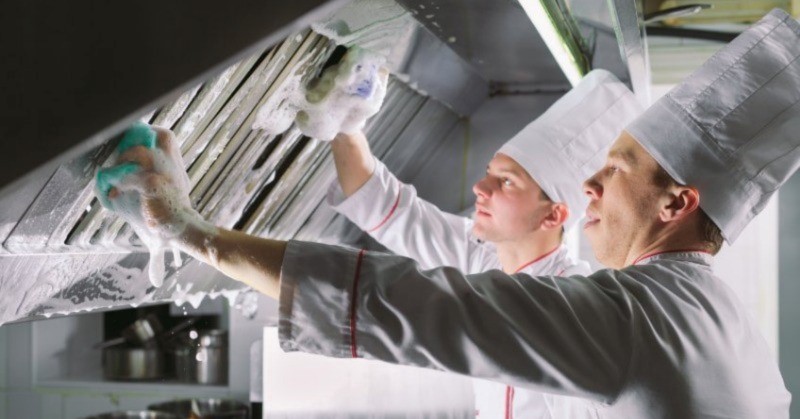
Nearly every restaurant or food processing facility that prepares hot food deals with grease and other liquids that are a byproduct of creating their product. Most ServSafe managers ensure that the waste from this process goes into grease traps or some other receptacle rather than leaving it on preparation surfaces to contaminate food cooked later. This grease will often settle into traps, and if ServSafe food managers do not properly take care it could pose a food safety risk or even a fire hazard.

Professional ServSafe Food Managers Can Immediately Improve Grease Trap Safety
Image credit: davit85 via 123rf

The Importance of ServSafe Food Managers Cleaning Grease Traps in Kitchens

Grease traps are commonplace in nearly every kitchen, so make sure you inspect, empty and clean grease traps that are located:

  • Under good vents
  • In ovens
  • Under grills and fryers

Every employee who works in your kitchen should be aware of your grease trap locations and how to remove the drainage receptacle. Some, such as traps under grills and flat cooking surfaces, slide in an out like a drawer while others, like under hood vents, are pans held in place under drainage areas. ServSafe food managers should take the time to train their staff how to remove these grease traps safely without spilling their contents or burning themselves on hot oil.

In ServSafe food manager training when we talk about clean grease traps, we don’t simply mean empty ones. Grease traps should be emptied on a regular basis and cleaned thoroughly. If the trap is completely removable, take the time to clean and dry it before replacing it. It’s also important to clean the areas around the traps to ensure all grease and oil is removed. Leaving grease behind can attract insects or even large pests such as rats if ignored for long periods of time.

Finally, don’t pour grease down your sink drains. This can cause buildup in your pipes, become a breeding ground for insects and damage your plumbing system. Check with your local waste disposal company for options on recycling your leftover grease.

Has you taken the time to thoroughly clean your grease traps lately?

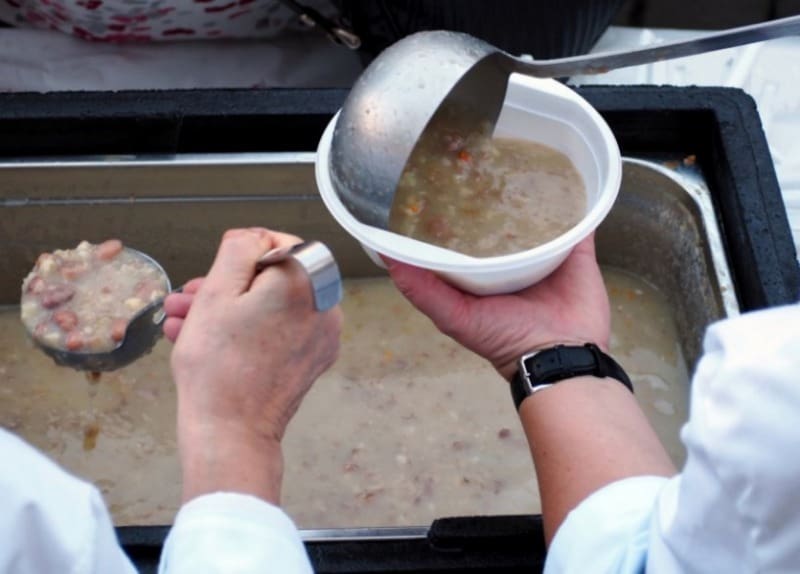
CFPM serving Soup at food charity

Are Food Charities Actually Required To Employ A Professional CFPM?

Over the past few years, there has been an uptick in food charities as the pandemic and other factors have created the need to help those who struggle with hunger and affording proper nutrition. With so many soup kitchen type charities helping fill that need, we’ve been asked if food charities need to have a certified food protection manager – CFPM oversee their operation. There is no cut and dry answer, because there are a lot of variables involved, but if you run a food charity, you may want to consider certified food protection manager training to keep the food you provide safe.

Are Food Charities Actually Required To Employ A Professional CFPM?
Image credit: lucapbl via 123rf

The Benefits of Certified Food Protection Manager Training for Charitable Food Efforts

When talking about certified food protection managers for businesses, most restaurants and food production businesses are required to have one certified food protection manager (CFPM) on staff to ensure that food is prepared in accordance with the Minnesota food code and that all employees are aware of safe food handling procedures. Since charities are not exactly a food businesses, there may be some confusion among volunteer organizations as to whether they should have a member of their volunteer team receive CFPM training.

Whether or not you are required to have a certified food protection manager may be up to your local health department. If you’re simply distributing prepackaged meals or heating ready-to-eat product for instant service, your organization may be considered low-risk and not monitored by the health department. If you are preparing raw products, chilling and reheating items and storing them for later service, you may want to consider certified food protection manager training even if your local health department does not require it. Benefits of CFPM training include:

  • Better Insight into Food Safety
  • Knowledge of How to Store Hot and Cold Foods
  • Confidence that Those You Help Receive Pathogen Free Meals
  • Ability to Oversee Untrained Volunteers

Even if you’re not selling food product, food safety is incredibly important. Knowing how to properly prepare food keeps those you help safe. Most food charity organizations are staffed by volunteers who may have never had any food safety training, so having a CFPM overseer who has been trained will help prevent a lack of knowledge from sickening those you are trying to help.

Do you run a food charity and would like more information on CFPM training in Minnesota?

The Truth About Food Safety Managers And Fingernail Hygiene In The Kitchen

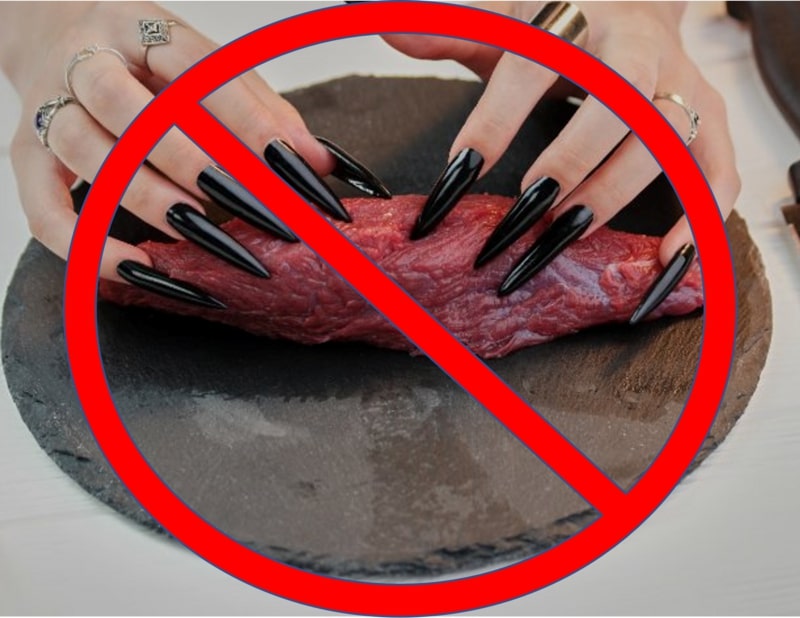
When discussing handwashing station setups with our students, we’ve noticed since finger nail brushes are no longer required, fingernail hygiene training has been often neglected . Even if you wash your hands properly dirt and bacteria can remain trapped under the fingernails creating the risk of pathogens transferring to food that is handled with bare hands. While fingernail maintenance only has two lines in the Minnesota food code, there are some important reasons that food safety managers should not overlook risks poor fingernail hygiene can cause.

Food Safety Managers And Fingernail Hygiene In The Kitchen
Image credit: denisfilm via 123rf

Food Safety Managers and Fingernail Maintenance

Food safety managers should provide fingernail hygiene training concerning:

  • Trimming Fingernails
  • Wearing Gloves over Painted Fingernails
  • Artificial Fingernails

Fingernails must be trimmed and filed so that they are easily cleanable. Rough fingernail tips can become caught in food product and potentially break off into food or onto preparation surfaces. Rough fingernails can also harbor bacteria in the frayed edges, even with proper handwashing, so maintaining smooth nails is much more than a grooming aesthetic. Long fingernails also pose the risk of breakage, even if carefully filed, so make sure nails are an appropriate length.

Food safety managers should enforce good fingernail hygiene by making it clear that painted or artificial fingernails should never come into contact with any type of food product. Managers should make note of poor fingernail hygiene and instruct employees with painted or artificial nails to cover them with gloves at all times in the kitchen.

Have you taken the time to review fingernail maintenance with your kitchen staff?