
How Certified Food Protection Managers Can See a Better Food Cost Picture

How Certified Food Protection Managers Can See a Better Food Cost Picture

Certified food protection managers know that keeping an eye on food costs allows for better profit margins, waste reduction and inventory control. However, many food businesses calculate their food costs by using a simple formula involving the cost of goods versus sales hoping to hit a food cost percentage somewhere in the low thirties. While this simplified system gives a good overview, many certified food protection managers benefit from delving deeper into their food cost picture. Let’s take a look at a couple of ways to get more detail into whether your food costs are hurting or helping your bottom line.

How Certified Food Protection Managers Can See a Better Food Cost Picture
Image credit: dolgachov via 123rf

A Certified Food Managers Guide to Food Cost Control and Better Profits

Meeting food cost goals is a must for survival in the food industry. With prices rising and product shortages becoming an issue it’s more important than ever to track food costs. Rather than simply calculating expenses versus profits, there are other steps that can help certified food protection managers see where the worst offenders are for causing costs to rise. Certified food managers should:

  • Evaluate the cost of each menu item
  • Look for substitutes for high-priced ingredients
  • Consider trimming expansive menus

It definitely will be a tedious process, but calculating the cost and profit margin on every item on your menu gives you a great picture of how you’re investing in your ingredients. You may find that you have certain items that cost way too much to produce that are throwing off your food costs. These expensive items can drain your income, so you may wish to consider raising prices or adjusting recipes to keep your menu sustainable. On the other hand, you may find that there are some items you’re practically giving away. Some certified food protection managers use these dishes to offset costs of dishes that detract from food cost goals or increase sales prices; achieving a balance between the two will help manage food costs more effectively.

When evaluating your menu, you may find some ingredients are just not sustainable when it comes to food costs and waste. There are many talented food business managers that would see more affordable, yet quality, substitutes.

You may also find that waste is high on low-volume menu items. If you’re throwing away large volumes of product, that’s going to kill food costs, so menu adjustments may be necessary.

If you don’t know how to begin calculating individual menu item food costs, we suggest you talk to your product supplier. Many significant suppliers offer software that eases the process, and many of these programs even have live cost updates so you can check week to week to see where your bottom line sits.

Have you taken the time to evaluate how you calculate food costs?
Minnesota Food Community At The Astonishing 2022 State Fair

Our Astonishing MN Food Community At The State Fair

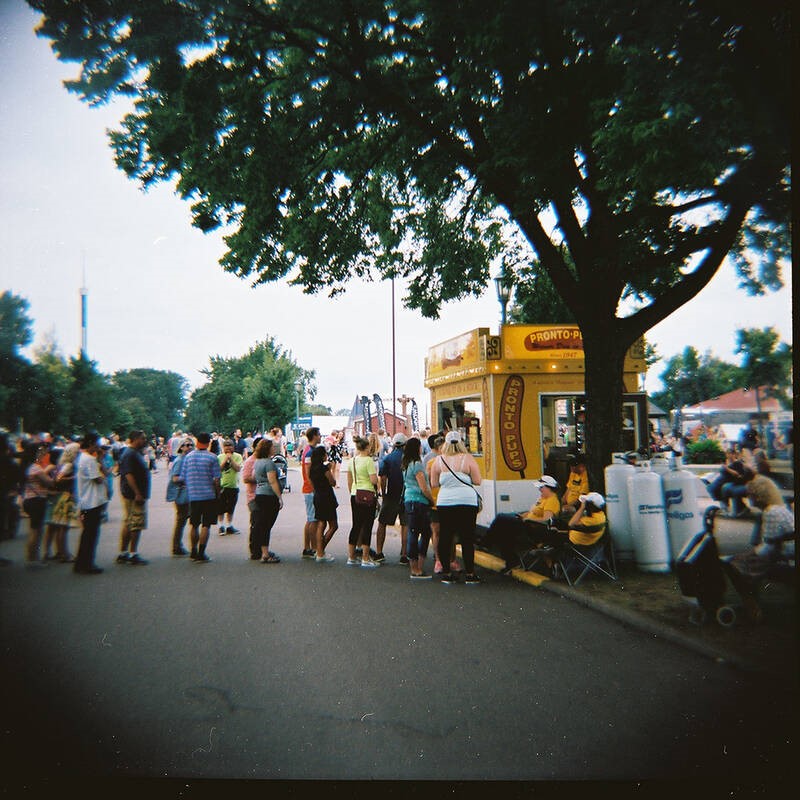
The end of Summer Break is nearly here, and that means it’s time for our annual trip to the Minnesota State Fair. Whether it’s surveying prize-winning livestock, taking in a show at the Grandstands or simply wandering and sightseeing, there’s something for everyone; making it one of the most looked forward to events of the summer. One thing Safe Food Training is really excited about is what the Minnesota food community comes up with. Each year talented chefs seem to push the envelope further and further.

Minnesota Food Community At The Astonishing 2022 State Fair
Image Credit: Joe Passe via Flickr

A Preview of the Minnesota Food Community at this Year’s State Fair

Judging from a preview of Minnesota food community vendors, we’ll have quite the challenge of deciding which new foods from the mn food community to sample. With everything from Venezuelan pulled pork to breakfast gnocchi, we may actually need to take several days off of teaching food safety training classes to get our fill. Some highlights we’ve seen include:

  • Pickle Pizza
  • Tandoori Rolls
  • French Vegan Sliders
  • Sweet Potato Poutine

And that’s just a brief drive-by. We’re definitely going to have to loosen our belts this year. We’re also looking forward to all of the standard fair desserts from the Minnesota food Community. Deep fried ice cream, cotton candy floats and many more selections will tempt fair goers even further.

JUST RELEASED – “The Minnesota State Fair announces 47 brand-new beverages premiering or found only at the 2022 fair. In addition, there will be 43 returning beverages found only at the Great Minnesota Get-Together. In all, the fair features 300+ brews and beverages”. We’re sure that Minnesotan craft brewers will be bringing their best to compliment all of the great foods as we wander from vendor to vendor.

Are you planning on taking in the sights, sound and cuisine of this year’s Minnesota State Fair? We hope we see you there either in front or behind the counter!

A Practical Way Food Safety Managers Can Keep Lines Stocked

A Practical Way Food Safety Managers Can Keep Lines Stocked

Food safety managers like to keep their production lines fully stocked so that all ingredients for every dish are readily available and in abundant supply, but there are foodborne illness hazards that can occur if you stock your lines improperly. Whether you call it rotating product, flipping your lines or simply stocking a quick access station, you should make sure that you’re doing it properly to reduce the risk of spreading illness.

A Practical Way Food Safety Managers Can Keep Lines Stocked

How Food Safety Managers Reducing Foodborne Illness while Stocking Production Lines

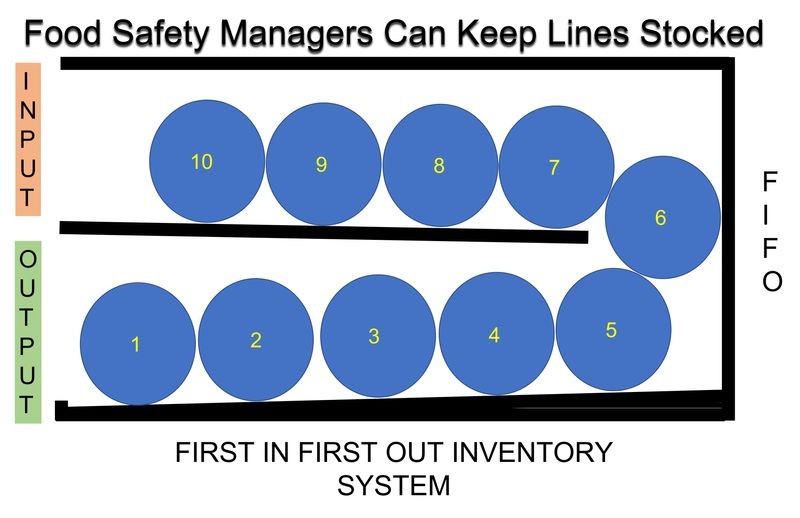
The most important thing to consider when stocking your production lines is that the oldest ingredients should be used first. Whatever method you use to stock your lines must take this into consideration. If you simply refill or top off storage containers, the oldest product will remain on the bottom and eventually begin to go bad contaminating all other product in the same container. When keeping your lines stocked, a first-in-first-out (FIFO) philosophy must be employed.

During food safety manager training classes, we’ve had a few discussions on stocking production lines, and it’s been asked if topping off containers and rotating product into clean containers is an acceptable method. While it sounds like a good idea to have a clean storage container every shift, you’re still running the risk of old product contaminating fresh ingredients. Imagine a pan filled with cheese that is one-third empty when you rotate it, and then you use one-third before the next time you rotate it, how fresh is the middle third? If you simply top off product and rotate it into a clean container, you may need an archeologist to date the product that has been trapped in the middle of your storage container every time you flip your lines.

Our suggestion is to have backup containers readily available rather than fill old containers with new product or rotate mixed-date products into new storage vessels. This will guarantee that fresh product doesn’t mix with older product that could be in danger of spoilage.

Do you have an effective strategy for keeping your ingredients stocked without mixing old and new product?

Guide For Retail ServSafe Food Managers To Safely Sample Product

A How To Guide For Retail ServSafe Food Managers To Safely Sample Product

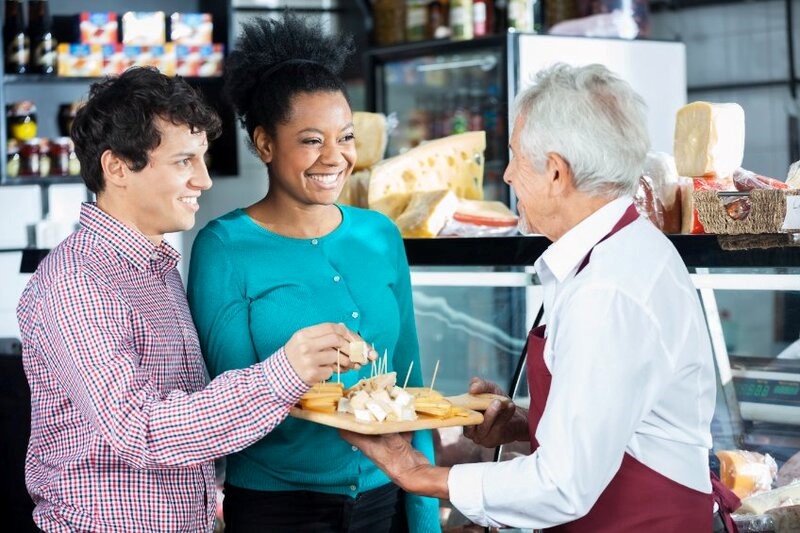
Many retail food businesses offer samples as a way to boost their sales, but before retail ServSafe food managers begin loading up trays of their product, they should be careful to ensure that they’re providing their potential customers with samples that are low-risk for foodborne illness. Observing common sense food-handling procedures will go a long way towards keeping samples safe, but there are some special steps that should be taken when sampling your product to the public.

How To Guide For Retail ServSafe Food Managers To Safely Sample Product
Image credit: leaf via 123rf

How Retail ServSafe Food Managers can Safely Sample Product

A quick look at Minnesota food code guidelines regarding retail sampling shows us five things retail ServSafe food managers should monitor when offering samples:

  • Handwashing
  • Bare-hand Contact
  • Holding Temperature
  • Warewashing and Sanitation Procedures
  • Employee Hygiene

Clean hands and proper food handling with food-grade gloves or utensils is one of the most proven ways to prevent food contamination from dirty hands, so any employee monitoring a sample station should have nearby access to a handwashing station. Be aware that bathroom sinks are not approved handwashing stations, so ensure access to a properly stocked handwashing station. Also, be aware that any sample touched by a customer and put back should be discarded since it has been handled by unclean hands.

If food is served hot or cold retail ServSafe food managers must make sure it remains out of the danger zone when stored at sampling stations. When sampling foods that cannot be stored at room temperature, make sure that you limit the amount of product on sampling surfaces to keep them as fresh as possible. This will reduce foodborne illness risk and also make your product more appealing.

All utensils used in service must be properly washed using an approved warewashing machine or triple sink method. Sampling stations should have a properly mixed sanitizer solution available in order to keep surfaces clean and germ-free.

Finally, retail ServSafe food managers should not allow ill employees to monitor sampling stations or work in other areas of the business. If you have a sick employee, send them home and make sure they are symptom-free before they return to work.

Are you a retail ServSafe food manager who offers samples to boost product sales?