
New Certified Food Managers Fundamentals For Washing Large Kitchen Tools

New Certified Food Managers Fundamentals For Washing Large Kitchen Tools

Certified food managers know that washing and sanitizing utensils, tools and preparation surfaces keeps food safe, but some items in kitchens present a challenge when it comes to sanitation. Long cutting boards, giant mixers, slicers and other types of equipment are simply too large to run through your dishwashing machine or wash in a triple sink. Let’s take a close look at how certified food managers properly wash these large kitchen tools to keep them clean and sanitary for production.

New Certified Food Managers Fundamentals For Washing Large Kitchen Tools
Image credit: belchonock via 123 rf

How Certified Food Managers Can Wash Large Kitchen Tools Properly

We’ve all seen those long cutting boards that run the length of the production line or the giant mixers used to make dough in massive batches, and we all know the challenges in keeping these items sanitary. Certified food managers know that simply wiping large kitchen tools like these long cutting boards down with a properly mixed sanitizer may not cut it; more care needs to be taken in order to properly clean these them.

When dealing with long cutting boards or moveable preparation surfaces that cannot fit in your warewashing machine, it’s important that both top and bottom of these boards are cleaned and sanitized. You may not use the bottom of the board, but that doesn’t mean that contaminates haven’t made their way underneath and begun to breed foodborne illness hazards. We suggest removing these boards from your line and finding an appropriate area to scrub and sanitize both sides. We’ve heard that some certified food managers utilize the top of an empty triple sink in order to create enough space to clean large kitchen tools like these long cutting boards properly.

Large mixing bowls, giant storage containers and other awkward implements present another challenge. These aren’t necessarily the easiest to scrub and sanitize. Rather than simply wiping them out with a sanitizer solution, we suggest certified food managers move unwieldy kitchen tools into your dish washing area in order to have access to hot water and the necessary detergents to clean properly. After being scrubbed, make sure that these large containers are thoroughly rinsed, sanitized and allowed to air dry before their next use.

Do you have a plan for those awkward kitchen tools that don’t fit in a conventional warewashing machine?

Five remarkable Ways certified food planners can beat the heat

Five Remarkable Ways Certified Food Managers Can Beat The Heat

Summer temperatures can be brutal on kitchen staff, and certified food protection managers need to find ways to keep their staff healthy without sacrificing food safety. Since we’re nearing the dog days of summer, let’s take a look at a few ways certified food managers can beat the heat.

Five Remarkable Ways Certified Food Managers Can Beat The Heat
Image credit: hxdyl via 123rf

Tips for Certified Food Managers to Surviving Summer Heat in the Kitchen

We all have our horror stories about the hottest kitchen we’ve ever been in, but before your current one becomes the next inferno, you may want to look into better ways to cool your kitchen. We’ve talked to many certified food protection managers, and we’ve compiled the top five ways to keep your staff cool:

  • Air curtains
  • Better fan locations
  • Frequent break times
  • Clean hood vents
  • Adequate hydration

Simply propping open an exterior door can provide some airflow to kitchen areas but may allow for insects to intrude, especially after dark when moths, flies and gnats are attracted to the light. Installing an air curtain over your doorways will allow for fresh air, but keep bugs away.

Fans are the most common way to introduce airflow into the kitchen and cool staff down, but beware about where you place them. Make sure that any fans placed in the kitchen do not blow air onto preparation or cooking surfaces. Fans can suck in dust and other contaminants, spray microscopic particles off of raw food onto other surfaces and potentially introduce other contamination hazards to the force of blown air. To prevent this, many certified food protection managers supply fan stations away from the line in non-food areas for a brief respite or place them at ground level to offer some air circulation.

Many times, kitchens overheat due to the ventilation system not functioning properly. Before the summer heat begins to melt your line cooks, make sure that hood vent filters are cleaned regularly and the system is in good working order.

Our last tip doesn’t necessarily involve a cooling method, but dehydration can raise the human body’s internal temperature causing overheating. Certified food managers can also beat the heat by ensuring your staff drinks plenty of water, or provide them with an electrolyte-fortified drink to prevent dehydration from becoming an issue.

Recall creates unexpected problems for ServSafe food managers

Latest Recall Creates Unexpected Problems For ServSafe Food Managers

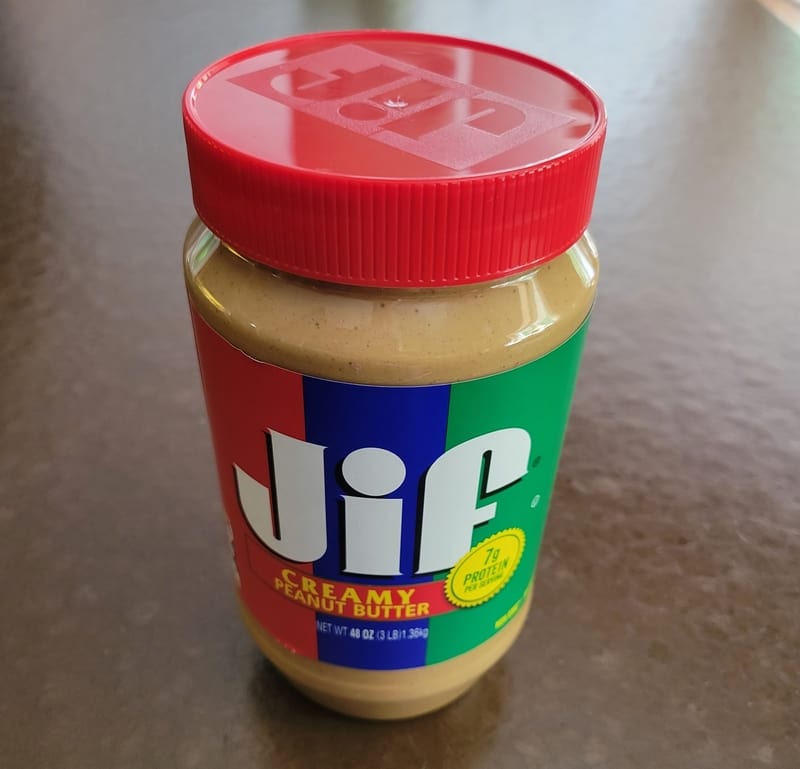
In a major nationwide notice, the J.M. Smucker Corporation has recalled large batches of Jif peanut butter due to concerns over possible salmonella contamination. Due to the long shelf life of peanut butter and the numerous types of packaging being recalled, ServSafe food managers should take action now to prevent foodborne illness risks in the long run.

How ServSafe Food Manager Should Approach Recall Problems

Latest Recall Creates Unexpected Problems For ServSafe Food Managers

Many restaurants and other food outlets that use peanut butter sparingly enough that may simply purchase it in small quantities from grocery stores rather than large buckets from food service suppliers. ServSafe food managers that stock Jif peanut butter should take a close look at the recalled product ID numbers to ensure they do not have any potentially contaminated product on hand. If you do find recalled jars of peanut butter in storage, dispose of both opened and unopened containers.

Beyond jars of different sizes, this recall also affects smaller packages and grab-and-go style cups of Jif peanut butter. Cafeterias, hospitality businesses and other places that offer pre-packaged single-serving peanut butter cups need to investigate to see if these products have been recalled. These single-serving cups are not only available by themselves, but are also packaged in lunch kits and other grab-and-go snack packages.

Finally, you may want to consider disposing of product made with Jif peanut butter that was purchased during the dates contaminated peanut butter was shipped. It may sound like a drastic move, but if it saves your guests from salmonella poisoning risks, it may just be worth it.

Have you checked the FDA recall list lately?

Useful Idea for CFPMs- Bolster Staffing with Culinary Students

Useful Idea for CFPMs- Bolster Staffing with Culinary Students

We’ve heard reports from some certified food protection managers CFPMs that the industry seems to have a shortage of applicants for open positions, and many food businesses are scrambling to bolster their staff to keep the kitchen fully staffed. Where help-wanted signs and ads on popular job websites may not be working, perhaps a call to your local culinary school would help fill vacancies, at least in the short term. We’ve talked to a few culinary instructors and found that they’re also looking for food businesses and CFPMs who have staffing opportunities to help their students gain real-world experience.

Useful Idea for CFPMs- Bolster Staffing with Culinary Students
Image credit: GSK via Flickr

How Culinary School Students Can Help Solve a Staffing Crisis for CFPMs

Over the past few decades, culinary schools have become more popular and have spread beyond exclusive schools for future high-end chefs to local technical and junior colleges for those looking to get their foot in the door in the industry. There are even programs at some larger high schools where students can earn future college elective credits by taking culinary classes, so while there may be a shortage of seasoned food-service professionals, there’s no shortage of those interested in learning about the industry.

CFPMs who need to fill staffing vacancies can take advantage of the culinary education sector by contacting these programs and searching for possible candidates for open job positions. These candidates may be raw when it comes to real-world experience, but they’ll have the desire to grow and learn. Many of these programs even require an internship or work-study, so your business’ interest in hiring a culinary student helps them to graduate and earn their degrees.

For the most part, internships and work-study programs aren’t exactly the beginning of a full-time career path for applicants in your company, but CFPMs can temporarily alleviate the staffing shortage for a set amount of time. These programs have a certain number of required work hours, so you’ll have a good idea as to an end date for your new temporary hire, and who knows, you could find a passionate professional who loves working in your food business and decides to stay if the option is available.

Has your certified food protection manager considered looking into hiring interns from a Minnesota culinary school?