Crucial Food Safety Standards: Protect Health, Save Lives Now

Critical food safety standards

As a Certified Food Protection Manager (CFPM), understanding and implementing key food safety standards is crucial for maintaining a safe and compliant food service operation. These standards cover various aspects of food safety, from personal hygiene to temperature control and allergen management.

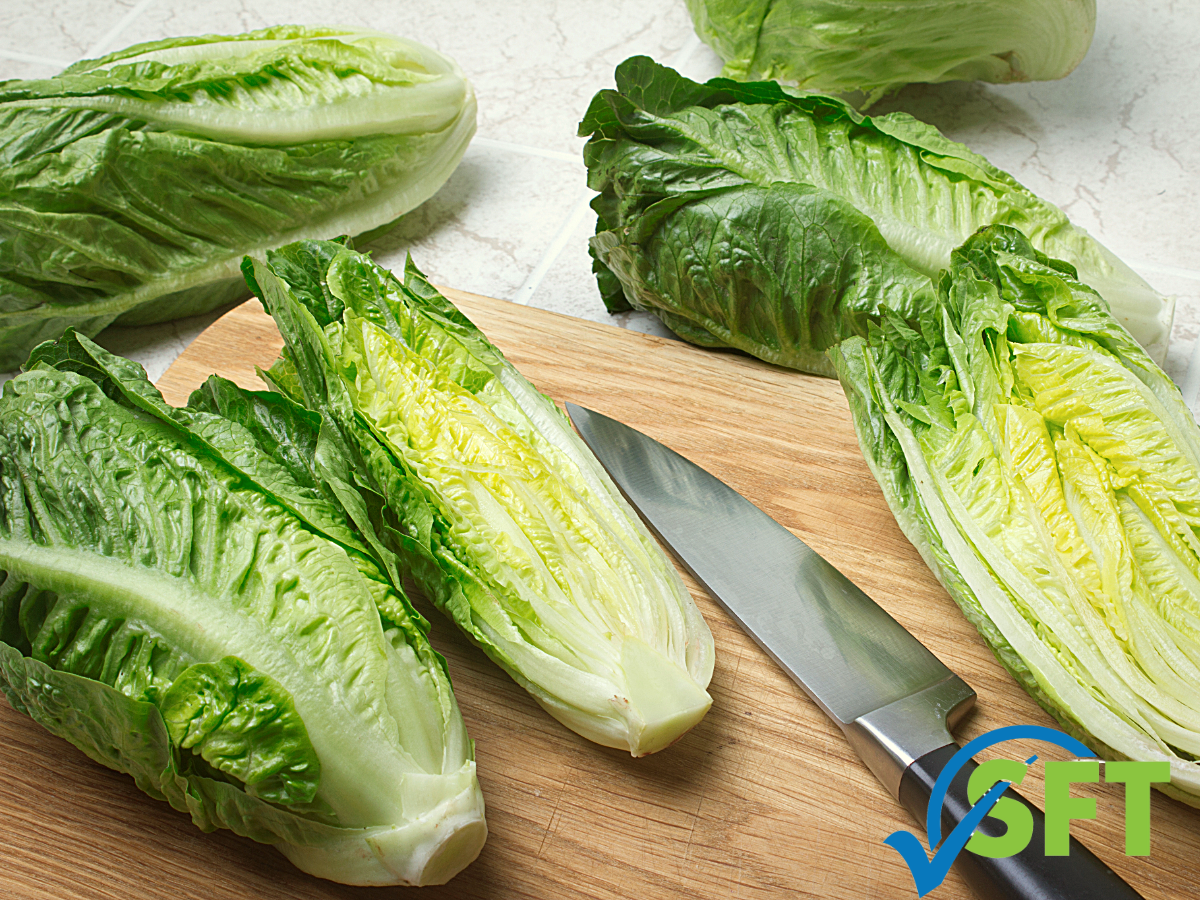
Image credit: dmitryag via 123rf

Essential Food Safety Standards and Regulations

Understanding FDA Food Code and Compliance

The FDA Food Code serves as a model for food safety regulations across the United States. Key areas to focus on include:

  • Temperature control for potentially hazardous foods
  • Employee health and hygiene practices
  • Proper cleaning and sanitizing procedures
  • Cross-contamination prevention

Certification Processes for Food Protection Managers

Becoming a CFPM involves passing a certification exam accredited by the American National Standards Institute (ANSI). Certification is typically valid for 3-5 years, depending on the certifying organization. Your CFPM license in Minnesota is good for three years.

Principles of HACCP and Food Safety Standards and Management

Hazard Analysis and Critical Control Points (HACCP) is a systematic approach to food safety. The seven HACCP principles include:

  1. Conduct a hazard analysis
  2. Identify critical control points
  3. Establish critical limits
  4. Monitor critical control points
  5. Establish corrective actions
  6. Implement verification procedures
  7. Maintain documentation and records

Implementing Effective Food Safety Practices

Establishing a Culture of Food Safety Standards and Training

Create a strong food safety culture by prioritizing it at all levels of your organization. Develop comprehensive food safety training programs and provide regular training sessions.

Personal Hygiene and Safe Food Handling Protocols

Enforce strict personal hygiene standards and implement safe food handling protocols, such as using separate cutting boards for raw and cooked foods and storing foods at safe temperatures.

Prevention of Foodborne Illness and Managing Risks

Implement a HACCP system to monitor critical control points throughout food preparation and service. Train staff to recognize common foodborne illness symptoms and maintain detailed logs of food temperatures and cleaning schedules.

Sanitation, Pest Control, and Maintenance of Food Service Establishments

Develop a comprehensive cleaning and sanitizing schedule, implement an integrated pest management program, and promptly address any maintenance issues that could compromise food safety.

By mastering these food safety standards and practices, you’ll be better prepared to lead your team in maintaining the highest levels of food safety and quality.

Strong CFPM Course Advice About Raw Milk Peril

Raw Milk in Minnesota.

In Minnesota, the MN Food Code strictly prohibits the sale or service of unpasteurized (raw) milk in any licensed food establishment. While you can buy raw milk directly from a farm for your own home, serving it in a restaurant or commercial kitchen creates a massive liability because of the high risk of Listeria contamination.

Navigating the Minnesota Food Code: The Raw Milk Debate

When we host a personalized 8-hour Certified Food Protection Manager (CFPM) course for local food service leaders, we often dive into the “gray area” topics that standard training might skip. What does the Minnesota Food Code actually say about serving raw milk?

There’s a lot of noise online about the supposed health benefits of unpasteurized dairy. Some claim that pasteurization “kills” milk’s nutritional value, while others think it’s just better for you. But as a professional food manager running a busy kitchen in St. Paul or a catering operation in Duluth, your priority isn’t the latest health trend—it’s regulatory compliance and customer safety.

What Your CFPM Course Teaches About Raw Milk

Our mission at Safe Food Training is to help your business meet Minnesota’s essential food safety standards without all the fluff. According to the Minnesota Department of Agriculture and the Minnesota Food Code (specifically Section 32D12), the law is very specific: milk and milk products must be pasteurized if they’re offered for human consumption in a retail food establishment.

If a customer wants raw milk, they’ve got to go directly to the source—the farmer. As a licensed food entity, you can’t act as a middleman.

The Risk Factor: Listeria Monocytogenes

The main reason food safety experts and the FDA advise against raw dairy is the high risk of Listeria monocytogenes, a bacterium that causes the foodborne illness listeriosis. In our Minnesota food safety certification courses, we talk about how Listeria is a “hardy” bacterium. Unlike many other pathogens, it doesn’t mind the cold; it can actually grow at refrigeration temperatures.

Why Listeria is a Top Concern for CFPMs:

  • Resilience: It survives in drains, on equipment, and in cold storage.
  • Severity: It has a much higher hospitalization rate than other common foodborne illnesses.
  • Symptoms: Persistent high fever, muscle aches, vomiting, and diarrhea.
  • Vulnerability: It poses life-threatening complications for those with compromised immune systems, the elderly, and pregnant women.

Scientific evidence from the FDA doesn’t support the claim that raw milk is a “superfood” that’s worth these risks. When you’re responsible for the health of hundreds of guests a day, a foodborne illness outbreak isn’t just a PR nightmare—it’s a danger to your community.

The "Choice" Narrative: How to Get Certified

Deciding how to get your team certified is just as important as the safety protocols you follow. Whether you like the energy of a distraction-free classroom or the convenience of your home office, we’ve got you covered.

Pass/fail.

In-Person vs. Online Training

Feature

In-Person CFPM Training

Online CFPM Training

Environment

Distraction-free, focused learning

Flexible, self-paced

Interaction

Real-time Q&A with Jeff Webster

Digital modules

Pass Rate

Very high due to hands-on prep

Depends on your study habits

Best For

New managers & those needing a refresh

Tech-savvy, busy schedules

Personal Choice vs. Professional Liability

 Raw milk.
Do you know the rules about raw milk in restaurants?

As an individual, you’ve got the right to choose what you put into your body. But once you step behind the line of a commercial kitchen, you’re the Certified Food Protection Manager. You’re the gatekeeper. Both Minnesota law and the FDA agree: raw milk poses too great a threat to be served to the public.


Many other food safety risks fly under the radar, and a standard CFPM MN course can’t cover every niche topic. If you’ve got questions about specific ingredients or local ordinances, just ask—we’re here to help.

Frequently Asked Questions (MN Food Safety)

Common questions include:

Q: What is the primary service that Safe Food Training offers?

A: We specialize in providing personalized, 8-hour certified food protection manager licensing courses tailored for food professionals across Minnesota. We also offer dedicated continuing education training at the same time.

Q: How often must I complete continuing education to maintain my food safety certification in Minnesota?

A: In Minnesota, you’ve got to complete approved continuing education every three years to maintain your Certified Food Protection Manager (CFPM) status.

Q: Does the 8-hour course include the exam?

A: Yes. Our comprehensive 8-hour course includes the certification exam, so you leave the session with everything you need to stay compliant.

Q: Can I schedule a private session for my restaurant staff?

A: Definitely. We focus on creating a convenient learning experience that fits your needs. We can focus on the specific food safety challenges of your operation—whether you’re in a school cafeteria, a large restaurant, or a catering business.

Need to renew your credentials or train a new manager?

Register for an upcoming Minnesota Food Safety Course today!

How Cold Plasma Technology Will Impact Future Food Safety

future food safety

Our food safety training sessions in Minnesota focus on preventing foodborne illnesses caused by harmful bacteria. Wash fruits and vegetables thoroughly, handle animal proteins carefully, and follow cooking temperature guidelines for food safety. Even with these precautions, people are becoming more concerned about future food safety because of news reports about outbreaks from contaminated food.

Future food Safety
Image credit: Prosigma via 123rf

How Future Technology May Change Food Safety

Major food processors are taking extra steps to prevent bacteria like Listeria from contaminating their products to ensure future food safety. They do this by adding chemical compounds that can slow or kill the growth of harmful bacteria. While the FDA has approved these additives, recent research suggests they may carry health risks. If you look at the ingredients in most pre-packaged foods, you’ll often find many chemical compounds with long, hard-to-pronounce names.

We know this topic is a bit outside our food safety certification focus, but we sometimes highlight emerging technologies for food preservation. Cold plasma is a novel food processing technology that inactivates harmful bacteria, viruses, parasites, and fungi. High-voltage electricity used to ionize air or specific gas blends generates ions, free electrons, ozone, and other reactive products. This process, effective at room temperature, has been tested on various foods, including fruits, vegetables, meats, cheeses, and nuts.

Cold plasma effectively kills germs like Salmonella, E. coli, Listeria monocytogenes, norovirus, and Cryptosporidium, as well as other harmful pathogens found in food. Many studies have examined how it works on different foods, surfaces that touch food, packaging materials, and other areas important for food safety.

The relevant regulatory authorities must comprehensively review all new food processing technologies, including cold plasma. This must be done for each commodity across various national and international jurisdictions. Regulators in the US are currently examining research developments related to cold plasma. However, they have not yet approved its use as a food safety process.

Additives have been a hot-button issue for some time and we will continue to look for future food safety innovations that may improve how our food is produced. Feel free to leave your thoughts on this issue in the comment section below.

Timely And Frightening Safe Food Training Christmas Poem

Safe Food Training Christmas Jingle

Twas the week before Christmas
And at the North Pole
Many Elves and dear Santa
Were not feeling whole

It looks like a virus
Shut down the workshop
Making Christmas this year
Start to look like a flop

Safe Food Training Christmas Jingle
Image credit: lopolo/123rf

What happened to us?
Santa wanted to know
As Reindeer and Elves
All threw up in the snow

A new kitchen elf
Was working while sick
and spread Norovirus
to the Elves and St. Nick

In the rush of the season
Good training was skipped
And not knowing the policies
Left our new elf ill-equipped

Luckily Santa
Is Magic you know
So he lifted the virus
With a fresh coat of snow.

This Holiday season
Lets have fun, joy and laugh
The magic you need
Is a highly trained staff

The staff at Safe Food Training wishes you a wonderful holiday season!!!