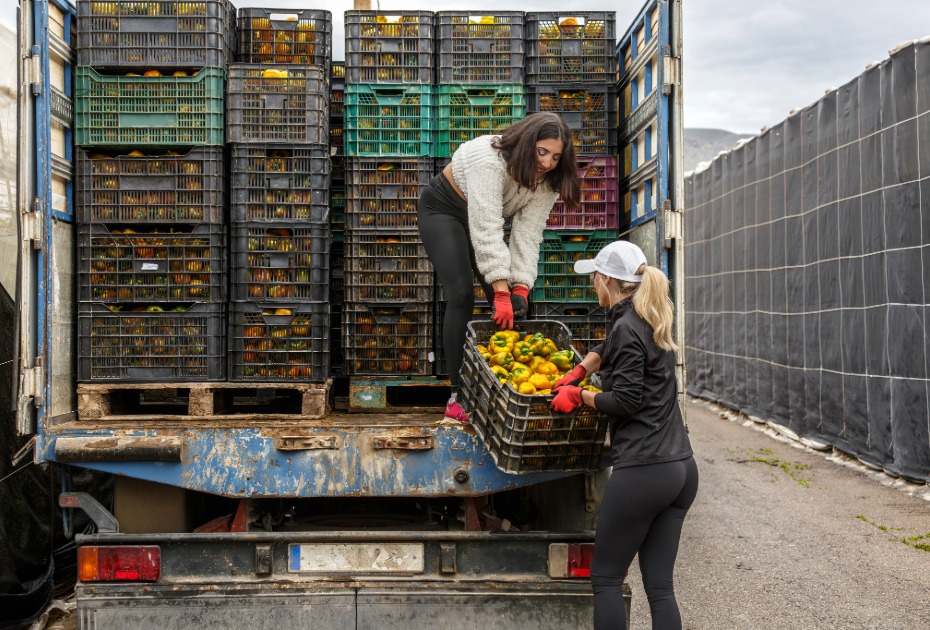
If you manage a busy kitchen in Minnesota, you probably saw the news about the Salmonella outbreak tied to fresh jalapeños at state Chipotle locations. Dozens of people fell ill, proving how fast foodborne illness spreads. We’re tracking this situation so you have the facts needed to protect your customers.
The Details: What We Know Right Now
The Minnesota Department of Health (MDH) is investigating a cluster of Salmonella cases linked to eating fresh jalapeños at various Chipotle restaurants. While they pin down the specific supplier, this outbreak highlights the inherent risks of handling fresh produce.
Fresh produce easily becomes contaminated when grown close to the ground, and washing it isn’t always a foolproof solution. If the contamination makes its way inside the plant tissue, simply rinsing the surface won’t eliminate the risk.
Why Jalapeños Pose a Specific Risk
Jalapeños have a textured surface that easily harbors bacteria. Kitchens often serve them raw or lightly cooked, which means there isn’t a kill step, like applying high heat, to destroy potential pathogens. It’s up to your staff’s handling practices to keep things safe on the prep line.
Protecting Your Minnesota Kitchen
Get Safe food training in Minnesota.
What can you do today to minimize the risk in your own operation? It comes down to revisiting your core food safety protocols.
Supplier Verification: Know your suppliers. Confirm they adhere to Good Agricultural Practices (GAPs), which are voluntary audits verifying that farms pack and handle fruits and vegetables safely.
Receiving Procedures: Inspect all incoming produce carefully. Look for signs of spoilage or improper temperature control during transport. If it looks questionable, reject the delivery.
Cross-Contamination Prevention: Treat raw produce with the same caution you would raw chicken. Use separate cutting boards and prep areas for raw produce and ready-to-eat foods.
Temperature Control: Keep cut produce properly refrigerated. The danger zone (41°F – 135°F) allows bacteria to multiply rapidly.
Food safety goes far beyond produce prep. Take a second to share these quick refreshers with your staff this week to keep your whole operation compliant:
An outbreak like this is a sobering reminder that food safety requires constant education. As a ServSafe Instructor, a NEHA Registered Trainer, and an Always Food Safe Instructor & Proctor, I’ve seen firsthand how well-trained staff prevent minor slip-ups from becoming major health hazards.
If your staff needs training, remember to check their expiration dates. Minnesota professionals who take this Minnesota Department of Health-approved 4-hour refresher before their current 3-year certification expires get to skip the exam completely. Letting it lapse means they’re stuck retaking the entire 8-hour exam!
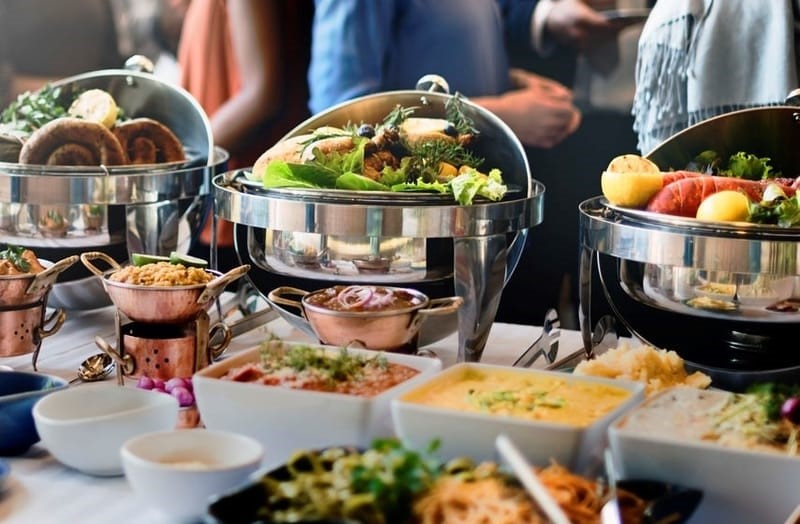
The food and beverage industry has suffered greatly over the past year, but the catering industry has taken a substantial hit due to the limits on social gatherings. Now that the StaySafe MN guidance is beginning to allow more participants at social events, the demand for catering services is beginning to increase. With the pressure to maintain COVID-19 prevention protocols and adhere to food safety training in order to keep guests safe at catered events, it may be useful to take a look at the safe way to cater an off-site event.
Image credit: rawpixel via 123rf
Food Safety Training for Remote Catering Events
Coronavirus occupancy rules cause the biggest confusion for caterers providing services away from their kitchen. The proprietor of the venue should be accountable for capacity limits, but your catering staff must also be included in the numbers in order to remain in compliance. At the time of writing, there are two capacity standards; indoor and outdoor. Up to 50 attendees can occupy an outdoor event, while indoor events are limited to 15. This means that you may be required to limit the staff on hand in order for the venue to meet these numbers. When planning a catering event, make sure that you consult current StaySafeMN guidelines and coordinate with the venue to ensure you can adequately schedule your staff.
Besides COVID protocols, caterers must follow proper catering food safety guidelines. Many of these guidelines line up with what you’ve learned during food safety training. All food at catered events must:
Be held and transported in a manner that prevents cross contamination
Time and temperature control go a long way to preventing a foodborne illness outbreak, so make sure that you check your equipment to make sure it is capable of keeping hot foods hot and cold foods cold. Also, take the time to check the internal temperature of all cooked foods to verify they’ve been cooked properly.
There may be times when an off-site catering client suggests they will supply the food product for the event as a cost-saving measure. Unfortunately, you may not be able to verify whether or not they are purchasing ingredients from an approved source. We suggest working with catering clients to purchase all ingredients from your normal suppliers.
Do you have a catering business that’s finally starting to see more clients? Have you taken time to refresh your staff food safety training for off-site catering?
https://minnesota.safefoodtraining.com/wp-content/uploads/2021/04/Important-Food-Safety-Training-for-Off-Site-Catering.jpg524800Jeff Websterhttps://minnesota.safefoodtraining.com/wp-content/uploads/2025/06/Remove-background-project-1024x614.pngJeff Webster2021-04-19 16:25:002026-06-03 21:00:09Important Food Safety Training for Off-Site Catering
Whether you have the title of kitchen manager, executive chef or food and beverage supervisor, we know that you have a myriad of duties that require your constant attention. You write budgets, calculate food costs, hire staff and train employees. On top of that, are the duties of a MN certified food manager. The state has outlined very specific responsibilities that help you keep the food you serve safe.
On the Job Duties of a MN Certified Food Manager
Once you complete training and gain your food manager certificate, the Minnesota Department of Health requires you to perform the following duties:
Identify food safety hazards in your facility
Implement procedures to prevent food-borne illness
Perform food safety training and insure a person in charge (PIC) is present when food is prepared
Monitor food preparation and take action to correct procedures to protect the public from food-borne illness
Conduct inspections to ensure proper food handling occurs during regular operations
As a MN certified food manager, your obligations go beyond the day-to-day operations of your business, and you must keep the food your operation serves safe. Identification of hazards is your first step towards food safety, but you must act on your observations. Nearly every one of the requirements for food managers can be seen as a reaction to the hazards that you have identified.
Proper implementation of procedures goes a long way to preventing the spread of food-borne illness. The key to effective food-safety protocols include training, monitoring and a keeping written track record for reference. It does no good to simply train one or two employees and let your procedures spread from there. Take the time to train your entire staff on proper food-handling techniques, especially those that might be unique to your establishment and the type of product you serve or sell.
Finally, you must follow up on your identification and procedure implementation by monitoring day-to-day operations to ensure procedures are followed properly. Conducting periodic self-inspections of your facility is also a great tool to monitor how food is handled. Be thorough when you conduct your self-inspection. Act as if you were your local health inspector and check every aspect of your facility. Conduct a verbal review with your employees and make sure that any potential hazards are being dealt with properly.
Do you have any tips for keeping track of your duties of a MN certified food manager?
https://minnesota.safefoodtraining.com/wp-content/uploads/2018/05/Duties-of-a-MN-Certified-Food-Manager.png10631884Christine Dantzhttps://minnesota.safefoodtraining.com/wp-content/uploads/2025/06/Remove-background-project-1024x614.pngChristine Dantz2018-06-18 06:57:142026-05-24 14:59:04What Are The Duties Of A MN Certified Food Manager?
The life of a MN certified food manager can be a stressful and time consuming one. This becomes more evident and taxing around holidays like Valentine’s Day when a multitude of happy couples flood their favorite restaurants and food service workers put in long hours making sure every guest has the best experience possible. We’ve often heard it said that restaurant management is a single person’s game, but we feel that you should be able to enjoy your career and have a life beyond the kitchen.
Balancing a Career as a MN Certified Food Manager and a Personal Life
A quick Google search on divorce rates in the food industry will reveal that bartenders, chefs and restaurant managers all rank in the 25 worse professions for relationships according to numerous sources. While we offer food safety training not couples counseling, we do engage in conversations during breaks from classes and after testing sessions. We feel that there should be a chance for both a successful career and a healthy relationship, and we have a few ideas that have been shared by some professionals that we have talked to who have been able to achieve a successful balance.
Go out of your way to make time for a personal life outside of work
Trust your staff to get the job done in your absence.
Choose non-peak dates for special occasions
It may sound impossible, but if you want to keep a healthy balance in your professional and personal life, you must make time for both. Hearing stories of an 80-hour work weeks makes us cringe. If you’re looking for ways to trim your hours so that you can spend more time at home, you may want to rely on your staff to take on some extra responsibilities. If you’ve trained your employees well, you should have no problem trusting them to handle more responsibilities in your absence. Train your sous chef to take on some ordering or inventory duties, count on an assistant manager to help with scheduling or train a trusted employee to receive and stock your weekly supplies.
For our last tip, we’d like to offer an alternative to celebrating events such as Valentine’s Day on the same day as everyone else. Don’t feel tied down to what the calendar says. Many restaurant professionals celebrate Valentine’s Day on a day before or after the holiday and go to their favorite restaurants during the week rather than on hectic weekends.
Maybe you’re one of our readers who is a MN certified food manager that has been able to balance a home and professional life. We’d love for you to leave your tips in the comments section below.
https://minnesota.safefoodtraining.com/wp-content/uploads/2016/02/MN-Certified-Food-Manager-Career-and-Personal-Life.jpeg585585Christine Dantzhttps://minnesota.safefoodtraining.com/wp-content/uploads/2025/06/Remove-background-project-1024x614.pngChristine Dantz2016-02-24 09:53:272026-06-03 20:16:39Balancing a MN Certified Food Manager Career and Personal Life